Industrial rubber components often require specific dimensions, material properties, and performance characteristics that standard products cannot always deliver. Custom rubber injection molding helps manufacturers produce components tailored to particular equipment, operating environments, and production requirements. The process combines material selection, mold engineering, controlled injection, and curing to achieve repeatable results.
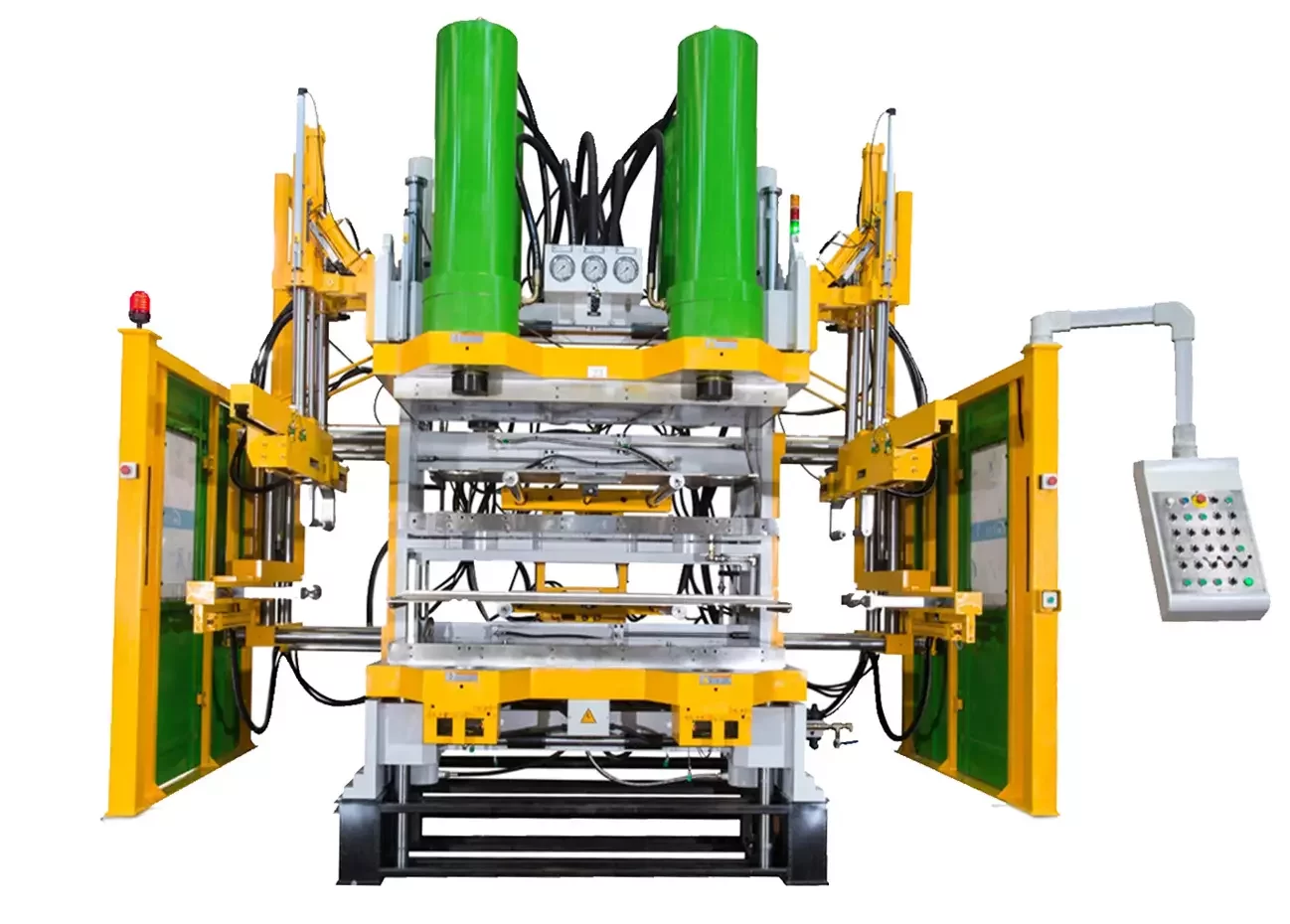
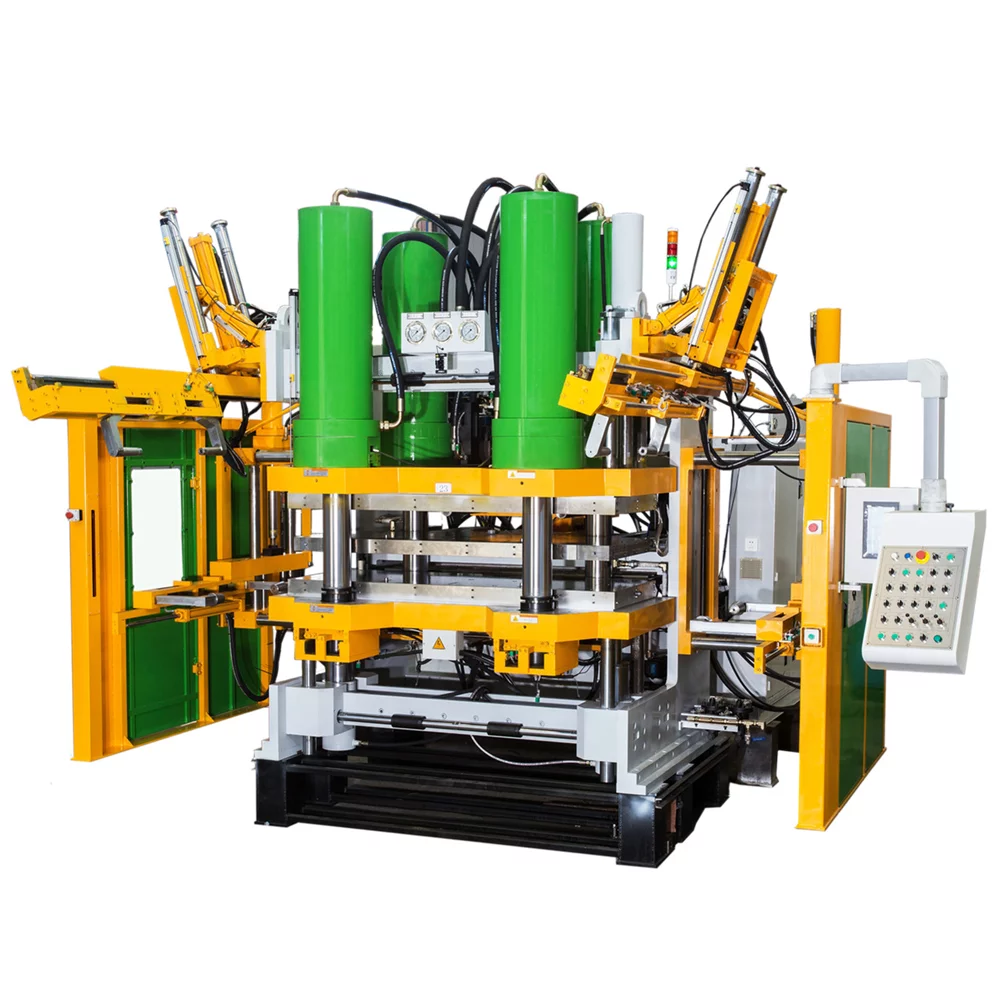
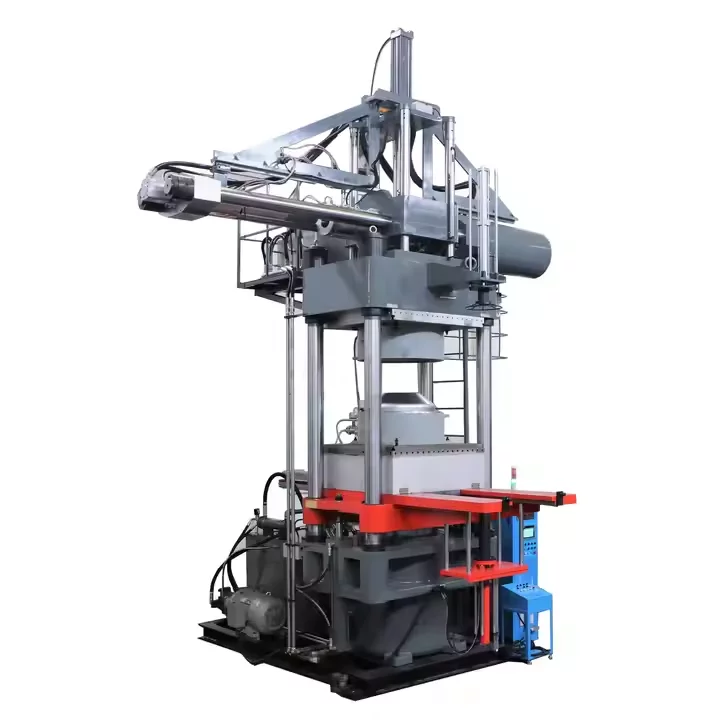
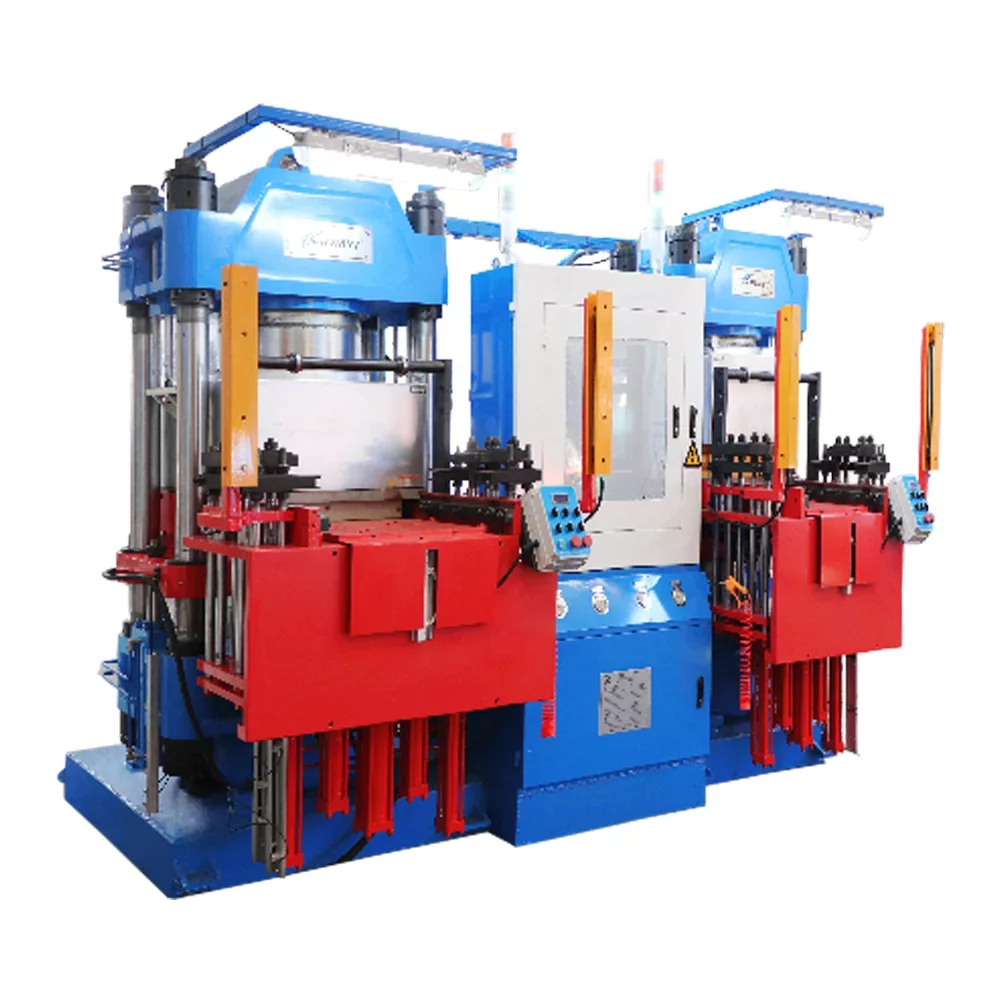
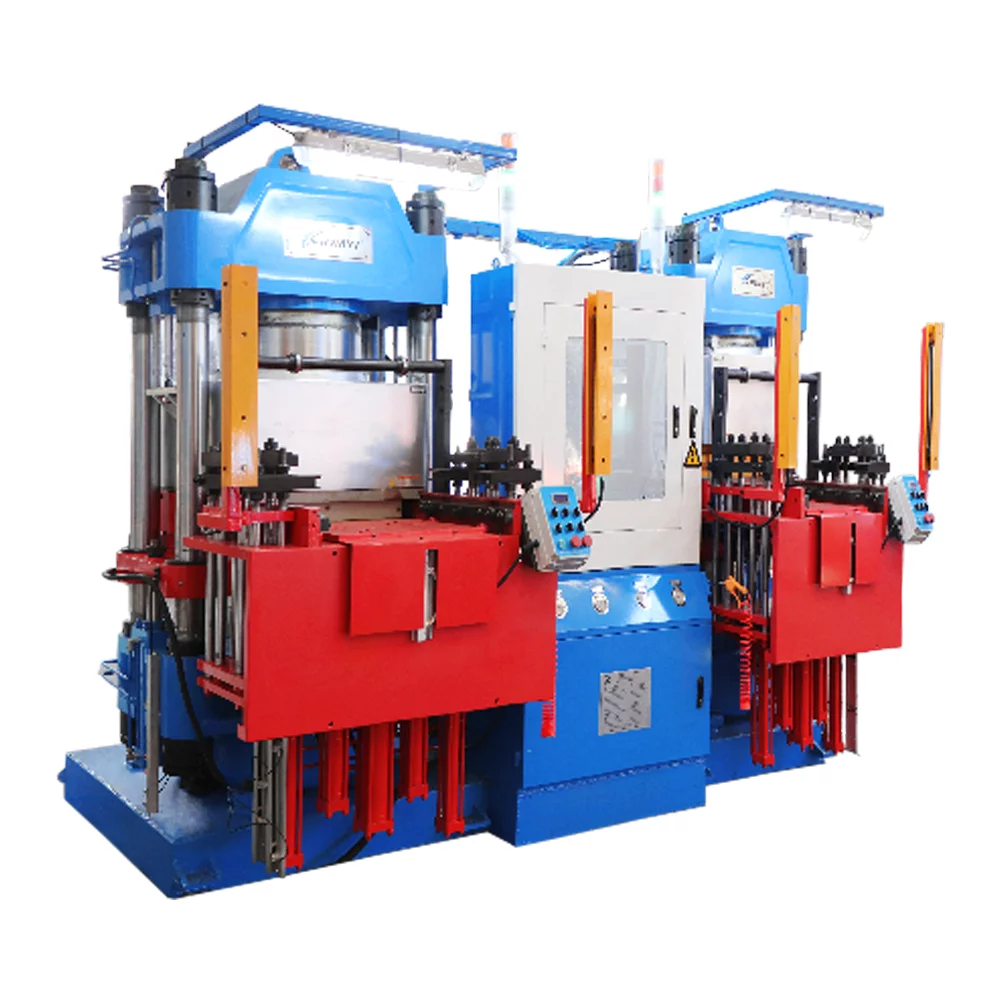
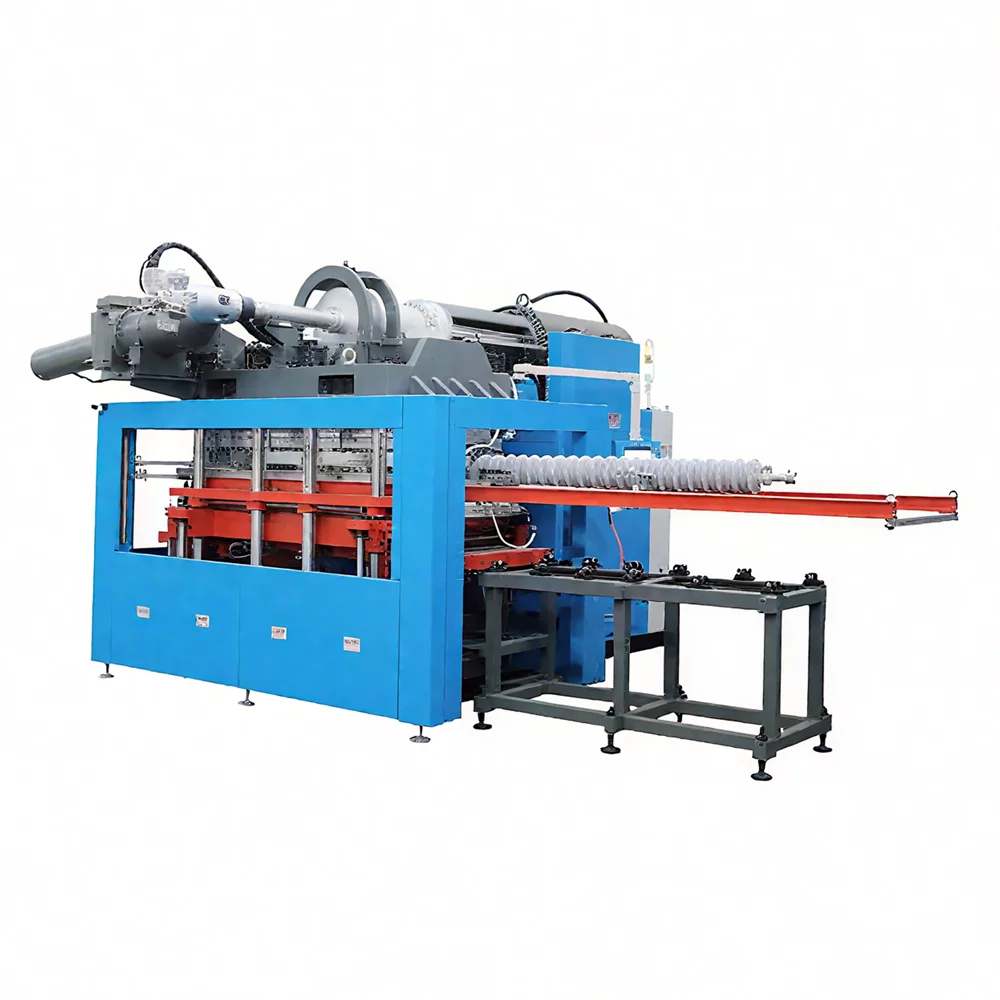
At HWAYI, we provide rubber molding equipment for specialized manufacturing applications, including tyre bladder production. Our rubber tyre bladder injection machine is designed around precision injection, stable clamping, production efficiency, and customizable configurations, helping manufacturers address demanding requirements for quality and throughput.
What Is Custom Rubber Injection Molding?
Custom rubber injection molding is a manufacturing process in which an uncured rubber compound is injected into a mold cavity and vulcanized into a finished component. Unlike standard molding programs, custom projects begin with application-specific requirements, such as geometry, hardness, elasticity, temperature resistance, and service life.
The process is suitable for components with complex shapes or repeated production needs. Automotive parts, industrial seals, vibration-control components, and tyre manufacturing accessories may all require tailored rubber formulations and mold designs.
In a custom molding project, the compound, mold, and machine cannot be evaluated separately because each affects filling, heat transfer, curing, and demolding. Manufacturers must consider how the compound flows, how heat reaches the cavity, and how the finished part will be removed without damage.
Material Selection and Product Design
Material selection is an early decision that affects nearly every subsequent manufacturing stage. Natural rubber, nitrile rubber, EPDM, and silicone rubber each offer different properties. The appropriate choice depends on factors such as oil exposure, weathering, operating temperature, mechanical loading, and required flexibility.
Design engineers must also review wall thickness, corners, undercuts, dimensional tolerances, and potential air-trapping areas. Uniform sections can help simplify filling and curing, while complex geometries may require specialized tooling or additional process development.
Before committing to production, manufacturers should define measurable acceptance criteria. These may include dimensional tolerances, hardness, tensile properties, surface quality, and application-specific durability requirements. Clear specifications help align material suppliers, mold designers, and equipment manufacturers.
Mold Design and Injection Control
The mold determines the component’s geometry and strongly influences production consistency. Cavity dimensions, runner arrangements, gates, and vents must suit the rubber compound and intended part. Poorly designed flow paths can contribute to incomplete filling, trapped air, or excessive flash.
During injection, the machine delivers a controlled quantity of compound into the cavity. Injection pressure, speed, and shot volume must match the material’s flow behavior and the mold’s design. Stable clamping is equally important because the mold must remain securely closed throughout filling and curing.
Our tyre bladder injection machine features a precision injection system and stable clamping performance. These features are intended to support consistent molding results and repeatability. Actual performance should be verified through production trials using the customer’s compound, tooling, and target operating conditions.
Curing, Demolding, and Quality Inspection
After the mold cavity is filled, heat initiates vulcanization, creating crosslinks within the rubber. Curing time and temperature depend on the compound, part thickness, and mold configuration. Insufficient curing may leave the component with inadequate properties, while excessive curing can affect material performance.
Once curing is complete, operators remove the part and inspect it for defects. Typical checks include dimensions, surface finish, flash, hardness, and other requirements specified for the application. More demanding components may need additional mechanical or functional testing.
Consistent records help manufacturers identify recurring defects and refine processing parameters. Monitoring injection settings, curing conditions, and inspection results also makes it easier to reproduce successful production runs and maintain quality across batches.
Applications in Tyre Manufacturing and Industry
Custom rubber injection molding serves a broad range of industrial applications. Seals and gaskets help prevent leakage, vibration-control components reduce transmitted movement, and molded protective parts withstand mechanical or environmental exposure. Each application places different demands on material formulation and dimensional accuracy.
Tyre bladder manufacturing is a specialized application in which process consistency and material performance are important. Tyre bladders must withstand repeated use under demanding thermal and mechanical conditions. Their manufacturing requirements make suitable tooling, controlled curing, and repeatable molding parameters important considerations.
Our rubber tyre bladder injection machine is designed for industrial production, with optimized cycle times intended to increase output and reduce costs. Its energy-efficient design aims to reduce power consumption, while its durable structure supports continuous operation in demanding manufacturing environments. Actual savings and output depend on the production setup and operating conditions.
Choosing Equipment and a Manufacturing Partner
Selecting equipment requires an assessment of product dimensions, material requirements, target output, mold compatibility, and factory conditions. Buyers should evaluate injection capacity, clamping stability, cycle repeatability, energy use, maintenance access, and the availability of technical support.
When comparing rubber molding companies, manufacturers should also examine engineering capabilities, quality-control procedures, experience with similar components, and the ability to support process adjustments. A supplier’s equipment specifications are useful, but trials with representative materials and molds provide stronger evidence of suitability.
At HWAYI, we offer customizable machine configurations to accommodate different tyre bladder manufacturing requirements. Our equipment design emphasizes precision injection, low material waste, stable clamping, and production efficiency. Before selecting a configuration, buyers should discuss their compound, mold design, target cycle time, and quality criteria with our technical team.
Build Better Results Through Process and Equipment Alignment
Successful custom rubber injection molding requires close coordination between material selection, mold engineering, injection control, curing, and inspection. A well-defined process helps manufacturers reduce avoidable waste, improve repeatability, and maintain product quality across production runs.
At HWAYI, we support manufacturers seeking suitable equipment for specialized rubber applications, including tyre bladder production. By matching machine configurations to actual product and production requirements, we help customers establish a practical foundation for efficient and consistent manufacturing.