Rubber products used in automotive systems, medical devices, industrial equipment, and sealing applications must maintain their shape, elasticity, and durability under demanding operating conditions.
Rubber vulcanization makes these properties possible by creating chemical crosslinks between polymer chains, transforming uncured rubber into a more stable elastic material. For manufacturers, understanding the process is essential to controlling product quality, production efficiency, and operating costs.
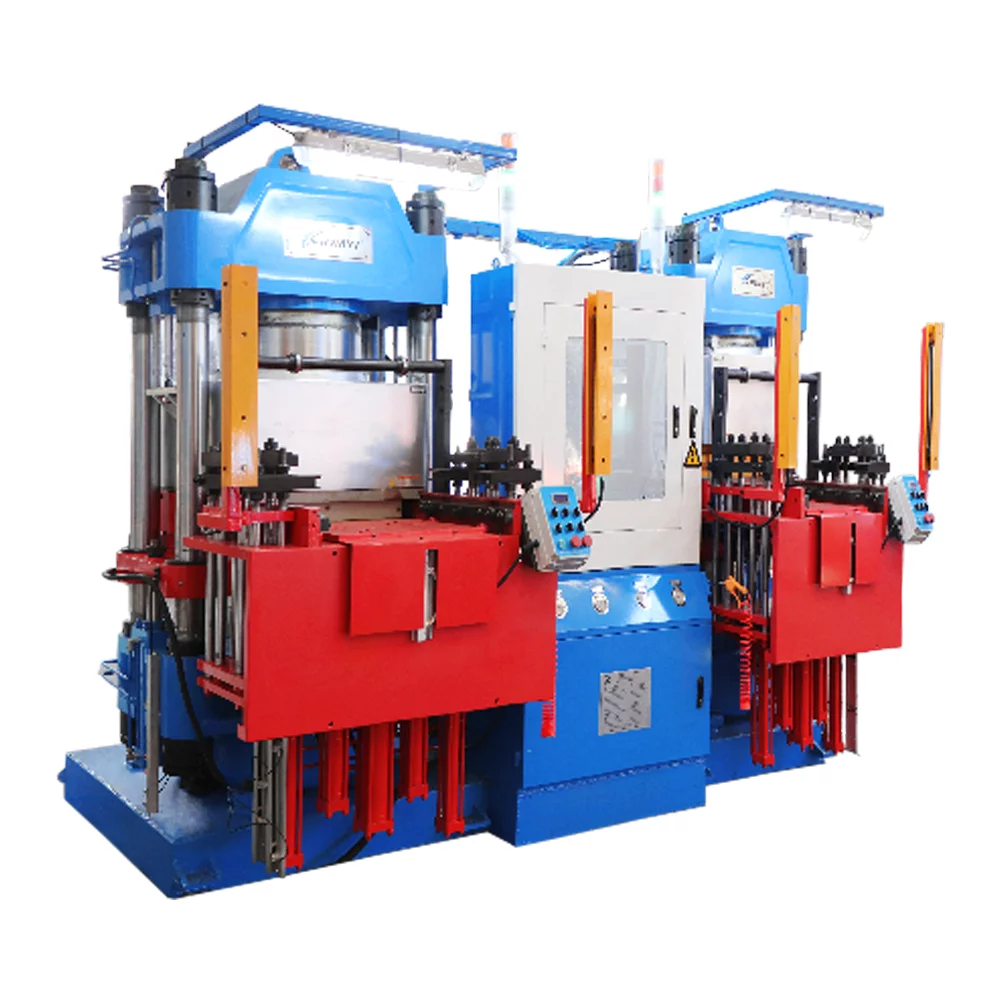
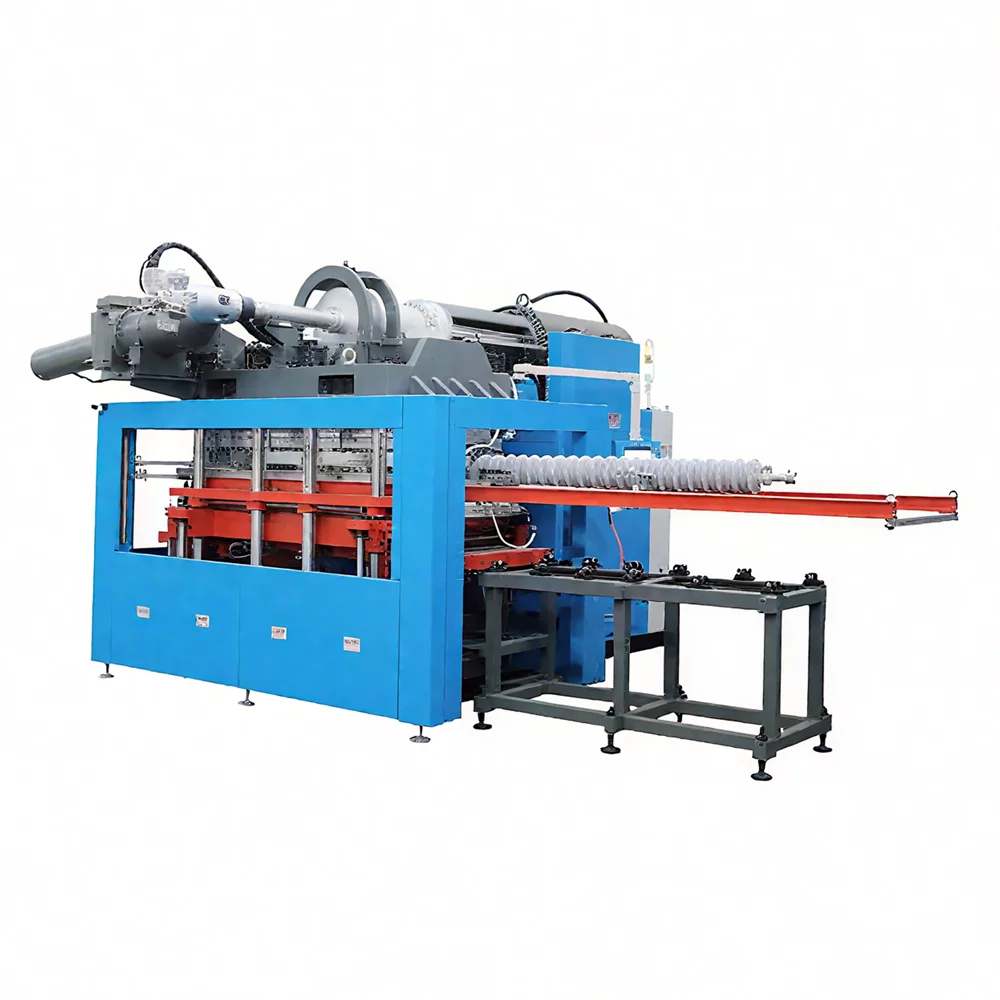
At HWAYI, we help industrial customers select molding equipment suited to their production requirements. Our vacuum rubber vulcanizing press is designed for applications that benefit from controlled heating, pressure, and vacuum-assisted molding. Understanding how these process variables interact helps manufacturers choose suitable equipment and establish more consistent production procedures.
What Is Rubber Vulcanization?
Rubber vulcanization is a chemical process that links polymer chains through a curing system, commonly involving sulfur or peroxide-based agents, depending on the rubber formulation. These crosslinks limit unrestricted movement between chains while allowing the material to retain elasticity. The result is a vulcanized product with improved mechanical stability and useful performance characteristics.
The process is important for products such as O-rings, sealing rings, vibration-damping components, rubber mats, and protective boots. Each application has different requirements for hardness, compression recovery, dimensional accuracy, and resistance to operating conditions. Manufacturers must therefore establish curing parameters according to the compound and finished-product specifications rather than relying on one universal recipe.
The Main Stages of the Vulcanization Process
Compound preparation: Production begins with a formulated rubber compound containing the base polymer and appropriate curing agents, fillers, and other additives. Consistent mixing helps distribute ingredients throughout the compound, supporting predictable processing and final properties.
Mold loading and closure: The prepared compound is placed into a mold cavity or loaded through the selected molding system. The mold defines the product’s geometry, while the press closes the tooling and applies the required pressure. Correct material quantity and positioning help reduce flash, incomplete filling, and dimensional variation.
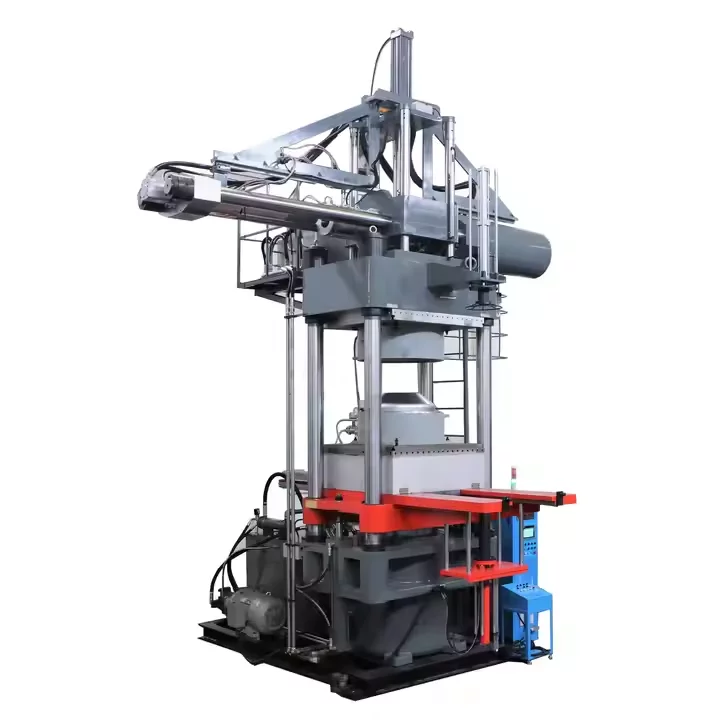
Heating and curing: Heat activates the curing reaction, while pressure helps the material fill the mold and maintain contact with its surfaces. A rubber vulcanizing machine must deliver suitable process conditions for the specific compound and product thickness. Cure time depends on formulation, temperature, heat transfer, and the required degree of crosslinking.
Demolding and inspection: After curing, the part is removed and checked against relevant quality criteria. Inspection may cover dimensions, appearance, hardness, and other application-specific properties. Where necessary, manufacturers adjust process settings based on test results and documented production data.
Why Temperature, Pressure, and Time Matter
Temperature influences the rate of the chemical reaction, but increasing it does not automatically improve product quality. Excessive heat or an unsuitable curing cycle can damage some compounds, while insufficient curing may leave a part with inadequate properties. Thick components can also develop uneven cure because heat takes time to reach their interiors.
Pressure supports mold filling and helps reproduce the intended geometry. However, the appropriate pressure depends on the compound, mold design, and machine configuration. Cure time must be validated alongside temperature and pressure rather than selected independently.
Rubber manufacturers can use cure-meter testing to characterize a compound’s vulcanization behavior. ASTM D5289 describes a rotorless cure-meter method used for quality control, material evaluation, and research and development. These test results help establish suitable curing conditions before production parameters are finalized.
How Vacuum Technology Supports Molded Rubber Quality
Air trapped inside a mold can contribute to bubbles, surface imperfections, or incomplete filling, depending on the component geometry and process conditions. Vacuum-assisted molding removes air from the mold cavity before or during the appropriate stage of processing, helping reduce air-related defects. The effectiveness of this approach depends on mold sealing, compound behavior, and the selected vacuum cycle.
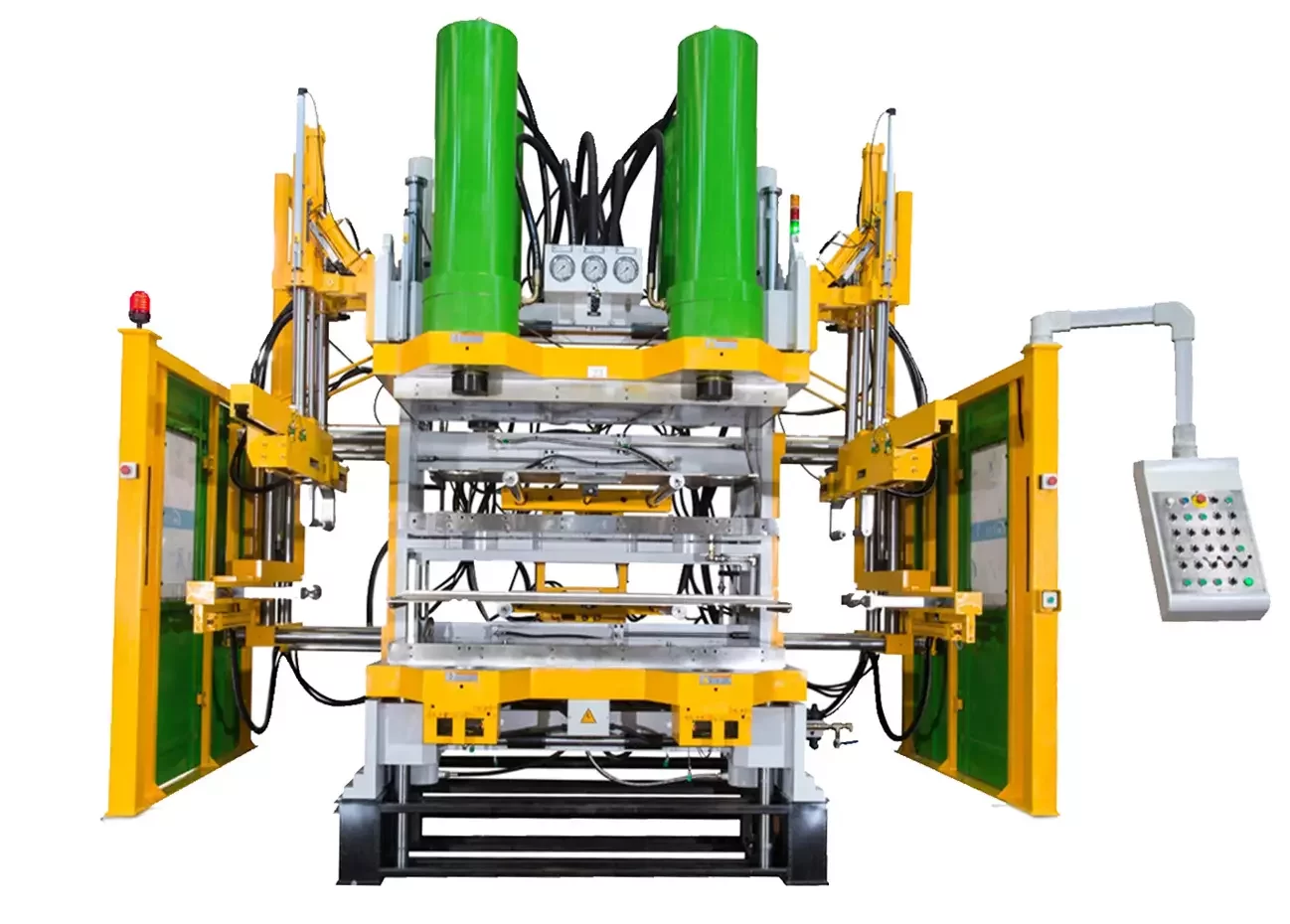
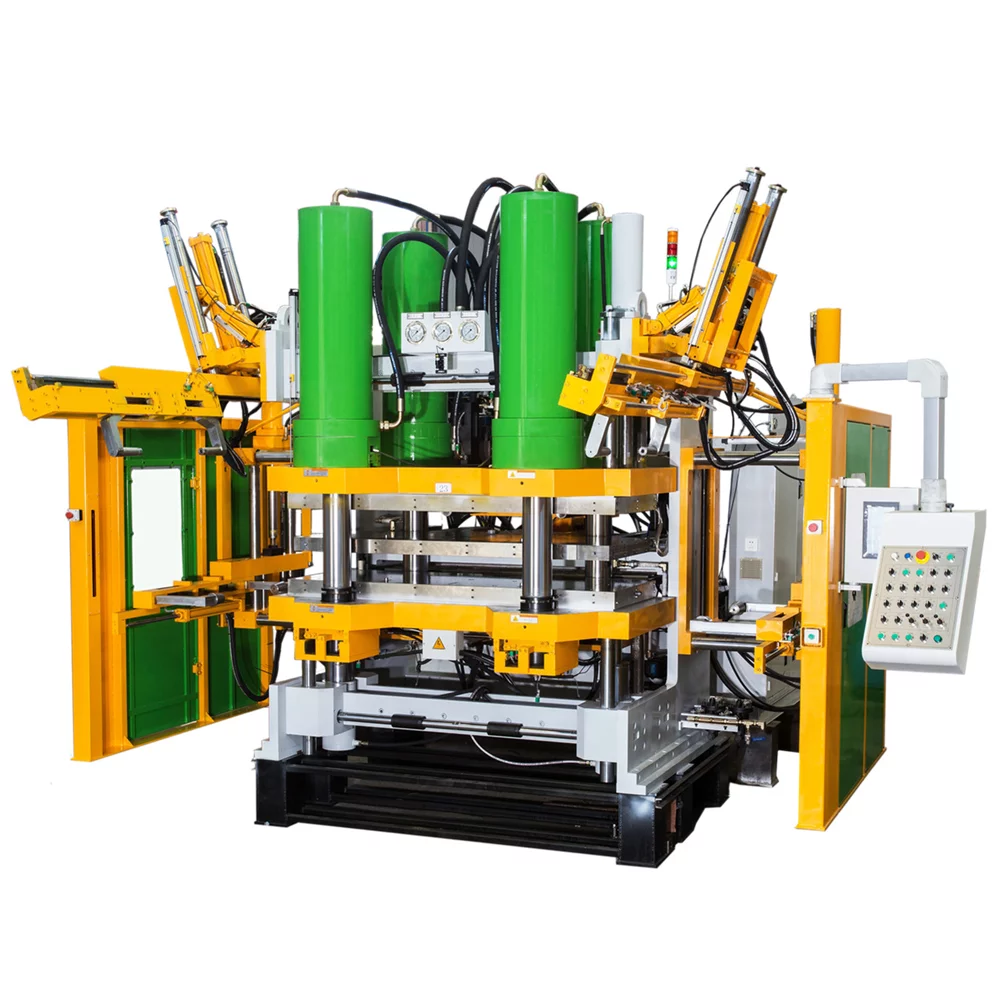
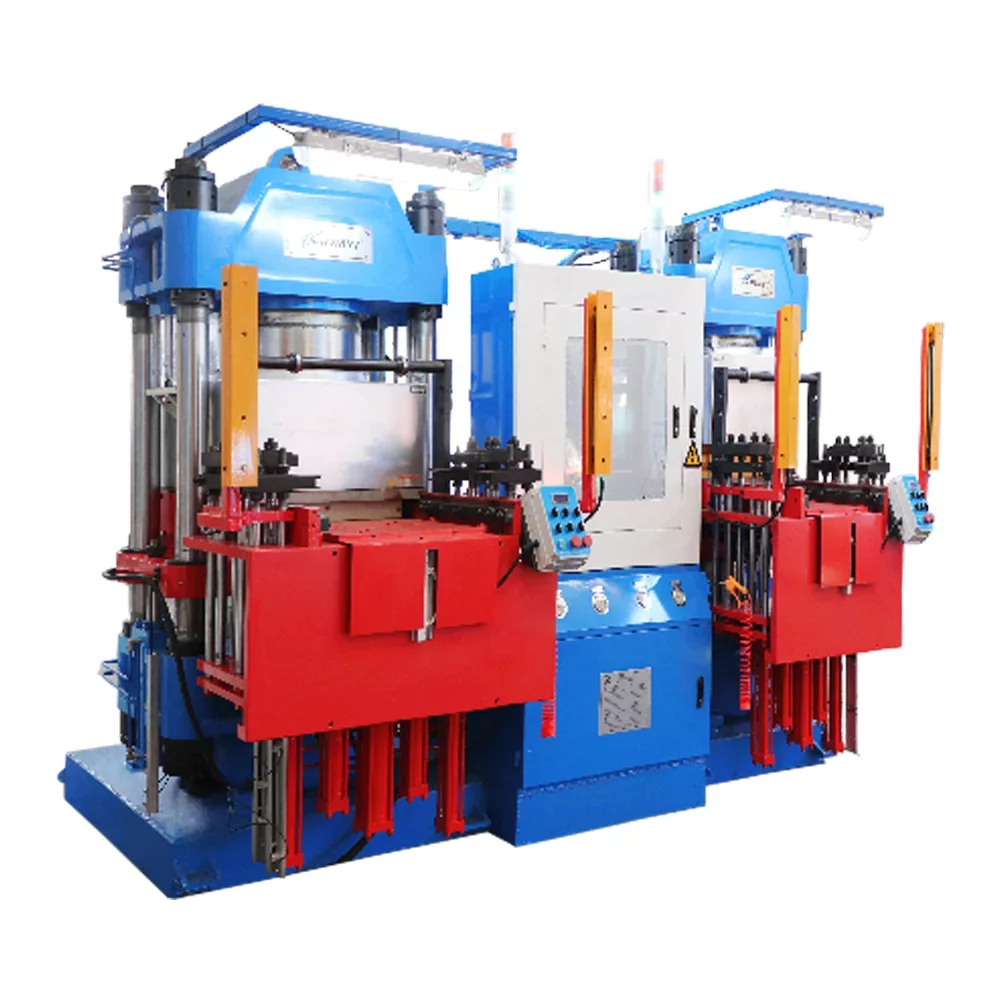
Our Vacuum Rubber Vulcanizing Press Machine is available in a single-table configuration, with a double-table option also offered. It is equipped with a German BUSCH vacuum system and a SIEMENS PLC control system with a human-machine interface (HMI) and programmable controls.
The machine uses a four-column structure, with the front demolding unit separated from the moving platen. This arrangement supports the machine’s demolding configuration and provides a practical equipment option for manufacturers producing molded rubber components.
Applications and Equipment Selection
Vacuum vulcanizing presses can be used for O-rings, sealing rings, keyboard components, rotary drums, automotive shock-absorption parts, dust boots, and certain medical butyl rubber stoppers. They can also be applied to rubber mats and related compression-molded products when the equipment, mold, and process meet the application’s requirements.
When evaluating a rubber mold vulcanizer, purchasing teams should assess the component dimensions, material formulation, production volume, mold layout, and required curing cycle. They should also consider control-system capabilities, maintenance access, operator safety, and the availability of suitable tooling.
For medical applications, equipment selection alone does not establish regulatory compliance. Manufacturers must validate the complete process, materials, cleaning procedures, and quality system against applicable requirements. Similar discipline applies to automotive and industrial parts, where customer specifications may define inspection methods and traceability expectations.
Improve Process Control for Reliable Production
Rubber vulcanization depends on the interaction of chemistry, heat transfer, pressure, tooling, and cycle time. A well-selected rubber vulcanizing machine helps manufacturers apply controlled process conditions, while testing and inspection confirm whether the finished parts meet requirements.
At HWAYI, we provide vacuum vulcanizing equipment for a range of molded rubber applications. By matching our machinery to customers’ materials, product designs, and production targets, we help them evaluate practical rubber mold vulcanizer options and develop a more consistent manufacturing process.