Custom molded rubber parts are essential components engineered for precise performance across industries, from automotive to medical devices. Understanding the rubber injection molding process, material selection, and design considerations ensures optimal functionality, durability, and efficiency.
This guide explores key applications, manufacturing methods, and quality strategies to help manufacturers produce reliable and high-performance rubber molded parts.
What Are Custom Molded Rubber Parts and Why Are They Important?
Custom molded rubber parts are engineered components designed to meet exact specifications in terms of size, shape, and material properties. Unlike standard, off-the-shelf rubber components, custom parts are tailored to suit precise assembly requirements and functional demands.
The benefits of custom molded rubber parts include:
- Optimized Mechanical Performance: Tailored designs provide better elasticity, strength, and wear resistance.
- Exact Assembly Fit: Perfectly shaped components improve sealing, reduce vibration, and prevent leaks.
- Extended Service Life: High-quality, application-specific materials resist wear, chemical exposure, and environmental stress.
What Are the Key Applications of Custom Molded Rubber Parts?
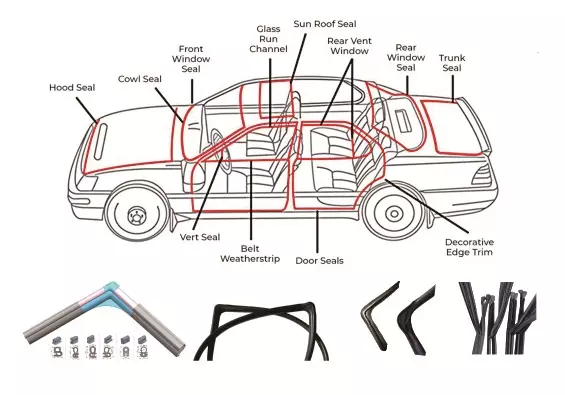
Automotive: Engine gaskets, door seals, suspension bushings, vibration isolators. Enhance vehicle performance by reducing noise, vibrations, and wear while ensuring precise sealing.
Electronics & Electrical: Cable grommets, insulating sleeves, flexible connectors, protective housings. Provide insulation, protect components, and ensure a reliable fit in compact or high-performance assemblies.
Medical & Healthcare: Tubing, syringe seals, flexible diaphragms, O-rings. Meet strict biocompatibility and chemical resistance standards while maintaining precision and flexibility.
Industrial Machinery: Wear pads, shock absorbers, sealing gaskets, conveyor rollers. Improve reliability, reduce maintenance, and withstand mechanical stress in harsh operating conditions.
Consumer Products: Shoe soles, kitchen grips, protective cases, ergonomic handles. Enhance comfort, safety, and usability in everyday products.
What Rubber Materials Are Commonly Used in Custom Molded Rubber Parts?
- Natural Rubber (NR): High elasticity, flexibility, and abrasion resistance.
- Styrene-Butadiene Rubber (SBR): Durable and cost-effective, with good wear resistance.
- Nitrile Rubber (NBR): Resistant to oils, fuels, and chemicals, maintaining integrity under exposure to harsh substances
- Silicone Rubber (VMQ): Stable at high temperatures, highly flexible, and elastic.
- EPDM, Neoprene, Specialty Compounds: Resistant to weathering, ozone, and chemicals.
Selection Guidelines:
- NR:When elasticity and mechanical resilience are critical, but chemical exposure is limited.
- SBR:When wear resistance is needed at a lower cost, and chemical exposure is minimal.
- NBR:When exposure to oils, fuels, or other petroleum-based substances is expected.
- VMQ:When thermal stability, biocompatibility, or chemical neutrality is required.
- EPDM, Neoprene, Specialty Compounds: When parts are exposed to sunlight, ozone, or harsh environmental conditions.
To make material selection easier, the following table summarizes typical applications and the industries where each material is commonly used, providing a quick reference for choosing the right material for your custom molded parts:
Material | Typical Applications | Common Industries |
NR |
|
|
SBR |
|
|
NBR |
|
|
VMQ |
|
|
EPDM / Neoprene / Specialty |
|
|
What Is the Manufacturing Process for Custom Molded Rubber Parts?
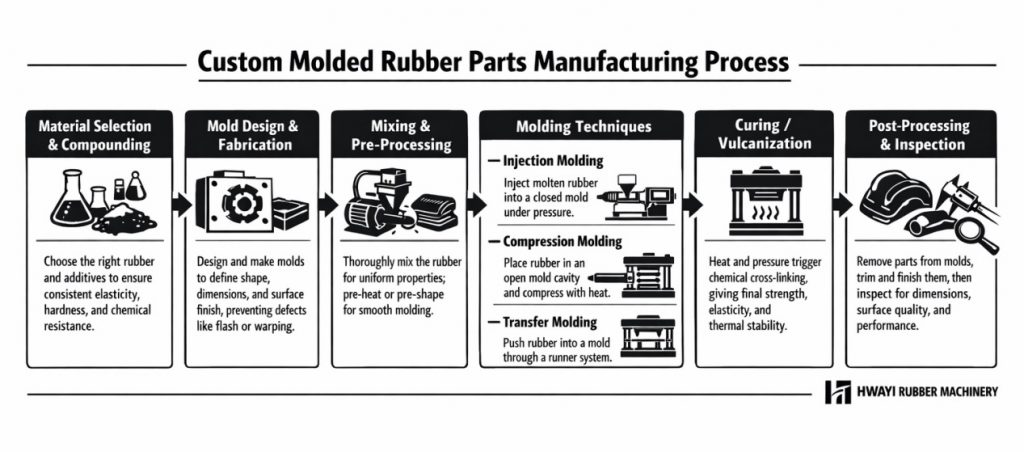
Process 1: Material Selection & Compounding
The production of high-quality custom molded rubber parts begins with selecting the right rubber and compounding it with the necessary additives. This foundational step ensures consistent elasticity, hardness, and chemical resistance, setting the stage for reliable performance throughout the molding process.
Process 2: Mold Design & Fabrication
In this step, molds are created to define the shape, dimensions, and surface finish of the final parts. Designers determine wall thickness, draft angles, and undercuts, then fabricate the mold using precision machining. The mold must accurately reflect the part design to prevent defects during molding, such as flash, warping, or incomplete filling.
Process 3: Mixing & Pre-Processing
Here, the compounded rubber is thoroughly mixed to ensure all ingredients are evenly distributed, avoiding variations in hardness, color, or elasticity. The rubber may also be pre-heated or shaped into manageable forms, preparing it for smooth and consistent molding in the next step.
Process 4: Molding Techniques
The pre-processed rubber is then shaped using the appropriate molding technique based on design complexity and production volume:
- Injection Molding: Molten rubber is injected under pressure into a closed mold.
- Compression Molding: Rubber is placed into an open mold cavity and compressed under heat.
- Transfer Molding: Rubber is pushed into a mold through a runner system, combining elements of injection and compression.
Process 5: Curing/Vulcanization
After molding, the parts undergo curing or vulcanization, where heat and pressure trigger chemical cross-linking. This step transforms the rubber, giving it final strength, elasticity, and thermal stability, ensuring the parts can withstand operational stresses without deformation or cracking.
Process 6: Post-Processing & Inspection
Finally, the molded parts are removed from the molds and undergo trimming, deflashing, and finishing to achieve the desired appearance and dimensions. Rigorous inspection checks for surface defects, dimensional accuracy, and functional performance. This ensures every custom molded rubber part meets quality standards and is ready for its intended application.
What Design Factors Impact the Quality of Custom Molded Rubber Parts?
The quality and performance of custom molded rubber parts depend not only on material and processing but also on thoughtful design. Even minor design flaws can lead to defects, reduced durability, or assembly issues. Key design factors include:
Wall Thickness & Uniformity
Uneven walls can create weak spots, causing warping, incomplete mold filling, or parts that tear easily during use.
Draft Angles & Undercuts
Insufficient draft angles or unmanaged undercuts make it hard to remove parts from the mold, often resulting in surface damage, flashing, or deformation.
Tolerance & Dimensional Accuracy
Parts that deviate from specified dimensions may not fit assemblies correctly, compromise sealing, or reduce mechanical performance.
Stress Points & Reinforcement
Sharp corners, thin sections, or unsupported areas increase the risk of tearing, cracking, or deformation under mechanical or thermal stress.
Surface Finish
Rough or inconsistent surfaces can cause poor sealing, increased friction, or aesthetic defects, affecting both functionality and appearance.
How to Solve These Challenges to Ensure Consistent Quality?
Material Quality Control
Begin by establishing strict material inspection procedures, testing every batch of rubber for hardness, elasticity, and chemical composition while maintaining detailed records for traceability. Materials should be stored in controlled conditions to prevent degradation, and stock should be rotated to use older batches first, ensuring uniformity in material properties throughout production.
Process Parameter Control
All molding parameters, including injection pressure, mold temperature, and curing time, should be precisely controlled, with automated monitoring systems tracking values in real time and allowing immediate adjustments if deviations occur. Standard operating procedures for each part type should be documented, which maintains consistency in the molding process and ensures reproducible results.
Tooling & Mold Maintenance
Develop a regular mold maintenance schedule that includes cleaning, polishing, alignment checks, and lubrication, and monitor wear and perform preventive repairs to avoid defects before they occur. Also, keep mold cavities free from debris or residue, and confirm that clamping and alignment are correct for each cycle.
In-Process Inspection
Inspections should be conducted at defined intervals during production, measuring critical dimensions, hardness, and surface finish, with automated tools used when possible. Any deviations must be corrected immediately by adjusting process parameters or pausing production, which prevents defective parts from progressing and maintains overall consistency.
Final Quality Assurance
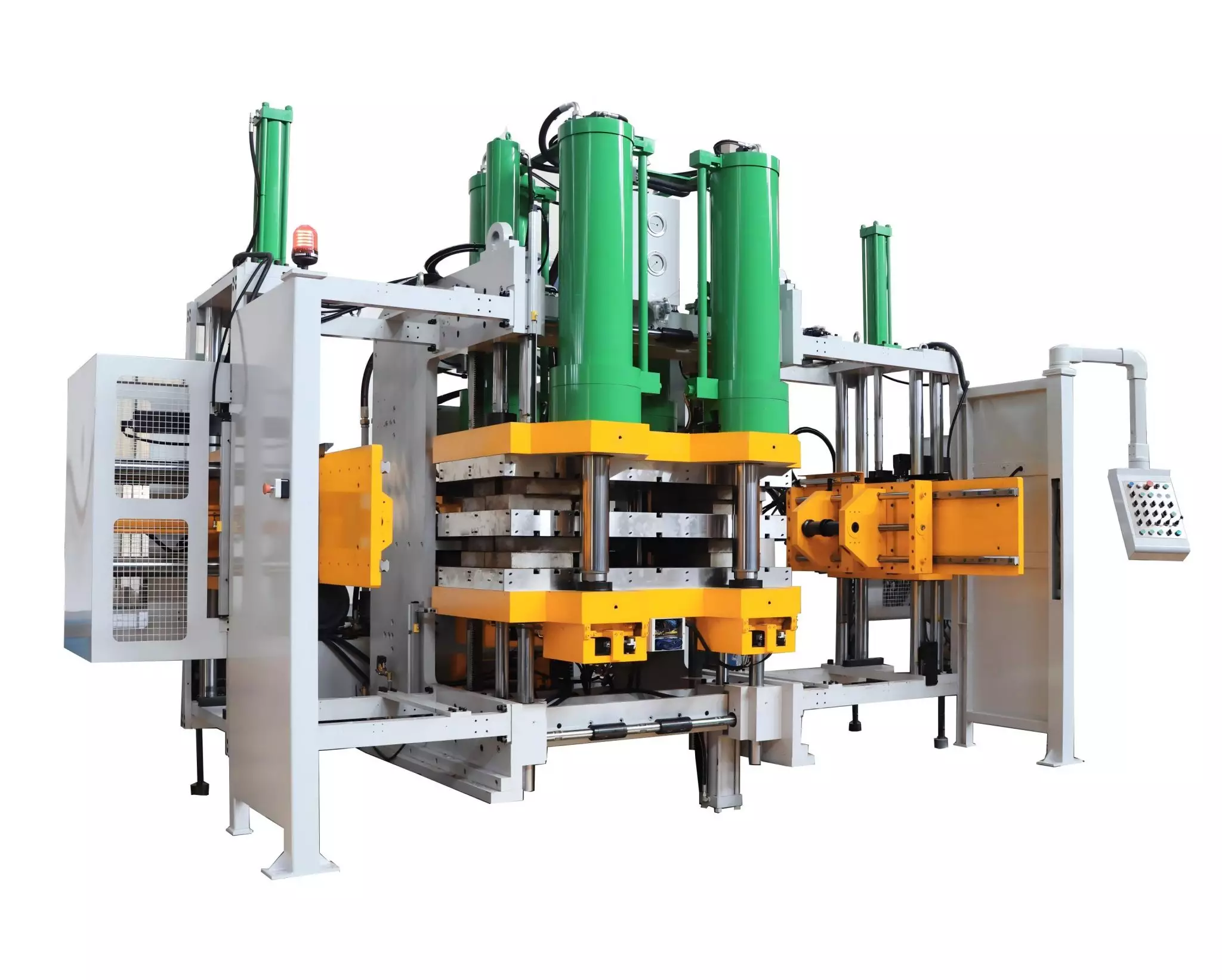
After production, each part should be verified for design and functional compliance through dimensional checks, hardness tests, and surface inspections, with all results documented. Integrating quality assurance with molding machines ensures precise control over temperature, injection speed, and mold clamping, ensuring each part meets its design requirements and is ready for use.
How Do You Choose the Right Rubber Injection Molding Machine?
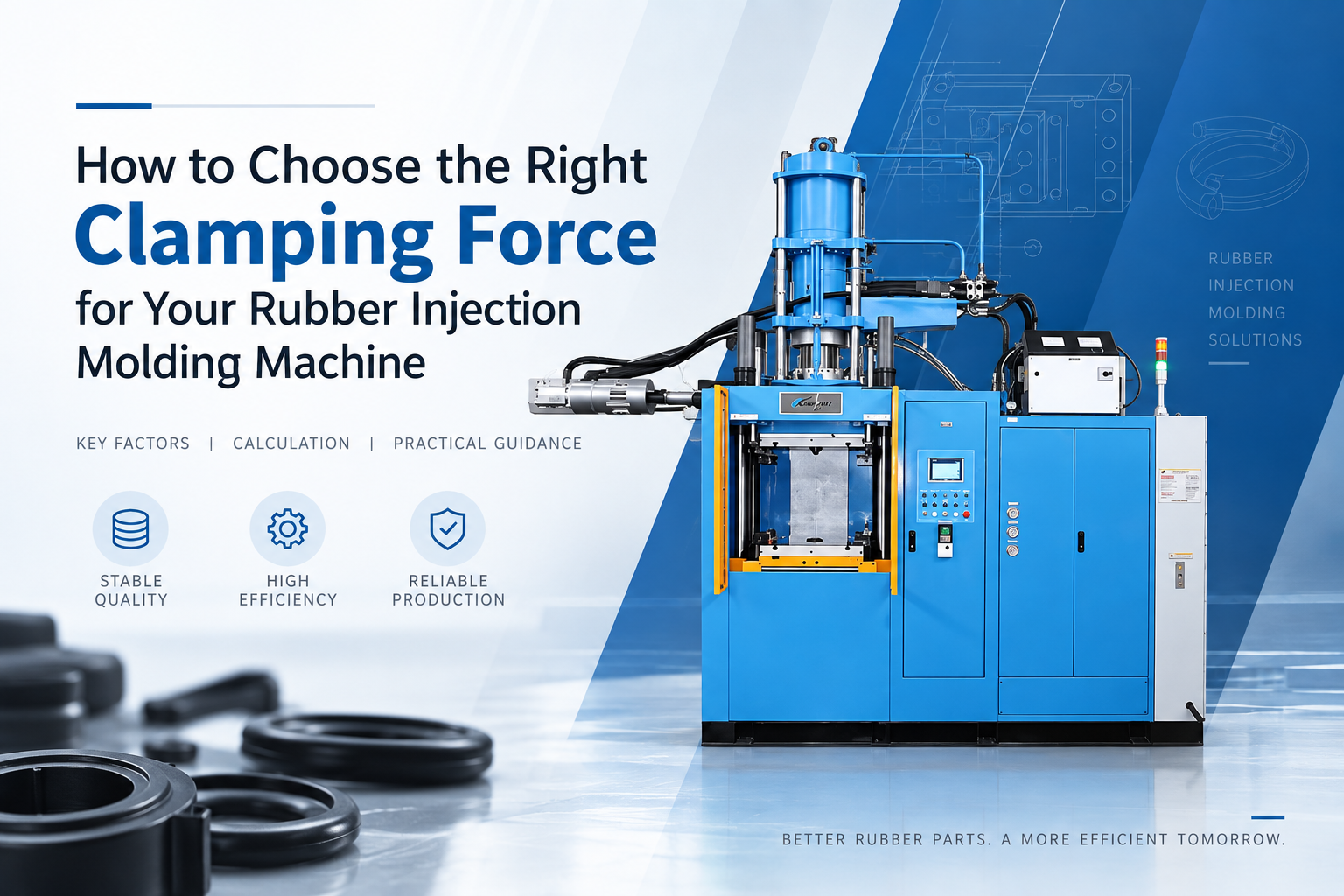
Clamping Force: Calculate the required clamping force by multiplying the mold’s projected area by the maximum injection pressure of your rubber, and select a machine that exceeds this requirement to ensure complete mold closure. During trial runs, verify pressure consistency to confirm the machine operates stably and prevents flash or incomplete filling.
Precision and Repeatability: Choose a machine with accurate control systems and stable platen alignment, then use test runs to measure dimensional consistency, aiming for minimal deviations within ±1% of critical dimensions (Actual tolerance will vary by machine capability and process conditions). Closed-loop or servo-driven systems help maintain repeatable pressure, speed, and temperature across production cycles.
Material Compatibility: Ensure the machine can handle all rubber compounds you plan to use by checking heating zones, screw design, and adjustable injection profiles. These features allow different viscosities and curing behaviors to be accommodated without compromising part quality.
Energy Efficiency: Compare power consumption in both idle and production states. Machines with servo-driven or optimized hydraulic systems reduce electricity usage, and programmable energy-saving modes further lower long-term costs. Balance efficiency with performance to select the most suitable machine.
Why Is Hwayi’s Rubber Injection Molding Machine the Ideal Choice for Your Production?
Open C-Frame Structure
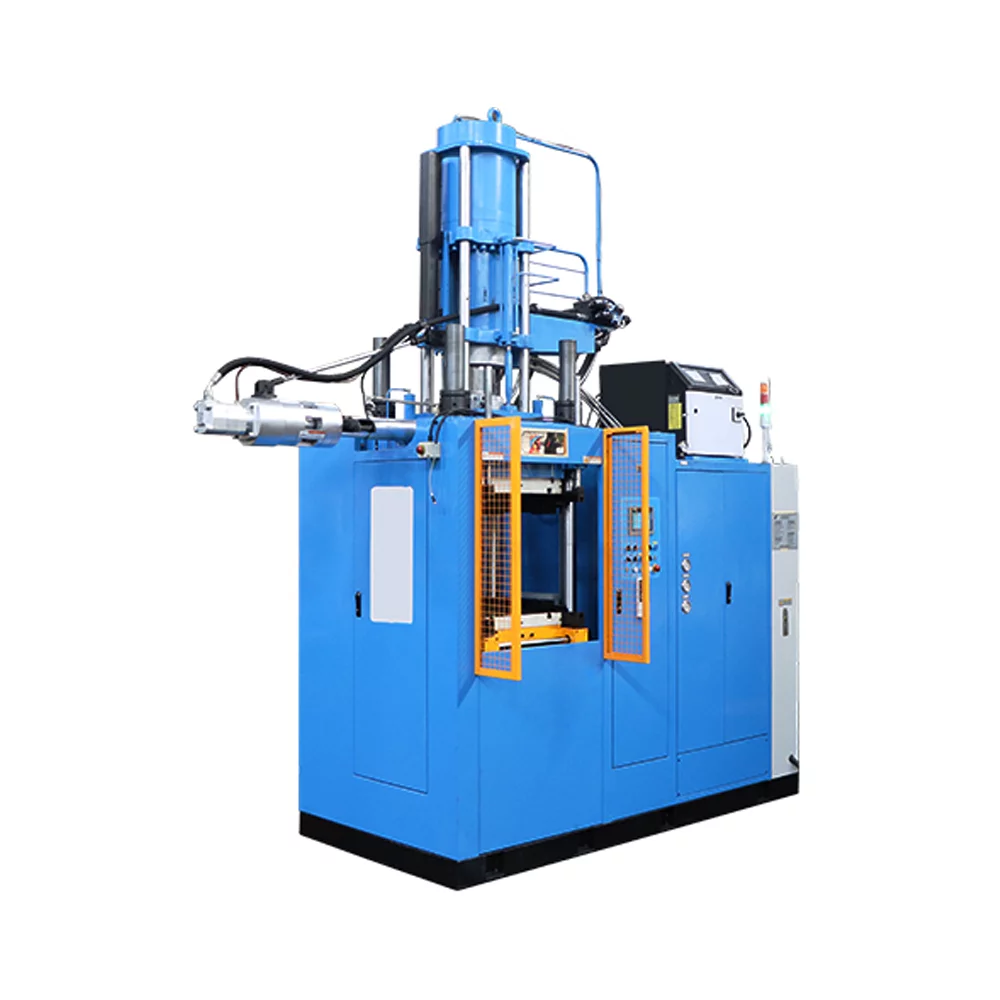
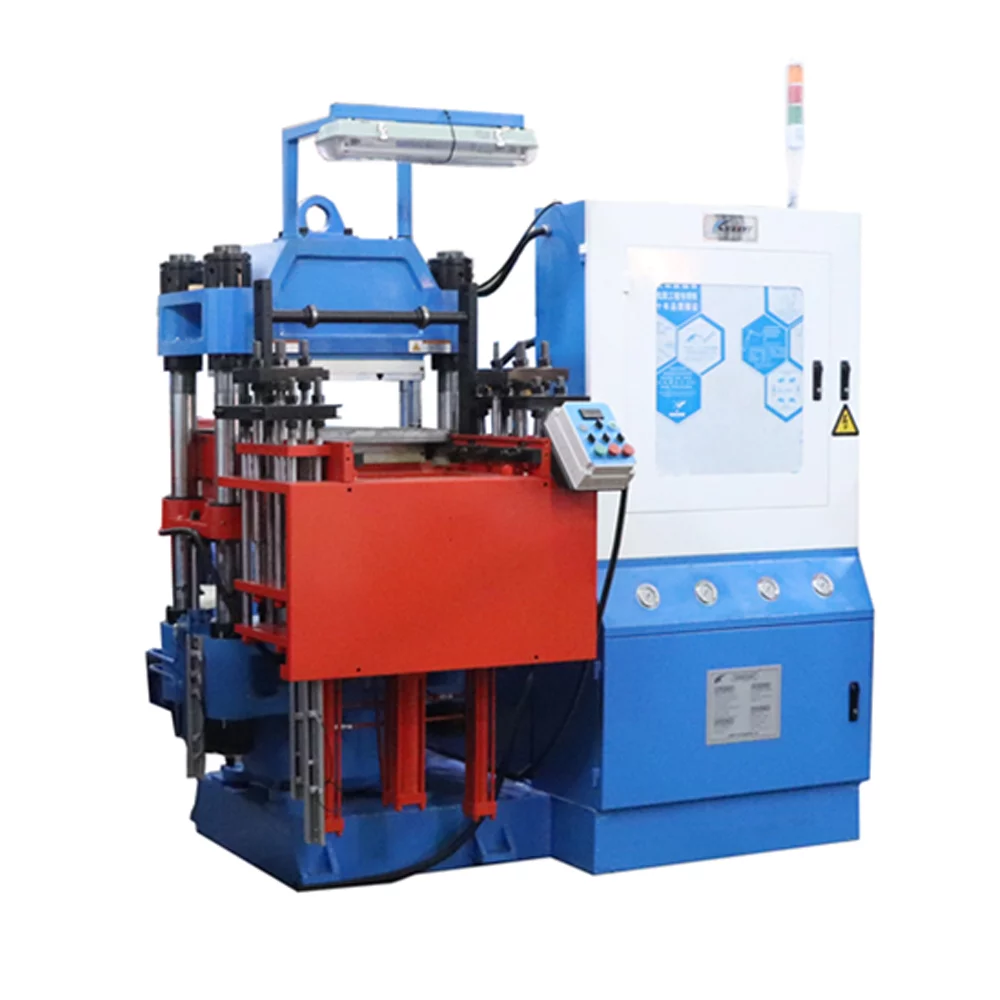
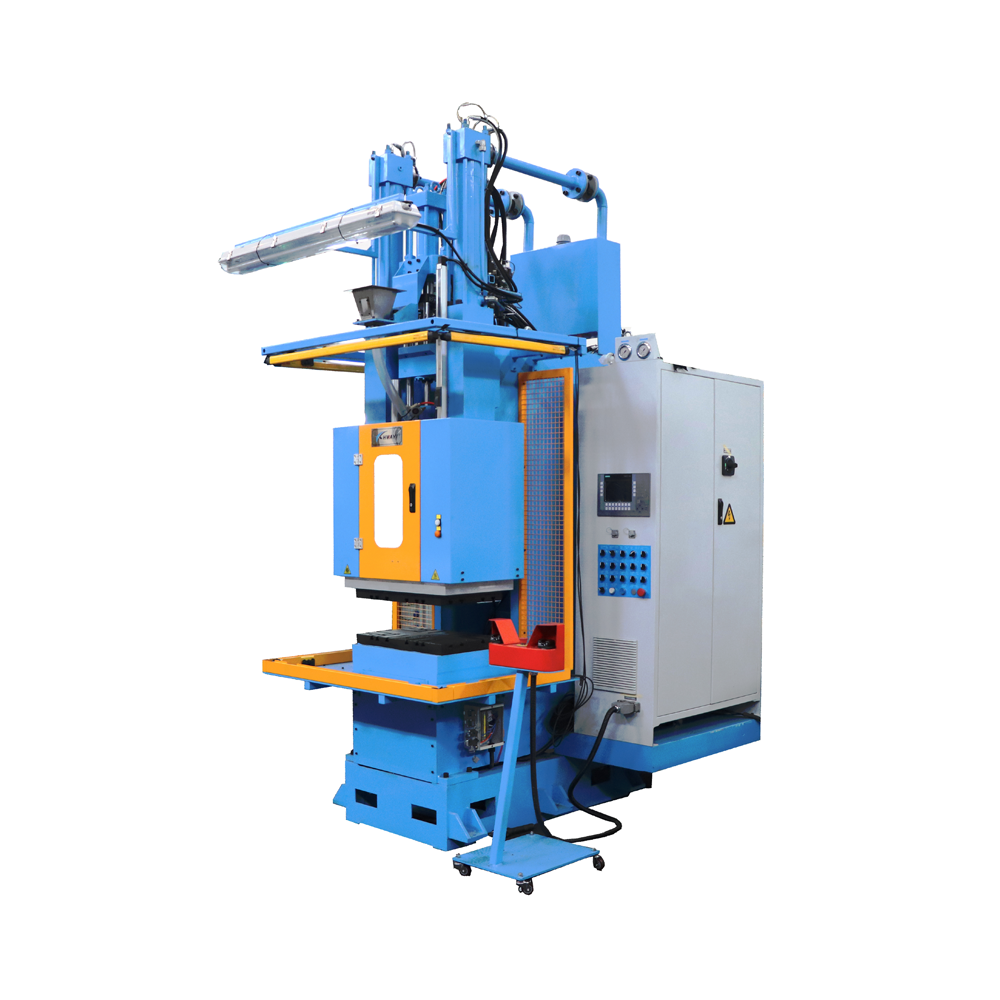
Hwayi’s EPDM and NBR C Frame Injection Press Machine provides a fully open workspace, making mold setup, part placement, and removal more convenient. This structure maintains platen parallelism within 0.06 mm, ensuring consistent part dimensions without compromising rigidity.
High-Precision Injection Control
The EPDM and NBR C Frame Injection Press Machine uses a German-brand injection transducer with ±0.5% volume tolerance and PID-controlled temperature management. This helps achieve uniform shot weight and consistent curing, supporting stable quality across production cycles.
Flexible Mold and Demolding Configurations
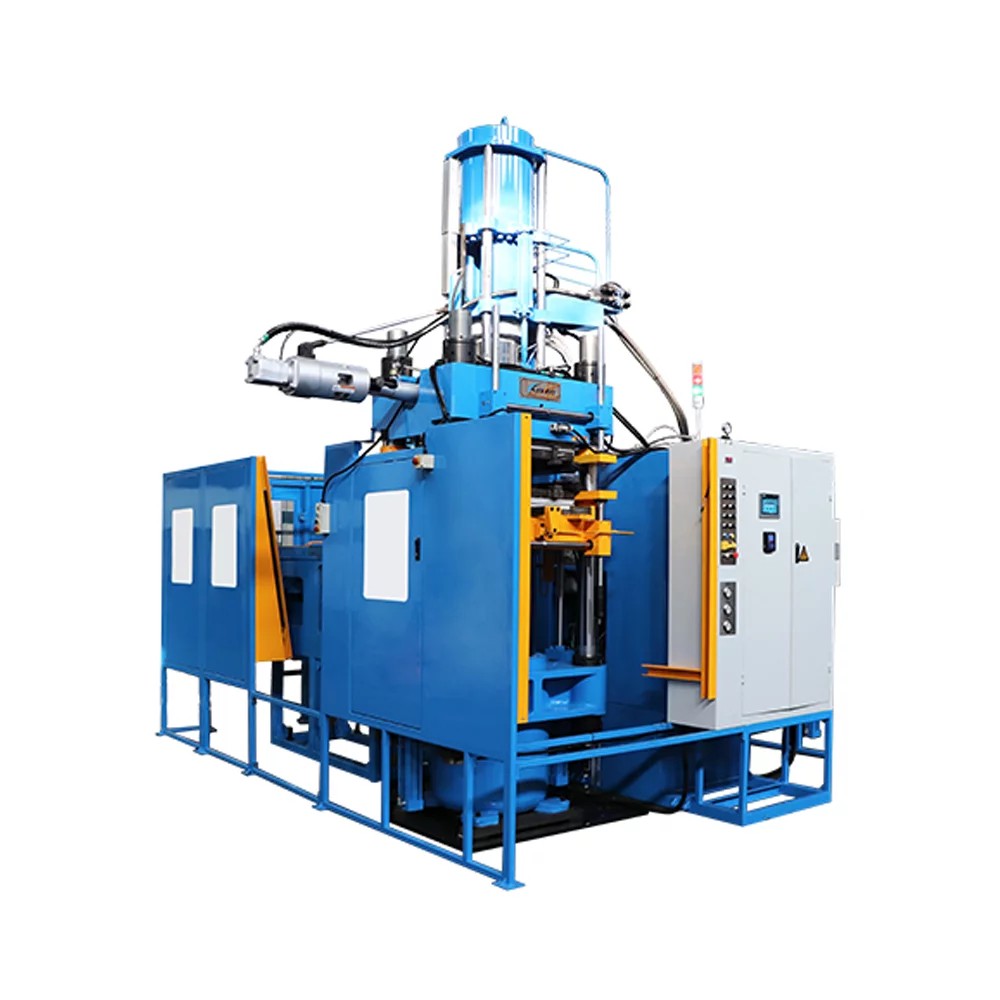
The EPDM and NBR C Frame Injection Press Machine supports top or bottom injection, double working stations, and multiple ejector and core-pulling options. This flexibility accommodates different mold designs and production needs efficiently.
Energy Efficiency and Safety
This C-Frame Rubber Injection Press uses a servo-driven system that can save 20%-50% energy, and up to 80% in cold climates, helping reduce power consumption during production. It also features low-pressure mold clamping protection, Rexroth safety valves, and full safety guards with sensors, ensuring reliable operation in compliance with CE standards.
Conclusion
Producing high-quality rubber molded parts requires not only careful design and material selection but also reliable and advanced molding equipment.
By choosing high-performance rubber injection molding machines from experienced manufacturers like Hwayi, companies can enhance production efficiency, achieve stable product quality, and confidently meet demanding industrial standards while driving long-term manufacturing success.
Ready to optimize your rubber molding production? Get a free quote today!
References
[1]https://www.customrubbercorp.com/blog/June-2024/The-Process-of-Custom-Rubber-Molding
[2]https://mwrco.com/news/the-benefits-of-using-custom-molded-rubber-parts-in-your-industry/