Liquid silicone rubber (LSR) injection molding is revolutionizing automotive manufacturing. Offering exceptional temperature resistance, elasticity, and design flexibility, LSR enables durable, precise, and high-performance components.
This article explores why modern vehicles rely on LSR, the parts it serves, emerging trends, and how to select the right manufacturer.
What Is LSR Injection Molding?
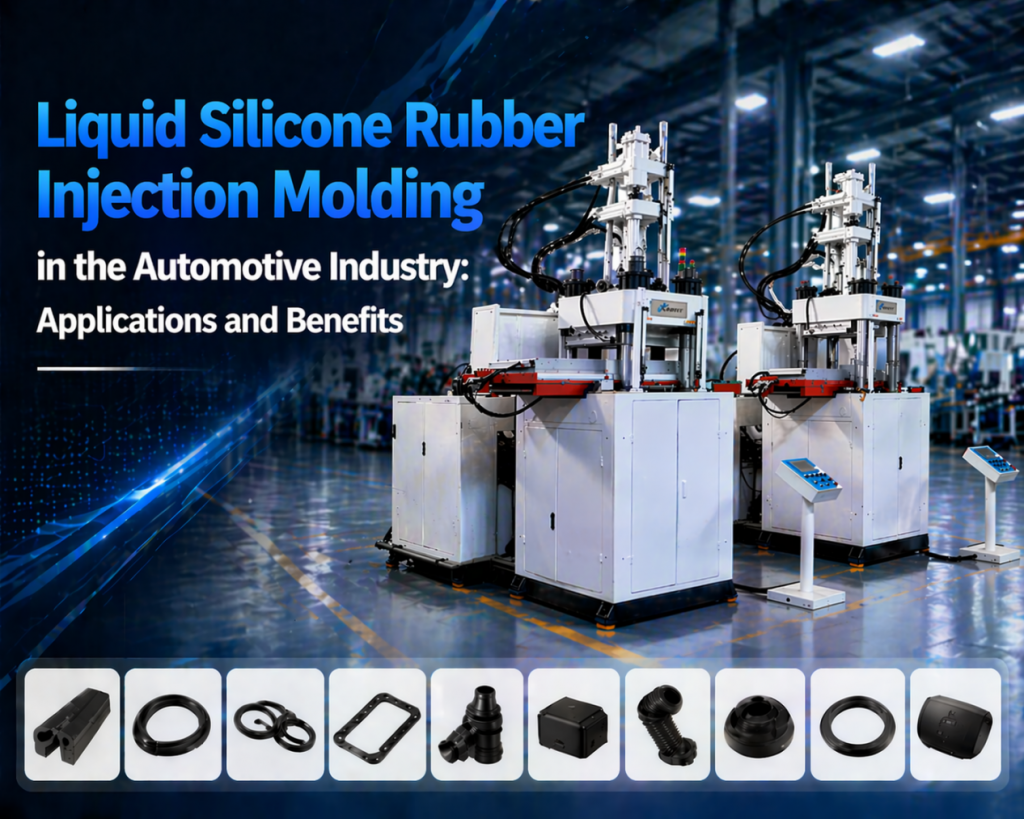
Liquid silicone rubber injection molding is a manufacturing process in which liquid silicone rubber is mixed, injected into a heated mold, and then cured into solid elastic components with precise shapes and consistent performance. The process is highly automated, allowing stable control over dimensional accuracy and material properties.
Because of these characteristics, liquid silicone rubber molding is widely used in applications that require reliability and precision, especially in automotive sealing and protection systems. To better understand its value, it is important to first look at why modern automotive components demand high-performance sealing solutions.
Why Do Automotive Components Require High-Performance Seals?
Automotive systems operate in some of the most demanding environments in modern engineering, making sealing performance a critical factor in overall vehicle reliability. From engines to electronic modules, components must remain protected against heat, fluids, pressure, and long-term wear—conditions that standard materials often fail to withstand.
Extreme Temperatures
Vehicles must function reliably across a wide temperature range, from freezing winter conditions to intense engine heat. Sealing materials need to maintain flexibility in cold environments while resisting deformation or degradation under high temperatures. Without this capability, seals can crack, harden, or lose effectiveness over time.
Chemical Exposure
Automotive systems are constantly exposed to oils, fuels, coolants, brake fluids, and other aggressive chemicals. These substances can gradually break down lower-grade sealing materials, leading to swelling, corrosion, or leakage. High-performance seals are designed to resist chemical attack and maintain their integrity in such environments.
Pressure and Mechanical Stress
Many automotive systems, such as engines, transmissions, and braking systems, operate under high pressure and continuous mechanical stress. Seals must withstand compression, vibration, and dynamic movement without losing their shape or sealing capability, ensuring consistent performance under demanding conditions.
Longevity and Reliability Requirements
Modern vehicles are expected to deliver long service life with minimal maintenance. Sealing components must retain their properties over years of operation, resisting wear, aging, and environmental factors. Reliable sealing is critical not only for performance but also for safety and regulatory compliance.
How LSR Injection Molding Solves Automotive Sealing Challenges
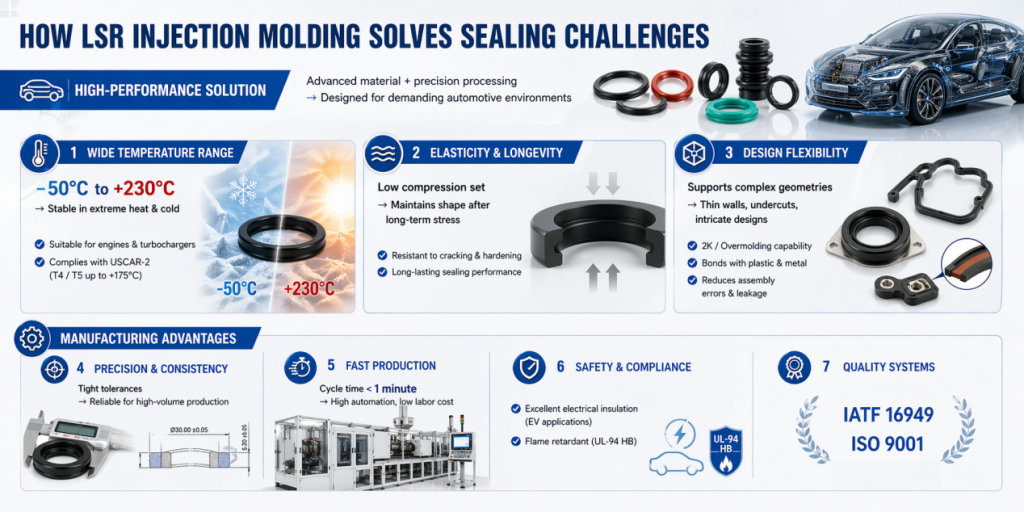
To meet the increasingly demanding conditions in modern vehicles, manufacturers are turning to liquid silicone rubber injection molding as a reliable and high-performance solution. By combining advanced materials with precise processing, this method directly addresses the core sealing challenges faced in automotive applications.
Wide Temperature Range
Depending on the grade, LSR can maintain useful mechanical properties across a wide service temperature range, commonly cited around -50°C to +180°C or higher for some specialty grades. This stability is critical for automotive components located near high-heat areas like engines and turbochargers, as well as those exposed to sub-zero climates.
Specifically, certain liquid silicone rubber injection molding technologies can comply with USCAR-2 Temperature Classifications T4 and T5, which cover ambient ranges up to +175°C for on-engine applications.
Elasticity & Longevity
A primary advantage of liquid silicone rubber molding is its low compression set, which measures a material’s ability to return to its original thickness after prolonged compressive stress. This characteristic, combined with its resistance to cracking or hardening over years of use, helps seals retain compression resistance and sealing performance over long service periods under automotive operating conditions.
Design Flexibility
The process supports intricate geometries, thin walls, and undercuts that are often impossible with traditional elastomers. Furthermore, multi-material assemblies are achieved through 2-Shot (2K) or overmolding techniques using liquid silicone rubber injection molding machine systems, where liquid silicone rubber is molded directly onto thermoplastic or metal substrates. This creates a permanent, high-integrity bond that eliminates the need for manual assembly of separate seals, thereby reducing the risk of assembly errors and leakage.
Beyond solving these core sealing challenges, the manufacturing process itself also brings several important production advantages that further enhance its value in automotive applications.
Precision and Consistency
Liquid silicone rubber injection molding is a highly controlled process that delivers consistent precision and tight tolerances. This repeatability is essential for high-volume production of safety-critical components, ensuring that every part meets exact specifications without material-quality-related issues.
Fast Production Cycles
The process is highly conducive to automation, featuring high curing speeds and short cycle times (actual results vary by part and tooling). Because parts are cured and finished inside the mold, there is minimal need for secondary trimming or manual finishing, which significantly increases throughput and reduces labor costs.
Safety and Compliance
Liquid silicone rubber offers exceptional dielectric strength and low conductivity, making it a vital material for insulating high-voltage components in electric vehicles (EVs). In addition to its electrical insulation performance, it also provides high flame retardancy, with specific grades meeting UL-94 HB ratings for fire safety.
To ensure that these safety and performance characteristics are consistently maintained in mass production, automotive suppliers typically operate liquid silicone rubber injection molding processes under stringent quality management systems such as IATF 16949 and ISO 9001. These systems help control process variation and ensure the stable production of sealing components.
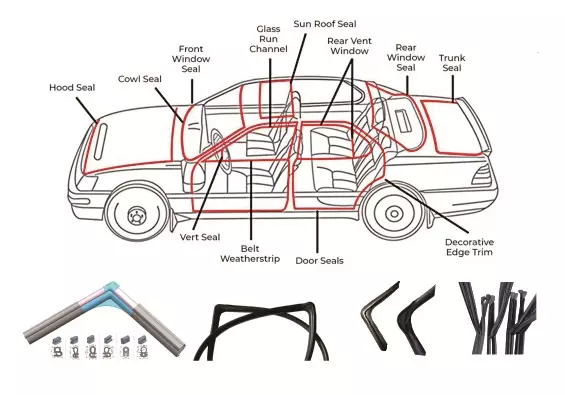
Which Automotive Parts Commonly Use LSR Injection Molding?
Once the performance advantages of advanced sealing solutions are understood, the next question becomes where these materials are actually applied inside a vehicle. Applications span multiple vehicle systems, from powertrains to interiors and electronics, each with its own functional requirements:
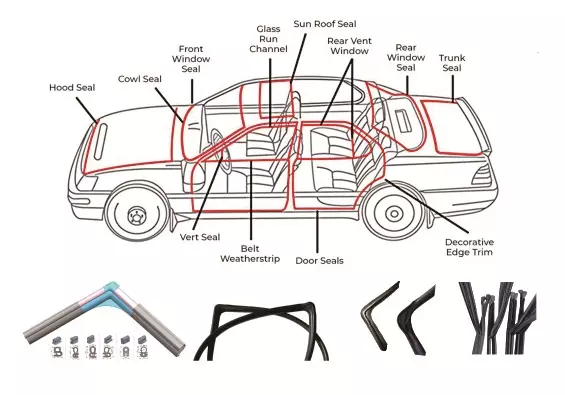
- Sealing Strips: Used along doors, windows, and body joints, sealing strips provide protection against water, dust, and wind while also reducing noise transmission into the cabin.
- Door Seals: Ensure a tight barrier between the vehicle body and doors, improving weather resistance and helping maintain interior comfort.
- O-Rings: Widely applied in engines, braking systems, and fluid control units, O-rings provide compact and reliable sealing under high-pressure and temperature conditions.
- Gaskets: Used between mechanical interfaces to prevent leakage of fluids or gases, ensuring stable operation of key automotive systems.
- Dust Boots: Installed in suspension and steering assemblies, dust boots protect moving joints from dirt, moisture, and road debris, helping extend service life.
- Protective Covers: Safeguard sensitive electronics such as sensors, control modules, and connectors from environmental exposure.
- Hose Connectors / Bellows: Enable secure movement and vibration absorption in fluid and air transfer systems.
- Switch and Button Covers: Used in interior and exterior control systems, these covers provide environmental protection while maintaining functional responsiveness.
- Lens Seals / Lighting Seals: Prevent water and dust ingress in lighting systems such as headlights and taillights, ensuring consistent illumination and safety.
- Airbag Covers & Interior Soft Components: Combine flexibility and structural stability, supporting safety functions while maintaining design and tactile requirements.
Future Trends in Automotive LSR Injection Molding
As automotive design shifts toward electrification and software-driven vehicle systems, sealing components are no longer just passive protective parts—they are becoming integrated functional elements within batteries, electronics, and intelligent modules.
This change is pushing liquid silicone rubber injection molding into new application areas where performance requirements are more specific, more technical, and more tightly linked to system-level safety.
Electrification and High-Voltage System Integration
As electric vehicles continue to grow, vehicle systems are increasingly operating under higher voltage and tighter packaging conditions. This raises new requirements for sealing and protection, where failures can directly impact electrical safety and system stability.
In this context, the application of liquid silicone rubber is shifting from conventional sealing solutions toward high-performance, system-integrated designs. LSR is increasingly adopted in battery sealing, EV connectors, and high-voltage sensor protection, driven by its ability to deliver consistent insulation, thermal stability, and chemical resistance under demanding operating conditions. At the same time, the trend is toward multi-functional, compact LSR components that can support both sealing and electrical reliability in high-voltage architectures.
Autonomous and Intelligent Vehicle Systems
The rise of autonomous driving is increasing the number of sensors and electronic control units in vehicles. At the same time, these systems are becoming more exposed due to distributed and compact design layouts.
As a result, LSR molding is evolving to support highly precise and application-specific sealing solutions for sensor and control systems. The trend is toward micro-scale, low-tolerance LSR components that can protect sensitive electronics without interfering with signal transmission, optical clarity, or sensor accuracy. Additionally, integration with multi-material and overmolding processes is becoming more common, enabling LSR to play a critical role in the reliability and miniaturization of intelligent vehicle systems.
Next-Generation Lightweight and Integrated Manufacturing
Future vehicle design is increasingly focused on reducing weight while improving functional integration. Liquid silicone rubber injection molding supports multi-material overmolding, micro-precision structures, and complex geometries, enabling the development of compact, multifunctional components. When processed through a modern liquid silicone rubber injection molding machine, it also allows efficient mass production of highly customized parts without sacrificing consistency.
How to Choose the Right LSR Injection Molding Manufacturer?
Selecting the right partner for liquid silicone rubber injection molding is critical in ensuring product performance, production stability, and long-term reliability in automotive applications. Beyond basic manufacturing capability, the focus should be on technical depth, quality control, and system-level support.
1.Experience in Automotive Applications
Instead of only checking years in business, focus on whether the manufacturer has direct experience in producing automotive LSR parts with similar function and performance requirements. This includes sealing components, electrical insulation parts, or high-temperature resistant applications. Evidence such as existing automotive project references or stable mass production cases is more important than sample prototypes.
2.Quality and Compliance
In liquid silicone rubber injection molding, quality control must cover the entire process rather than only final inspection. Check whether the manufacturer operates under automotive-grade systems such as IATF 16949 and ISO standards, and whether they have in-process control for parameters like mixing ratio, curing temperature, and dimensional stability. Consistent batch performance is a key indicator of reliability.
3.Capabilities and Equipment
Production capability should be assessed from both molding precision and process stability. A capable supplier should use stable liquid silicone rubber injection molding machine systems, support multi-cavity molds for high-volume production, and maintain tight tolerance control for complex geometries. Mold design capability is equally important, especially for parts requiring sealing accuracy or micro-structures.
4.Support and Services
Technical support should be evaluated based on how early it is integrated into the project and how actionable the feedback is. A reliable manufacturer should be able to review part design from a manufacturability perspective, provide concrete suggestions for improving moldability in liquid silicone rubber molding, and support prototype validation before tooling. During mass production, they should also have defined troubleshooting response mechanisms to handle process drift, defect issues, or material variation.
Recommended Liquid Silicone Rubber Manufacturer: Hwayi
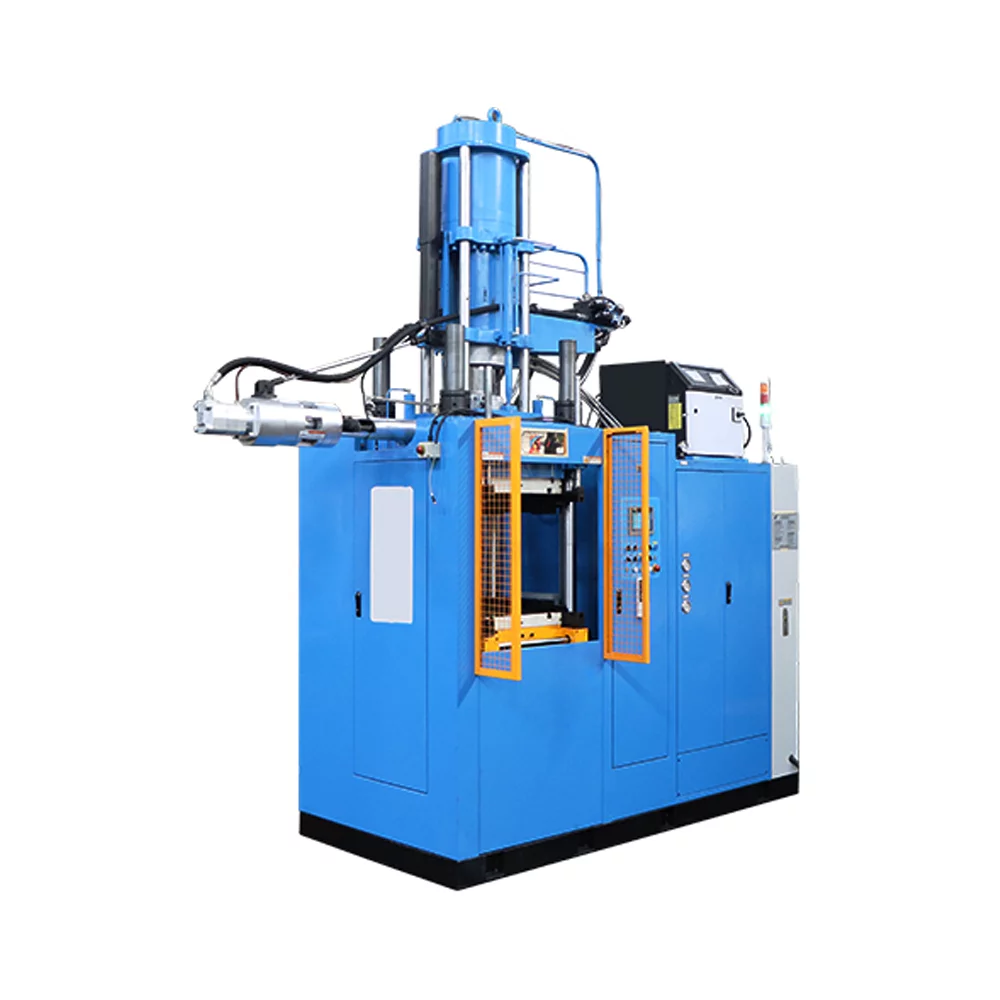
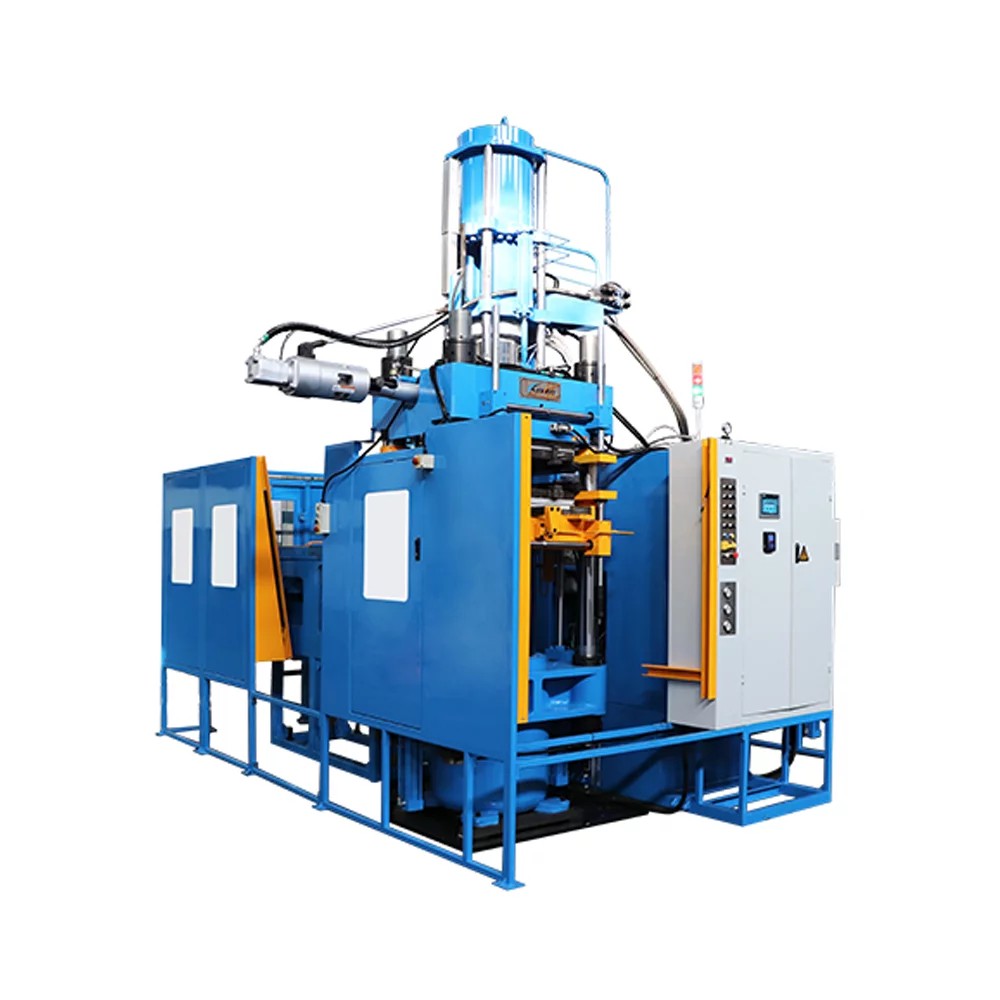
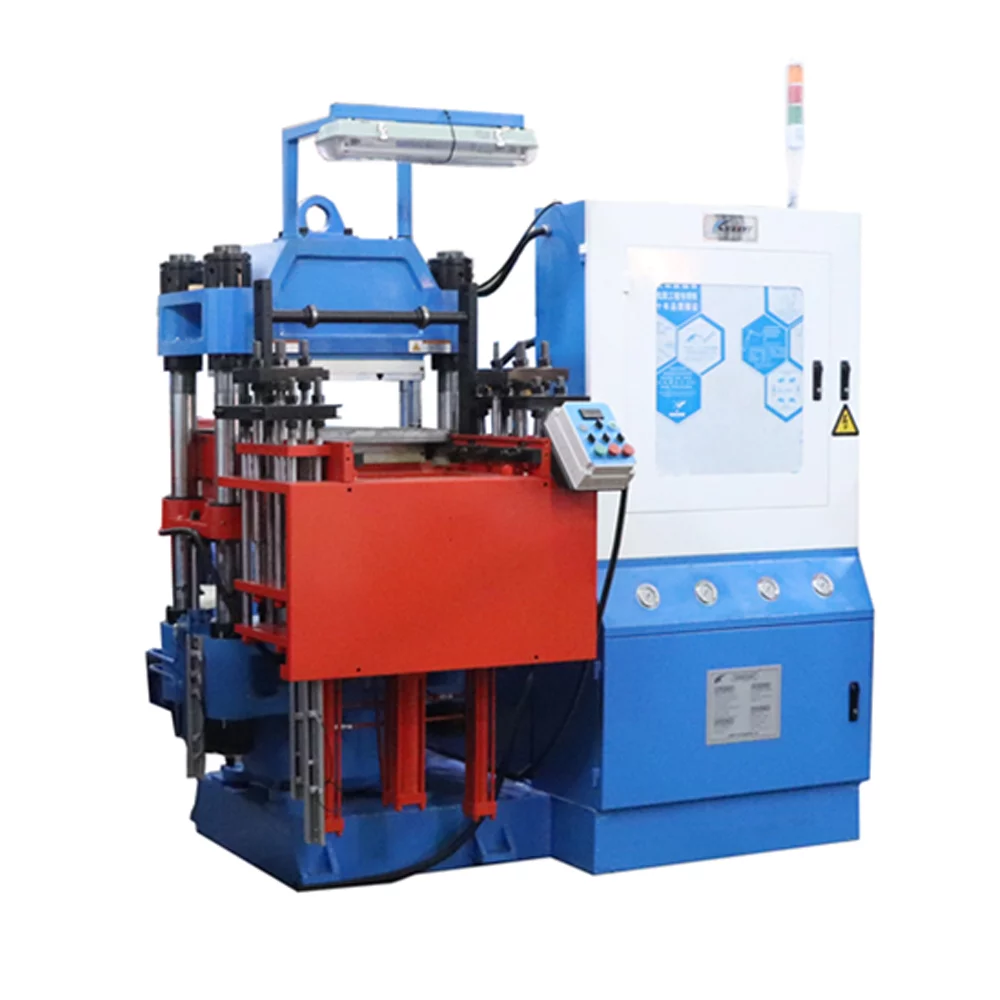
The Hwayi LSR Molding production line Machines are designed for liquid silicone rubber injection molding applications, particularly in high-precision production environments. It adopts a tiebar-less clamping structure, providing a larger working space and easier mold installation. In addition, the machine features a closed-loop injection control system, ensuring stable pressure control and consistent molding performance during production.
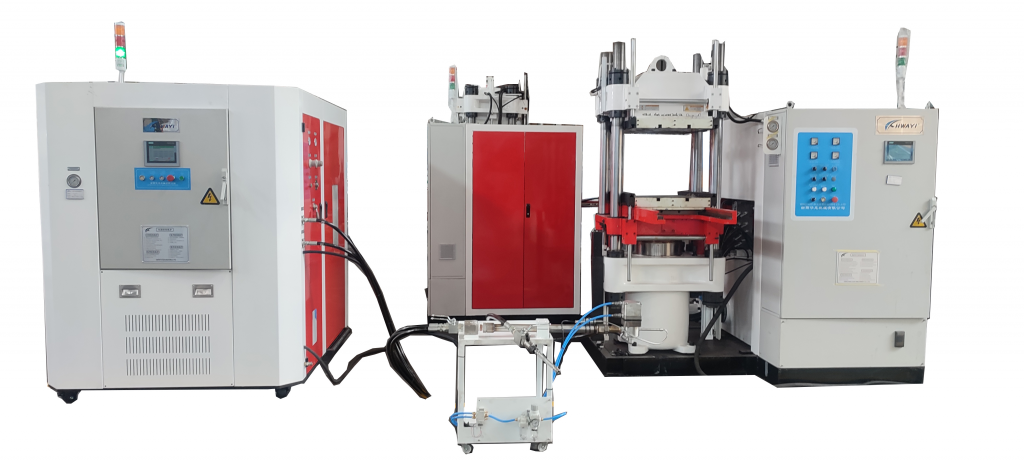
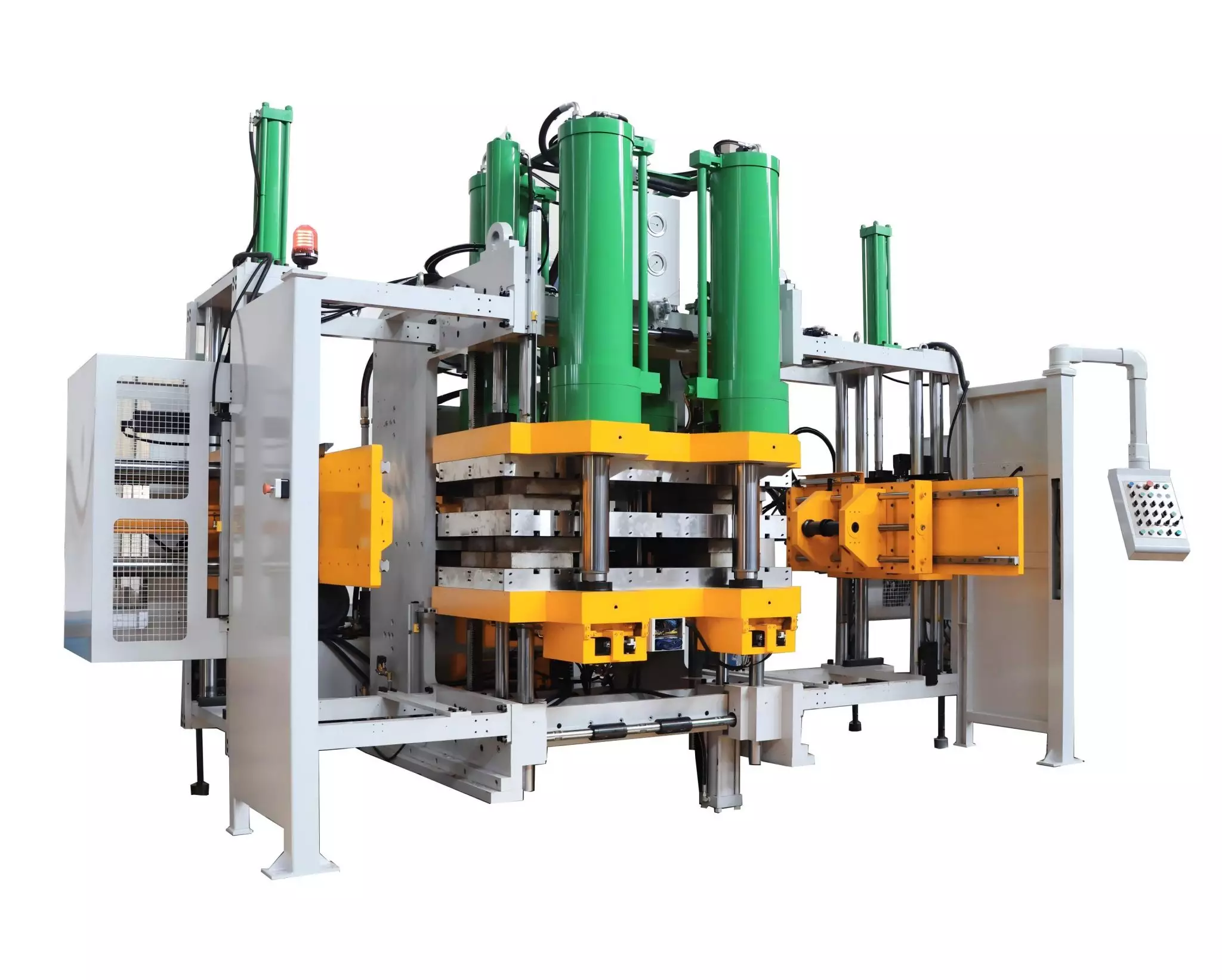
Hwayi LSR production line:Compression press+LSR dosing& metering machine
A&B Two-components static mixing and precise metering
It can also be integrated with LSR dosing and pumping systems to form a complete processing solution, supporting stable and repeatable liquid silicone rubber molding. As a result, the system is suitable for producing complex components with high precision requirements, including automotive LSR parts used in sealing and insulation applications, while delivering reliable performance in industrial-scale manufacturing.
Conclusion
Liquid silicone rubber injection molding plays a key role in enabling high-performance automotive sealing solutions, supporting reliability, precision, and long-term durability as vehicles become more electrified and integrated.
With extensive experience, Hwayi provides proven LSR injection molding solutions backed by strong engineering capability and global application experience. For more information or project consultation, please contact us to discuss your requirements.
References
- https://www.accu-mold.com/lsr-micro-optics/
- https://siliconemakers.com/lsr-injection-molding-auto-parts/