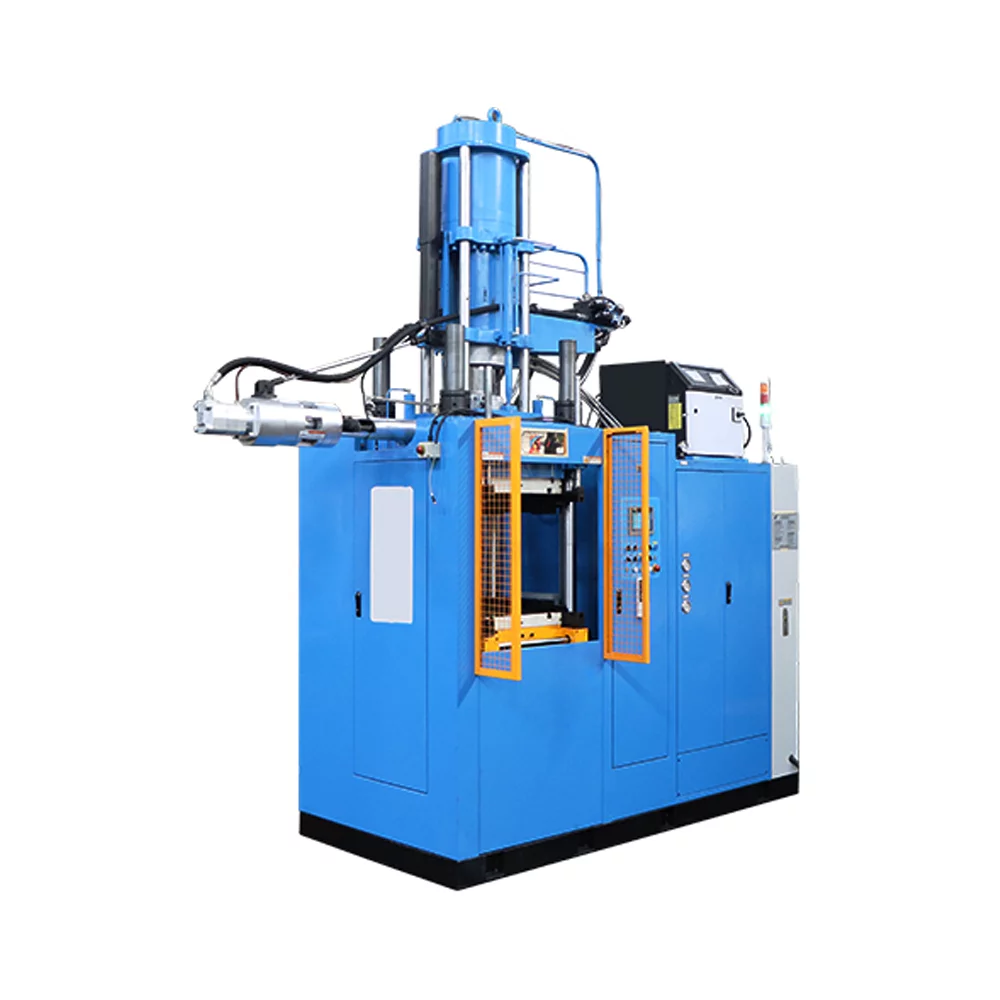
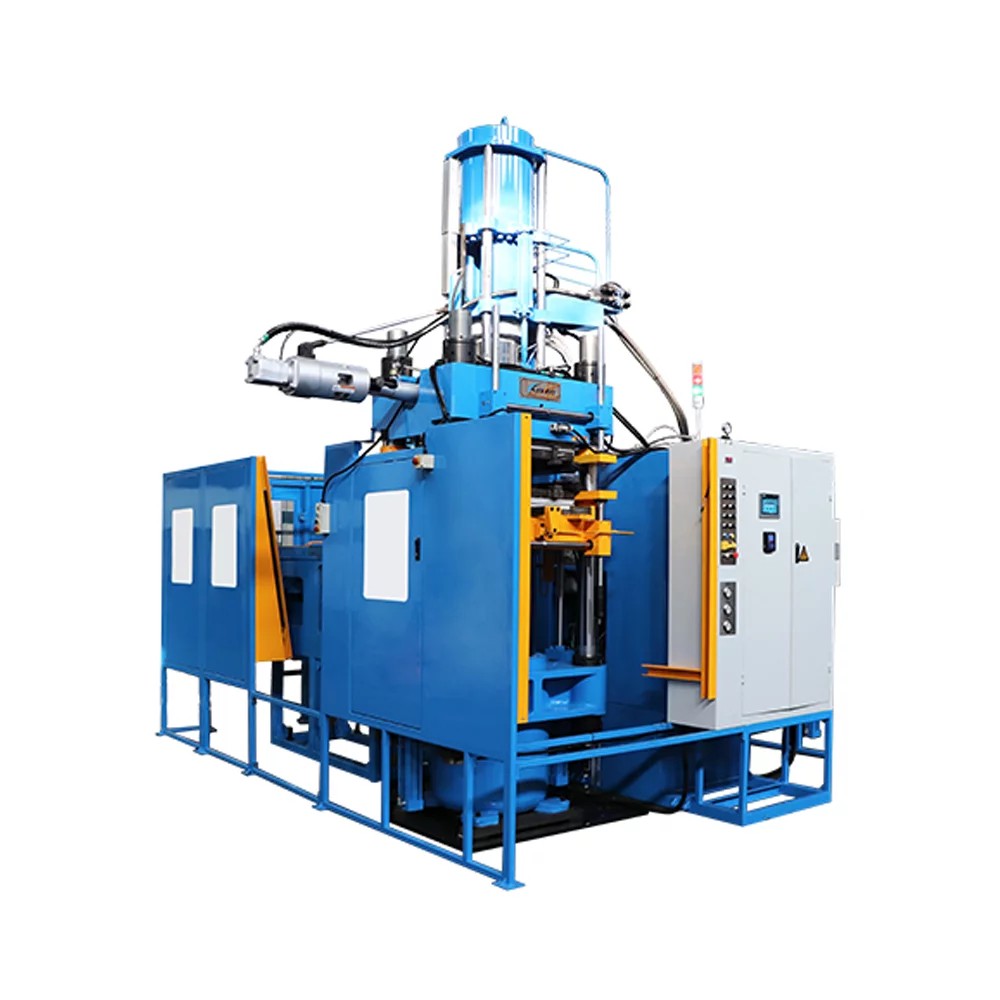
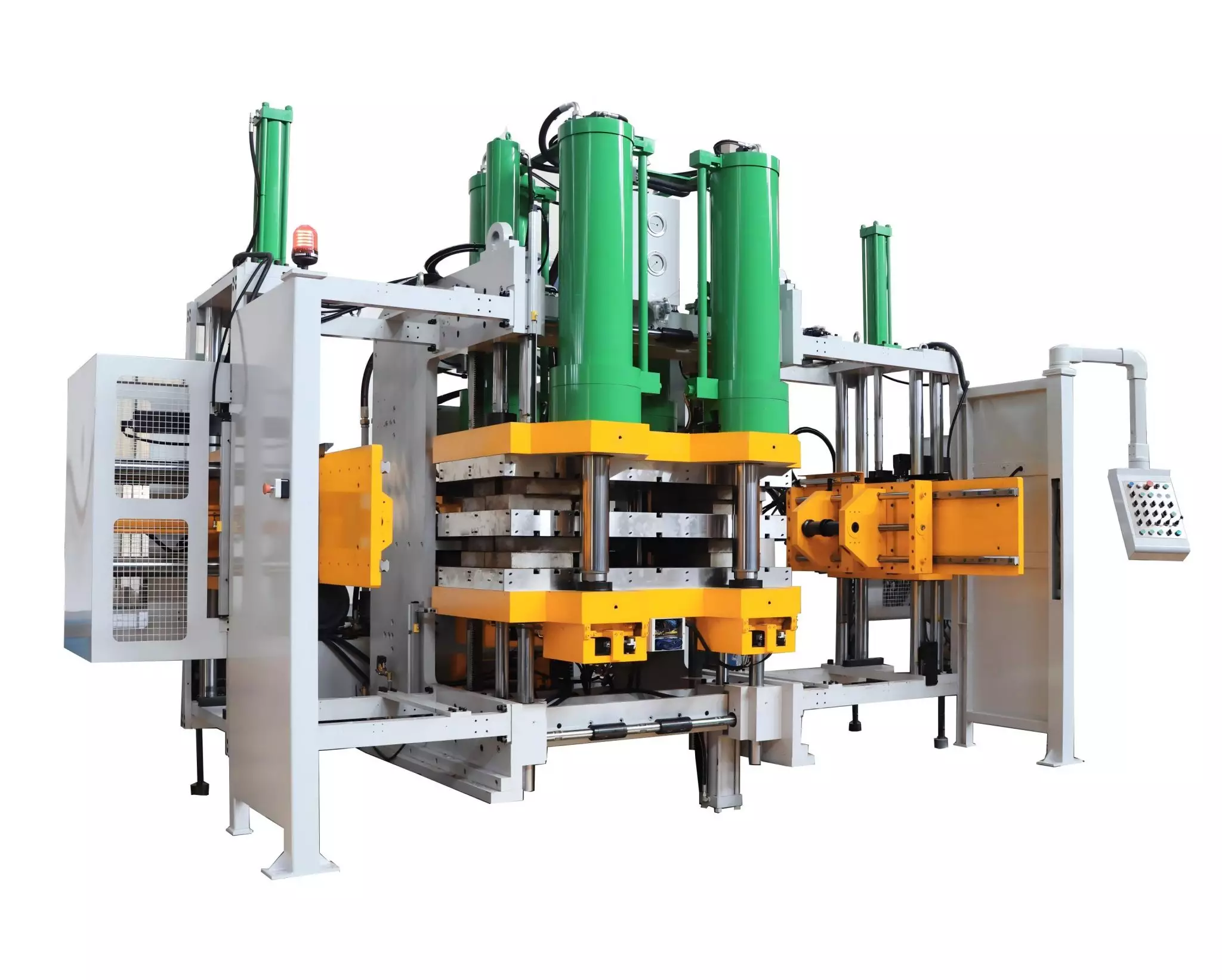
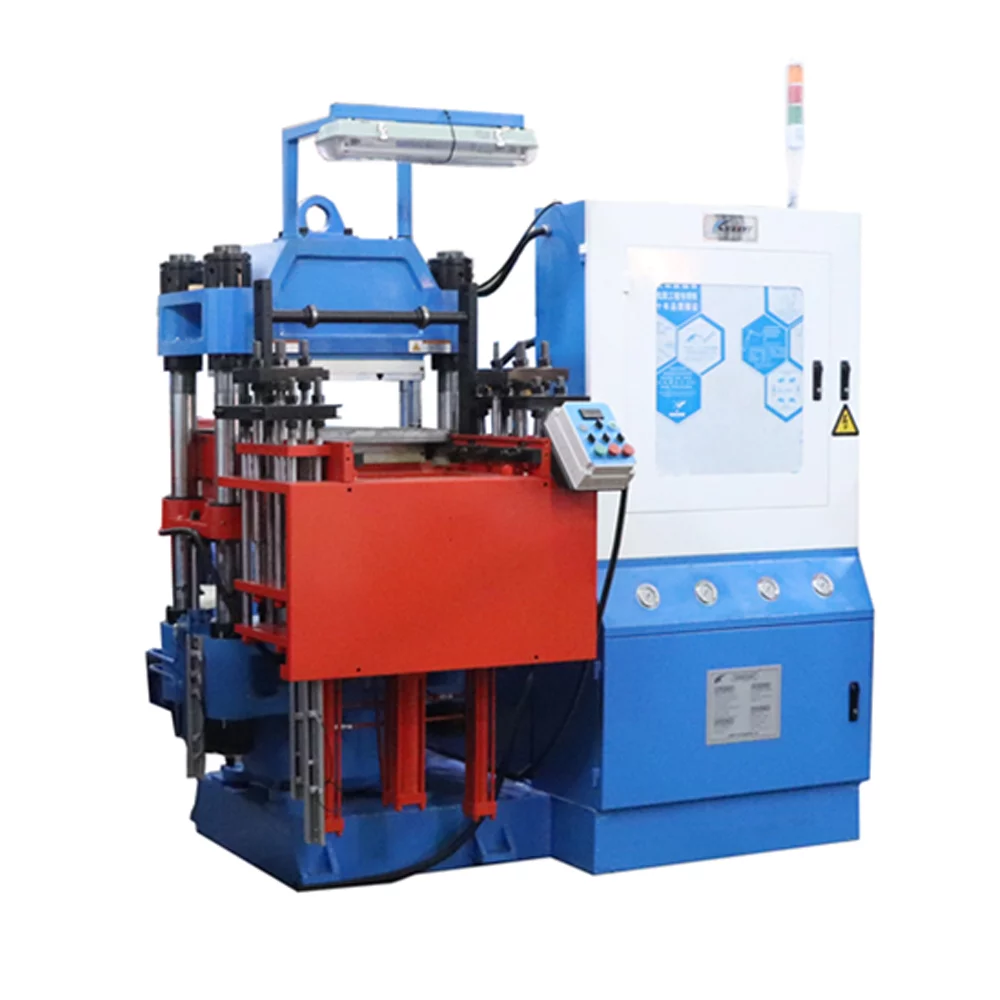
In industrial rubber processing, the performance of a horizontal injection molding machine is closely connected to how its internal screw is designed. At HWAYI, we focus on understanding how material flow, pressure stability, and plasticization efficiency interact inside equipment such as the horizontal rubber injection molding machine, because these factors directly influence production consistency for B2B manufacturing users.
Material Conveying and Mixing Behavior
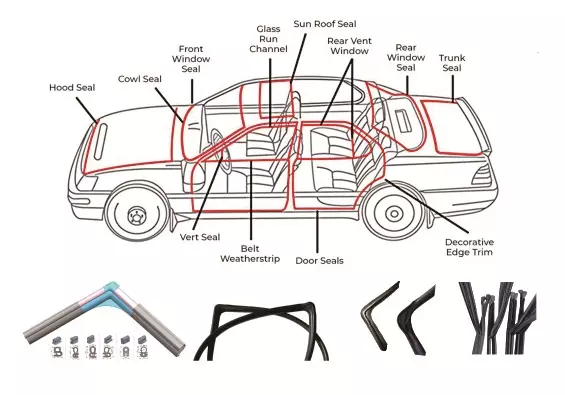
Inside a horizontal injection molding machine, the screw is responsible for transporting and plasticizing rubber compounds before injection. A well-designed screw improves material conveying stability, reducing the risk of uneven feeding. In our experience at HWAYI, different rubber formulations used in automotive sealing or electrical components require adjusted screw geometry to maintain consistent mixing behavior. When the screw design supports uniform plasticization, the process stability is improved, especially in continuous production environments. This also helps reduce material degradation under heat and improves overall cycle repeatability, which is essential for stable industrial output across long production runs in varied operating conditions. We continuously refine screw configurations to match evolving application requirements precisely.
Plasticization Efficiency and Process Stability
The efficiency of plasticization in a horizontal rubber injection molding machine is strongly influenced by screw compression ratio and channel depth. A balanced design helps maintain stable temperature distribution during processing, which is essential for rubber materials that are sensitive to heat variation. Within HWAYI’s equipment systems, screw optimization is considered together with barrel heating zones to support stable viscosity control. This coordination ensures that the horizontal injection molding machine can maintain consistent shot quality across different production cycles without unnecessary fluctuations.
Pressure Control and Injection Accuracy
Another important function of screw design in a horizontal injection molding machine is pressure generation during the injection stage. If the screw geometry does not match material characteristics, pressure instability may occur, affecting final product density and dimensional accuracy. In HWAYI systems, we align screw parameters with mold requirements to help stabilize injection pressure, especially for applications such as seals, insulators, and rubber structural components produced on the horizontal rubber injection molding machine.
Conclusion
Screw design plays a central role in determining how a horizontal rubber injection molding machine performs in real production conditions. From material conveying to plasticization and pressure control, each design detail influences the stability of a horizontal injection molding machine. At HWAYI, we integrate screw configuration considerations into our equipment development approach to support consistent industrial rubber processing. This allows our systems to better adapt to varied B2B manufacturing needs without compromising process reliability.