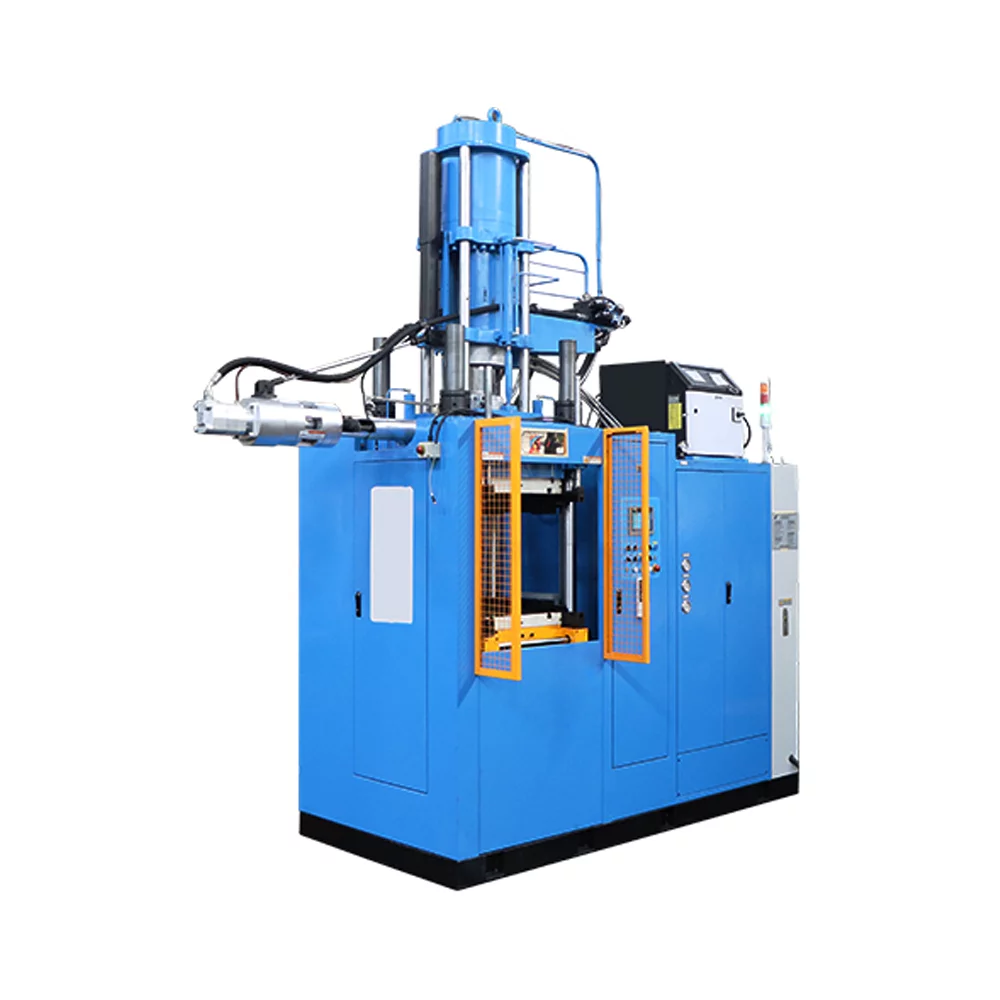
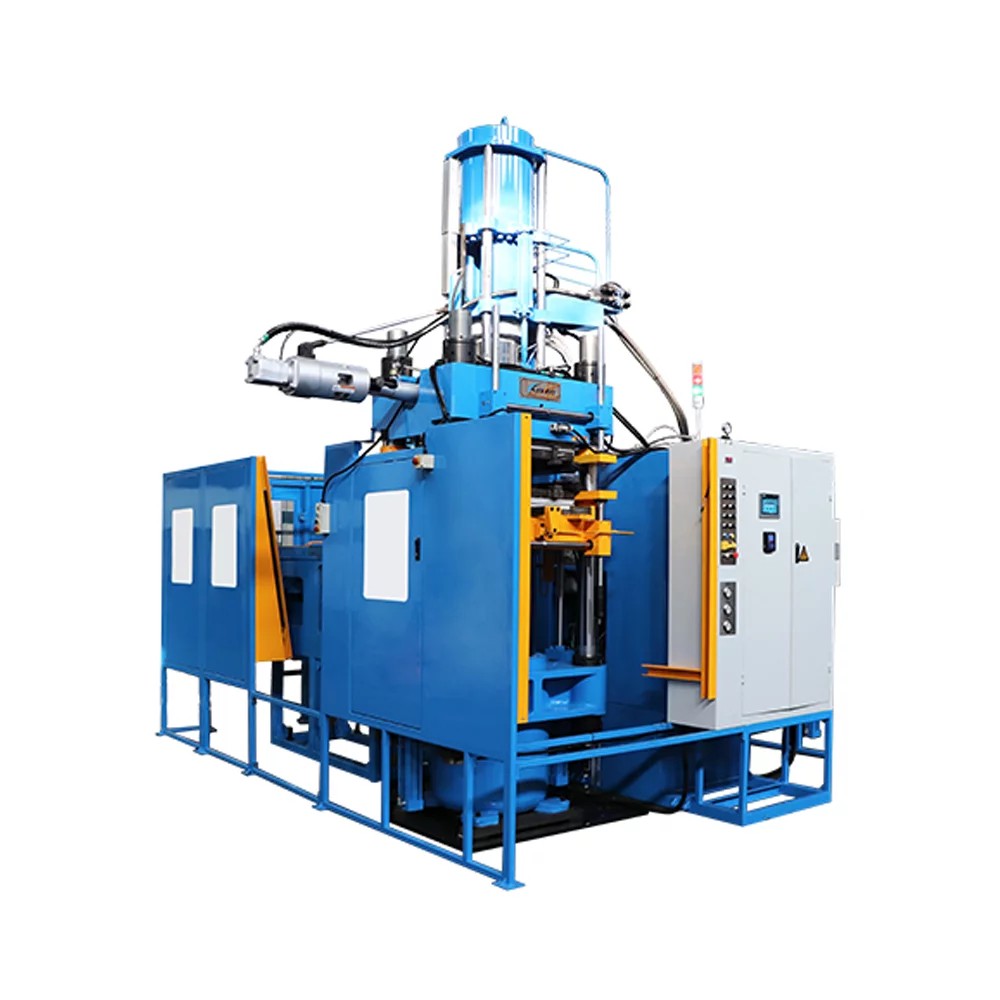
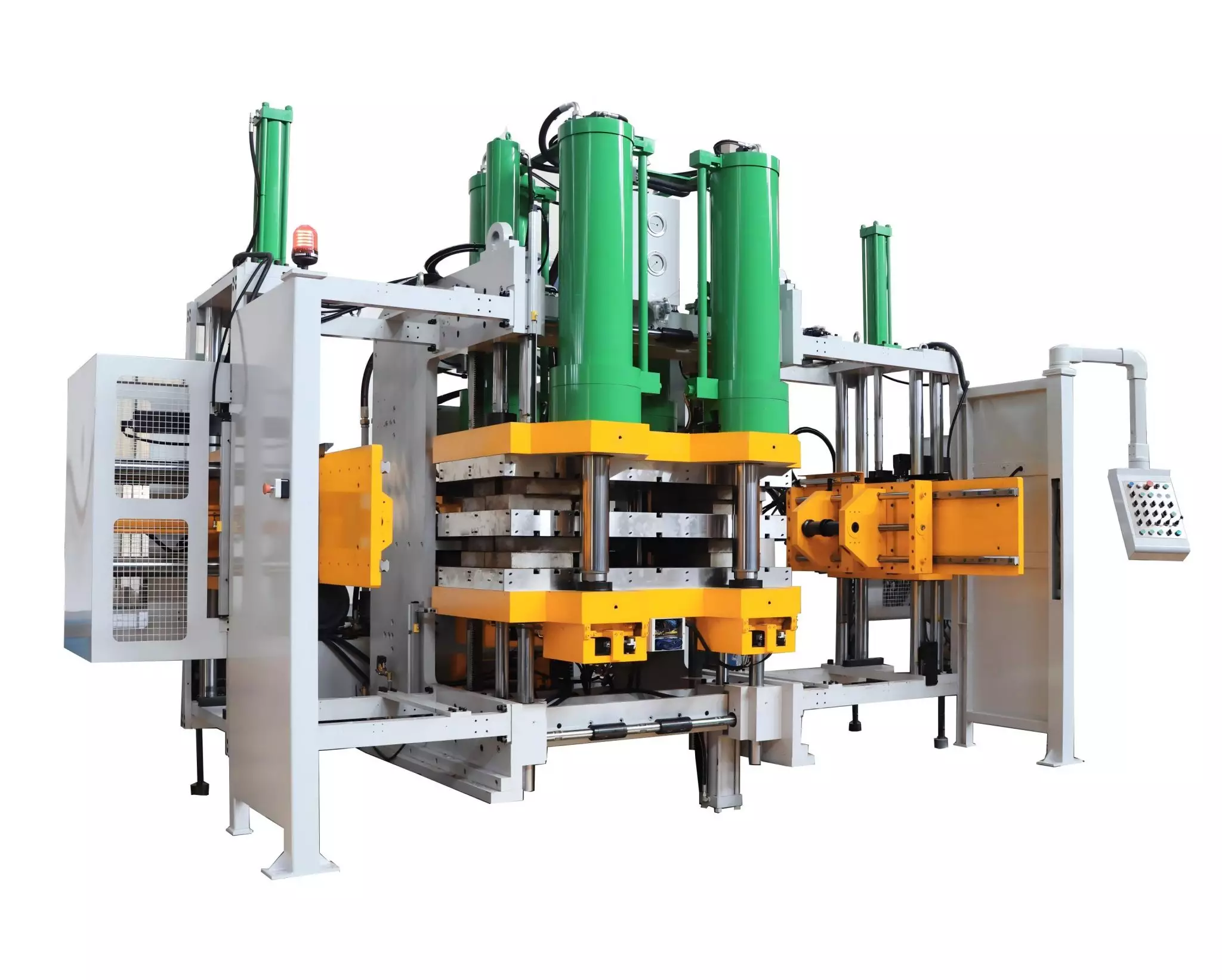
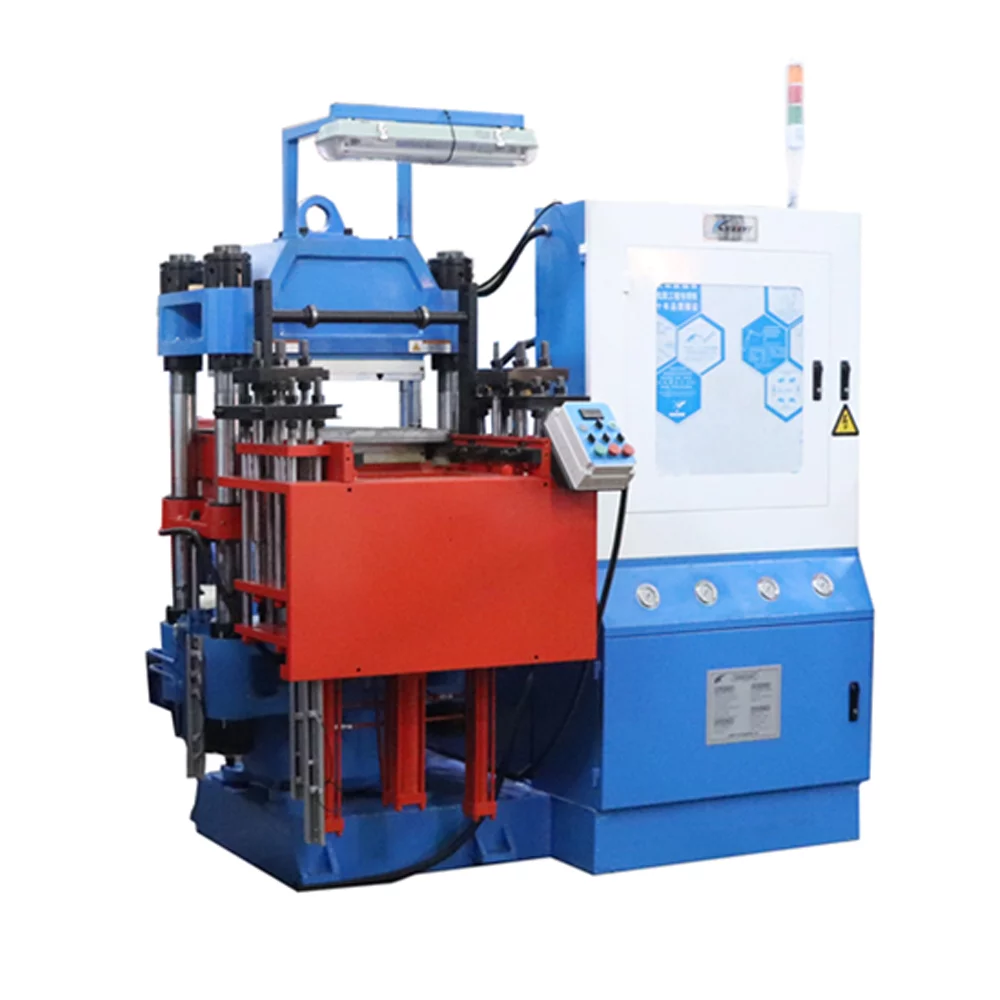
At HWAYI, we often discuss how clamping force selection influences stability and product quality in industrial molding applications. In a horizontal rubber injection molding machine, the clamping force must be matched with material flow, cavity design, and mold structure to ensure consistent output. The same principle applies in a horizontal injection molding machine, where improper force selection may lead to flash, incomplete filling, or unnecessary wear on tooling. Our engineering approach focuses on evaluating process requirements rather than relying on fixed assumptions, allowing us to guide customers toward balanced configurations that support long-term production efficiency and equipment reliability. HWAYI continues to refine process guidance for various rubber molding scenarios, ensuring optimal clamping force selection in daily production. This commitment consistently supports the worldwide operations of our manufacturing partners.
Clamping Force and Process Balance in Machine Design
Clamping force selection in industrial molding systems depends on multiple interacting factors that influence how materials behave during injection and curing processes. In a horizontal rubber injection molding machine, structural rigidity and mold size directly affect the required clamping force setting. For a horizontal injection molding machine, operators must consider pressure distribution and material viscosity to avoid deformation or leakage. Within HWAYI engineering practice, these parameters are evaluated together to ensure that each system configuration aligns with application requirements across automotive and electrical sectors. By refining clamping force evaluation methods, HWAYI supports customers in achieving stable molding conditions while maintaining operational efficiency and consistent process control across varied global production settings.
Application Considerations in Rubber Injection Systems
From a production perspective, selecting appropriate clamping force is closely linked to product geometry and material behavior under high-pressure conditions. In a horizontal rubber injection molding machine, stable force distribution helps reduce cycle variation and improve molding consistency. Similarly, a horizontal injection molding machine requires careful calibration of clamping force to match different mold configurations. At HWAYI, we integrate these considerations into our machine design and testing process to ensure that customers receive consistent operational performance across varied industrial environments. This approach allows HWAYI to align equipment capability with real manufacturing requirements, ensuring that clamping force decisions remain practical, adaptable, and consistent across different rubber molding applications in industrial settings worldwide use.
Conclusion
We recognize that clamping force selection in industrial molding is not determined by a single parameter but by a combination of machine structure, material properties, and application requirements. Within HWAYI, our engineering perspective emphasizes practical evaluation rather than isolated calculation, ensuring that every solution aligns with real production conditions. In a horizontal rubber injection molding machine, force balance plays a key role in achieving stable molding performance, while in a horizontal injection molding machine, operators adjust parameters based on mold complexity and material flow behavior. At HWAYI, these factors are integrated into our design review process to ensure that equipment configuration supports consistent quality, efficient operation, and reliable performance across diverse industrial applications with careful consideration of practical manufacturing constraints and customer needs in real production environments.