Liquid silicone rubber (LSR) injection molding requires consistent material delivery, accurate injection control, and reliable curing conditions. For manufacturers producing precision components, successful initial samples do not automatically demonstrate a stable production process. Validation must establish that the equipment repeatedly produces parts meeting defined quality requirements under controlled operating conditions.
At HWAYI, we develop rubber injection molding machinery with a focus on structural stability, precise control, and reliable performance. By understanding the main stages of process validation, manufacturers can identify sources of variation, improve production consistency, and make informed decisions when selecting an LSR molding machine for industrial applications.
Establish Clear Process Validation Criteria
Manufacturers should begin by defining critical process parameters and measurable product requirements. LSR processing typically involves metering and mixing two liquid components before injection into a mold, followed by curing under controlled conditions. Variations in these stages can influence filling, curing, dimensions, and surface quality.
The validation plan should specify material requirements, injection pressure and speed, mold temperature, curing time, and other application-dependent settings. Product acceptance criteria may include dimensions, hardness, appearance, and functional performance.
These requirements provide a consistent basis for evaluating production results. Rather than relying on operator judgment alone, manufacturers should establish documented limits and inspection methods before conducting validation trials.
Verify Material Metering and Mixing Accuracy
Consistent material preparation is fundamental to LSR process stability. The two components must be supplied in the ratio specified by the material manufacturer and mixed adequately before injection. Incorrect proportioning or inconsistent delivery can interfere with curing and cause variations in finished-part properties.
Manufacturers should inspect the metering system, check for leakage or obstruction, and verify that component delivery remains consistent throughout production. Material storage conditions and handling procedures also deserve attention because changes in material condition can affect processing behavior.
When evaluating an LSR molding machine, buyers should assess the compatibility of its injection equipment with the required metering and mixing system. A coordinated setup helps manufacturers maintain repeatable material delivery and investigate process deviations more effectively.
Monitor Injection Control and Mold Temperature
Injection conditions and mold temperature directly influence filling and curing. Manufacturers should record relevant pressure, speed, and timing data while checking whether the mold fills completely without excessive flash, trapped air, or incomplete sections.
Mold temperature requires particular attention because heat initiates the curing reaction. Uneven heating can produce inconsistent curing across a component, especially when its geometry includes different wall thicknesses or complex features. Actual temperature conditions should therefore be verified at relevant mold locations.
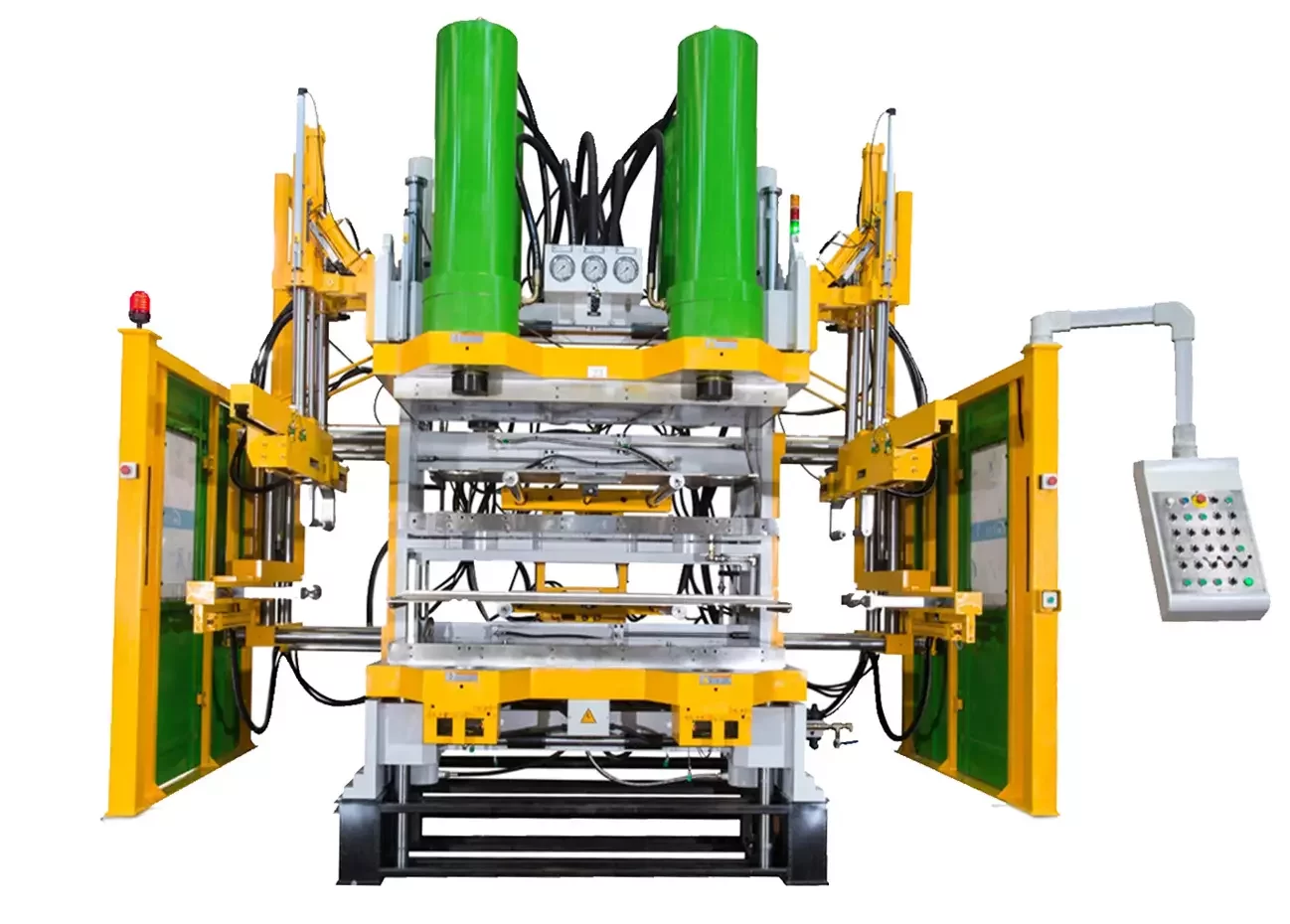
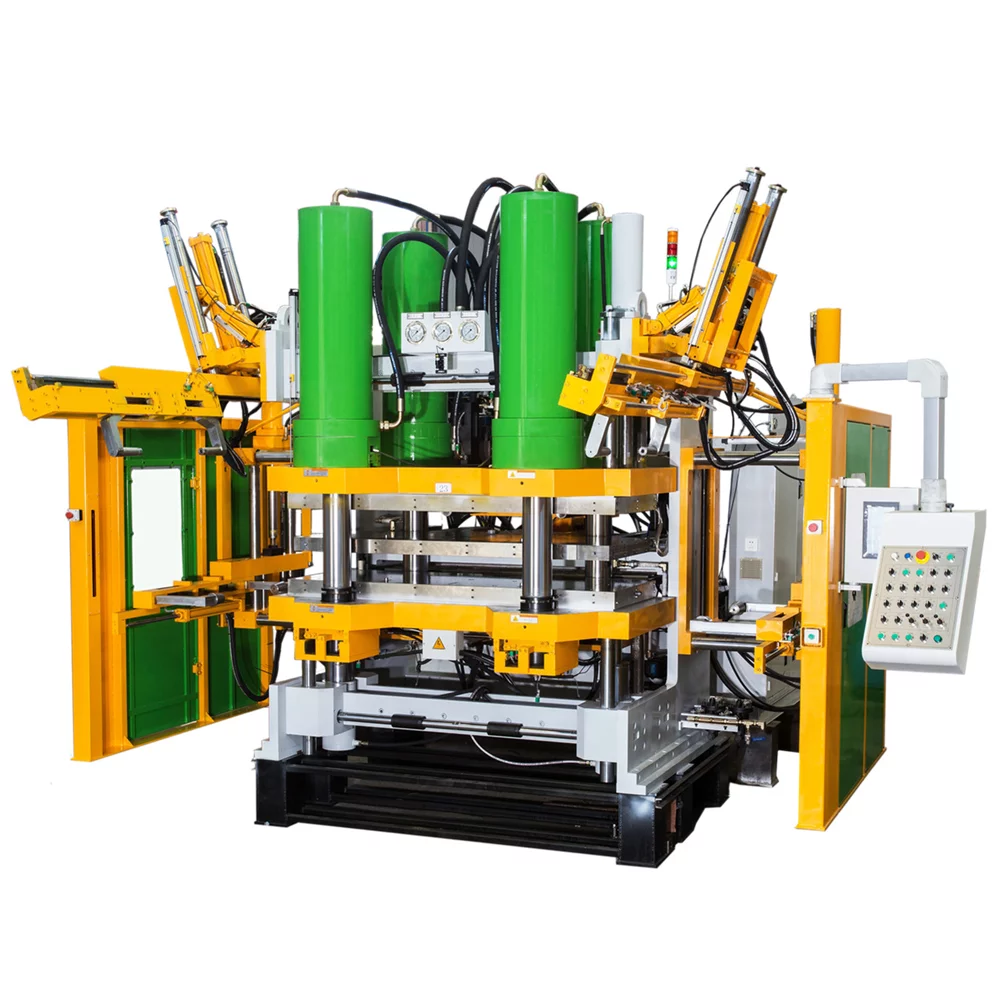
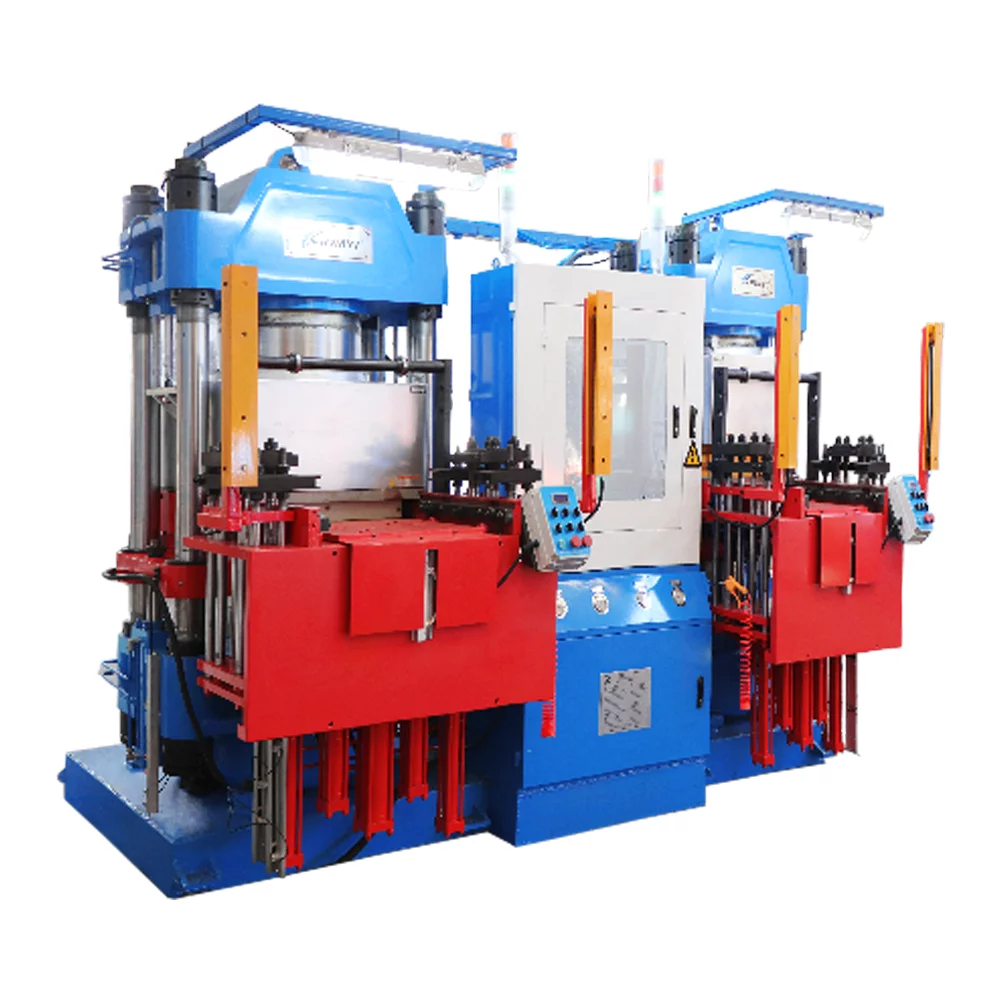
At HWAYI, our LSR injection molding machine features closed-loop injection control, allowing different pressure and speed settings to be configured for different mold requirements. Our clamping unit and machine base are designed for stability and parallelism, supporting consistent mold operation. These features can help engineers control injection and clamping conditions during validation, but they do not replace finished-part testing.
Conduct Repeatability Trials Across Multiple Cycles
A process is not validated simply because several initial parts pass inspection. Manufacturers need repeated production cycles under documented conditions to determine whether the equipment and process can consistently meet established requirements.
During these trials, teams should collect measurements from representative parts and compare them with specification limits. Statistical process control can help identify trends, sudden shifts, or unusual variation. Where appropriate, process capability indices such as Cp and Cpk can assess how consistently a stable process operates within its specification limits.
Testing should also reflect realistic production conditions, including relevant material batches and normal operating schedules. Any adjustment to machine settings should be documented alongside its effect on product quality.
When comparing LSR injection molding machine manufacturers, procurement and engineering teams should request evidence of repeatability testing, parameter monitoring, and documented acceptance criteria. These records provide a more meaningful basis for equipment selection than a demonstration using only a few samples.
Inspect Finished Parts and Investigate Deviations
Machine readings alone cannot confirm product quality. Manufacturers should inspect finished components against their drawings and functional requirements, adding mechanical or performance tests when the application demands them.
Common defects can help direct troubleshooting. Flash may indicate inadequate mold sealing, excessive cavity pressure, or unsuitable clamping conditions. Bubbles and voids may relate to trapped air or venting problems. Incomplete filling and inconsistent curing may require investigation of material delivery, injection settings, mold temperature, or cycle timing.
Corrective actions should follow a structured investigation rather than repeated, undocumented adjustments. After identifying a likely cause, manufacturers should repeat relevant trials to confirm that the solution produces consistent results.
Maintain Control After Initial Qualification
Process stability must continue beyond initial validation. Preventive maintenance, calibration, operator training, material traceability, and documented operating procedures help preserve established production conditions.
Changes to material grades, molds, equipment components, or critical process settings should undergo risk assessment to determine whether revalidation is necessary. Production records should also connect inspection results with relevant batches and operating parameters, making deviations easier to investigate.
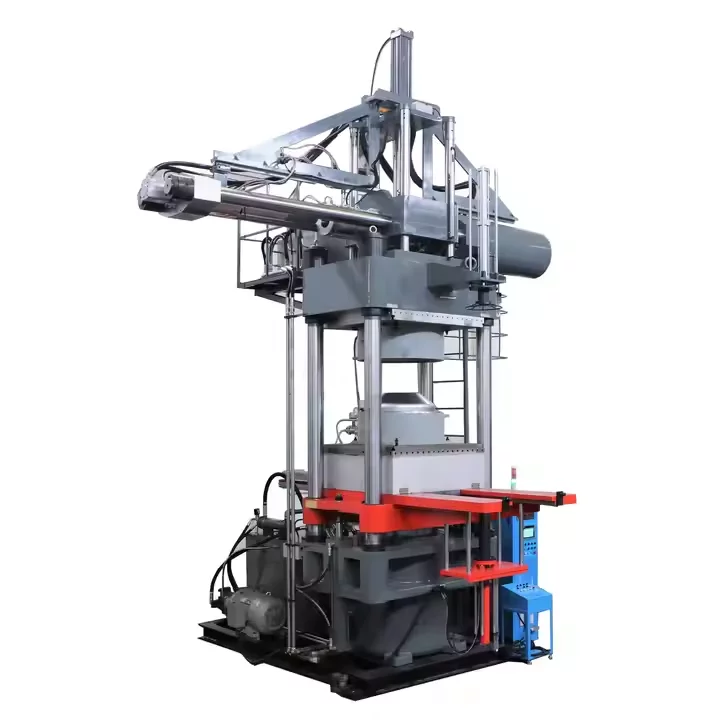
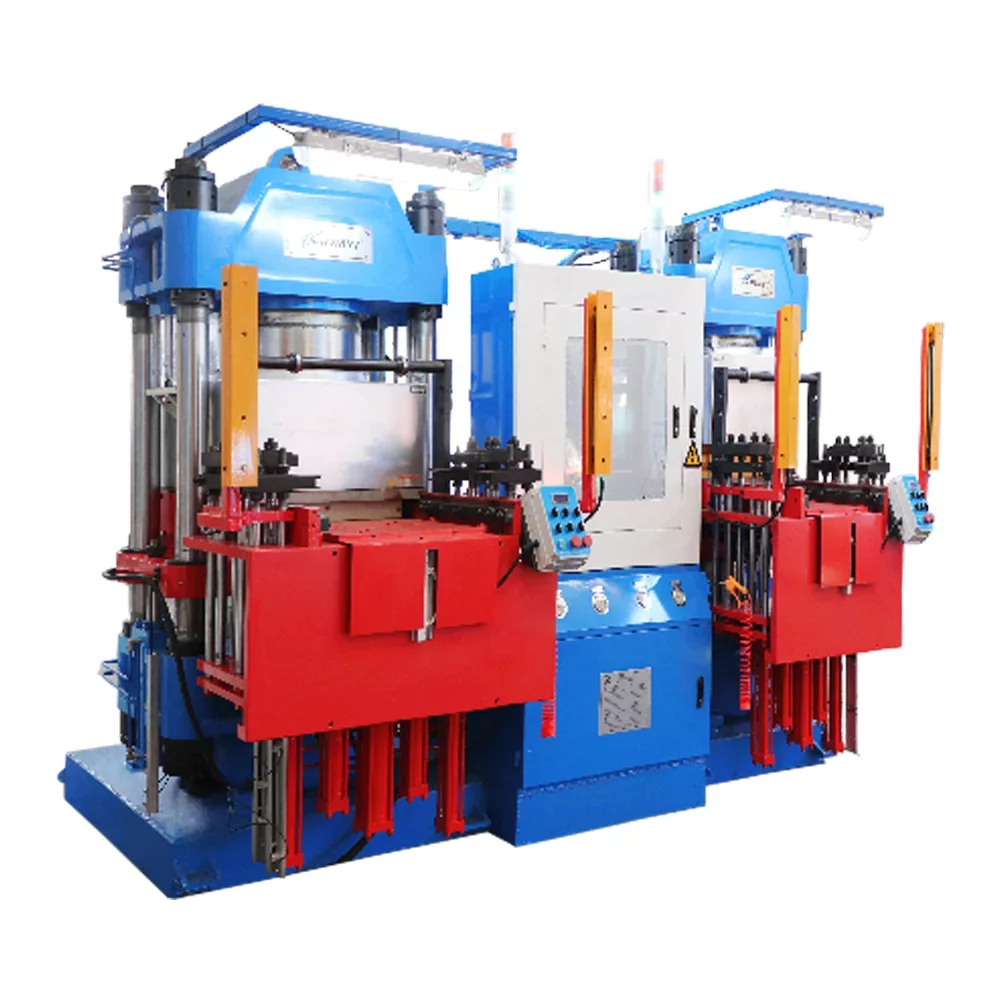
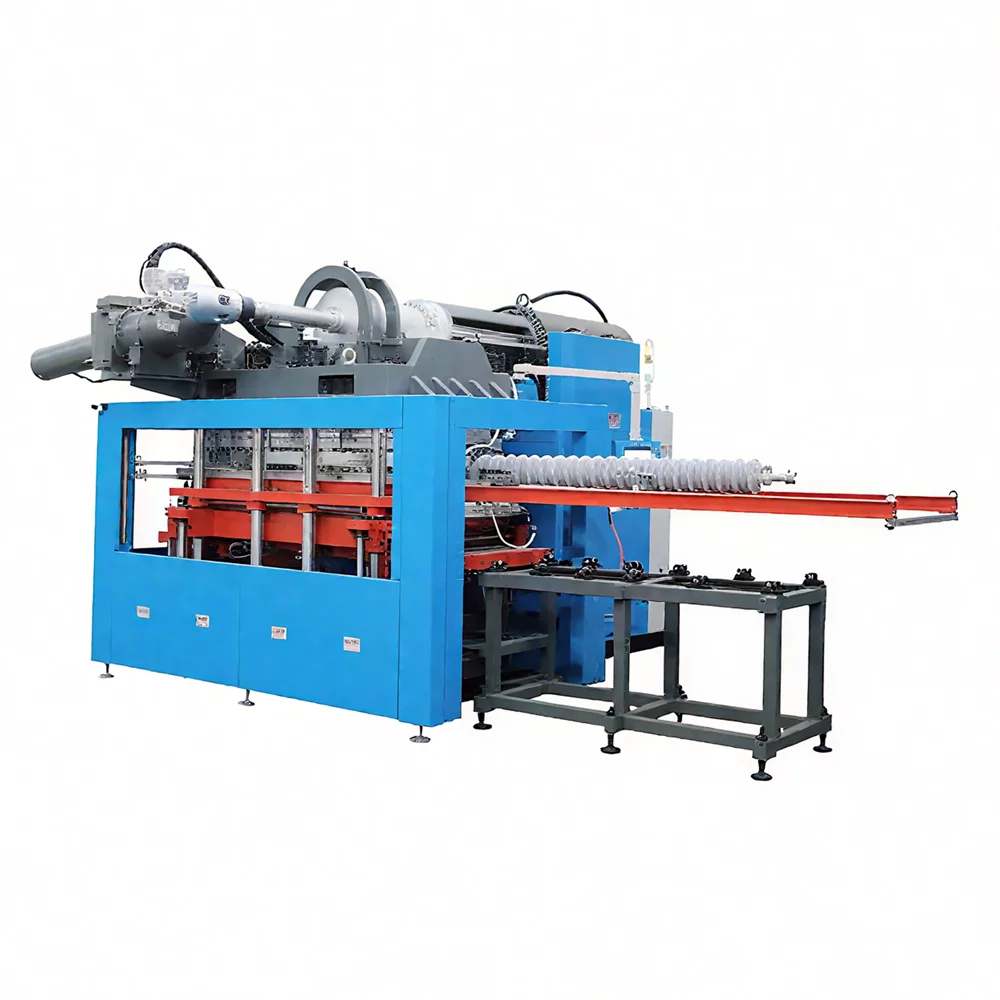
At HWAYI, we can provide LSR clamping machines, pumping machines, metering machines, and molds as part of a turnkey project. This coordinated approach helps customers evaluate the production system as a whole rather than treating the injection unit as an isolated component.
When selecting among LSR injection molding machine manufacturers, buyers should consider equipment configuration, application compatibility, technical support, and the ability to establish measurable validation procedures.
Build Long-Term Confidence Through Process Validation
Reliable LSR manufacturing depends on controlling material preparation, injection conditions, mold temperature, curing, and finished-part quality as an integrated system. Repeatability trials and documented corrective actions help manufacturers distinguish genuine process stability from temporary success during sampling.
At HWAYI, we focus on stable machine structures, closed-loop injection control, and coordinated equipment solutions to support industrial rubber processing. By matching machine capabilities to product requirements and validating performance systematically, manufacturers can establish a stronger foundation for consistent quality and dependable long-term production.