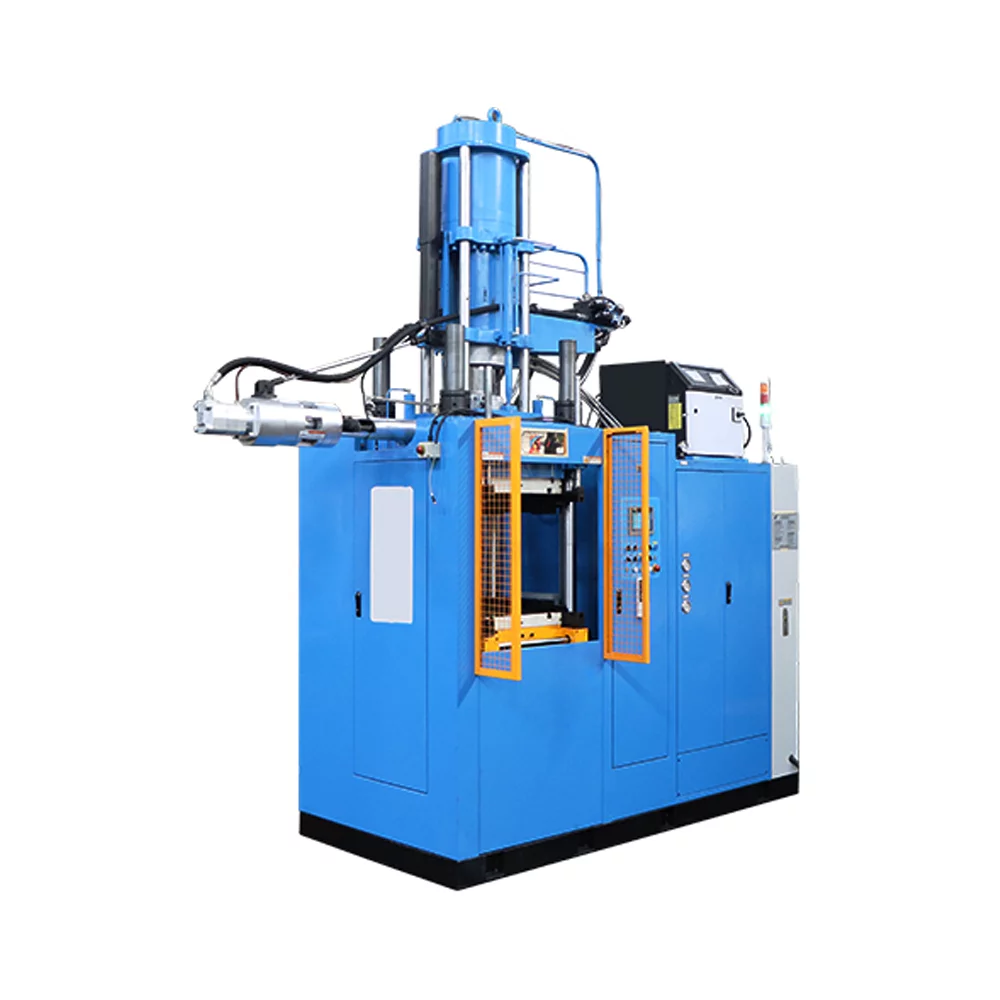
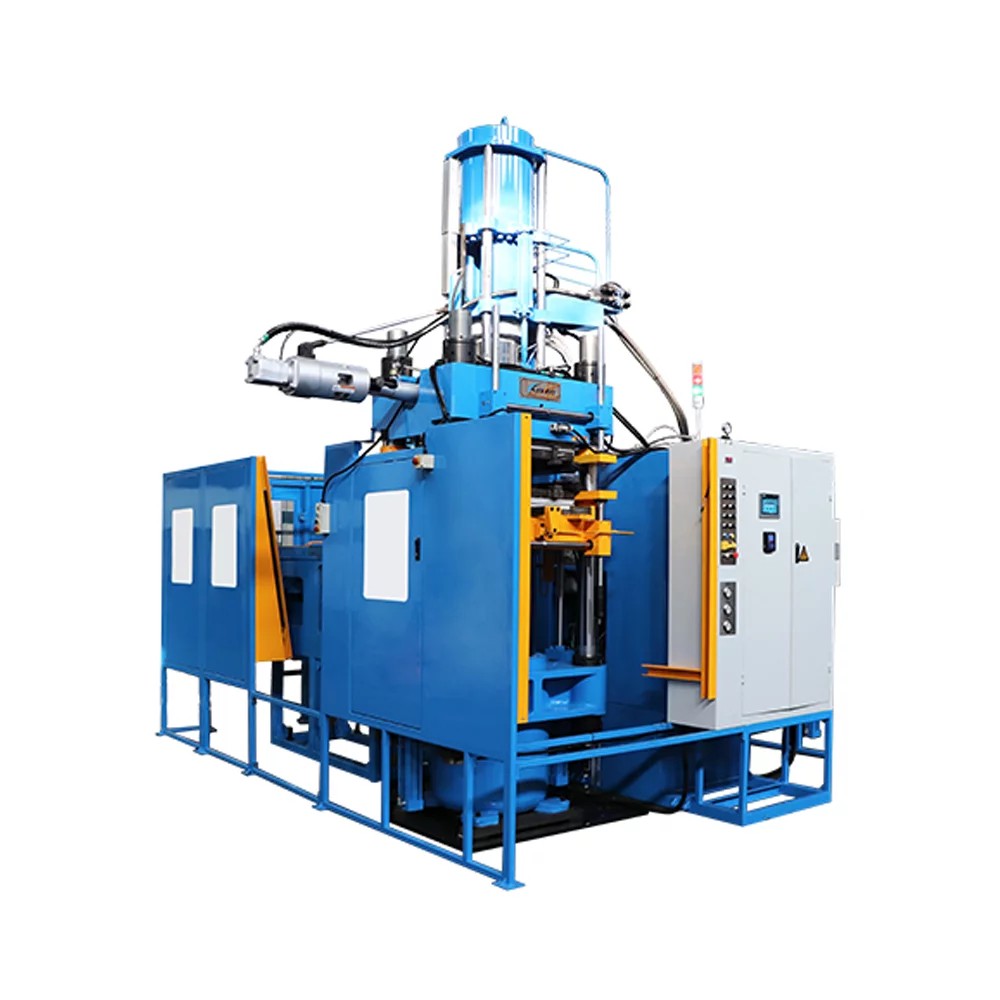
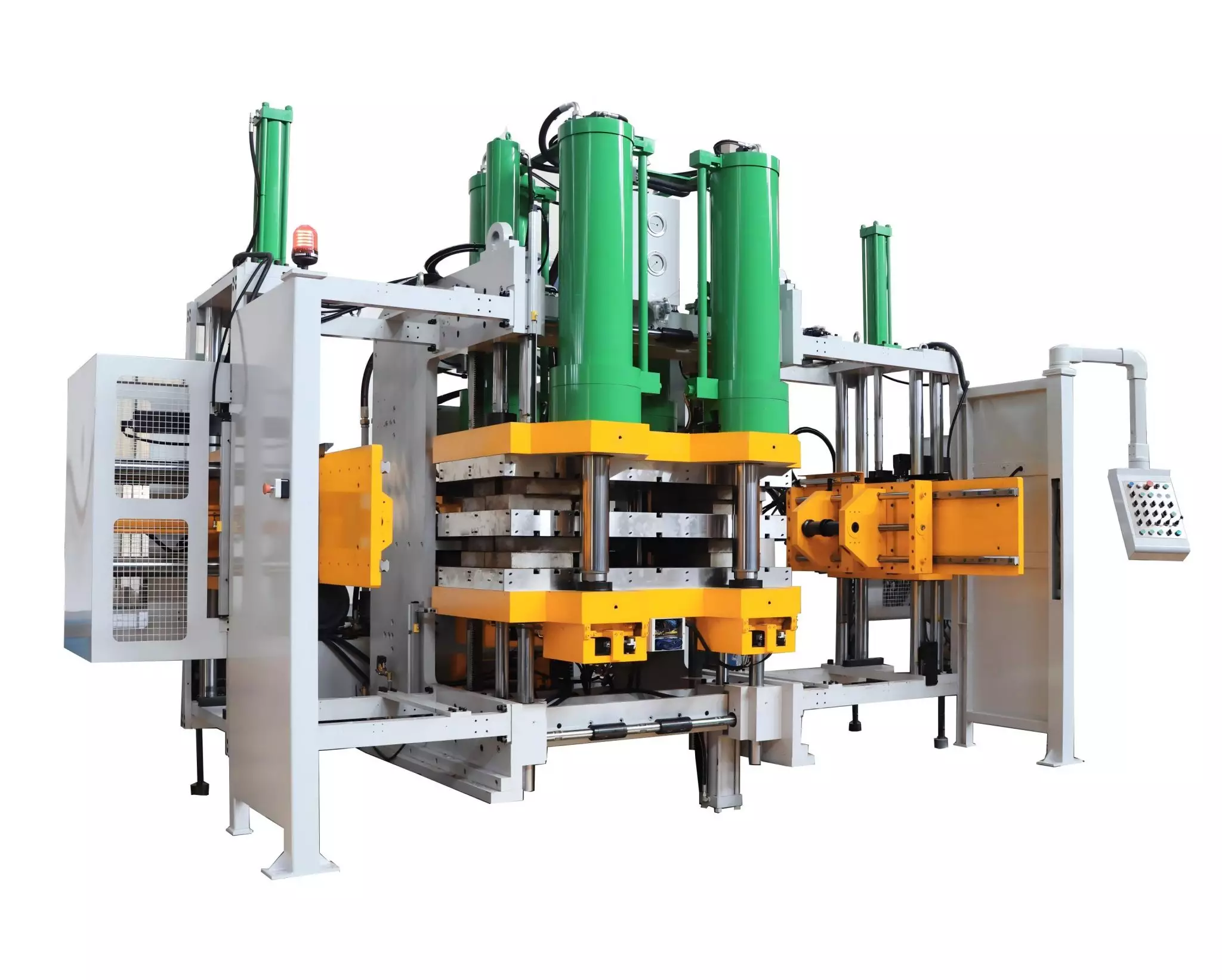
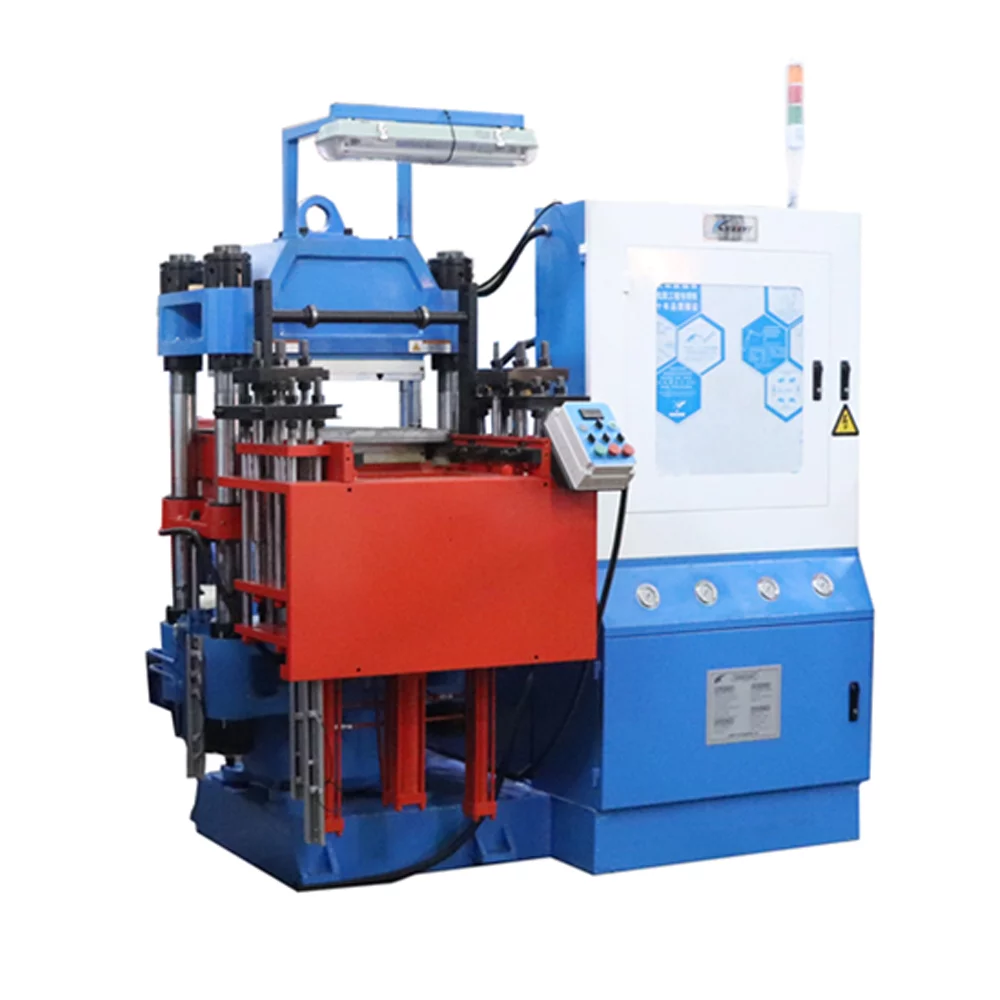
Choosing a rubber machinery supplier involves more than comparing machine prices or basic specifications. Production requirements, machine configuration, engineering support, quality control and after-sales service all affect the long-term value of the equipment. When evaluating a rubber injection molding machine, buyers should first determine whether the supplier can provide equipment that fits the actual material, mould and production process.
At HWAYI, we approach equipment selection from the application itself. Our product range covers rubber injection Molding, vulcanising, transfer Molding, LSR processing and rubber track production equipment.
Start With the Supplier’s Product Range
A supplier’s product range can show whether it has experience with different rubber processing requirements. Buyers should check whether the company provides only one machine type or can support several stages of rubber production.
Our range includes rubber injection Molding machines, rubber vulcanising presses, rubber transfer presses, LSR clamping machines and rubber track Molding equipment. This allows us to work with different product types and production processes.
When comparing rubber processing machinery, buyers should also review the supplier’s actual product pages and technical information. The equipment should correspond with the material, mould dimensions, required clamping force and expected production cycle.
Check Engineering and Customisation Capabilities
Standard machine specifications do not always cover every production requirement. Mould size, injection volume, material characteristics, automation level and available factory space can affect the final configuration.
A supplier with engineering experience should be able to discuss these factors before recommending equipment. Buyers can ask how the machine will be configured for the intended mould and whether modifications or customer-built equipment are available when required.
At HWAYI, we provide customer-built machinery alongside our standard rubber processing equipment. Our technical team works with customers to understand the production application before determining the equipment configuration.
Review Machine Construction and Key Components
The mechanical and hydraulic structure should be examined during supplier evaluation. Important areas can include the clamping unit, hydraulic system, heating system, injection unit and control system.
For an injection machine, the clamping system needs to provide the required force for the mould. The injection system should also deliver material according to the selected process parameters.
Buyers should request detailed technical specifications rather than relying only on general descriptions. Component brands, control methods, heating accuracy and hydraulic configuration may all affect maintenance and daily operation.
Examine Quality Management Practices
A supplier’s quality management process is another important evaluation point. Buyers can ask how incoming components are inspected, how machines are assembled and which tests are completed before shipment.
At HWAYI, our company information states that we operate with ISO 9001 and CE certification. We also have independent research and manufacturing capabilities, supported by an experienced technical team.
Certification should not be treated as the only measure of equipment quality. Buyers should also review inspection records, testing procedures and the supplier’s ability to provide documentation for the actual machine being purchased.
Consider Installation and Technical Support
Machine installation can affect the start of production. Buyers should understand what installation guidance is provided, what utilities are required and whether technical support is available during commissioning.
Maintenance support is equally important. Rubber processing equipment may include hydraulic, electrical, heating and control components that require periodic inspection.
When evaluating a supplier, ask about spare parts, troubleshooting support, maintenance documentation and response procedures. These details can become important after the equipment has been installed and enters regular production.
Compare Automation With Actual Production Needs
Automation should be evaluated according to the production process rather than the number of automated functions listed in a specification sheet.
Some manufacturers may need automatic material loading, parameter storage or production monitoring, while others may require a simpler configuration. The right setup depends on production volume, labour requirements, product design and process consistency.
Our equipment includes solutions that can connect several production stages. For example, our rubber track production equipment can integrate iron-core winding, track preforming, vulcanization and automated material transfer into a coordinated production line.
This gives buyers another point to consider when comparing a rubber injection molding machine supplier: whether the company can support automation at both machine and production-line level.
Assess Communication Before Placing the Order
Supplier communication can provide useful information before a purchase is finalised. Technical questions should receive specific answers rather than general sales descriptions.
Buyers can provide drawings, mould information, material details and expected output when requesting a quotation. The supplier can then use these details to determine a more suitable configuration.
At HWAYI, we discuss application requirements with customers before finalising equipment specifications. This process helps reduce the risk of selecting a machine that does not match the intended production conditions.
Build a Practical Supplier Evaluation Checklist
A structured comparison makes supplier selection easier. Buyers can review product range, engineering capability, machine construction, quality management, testing, installation support and after-sales service.
At HWAYI, we provide rubber processing equipment for different industrial applications and support customers from equipment selection through technical service.
When comparing rubber processing machinery, buyers should look beyond the initial quotation. Machine suitability, engineering capability, quality procedures and long-term support all contribute to the overall equipment decision.
The purpose of supplier evaluation is not simply to identify a machine with suitable specifications. It is to find a supplier that understands the production process and can provide equipment, technical support and service that remain practical throughout the equipment’s working life.