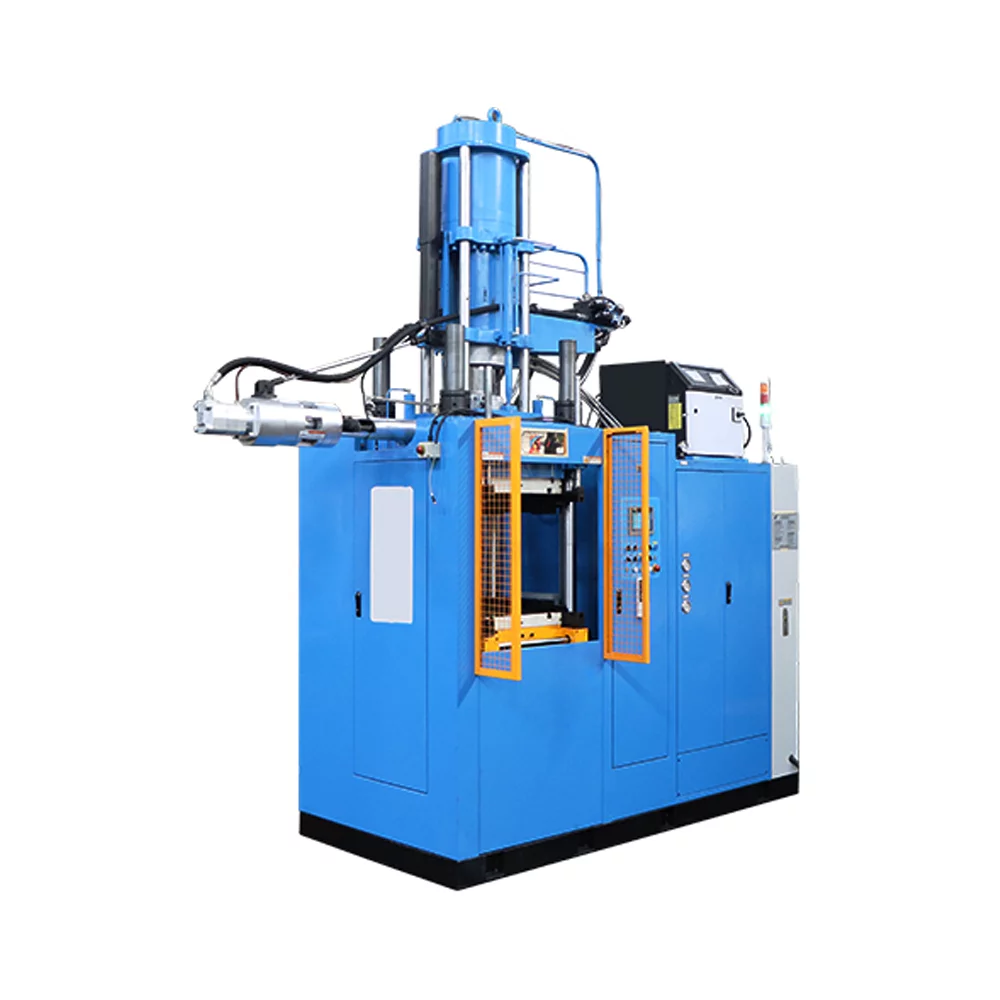
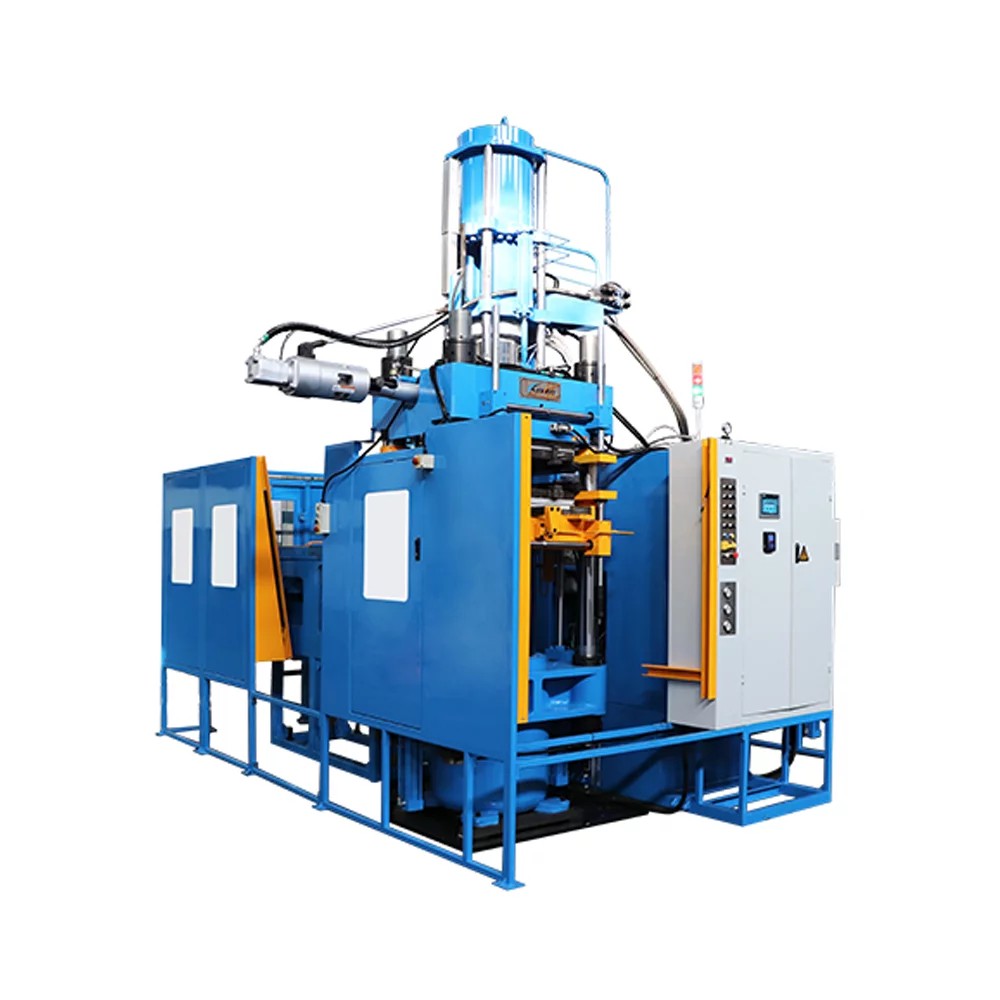
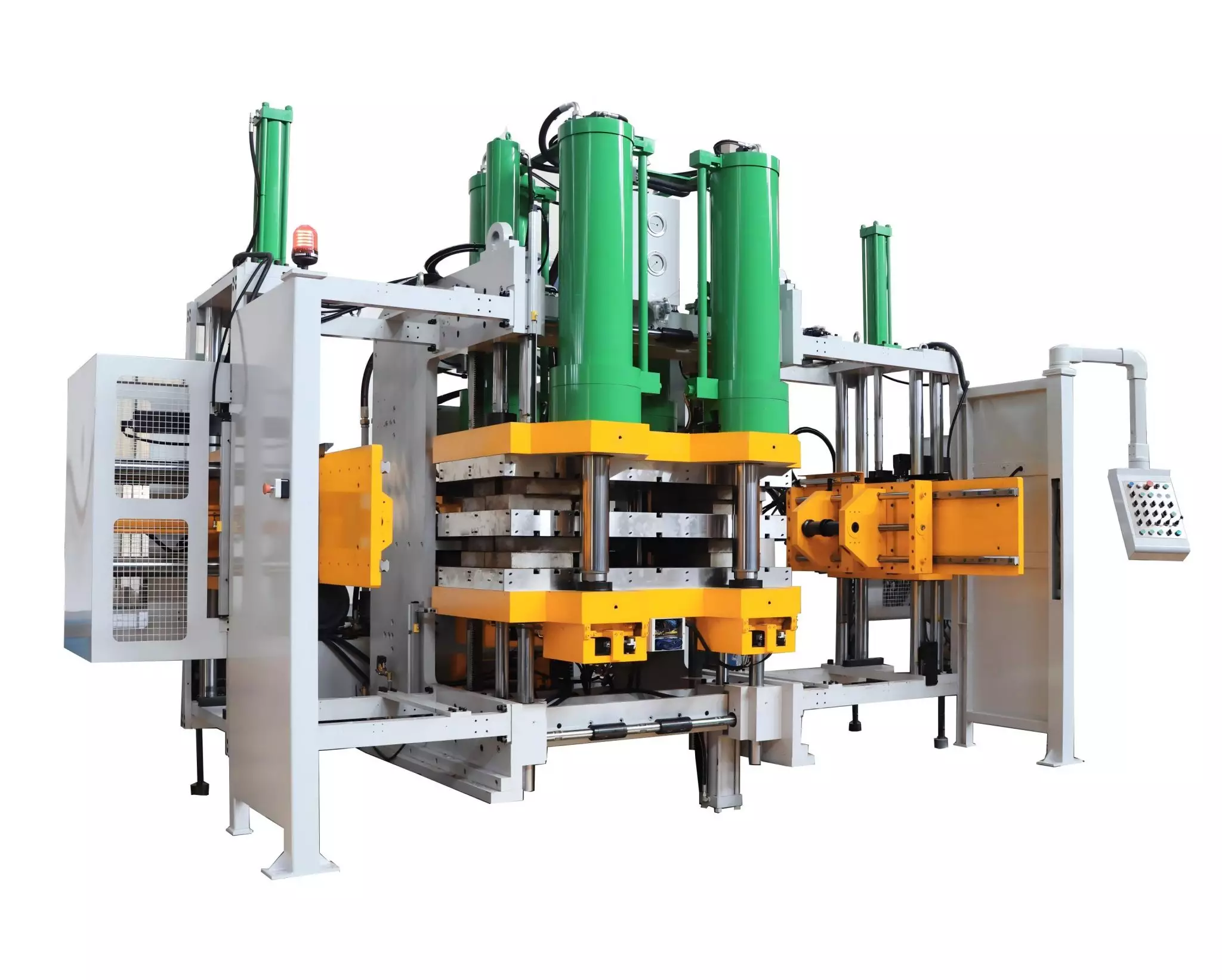
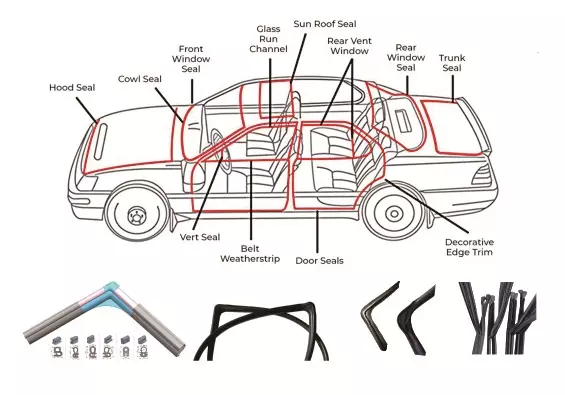
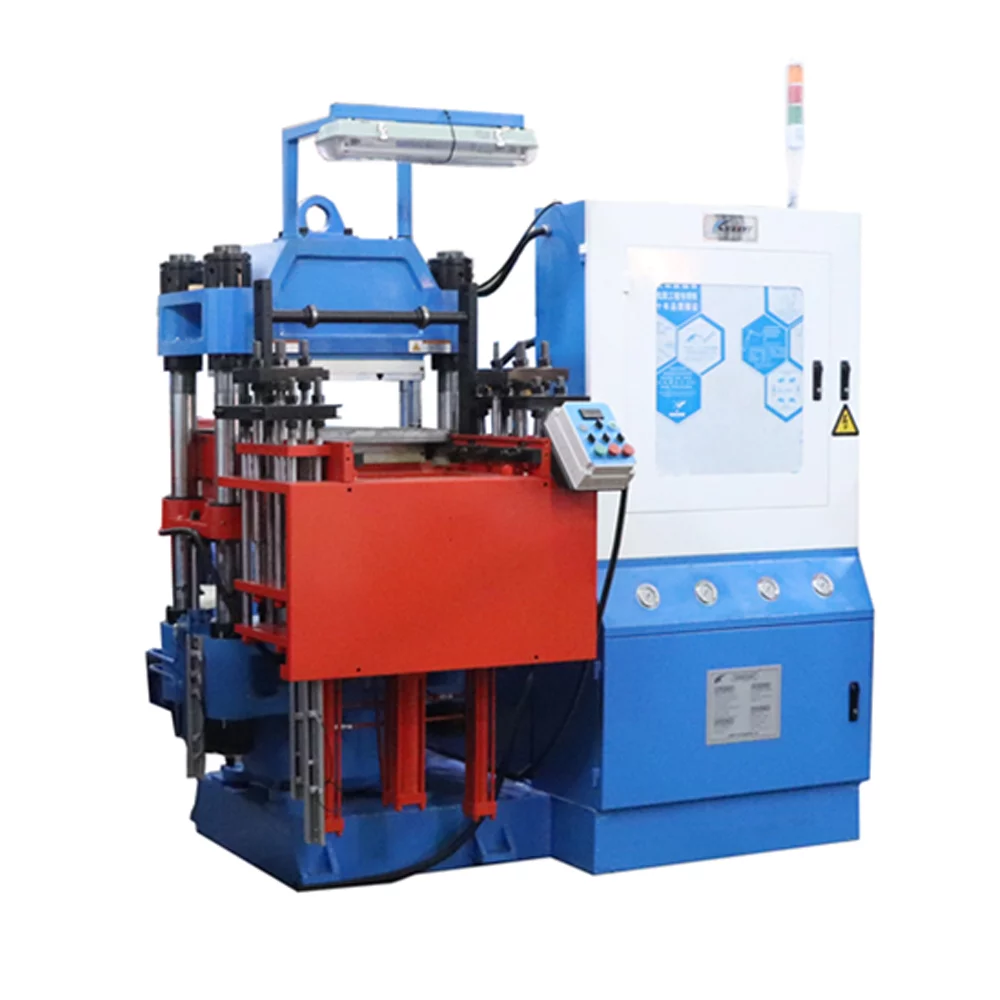
In the early stage of an RFQ process for rubber injection molding projects, we at HWAYI begin by focusing on detailed requirement collection and technical alignment with customers. As a rubber injection molding machine manufacturer, we often receive inquiries from industrial clients involved in automotive parts, electrical insulation components, and industrial rubber products. At this stage, we review technical drawings, rubber material specifications, expected cycle time, and production capacity targets. Clear communication is important because different industries may have very different molding expectations, and misunderstanding at this stage can lead to unnecessary adjustments later in the project.
Technical Evaluation and Engineering Feasibility
After the initial requirements are clarified, we proceed to technical evaluation. As an established manufacturer, we analyze whether the product design is suitable for injection molding and whether the process conditions can be achieved with stable performance. This includes evaluating mold structure, curing behavior of rubber compounds, injection pressure requirements, and temperature control stability. We also consider whether auxiliary systems or automation features are needed to support continuous production. At HWAYI, we often support customers who are upgrading from compression molding to injection molding, so feasibility assessment is a key part of ensuring a smooth transition.
Solution Design, Configuration and Quotation
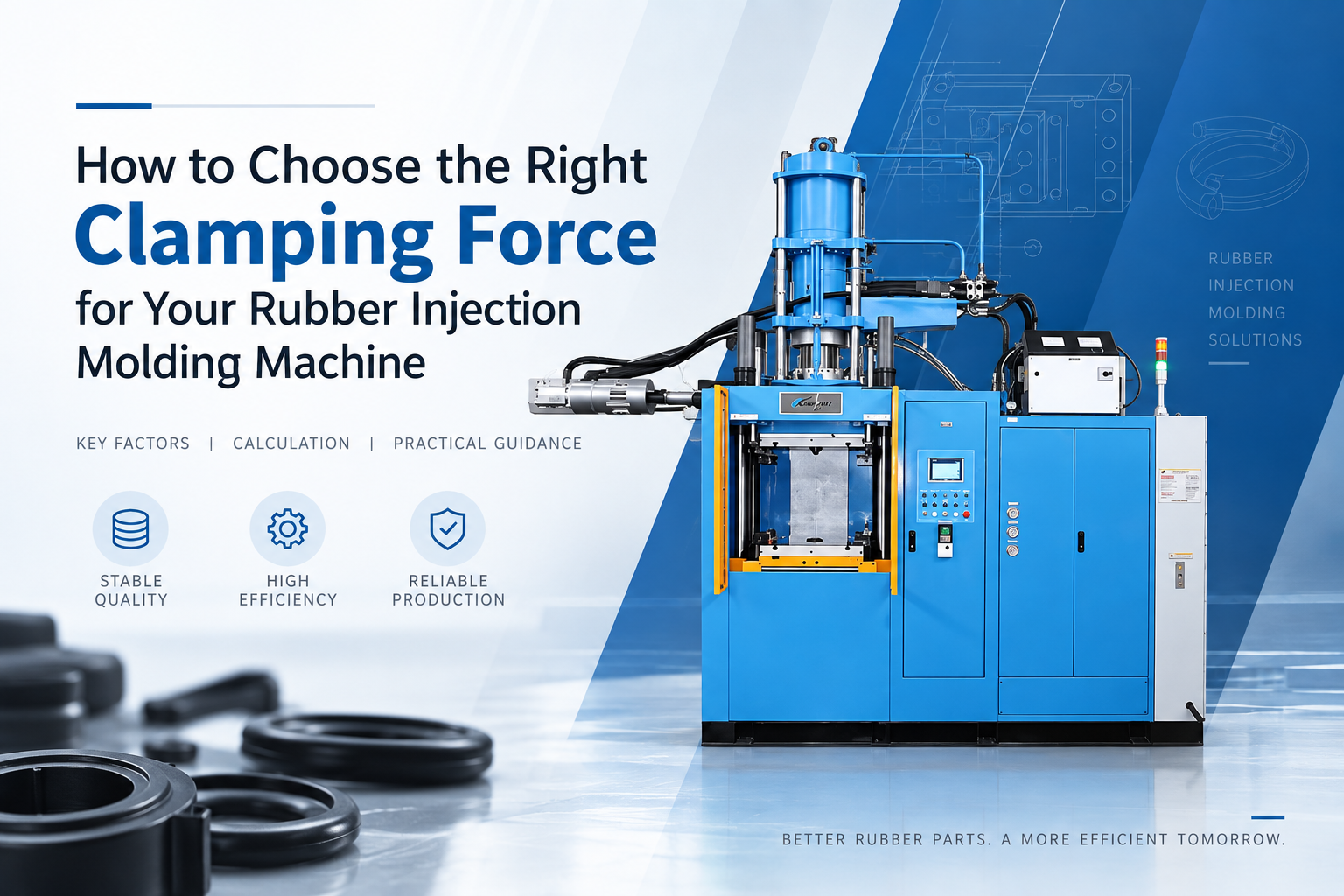
Once the technical review is completed, we move into solution design and quotation preparation. As HWAYI, we do not treat this step as a simple pricing activity. Instead, we design a structured technical proposal based on real production needs. As a rubber injection molding machine manufacturer, we evaluate clamping force requirements, injection unit specifications, mold compatibility, and expected production efficiency. During this stage, we often adjust machine configurations based on customer feedback to ensure the final proposal remains practical and aligned with actual production goals. This iterative communication helps avoid unnecessary cost or over-specification.
Conclusion
A complete RFQ process for rubber injection molding projects requires structured communication, technical understanding, and continuous alignment between both sides. At HWAYI, we follow a step-by-step workflow that includes requirement clarification, engineering evaluation, and solution optimization. As a rubber injection molding manufacturer, our focus is not only on providing equipment, but also on ensuring that the selected configuration matches real industrial production conditions. This RFQ approach helps establish a stable foundation for long-term cooperation in rubber injection molding applications across different industries.