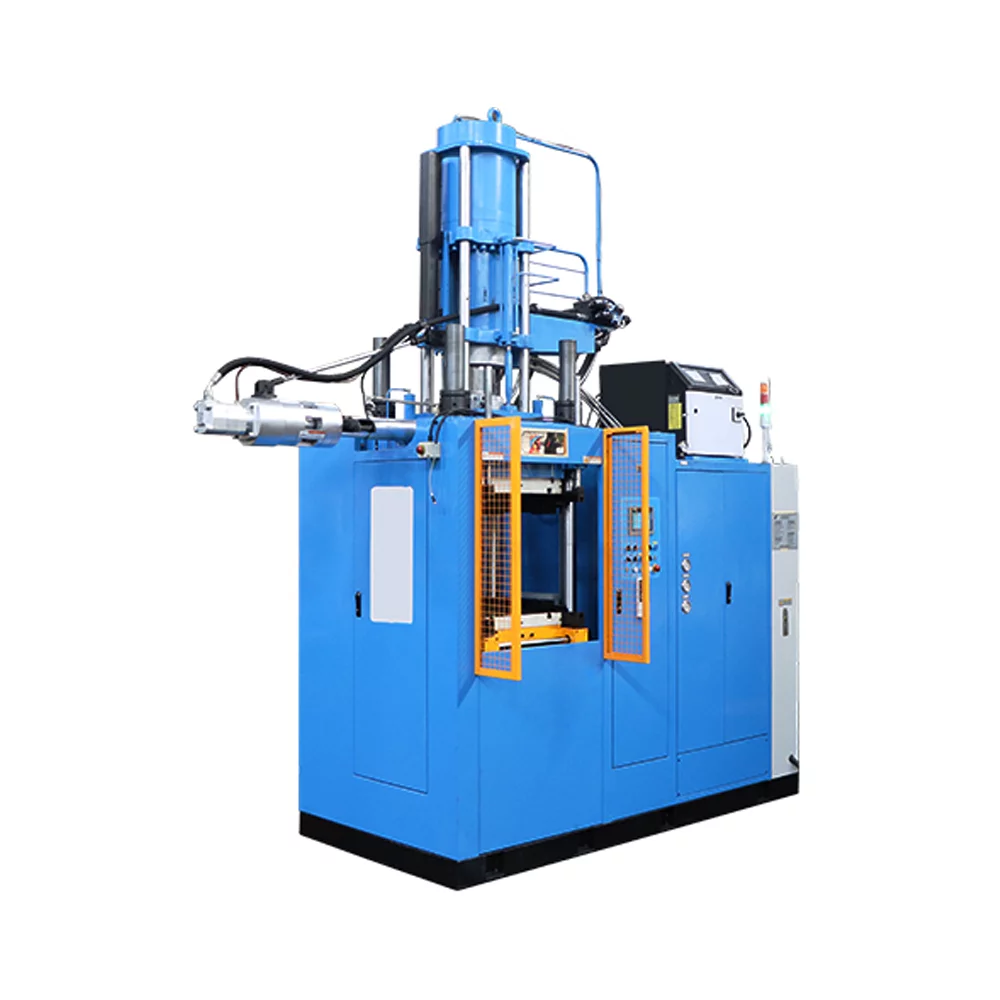
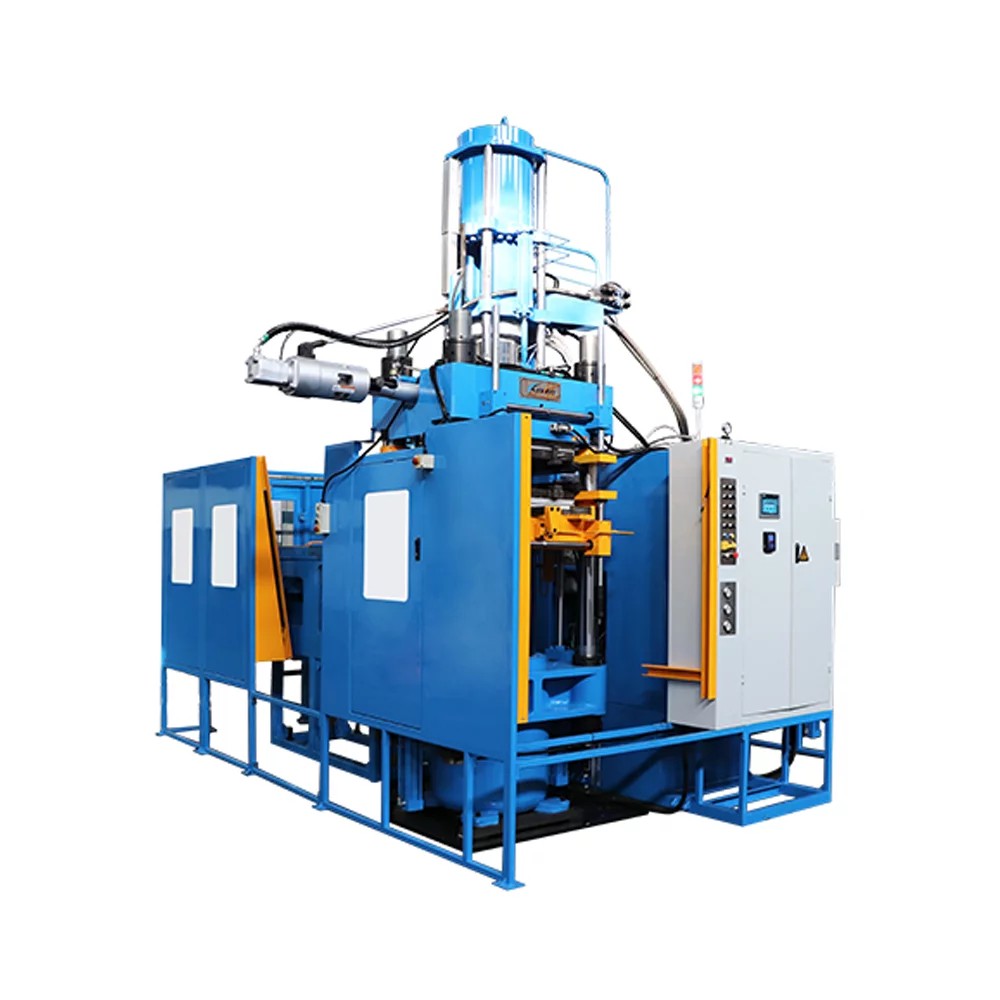
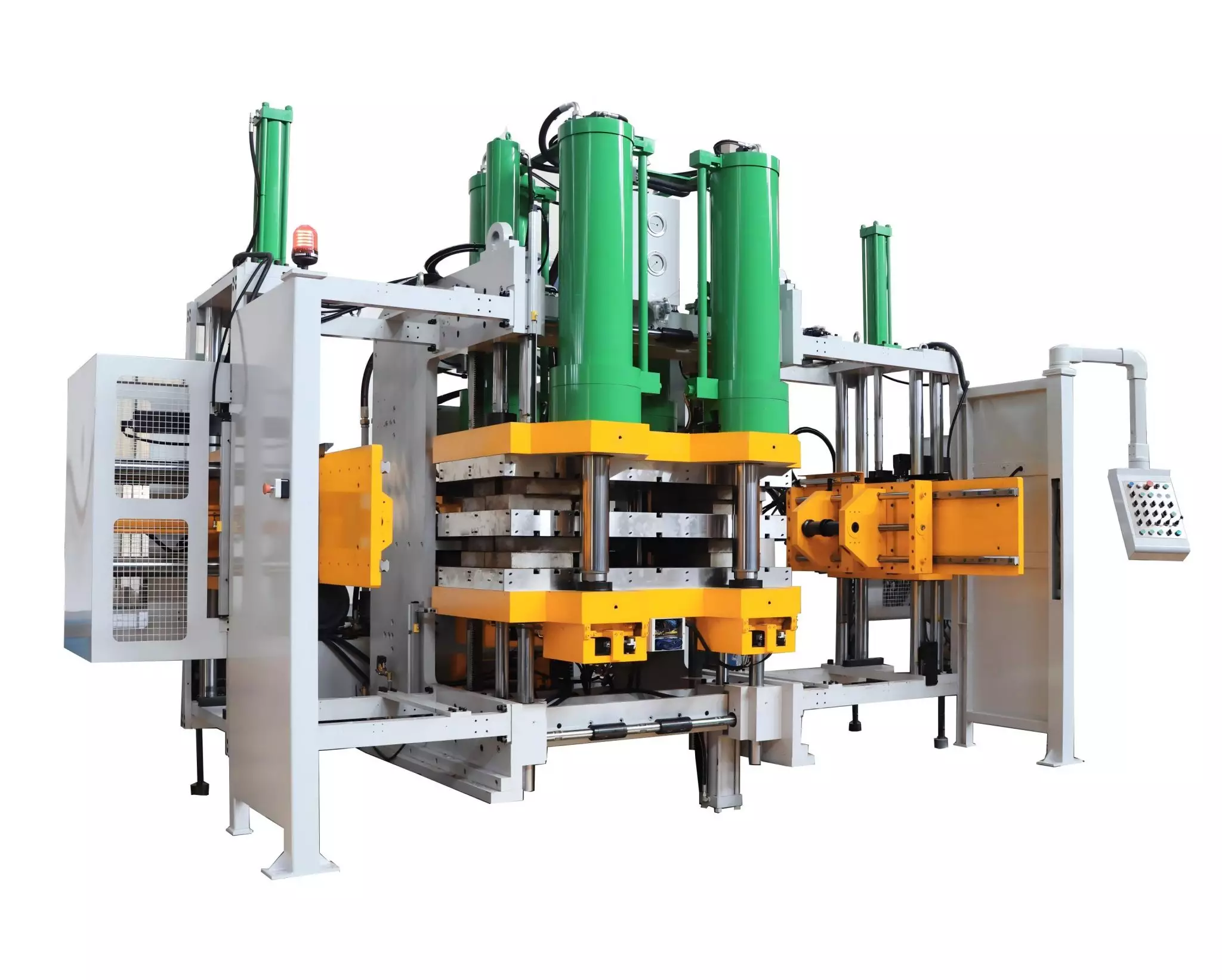
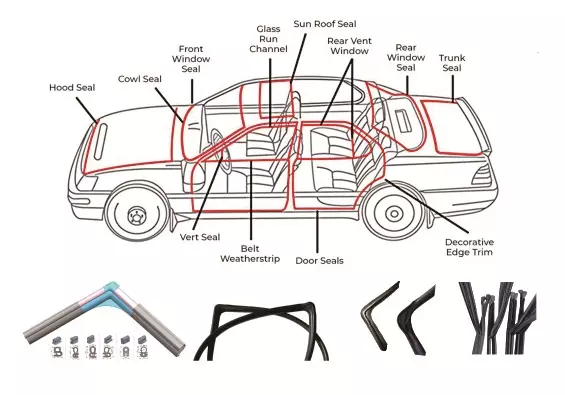
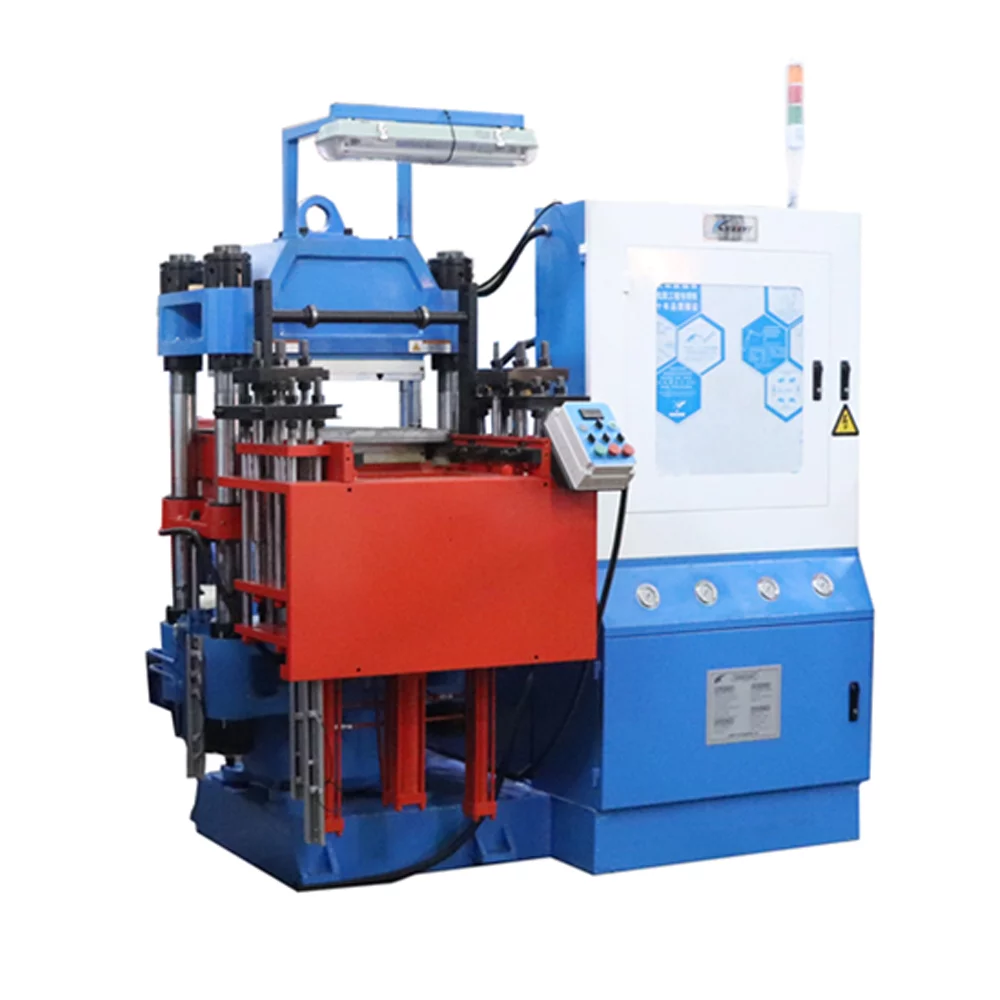
Today we share our view from HWAYI on hydraulic and electric rubber machines for industrial production. When sourcing equipment for automotive and electrical parts, customers frequently compare specialized rubber injection molding machine manufacturers against general rubber machinery providers.From our experience, hydraulic systems are widely used for stable pressure control, while electric systems are increasingly considered for energy efficiency and precision. Both approaches can be applied in different production lines depending on material, cycle time, and maintenance expectations. Our company works closely with B2B clients to help evaluate process requirements rather than focusing only on machine type.
Hydraulic systems in rubber processing
Hydraulic systems at HWAYI provide the stable pressure essential for heavy-duty forming. While users of rubber injection molding machines require the capacity for complex molds and large volumes, many customers of a rubber machine manufacturer prioritize equipment longevity and reliability. Because hydraulic technology is easier to maintain under harsh conditions and delivers consistent output for traditional processes, it remains a primary consideration for B2B users selecting robust forming systems.
Electric systems and efficiency comparison
In our testing at HWAYI, electric rubber machines are increasingly selected for applications that require energy saving and precise control. Compared with hydraulic systems, electric drives reduce oil usage and can improve workspace cleanliness. Users evaluating rubber injection molding machine manufacturer options often consider electric models for their stable repeatability in smaller batch production. Similarly, many clients researching rubber machine manufacturer solutions are attracted by lower noise levels and faster response in control systems. However, electric machines may require higher initial investment and more sensitive maintenance planning, which makes selection dependent on production scale and long-term operational goals. Selection depends on application scale and long-term production efficiency requirements.
Conclusion: hydraulic vs electric rubber machines
From our experience, both hydraulic and electric rubber machines serve different production priorities in industrial environments. We often advise customers to evaluate process stability, energy consumption, and maintenance requirements before making a decision. Hydraulic systems may be suitable for heavier forming tasks, while electric systems can support more precise and cleaner operations. At HWAYI we focus on helping clients choose equipment based on application rather than general preference alone. Our company supports both approaches with engineering input and long-term service planning for B2B users across industries. Choosing between these systems depends on production scale, material behavior, and expected operational consistency over time. We continue to refine our guidance as industry requirements evolve and customer needs become more specific. This allows us to provide practical recommendations that align with real production conditions and help customers achieve stable manufacturing performance over time in their facilities consistently.