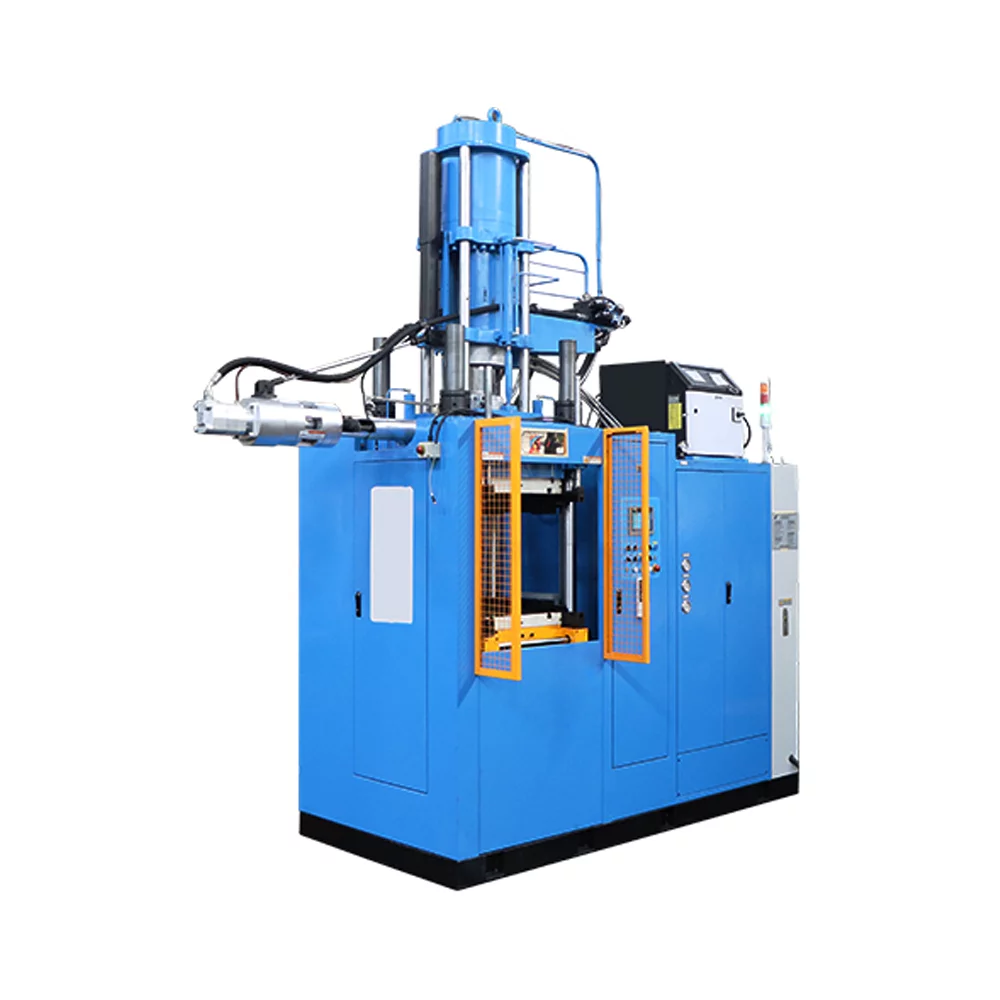
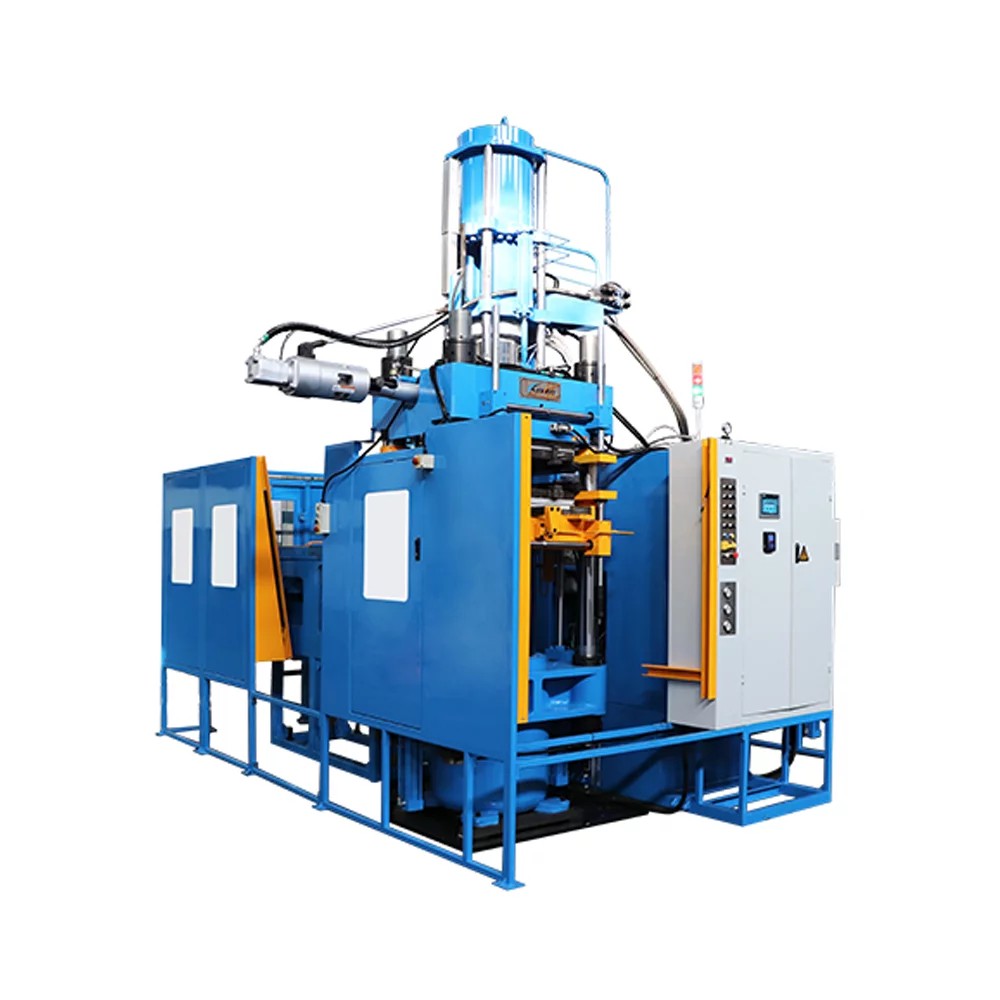
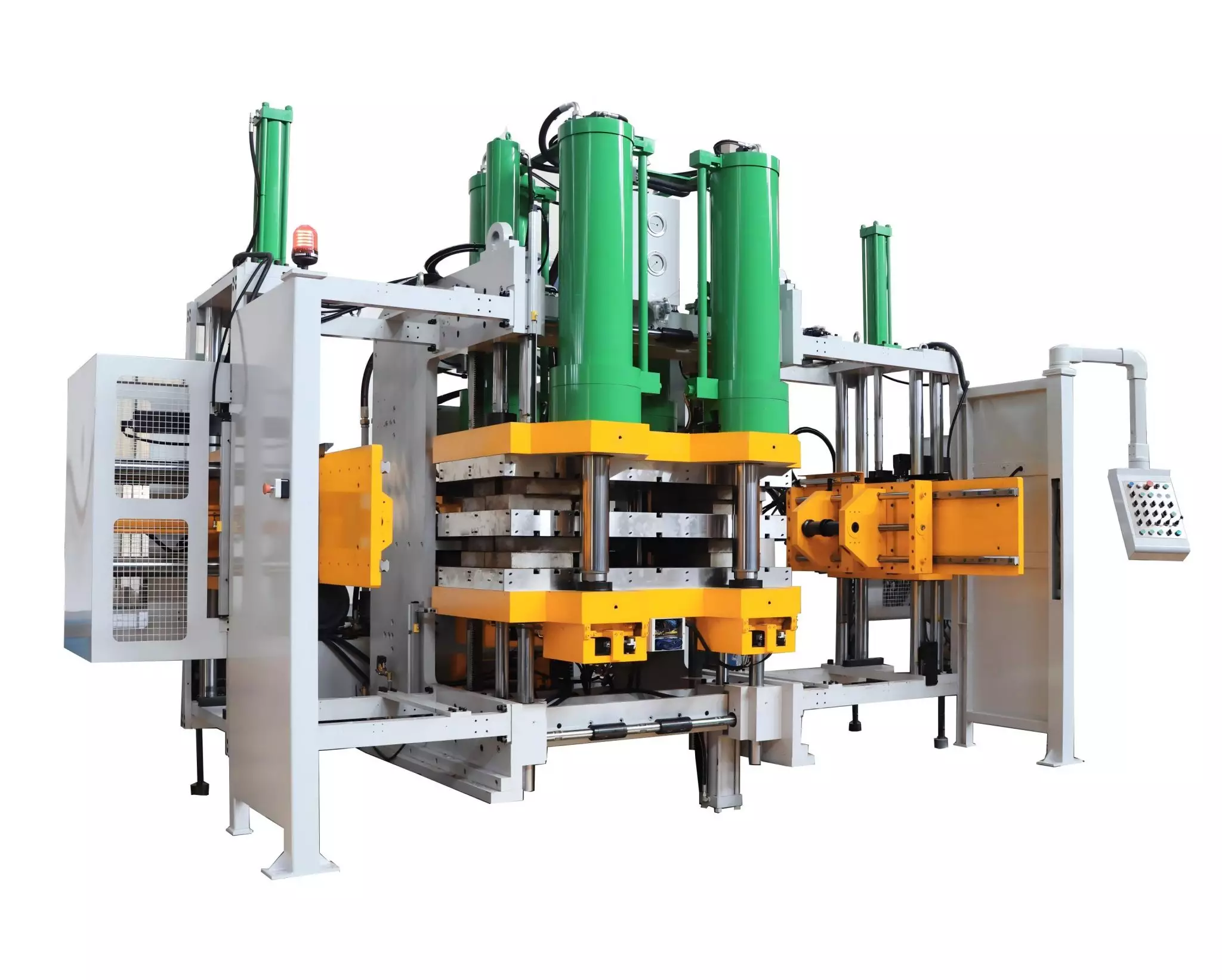
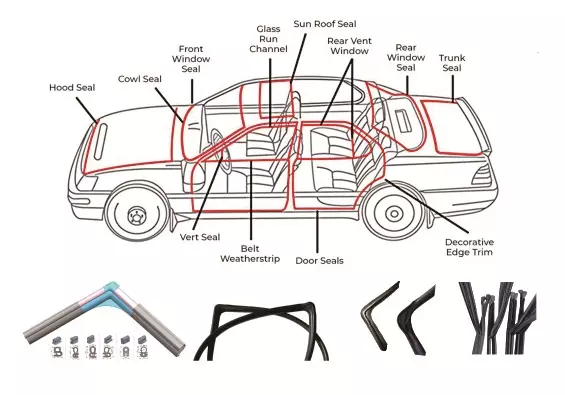
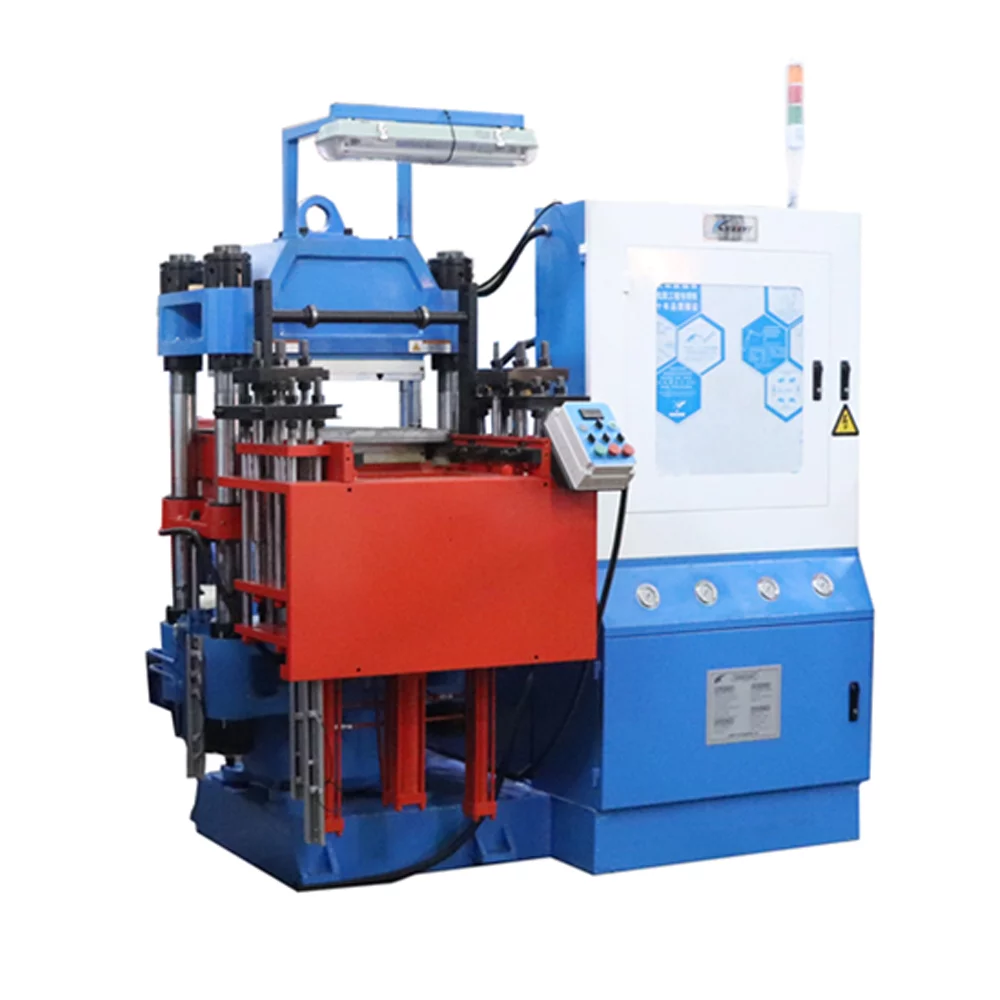
Curing uniformity is a critical factor in rubber processing, especially for manufacturers relying on both rubber injection molding machine systems and rubber molding presses to produce consistent parts. At HWAYI, we often see that uneven curing can affect product performance, dimensional stability, and long-term reliability. In practical production, curing uniformity is not controlled by a single parameter but by a combination of thermal balance, pressure distribution, and process control within the equipment. Understanding how these factors interact helps manufacturers optimize both efficiency and product quality without unnecessary adjustments.
Thermal Distribution and Mold Temperature Control
One of the most influential elements in curing uniformity is how heat is distributed across the mold surface. In both rubber injection molding machine setups and rubber molding presses, temperature differences between mold zones can lead to inconsistent vulcanization results. We design our systems to maintain stable heating through balanced platen structures and controlled heating channels, allowing each cavity to reach the required curing temperature simultaneously. At HWAYI, our experience shows that even small fluctuations in thermal control can lead to variations in hardness or elasticity, especially in multi-cavity molds used in automotive sealing components and electrical insulation parts.
Pressure Stability and Material Flow Behavior
Pressure is another key factor that directly affects curing consistency. In rubber molding presses and rubber vulcanizing machine systems, uneven pressure distribution across the platen may result in variations in material density, which in turn influences curing behavior. Similarly, in a rubber injection molding machine, the flow of rubber into the mold must be stable and controlled to avoid air traps or incomplete filling. We focus on optimizing clamping systems and injection control to ensure that pressure is applied evenly throughout the mold. At HWAYI, we also consider how material viscosity and flow paths interact with equipment design, since these variables can influence how heat and pressure work together during vulcanization.
Process Control and Equipment Integration
Beyond temperature and pressure, process control plays an essential role in maintaining curing uniformity. Modern rubber injection molding machine configurations and rubber molding presses rely on coordinated control systems to manage timing, heating cycles, and pressure stages. We integrate these controls to ensure that each phase of vulcanization is consistent across production cycles. At HWAYI, we also provide solutions such as transfer molding machines that support specific applications where material placement and curing precision are critical. These systems complement standard equipment and help manufacturers handle complex geometries or specialized rubber compounds more effectively.
Conclusion
Curing uniformity in rubber vulcanizing press machine systems is determined by a combination of thermal balance, pressure consistency, and precise process control. Whether using a rubber injection molding machine or rubber molding presses, each factor must be carefully aligned to achieve stable production outcomes. At HWAYI, we approach this challenge by combining equipment design with practical application experience, helping manufacturers improve consistency while adapting to different industry requirements.