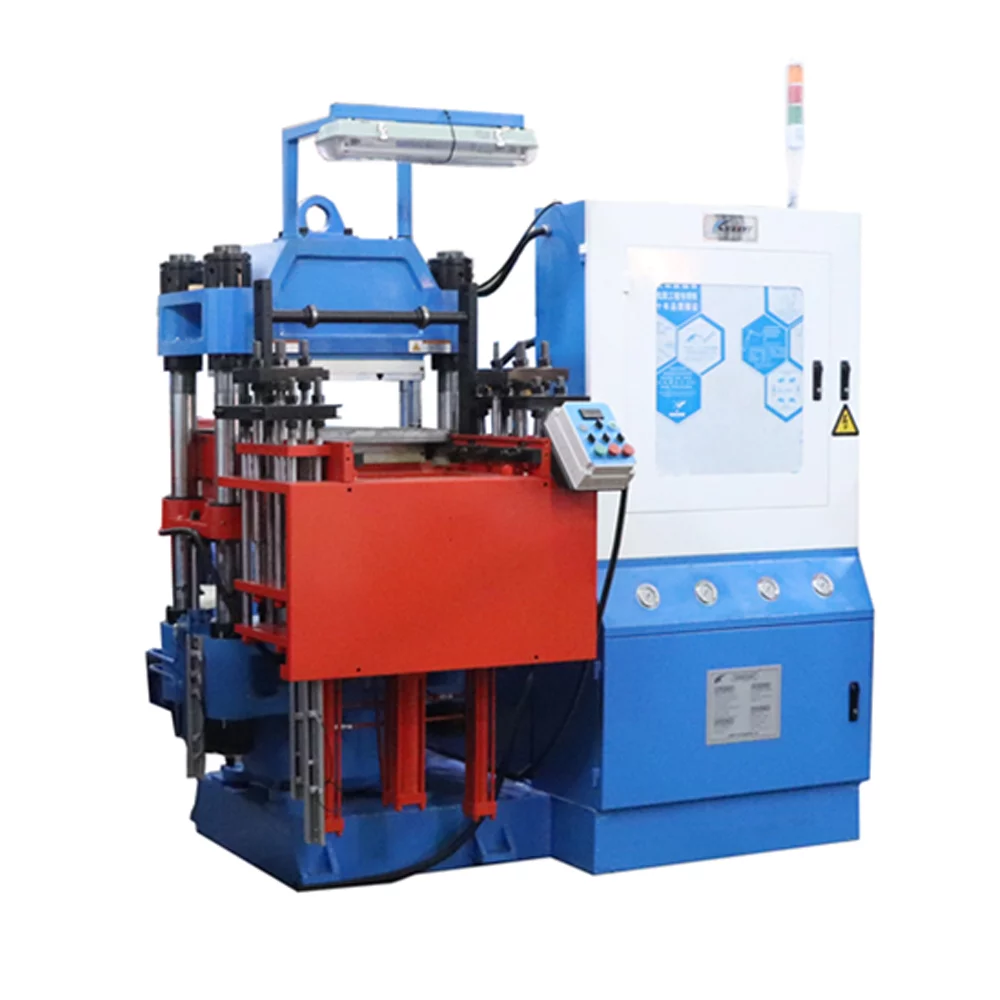
Accurate temperature control is a critical factor when assessing the performance of a rubber vulcanizing machine. At HWAYI, we often see that customers focus on output capacity first, but in practice, temperature stability directly affects product consistency, curing quality, and long-term production efficiency. Understanding how to evaluate temperature control accuracy helps ensure that the selected equipment matches real production requirements without unnecessary risk.
Understanding Temperature Uniformity and Stability
When evaluating a rubber vulcanizing machine, we start by examining temperature uniformity across the heating plates. Uneven heat distribution can lead to inconsistent curing, especially in products such as seals or insulation components. In a rubber vulcanizing press machine, stable temperature over time is equally important. Fluctuations during the curing cycle may result in defects or variations in hardness.
We recommend checking whether the system maintains consistent temperature across multiple zones and whether sensors provide real-time feedback. In our experience, well-designed heating systems combined with reliable control units can improve repeatability without complicating operation.
Sensor Accuracy and Control System Responsiveness
Another key factor in a rubber vulcanizing machine is the precision of temperature sensors and the responsiveness of the control system. Sensors must accurately detect even small temperature deviations, while the control system should adjust heating output quickly to maintain set values.
In a rubber vulcanizing press machine, this coordination determines how well the machine performs under continuous operation. We design our systems with practical production scenarios in mind, ensuring that temperature feedback loops respond efficiently without causing overshoot or delay. This approach supports consistent curing results across different batches and materials.
Practical Verification in Real Production Conditions
Beyond specifications, evaluating a rubber vulcanizing machine should include real production testing. Running sample molds and monitoring temperature variation during actual cycles provides more reliable insights than relying only on technical parameters.
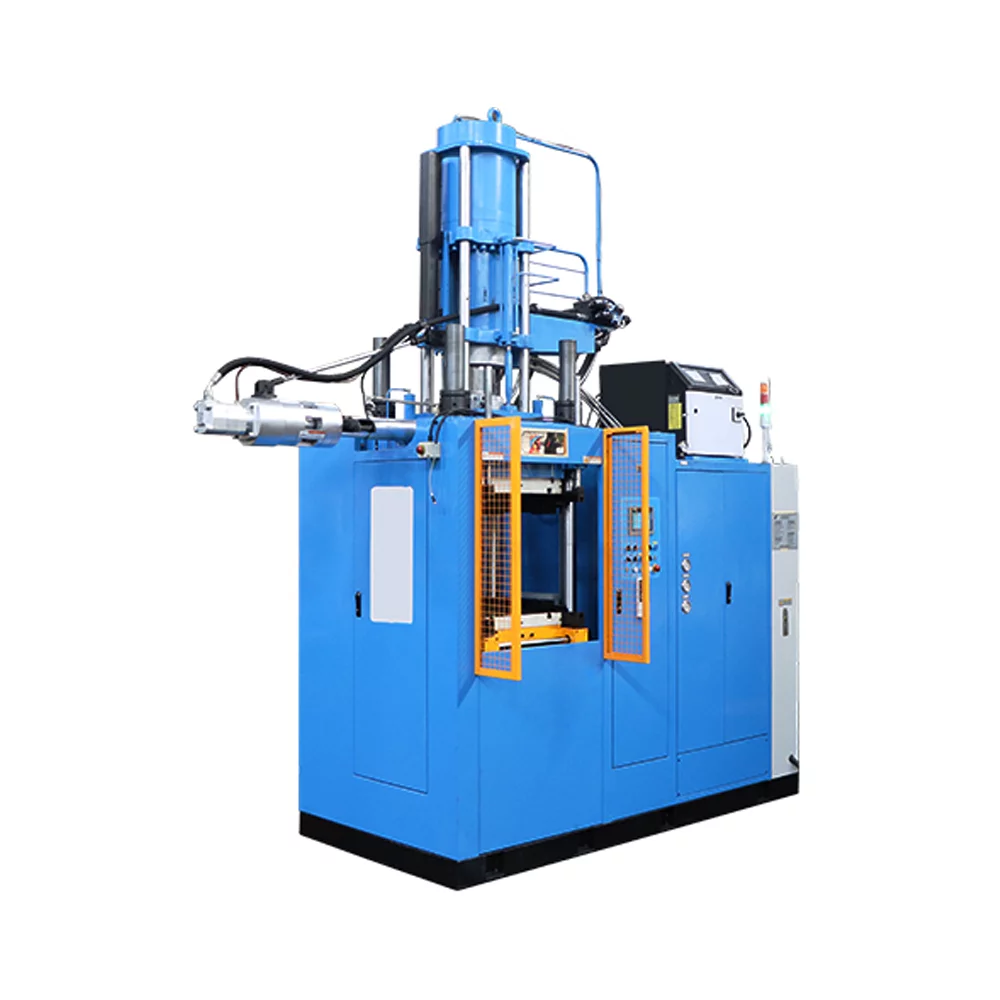
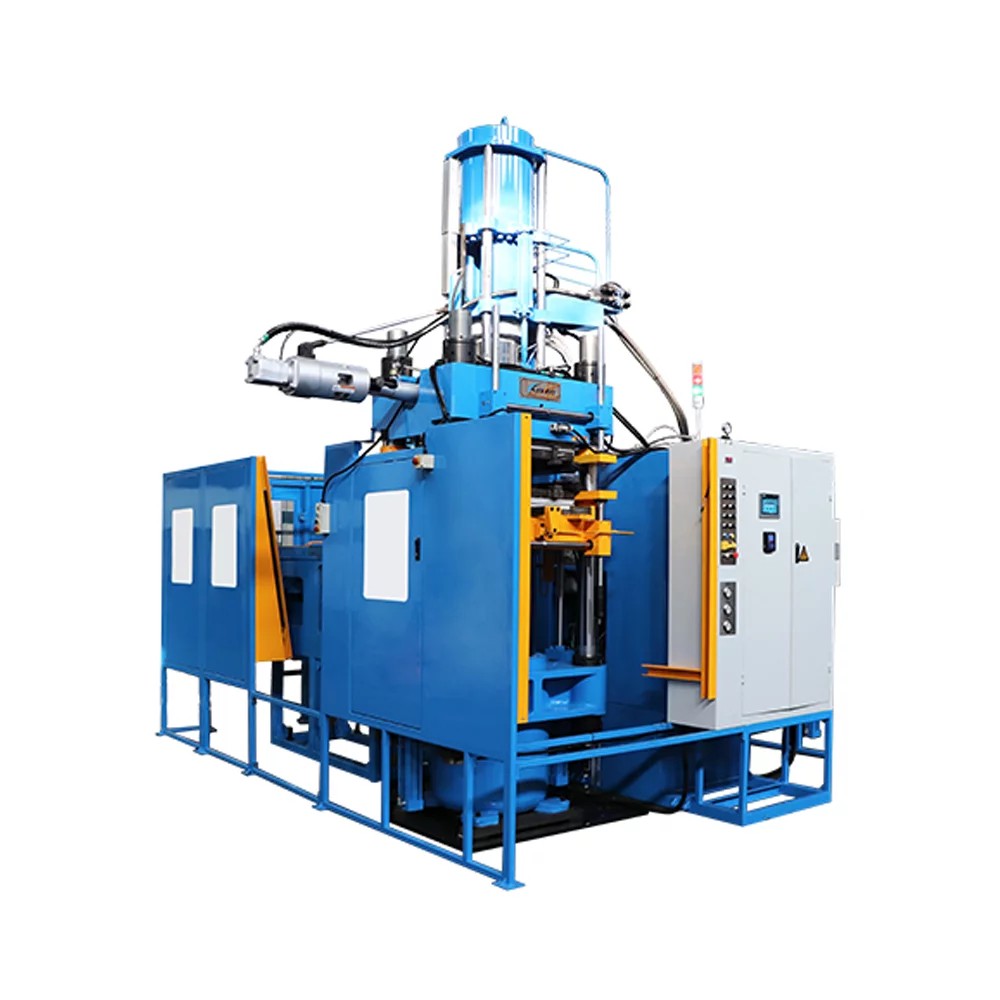
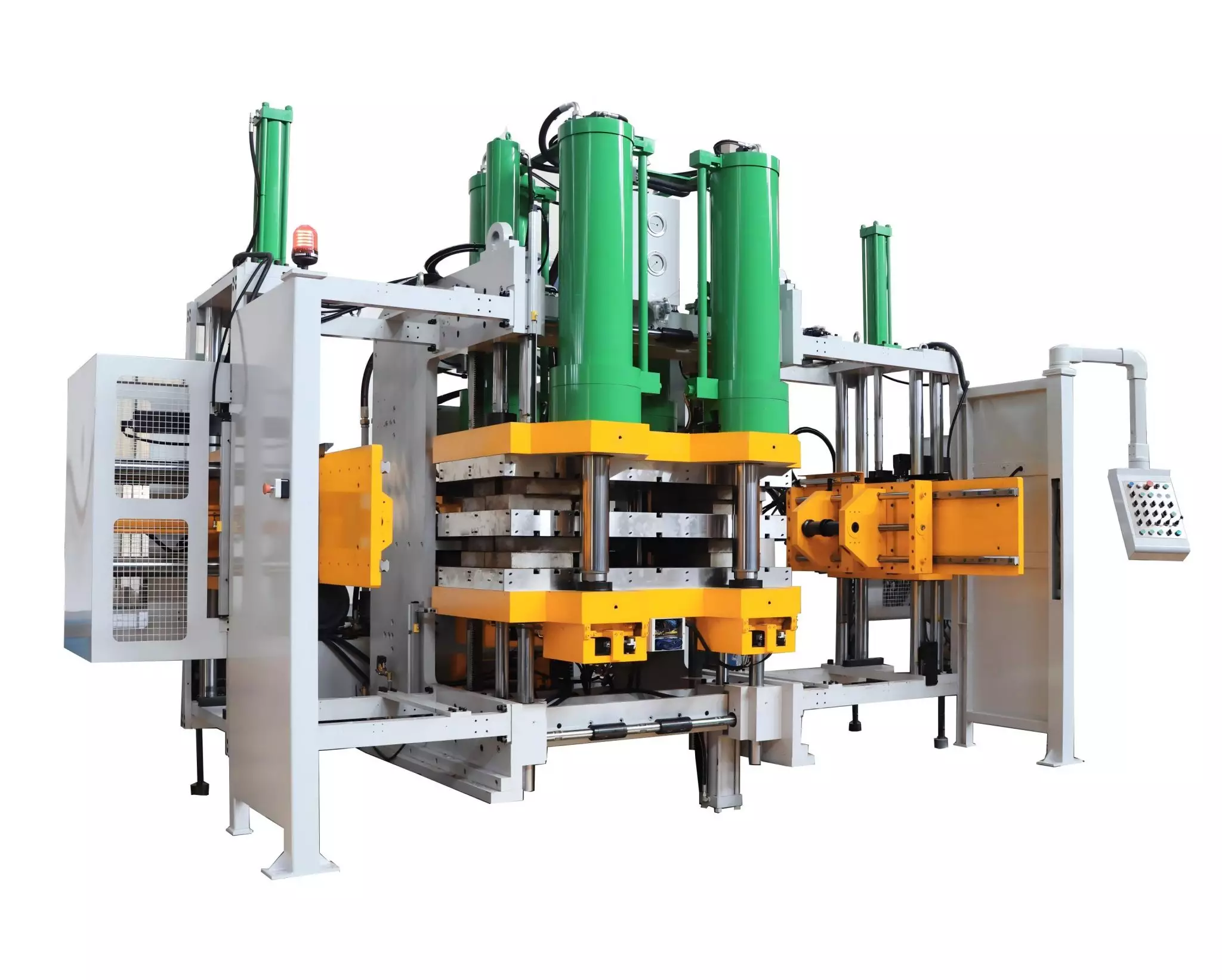
For a rubber vulcanizing press machine, we suggest observing how the system behaves under different load conditions. Our compression molding equipment, for example, is designed to maintain stable thermal performance even when processing various rubber compounds. This reflects our focus on combining practical usability with stable engineering design.
Conclusion: Balancing Precision and Practical Performance
Evaluating temperature control accuracy in a rubber vulcanizing machine or a rubber vulcanizing press machine requires attention to uniformity, sensor precision, system responsiveness, and real-world performance. At HWAYI, we approach these factors as part of an integrated solution rather than isolated features. By combining stable heating design with responsive control systems, we aim to support consistent production outcomes across different industrial applications. This balanced evaluation method helps customers select equipment that aligns with both technical requirements and long-term operational reliability.