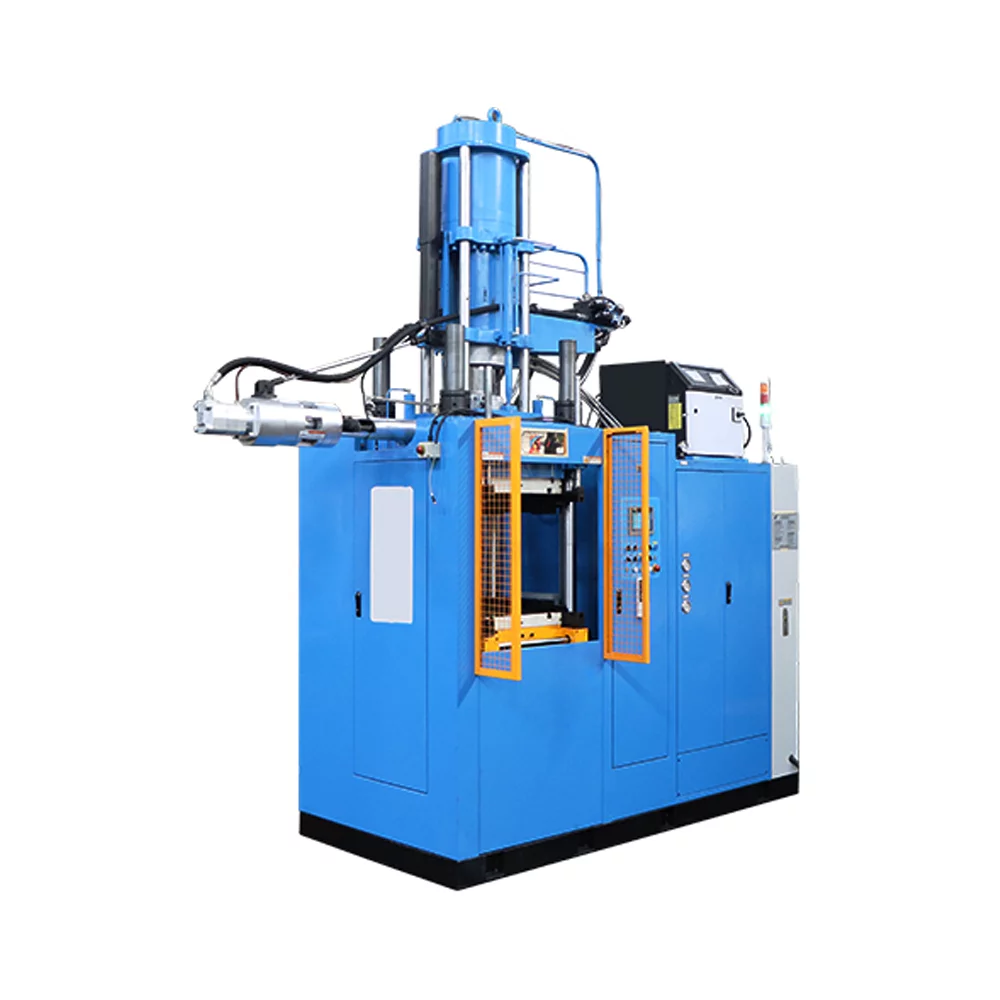
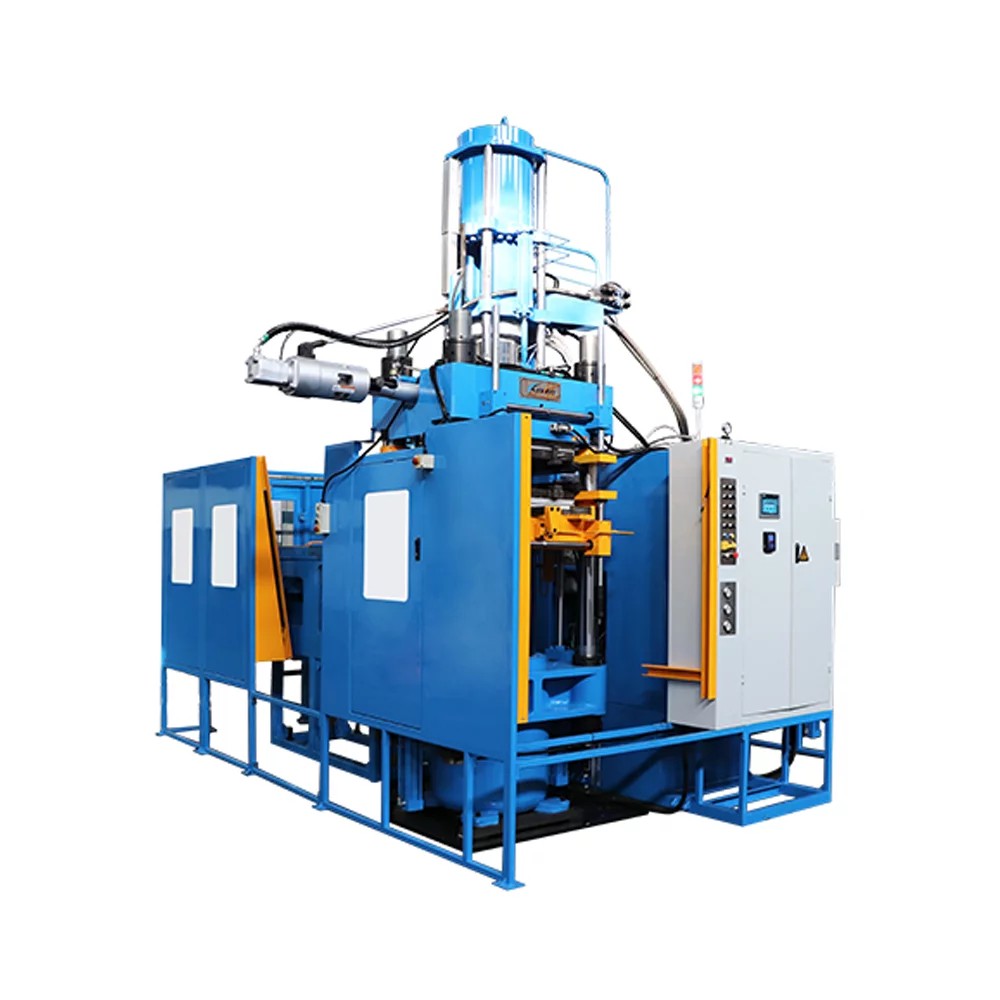
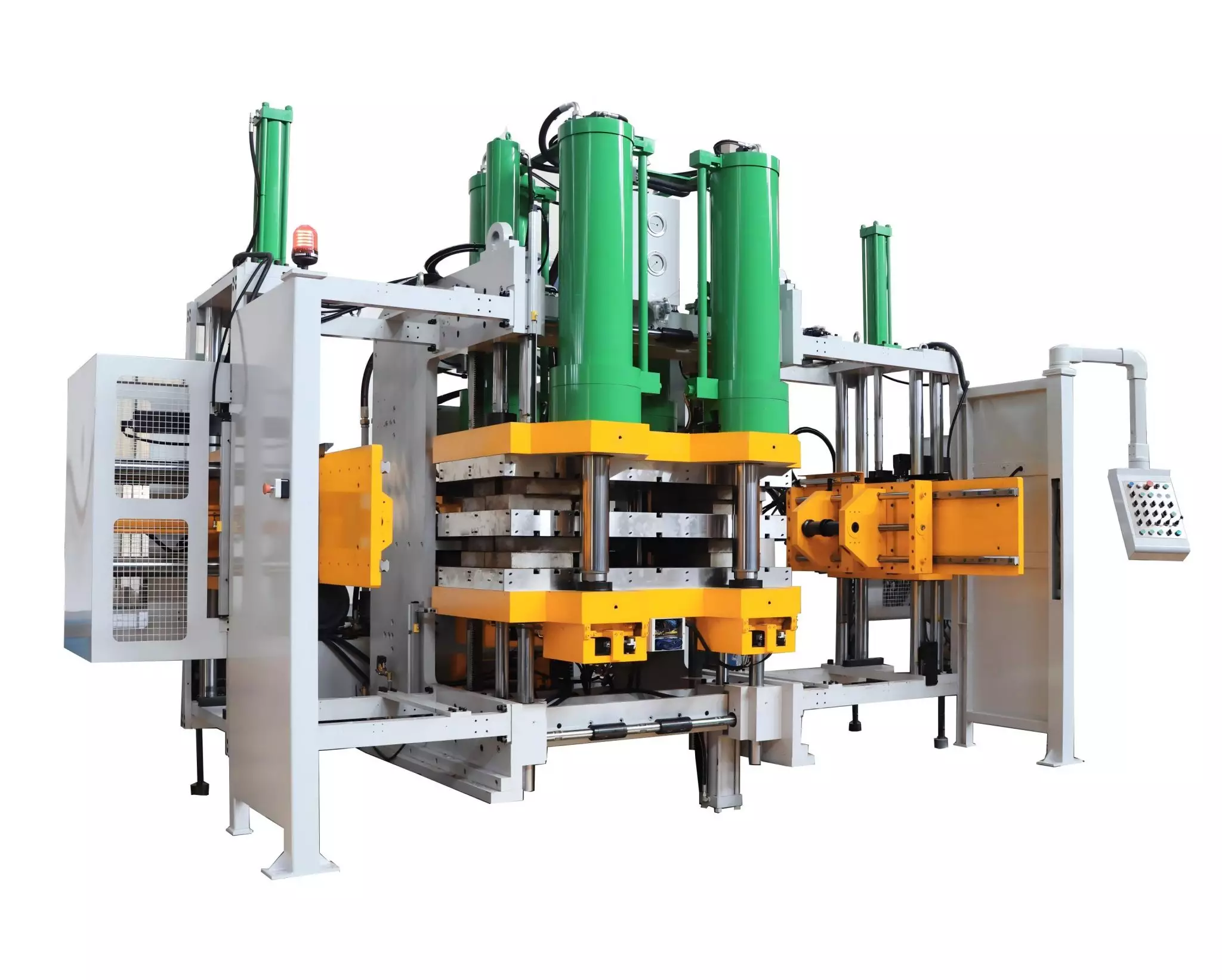
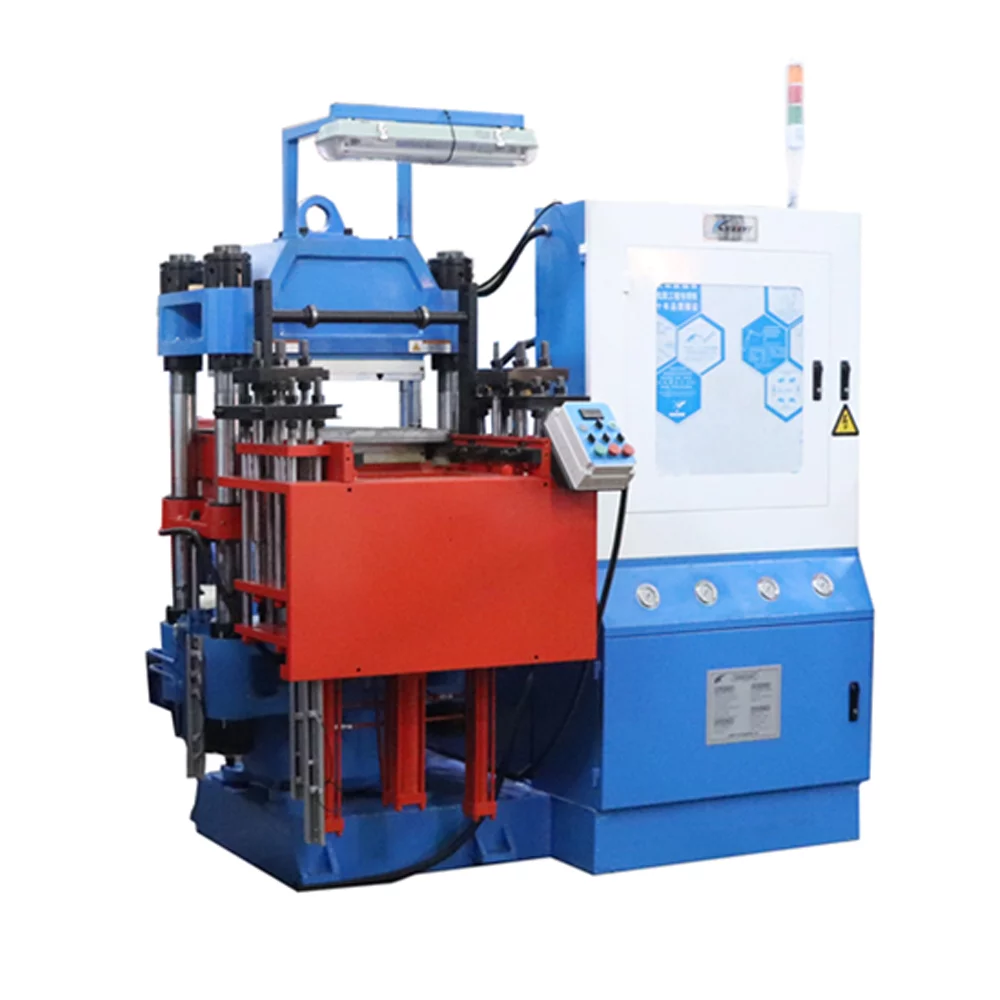
When sourcing a rubber vulcanizing machine or working with a China rubber vulcanizer machine supplier, buyers often focus on quotation price first. In practice, the real cost is shaped by multiple technical and commercial factors that go beyond the machine itself. At HWAYI, we approach vulcanizing machine supply by helping customers understand how each cost element affects long-term operating efficiency, stability, and maintenance needs.
Machine Configuration and Technical Specifications
One of the most significant cost drivers is the machine’s configuration. A rubber vulcanizing machine with higher platen size, higher tonnage capacity, or multi-layer press structure will naturally require stronger frames, upgraded hydraulic systems, and more complex heating control.
Precision temperature control systems, such as PID controllers, also increase manufacturing cost but ensure more stable curing quality. As referenced in industrial equipment analysis, advanced heating and pressure systems significantly improve consistency but also raise production costs due to more sophisticated components and tighter tolerances .
For buyers, the key concern is not just initial price, but whether the configuration matches production volume and product complexity.
Material Selection and Structural Durability
Material quality is another core factor affecting pricing from a China rubber vulcanizer machine supplier. High-strength steel frames, reinforced heating plates, and corrosion-resistant components increase machine lifespan but also add to upfront investment.
Machines designed for heavy-duty vulcanization environments often require thicker structural steel and upgraded insulation layers to handle long production cycles. These upgrades reduce deformation risk and improve long-term stability, which directly impacts total cost of ownership.
Automation Level and Control System Design
Automation is a major differentiator in cost structure. Basic vulcanizing machines rely on manual control of temperature, pressure, and timing, making them more affordable but less consistent.
In contrast, automated systems with PLC control, real-time monitoring, and programmable curing curves increase initial investment. However, they reduce labor dependency and minimize human error, which is often a hidden cost driver in production.
For many industrial users, higher automation levels help stabilize output quality and reduce scrap rates over time.
Supplier Capability and Manufacturing Location
When working with a China rubber vulcanizer machine supplier, pricing differences often come from factory capability rather than just country of origin. Suppliers with in-house machining, assembly, and testing capabilities can better control cost and quality consistency.
Regional labor cost differences, supply chain maturity, and component sourcing efficiency also influence final pricing. As seen in industrial procurement studies, manufacturing location and labor structure significantly affect machinery quotations and final cost levels .
Tooling, Customization, and Engineering Requirements
Customization is another important cost driver. Non-standard platen sizes, special hydraulic systems, or integrated vacuum functions require engineering redesign and longer production lead times.
Tooling adjustments and structural redesign increase upfront cost, especially for low-volume or highly specialized applications. However, they can improve production efficiency and reduce downstream process issues.
After-Sales Support and Total Cost of Ownership
Beyond purchase price, after-sales service significantly impacts total cost. Spare parts availability, installation support, and operator training determine how quickly production can start and how stable long-term operation will be.
A well-supported machine reduces downtime risk, which is often a larger hidden cost than maintenance itself.
Conclusion
The cost of a rubber vulcanizing machine is shaped by configuration, material quality, automation level, supplier capability, and service support. When sourcing from a China rubber vulcanizer machine supplier, focusing only on initial quotation can lead to incomplete cost evaluation.
At HWAYI, we emphasize a total cost perspective, helping buyers align machine specifications with production needs to ensure stable operation, predictable maintenance costs, and long-term value.