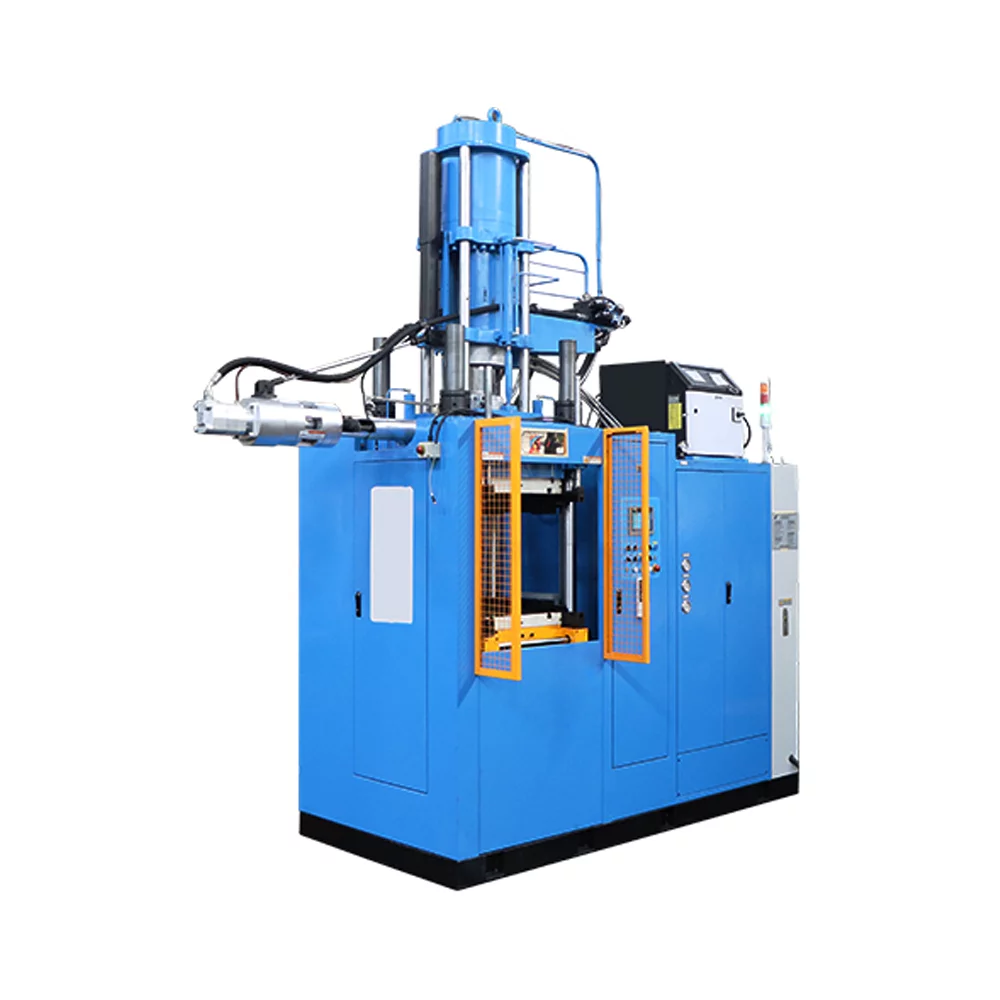
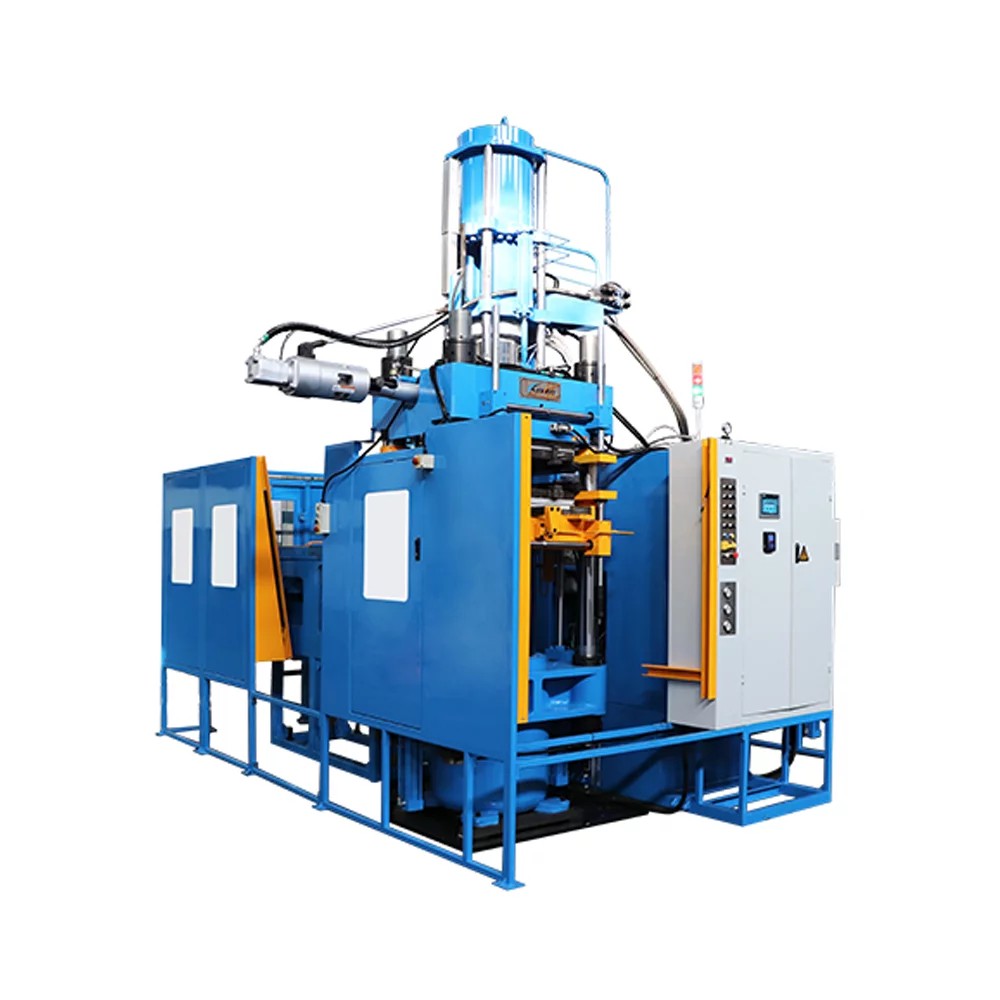
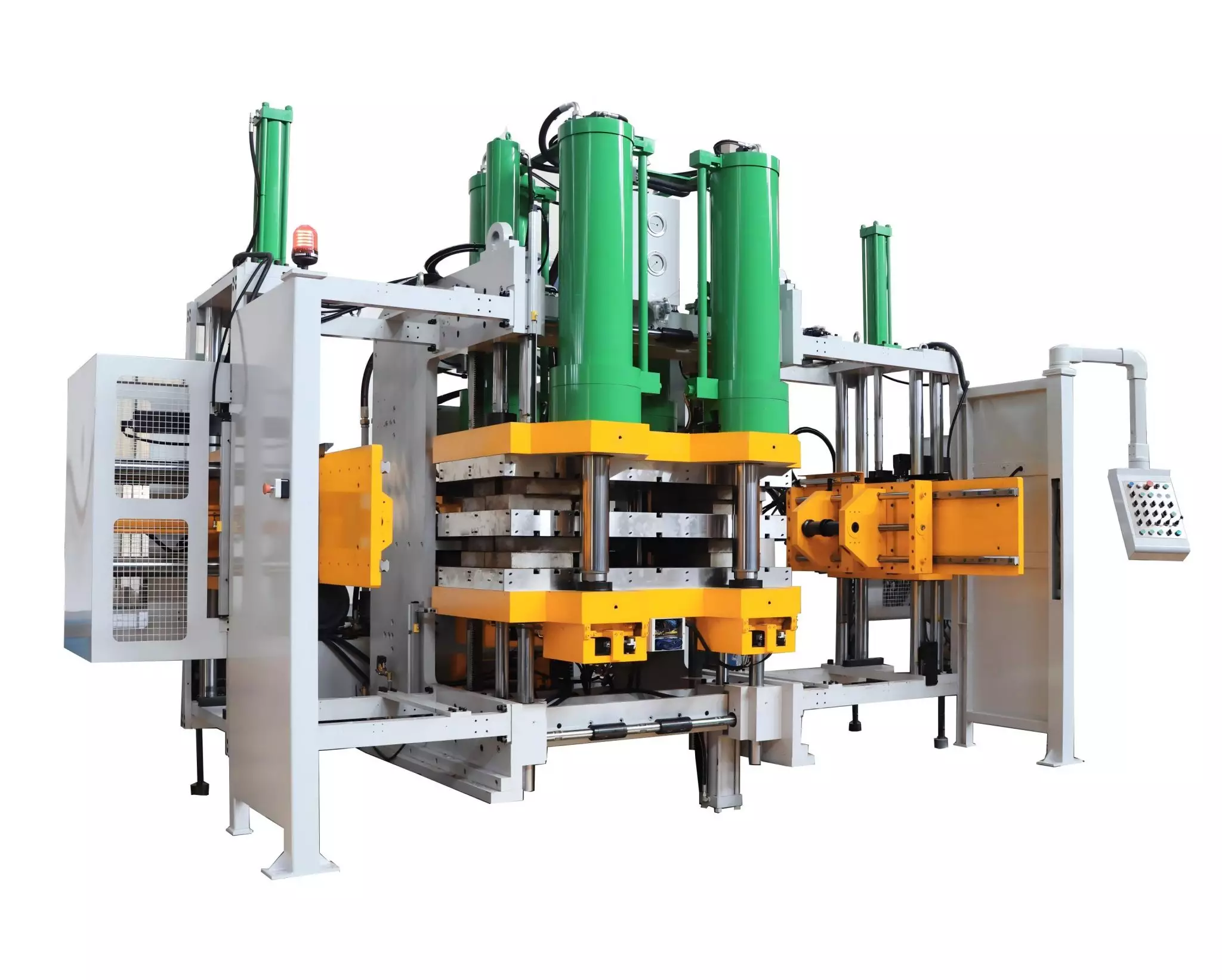
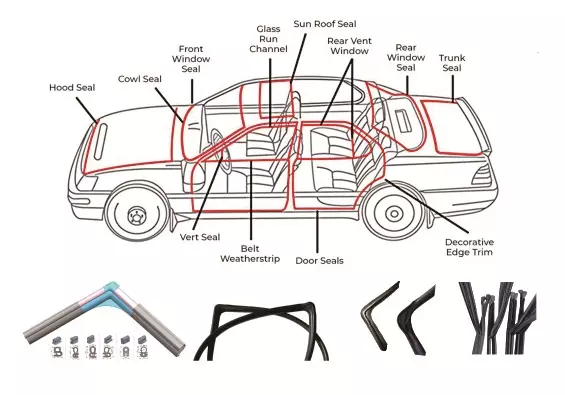
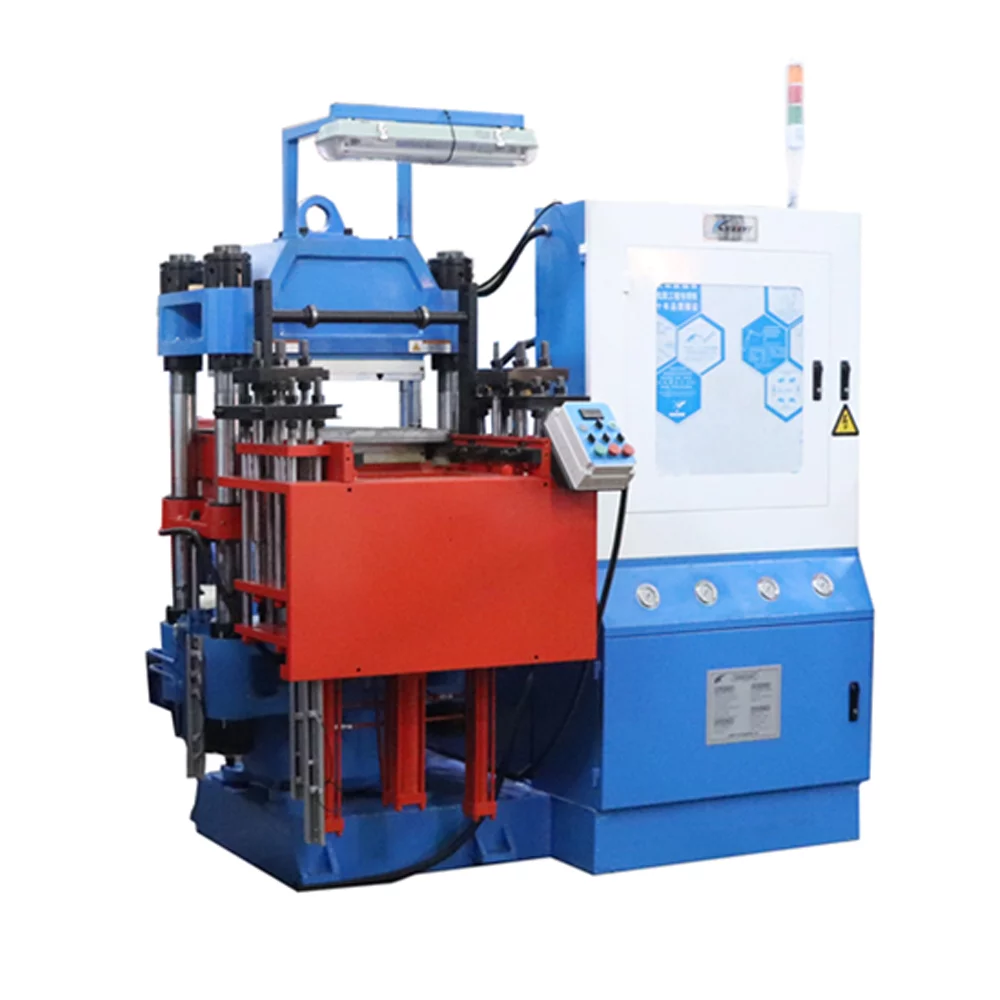
When selecting a rubber vulcanizing machine supplier, manufacturers need more than just equipment specifications. A reliable supplier must demonstrate stable production capability, engineering strength, and consistent after-sales support. For companies evaluating rubber vulcanizing machine options, understanding supplier capacity helps reduce operational risks and ensures long-term production stability.
As a rubber vulcanizing machine supplier, we at HWAYI focus on delivering industrial solutions that meet diverse application needs, from automotive components to heavy-duty rubber products.
- Assess Manufacturing Scale and Production Capability
The first step in evaluating a supplier is understanding their manufacturing scale. A capable supplier should operate a structured production system with machining, assembly, testing, and quality inspection in-house.
At HWAYI, we integrate full-process manufacturing, allowing us to control quality from raw materials to final assembly. A strong production base ensures that rubber vulcanizing machine orders can be delivered consistently, even for customized specifications or large-volume requirements.
Buyers should also check whether the supplier can handle multiple machine series simultaneously. This reflects whether the supplier can support both standard models and tailor-made solutions without delays.
- Evaluate Technical R&D Strength
A professional supplier must have strong engineering capabilities. This includes mechanical design, hydraulic system integration, PLC control programming, and continuous product optimization.
HWAYI has long-term experience in developing rubber vulcanizing machine systems for different industrial uses such as rubber tracks, seals, and insulation parts. A supplier with strong R&D capability can better adapt machines to different curing requirements, temperature accuracy needs, and automation levels.
Technical strength also determines whether the supplier can solve process challenges such as uneven vulcanization, energy efficiency optimization, and mold compatibility.
- Check Quality Control Standards
Quality control is a direct reflection of supplier capacity. A reliable rubber vulcanizing machine supplier should have strict inspection processes for hydraulic stability, temperature control precision, and machine durability testing.
HWAYI applies multi-stage testing before shipment, ensuring stable clamping force, accurate heating platen control, and consistent operational performance. Buyers should confirm whether the supplier follows standardized inspection procedures and uses internationally recognized components.
- Review Application Experience and Industry Coverage
Supplier capacity is also reflected in real application experience. A capable supplier should serve multiple industries such as automotive, rail transport, power systems, and industrial rubber products.
HWAYI provides rubber vulcanizing machine solutions for various production scenarios, including large rubber parts and precision molded components. Wide application coverage shows that the supplier understands different curing processes and material behaviors.
- Evaluate After-Sales Support and Service System
Even high-quality machines require long-term technical support. A strong supplier should offer installation guidance, operator training, spare parts supply, and remote troubleshooting.
At HWAYI, we maintain a dedicated support system to help customers maintain stable production performance throughout the machine lifecycle. Reliable service capability is a key indicator when evaluating any rubber vulcanizing machine supplier.
Conclusion
Evaluating a rubber vulcanizing machine supplier requires a comprehensive review of manufacturing strength, technical expertise, quality control, application experience, and after-sales service. A supplier like HWAYI, with integrated production and engineering capabilities, can better support long-term industrial demands and ensure stable machine performance in diverse applications.