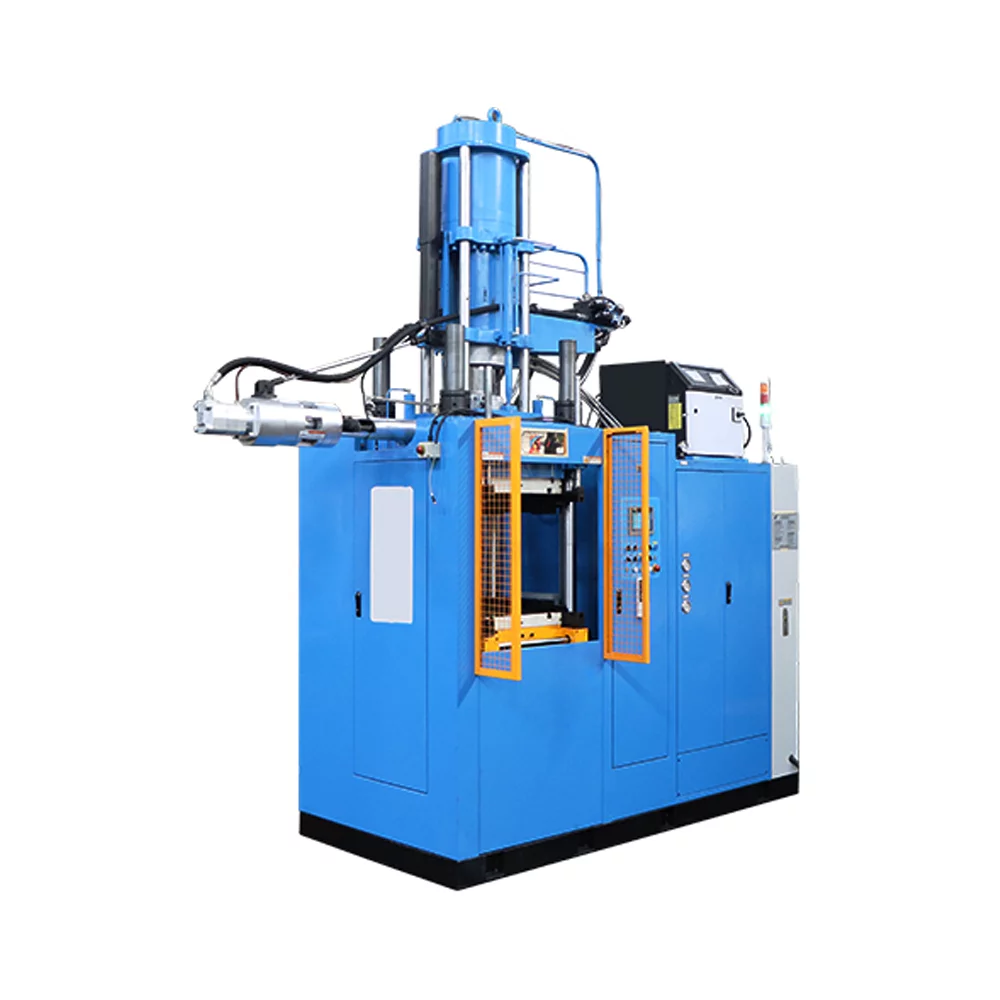
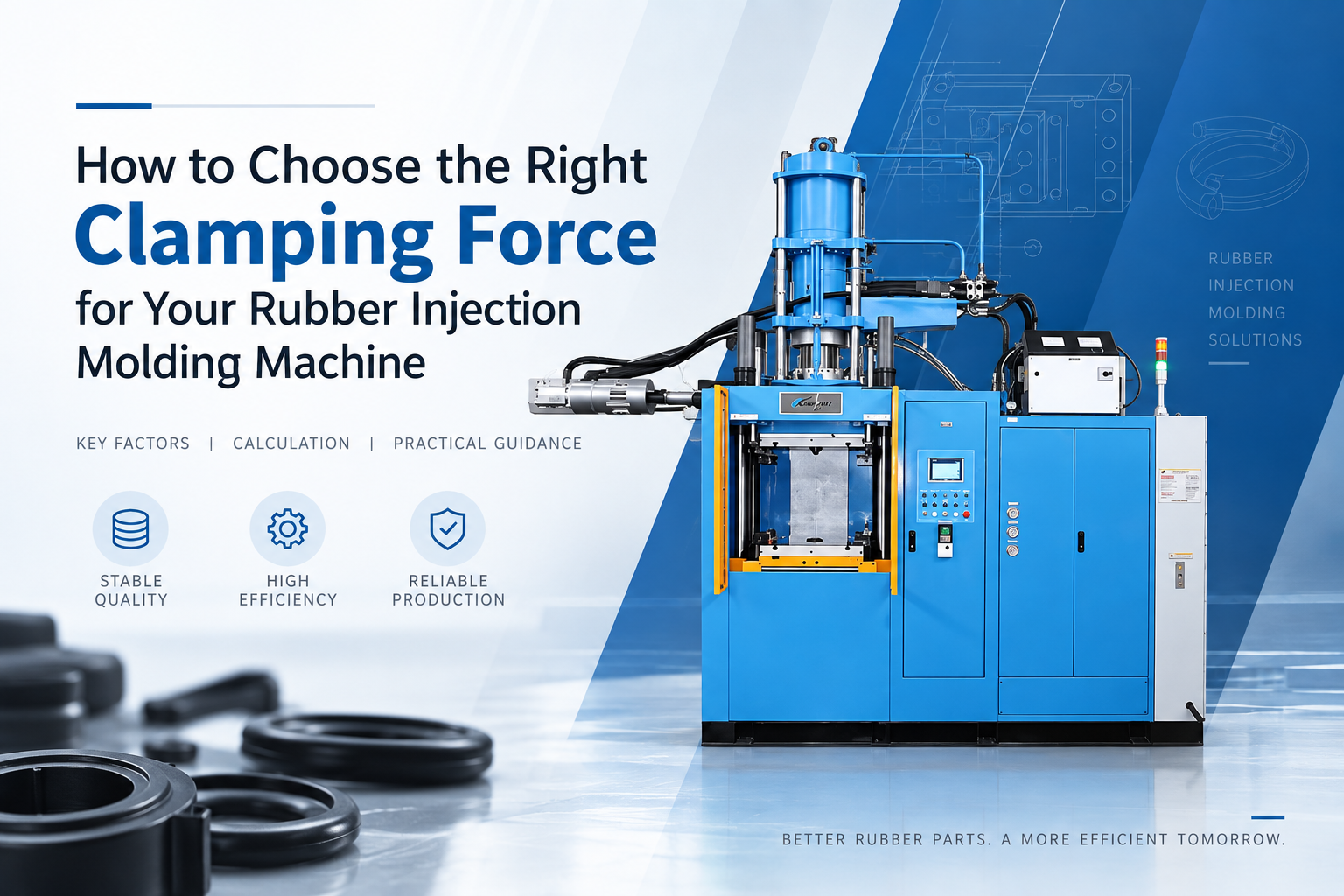
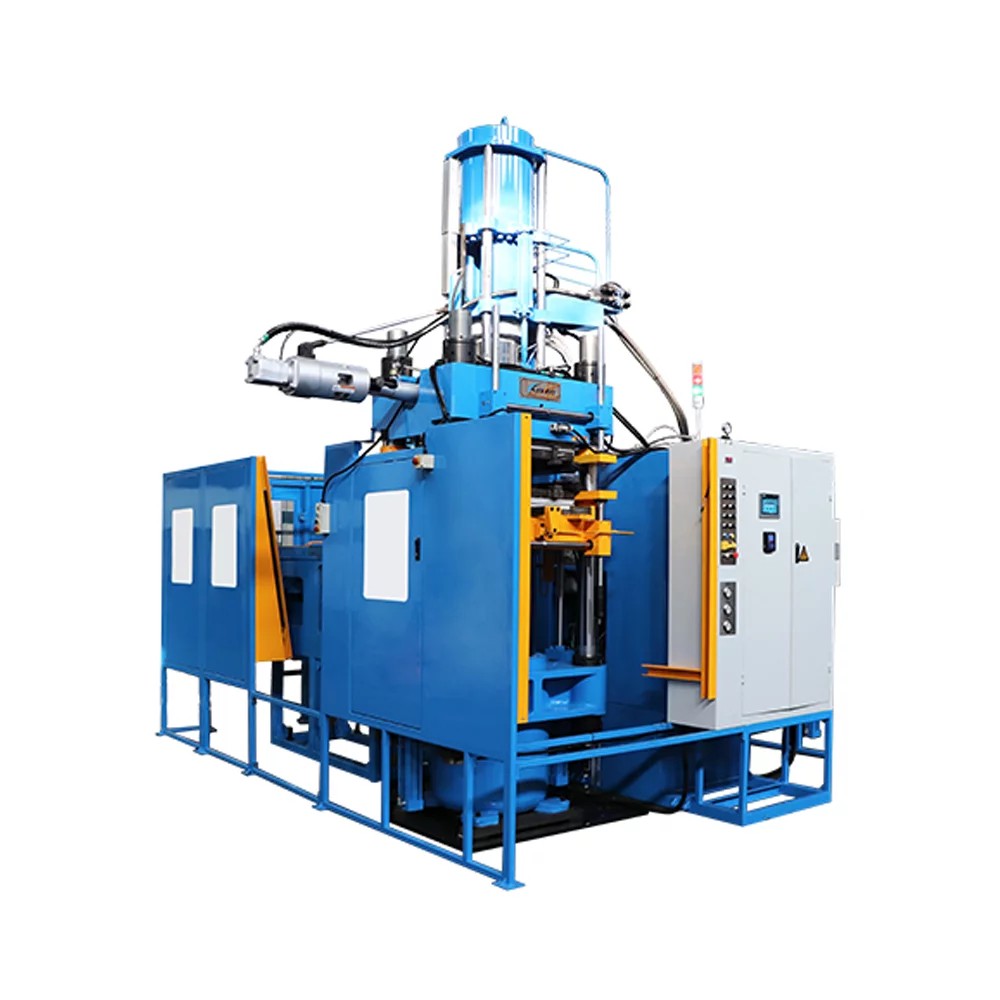
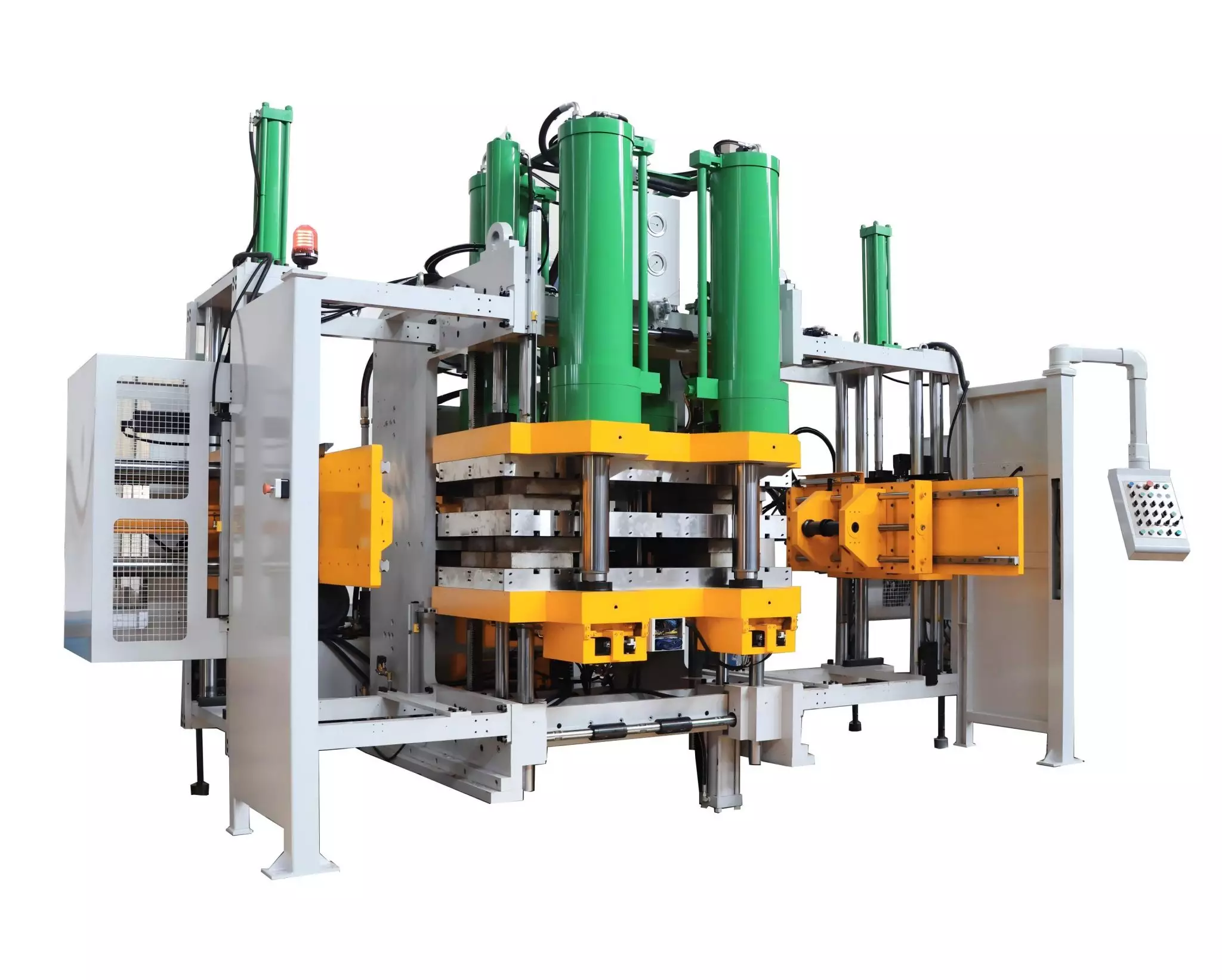
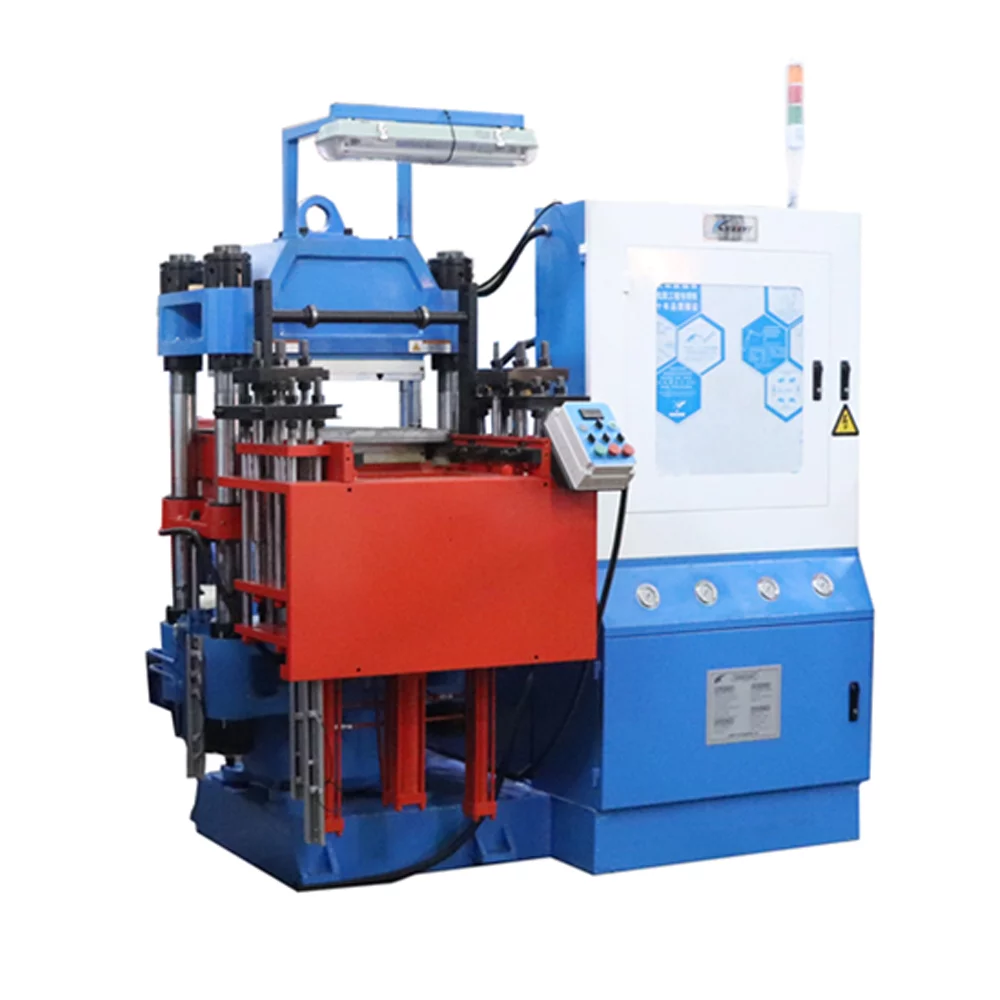
In global rubber manufacturing, the horizontal rubber injection molding machine has become a widely adopted solution for producing high-precision rubber components. Among global suppliers, China horizontal rubber injection molding machines, including solutions from HWAYI, have gained strong attention for their balance of performance, cost efficiency, and engineering adaptability. The key question for many manufacturers is what truly drives this competitiveness in international markets.
Advanced Manufacturing Capability and Engineering Integration
One of the main reasons China-based equipment stands out is the integration of mature mechanical engineering with modern automation systems. A typical horizontal rubber injection molding machine features a horizontally aligned clamping and injection system, which improves material flow stability and mold accessibility during production. This structure is widely recognized for enabling consistent rubber filling and reduced defect rates in high-volume production environments.
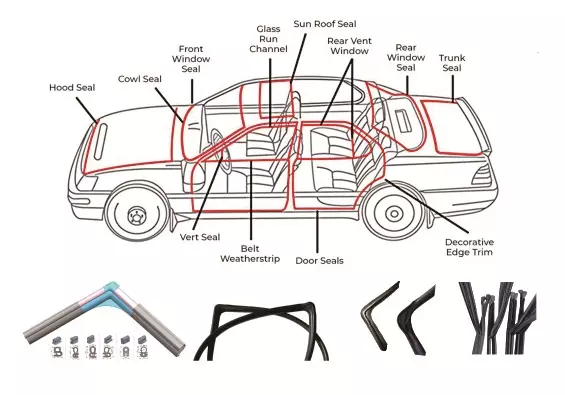
Manufacturers like HWAYI build on this foundation by incorporating stable hydraulic systems, precise control units, and modular machine design. This allows the equipment to support diverse rubber applications such as automotive seals, industrial gaskets, and electrical insulation parts.
Cost Efficiency without Compromising Industrial Performance
A key competitive advantage of China horizontal rubber injection molding machines is cost efficiency achieved through localized supply chains and large-scale manufacturing capacity. Compared with many European or Japanese alternatives, Chinese production ecosystems allow more competitive pricing while still maintaining industrial-grade components and reliable performance standards.
For global buyers, this creates a practical balance between investment cost and long-term production stability, especially for medium and large-scale rubber processing factories.
Strong Adaptability across Industries and Applications
Modern rubber manufacturing requires machines that can handle different materials, molds, and production conditions. Horizontal systems are particularly suitable for large and complex rubber parts, offering stable mold clamping and controlled material distribution.
Within this context, HWAYI machines are designed for industries such as automotive sealing systems, power transmission components, and transportation rubber parts. Their flexibility makes them suitable for both standardized production and customized manufacturing requirements.
Increasing Automation and Process Control Capability
Another factor improving global competitiveness is the continuous upgrade of automation systems. Modern horizontal rubber injection molding machines are equipped with PLC-based control systems, multi-stage injection settings, and adjustable pressure-speed profiles.
These improvements help manufacturers achieve more stable production cycles and reduce variability in finished products. In addition, data-driven monitoring is increasingly used to optimize injection parameters and reduce material waste, aligning with broader smart manufacturing trends in the industry.
Reliable Supply Chain and Global Service Support
China’s machinery sector has developed strong export-oriented service systems. Many suppliers, including HWAYI, provide international installation guidance, spare parts support, and technical training. This service structure reduces downtime risks for overseas manufacturers and improves long-term machine usability.
Combined with established logistics networks, this allows Chinese suppliers to respond efficiently to global demand fluctuations.
HWAYI’s Position in Horizontal Rubber Injection Molding Solutions
As part of this industrial ecosystem, HWAYI horizontal rubber injection molding machines focus on stable performance, structural durability, and application versatility. The company emphasizes precision engineering and long-term operational reliability, which aligns with the requirements of global rubber product manufacturers seeking consistent output quality.
Conclusion
The global competitiveness of China horizontal rubber injection molding machines is driven by a combination of engineering maturity, cost efficiency, automation development, and strong export support systems. We at HWAYI reflect this trend by offering machines that balance precision, stability, and adaptability across industries. As global demand for rubber components continues to grow, these strengths position Chinese manufacturers as key contributors to the international rubber machinery market.