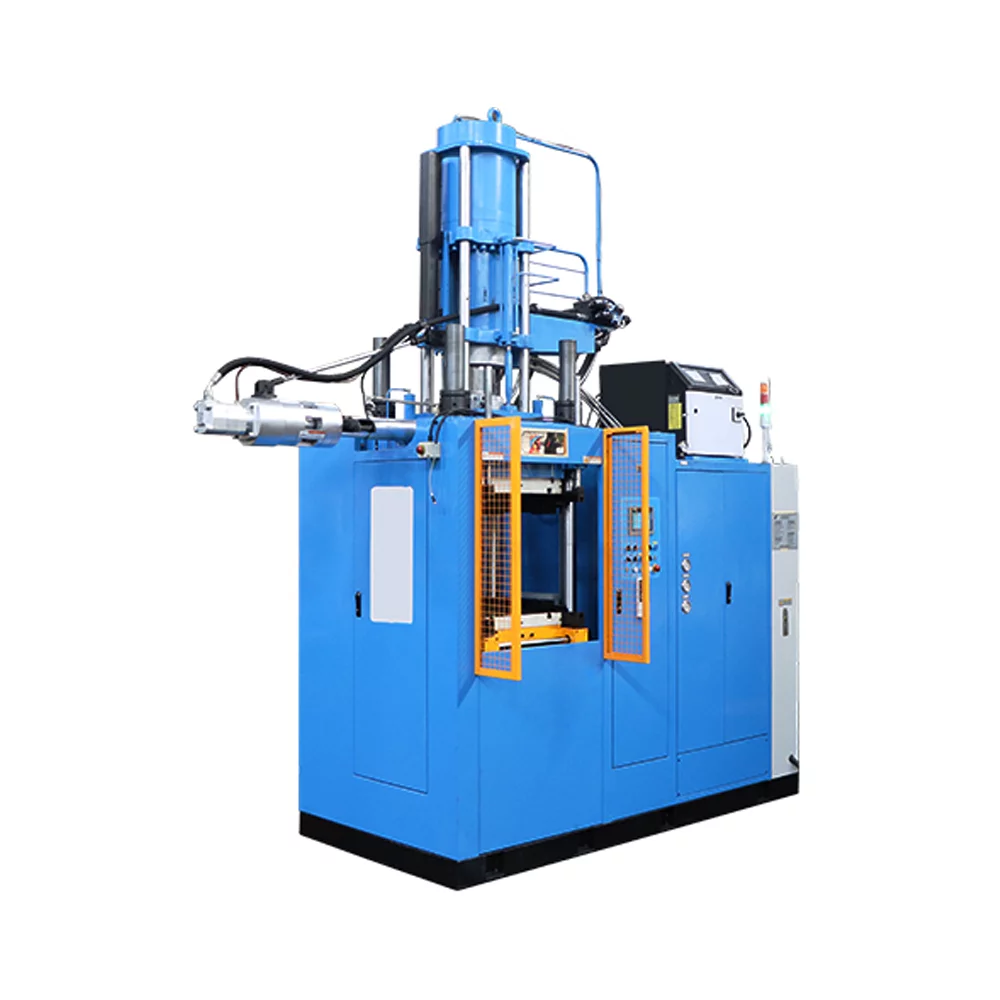
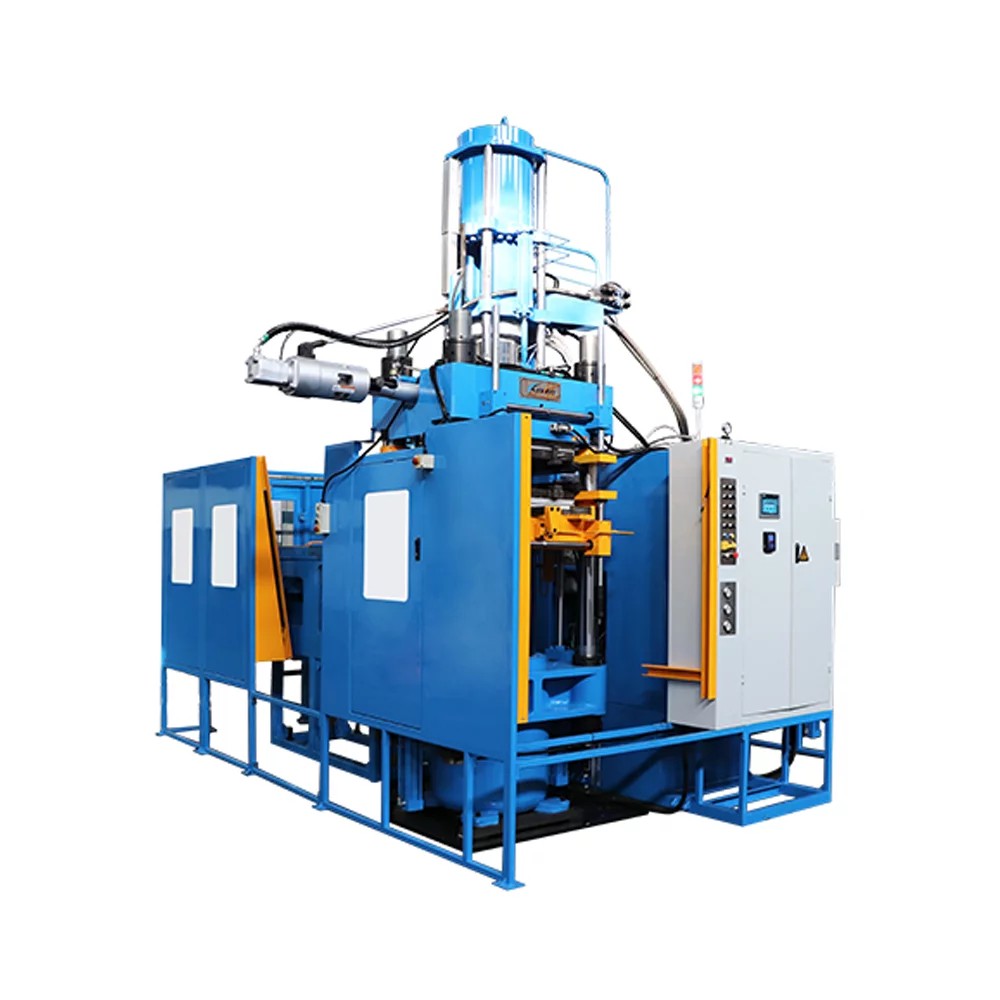
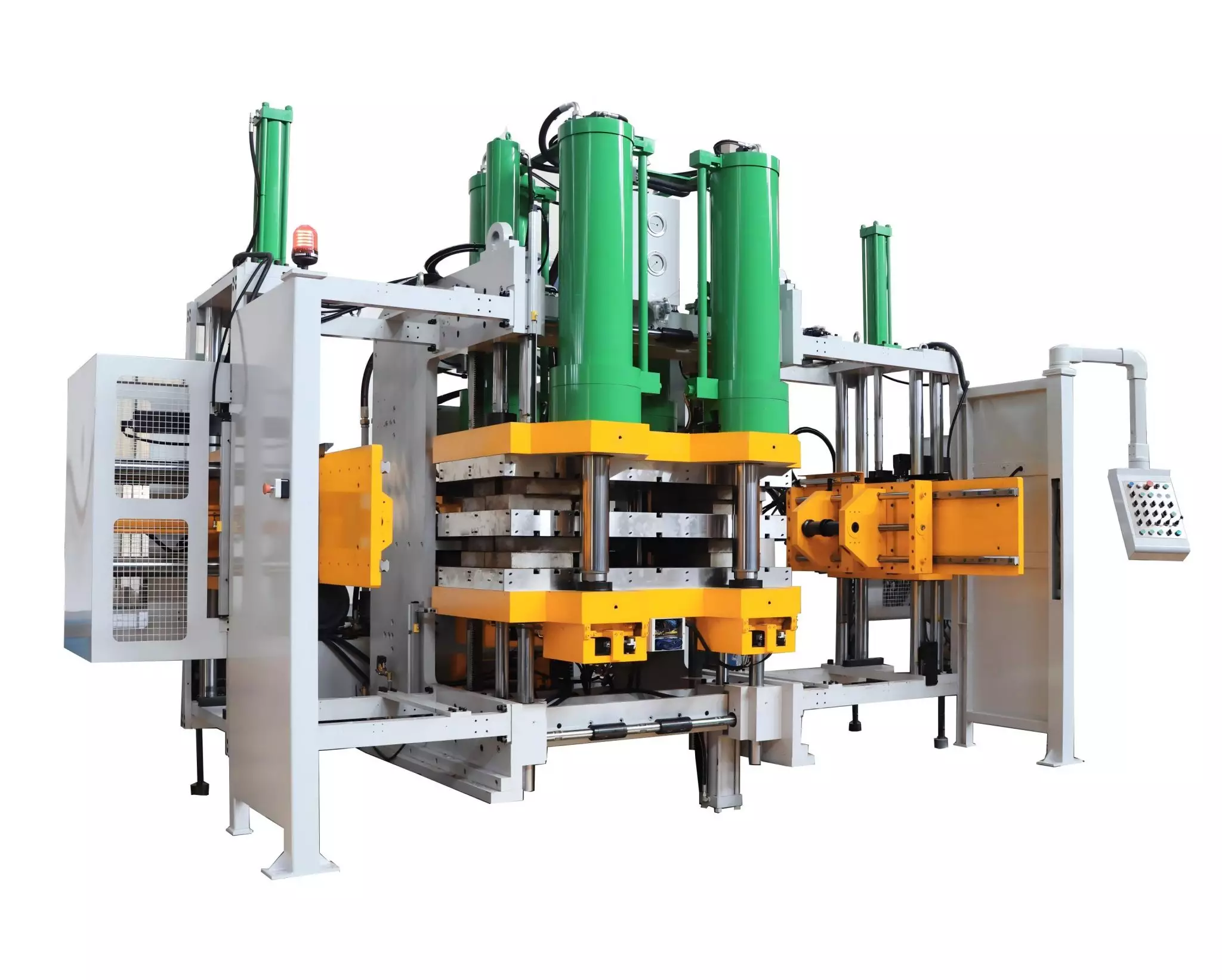
In LSR molding machine and silicone molding machine production, scrap rate control is one of the most important factors affecting cost efficiency and product consistency. Most defects in liquid silicone rubber (LSR) processing are not random. They are usually linked to process instability, mold design limitations, or machine parameter imbalance. At HWAYI, we focus on helping manufacturers stabilize production conditions so that scrap can be reduced in a structured and repeatable way.
Understanding the Main Sources of Scrap
Before optimizing the process, it is important to understand where scrap comes from. In silicone injection molding, the most common defects include flash, air entrapment, incomplete filling, and curing variation. These are typically caused by excessive injection pressure, insufficient clamping force, poor venting, or uneven mold temperature distribution. LSR material’s low viscosity also makes it easier for material to escape mold gaps, increasing flash risk if the system is not well controlled.
For silicone molding machine users, scrap reduction begins with identifying whether the issue is machine-related, mold-related, or process-related.
Process Control in LSR Molding Machine Operation
Stable process parameters are the foundation of low scrap production. Injection speed and pressure must be carefully balanced. If injection is too fast, air can be trapped inside the cavity, leading to bubbles or burn marks. If pressure is too high, flash defects increase.
A controlled and repeatable filling phase helps ensure consistent part quality. Many production lines improve stability by standardizing injection profiles and avoiding frequent manual adjustments during mass production.
At HWAYI, we recommend maintaining a consistent curing temperature range and monitoring cycle time closely, as inconsistent curing often leads to tearing or incomplete demolding.
Mold Design and Venting Optimization
Even the most advanced silicone molding machine cannot compensate for poor mold design. Venting is especially critical in LSR applications because trapped air is easily compressed and causes defects.
Improving vent placement, cleaning vent channels regularly, and ensuring proper parting line sealing can significantly reduce scrap caused by air traps and short shots. In addition, mold surface quality must be smooth and uniform to avoid sticking and flash formation.
A well-optimized mold reduces dependency on operator adjustments and improves long-term production stability.
Machine Stability and Maintenance in Silicone Molding Machine Systems
Scrap rates often increase when machine systems are unstable. Hydraulic pressure fluctuations, worn seals, or inconsistent dosing systems can all lead to variation in shot size and pressure.
Regular maintenance of the LSR molding machine is essential. Checking injection unit seals, verifying pressure consistency, and ensuring proper mixing ratios all help maintain process repeatability.
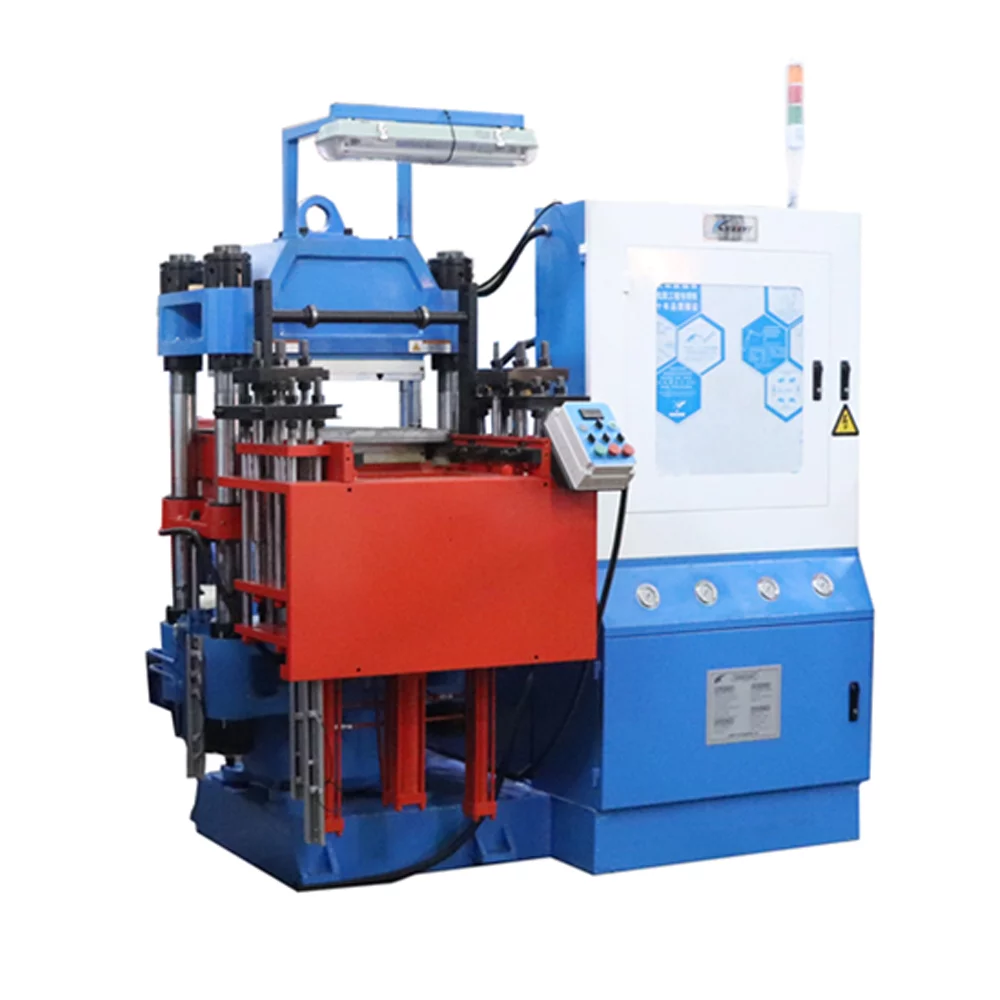
HWAYI silicone molding machine systems are designed with stable pressure control and precise dosing capability to reduce these variations during continuous production.
Conclusion
Reducing scrap in silicone molding machine production requires a combined approach of stable machine performance, optimized mold design, and well-controlled process parameters. By focusing on pressure balance, venting efficiency, and curing consistency, manufacturers can significantly improve output quality and reduce waste.
At HWAYI, we support manufacturers in achieving stable and efficient LSR molding machine production through reliable equipment design and process-oriented solutions.