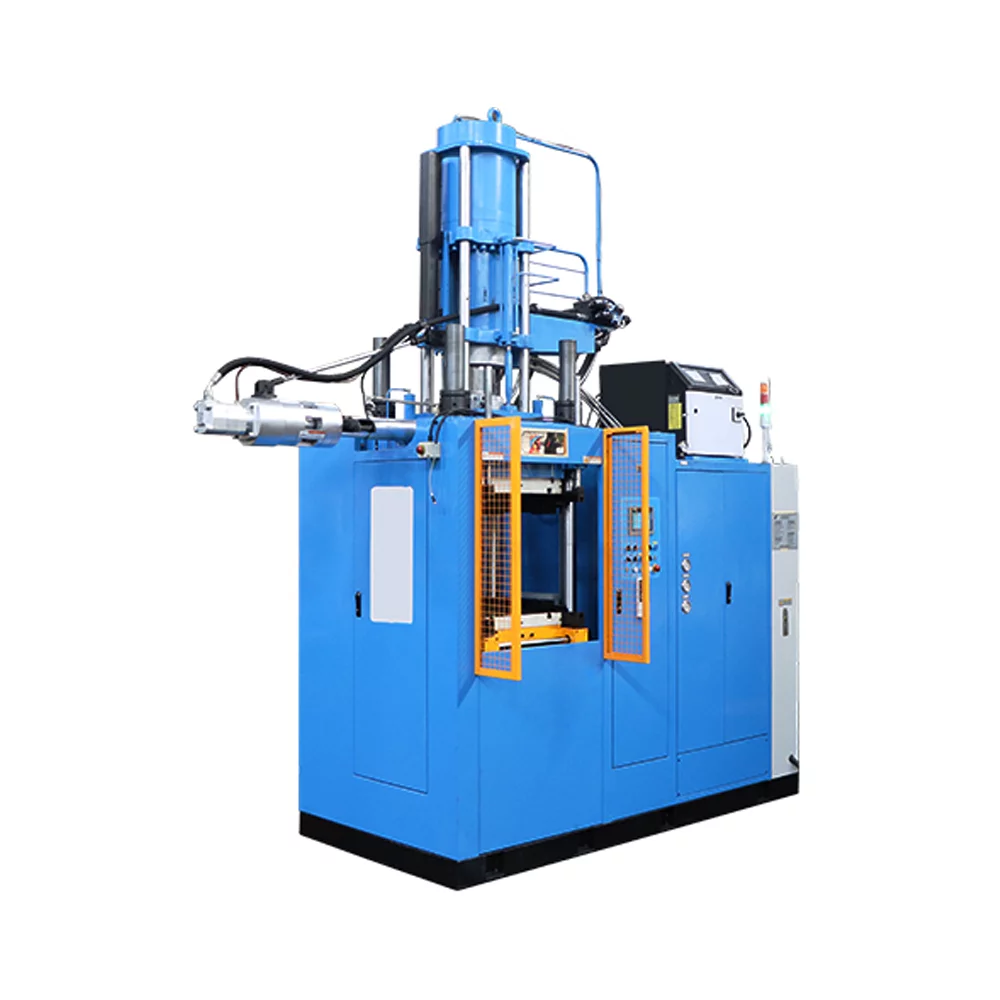
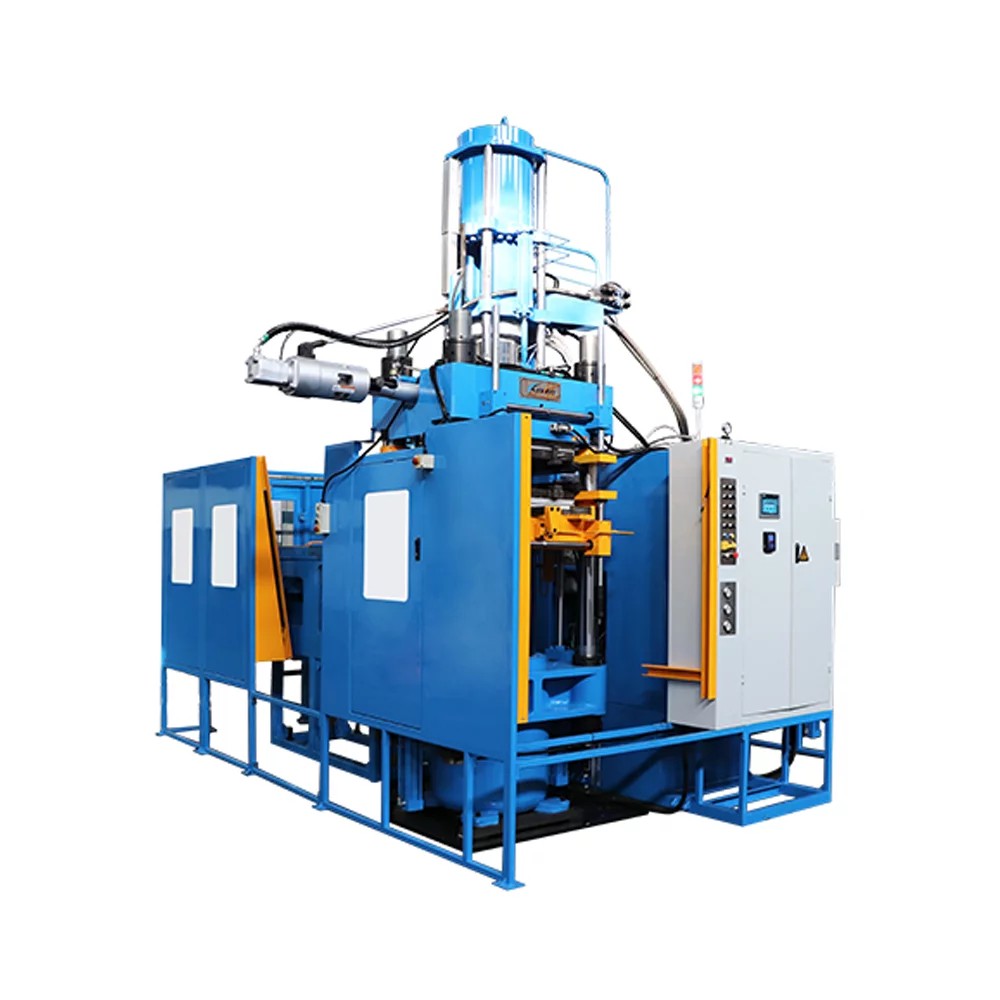
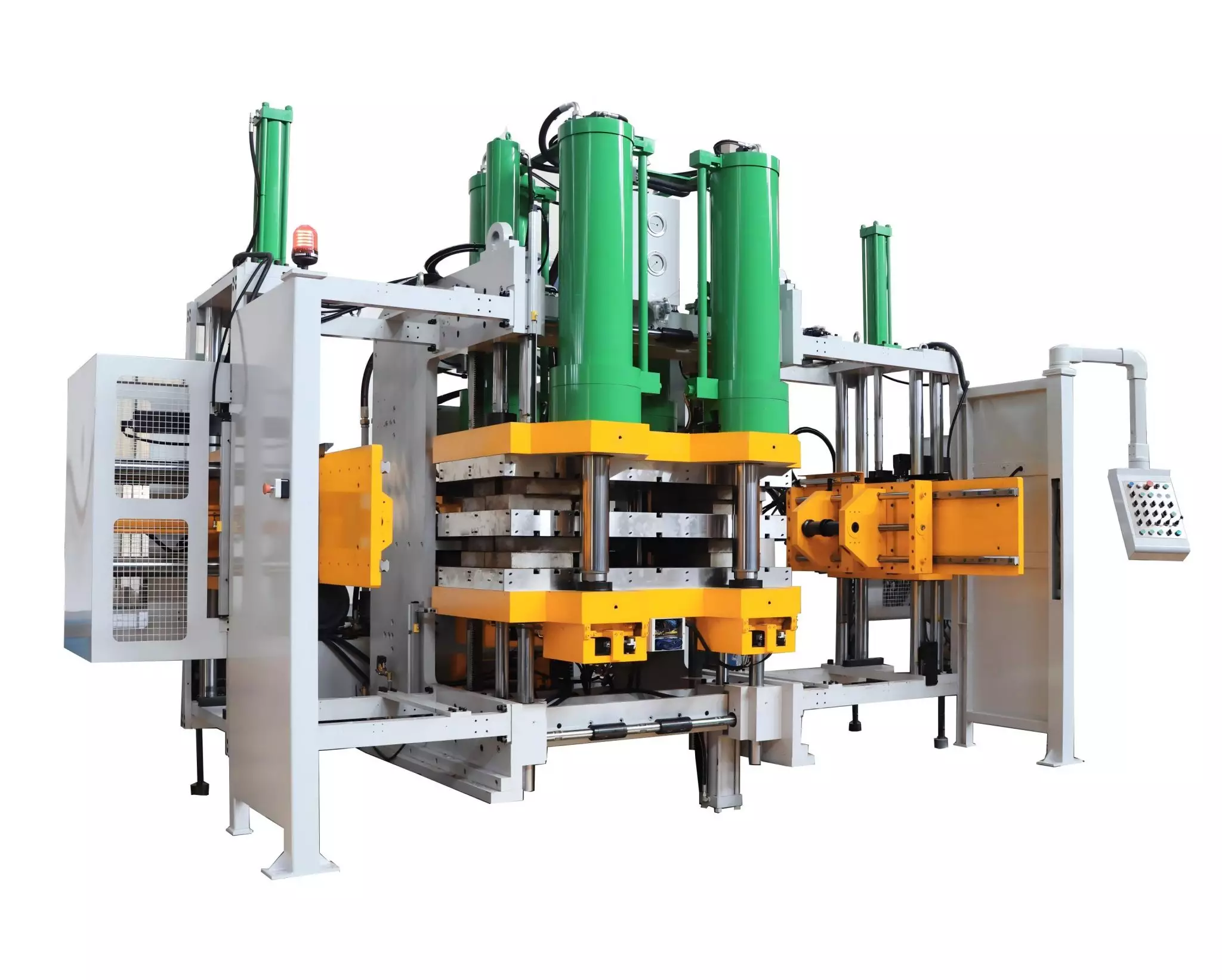
At HWAYI, we empower industrial users to understand the critical link between equipment selection and production stability. Choosing a horizontal rubber injection molding machine depends on more than just specifications; it requires precise alignment with process compatibility and assembly line integration. By prioritizing operational performance and spatial efficiency during the early planning stages, manufacturers can significantly mitigate production risks and maximize long-term equipment utilization.
Understanding Machine Configuration for Stable Output
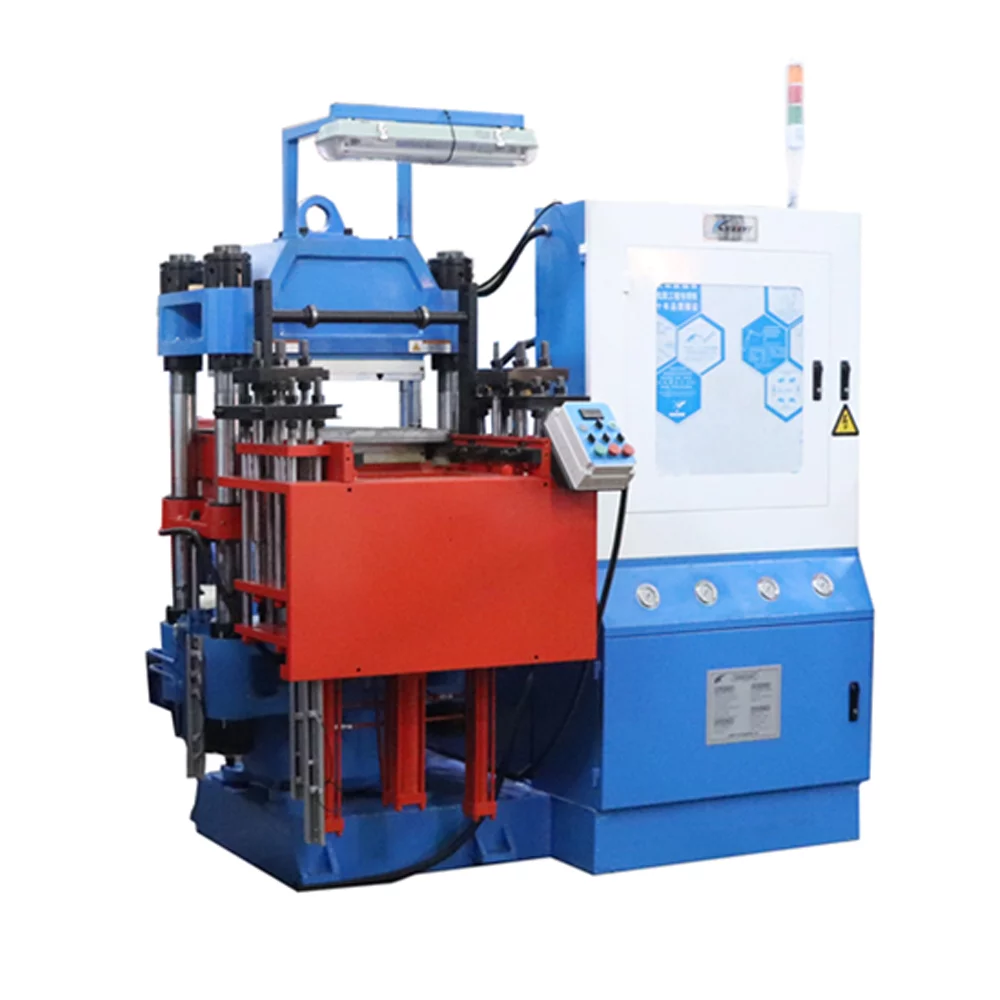
We often guide production teams to evaluate configuration details before selecting core equipment. At HWAYI, our experience shows that process compatibility is more important than isolated specifications. A horizontal rubber injection molding machine can provide stable pressure control in continuous production environments, especially when precision and repeatability are required. In addition, an injection molding machine horizontal layout is commonly preferred in factories that prioritize space efficiency and simplified maintenance access. Our engineering discussions usually focus on matching equipment design with real production line constraints, rather than only theoretical performance values. This approach ensures practical alignment between machinery selection and actual manufacturing demands in diverse industrial projects. It also supports smoother installation planning and long-term operational reliability for clients needs alignment.
Application Considerations in Real Projects
In real project environments, we continue to emphasize the importance of aligning machinery capabilities with production goals. HWAYI works closely with industrial clients to review process requirements and identify suitable equipment configurations. A horizontal rubber injection molding machine is often selected for applications that require consistent molding quality under varying operating conditions. Meanwhile, an injection molding machine horizontal structure supports smoother workflow integration, particularly in multi-stage production systems. Our approach focuses on practical usability, ensuring that technical decisions are grounded in actual manufacturing needs rather than assumptions. This ensures better consistency across production cycles and improves coordination between different processing stages. It also reflects our commitment to practical engineering solutions for industrial users in complex manufacturing settings real world use.
Conclusion
Selecting equipment for rubber processing projects requires a balanced understanding of technical performance, production requirements, and long-term operational considerations. Throughout our work, we focus on helping clients make informed decisions based on real application needs rather than isolated specifications. This approach supports more stable production planning and reduces uncertainty during equipment integration. We also emphasize the importance of matching machinery characteristics with specific industrial scenarios, ensuring that each production line can operate with consistent efficiency. By maintaining close communication with clients during the selection process, we aim to support more reliable and practical project outcomes across different manufacturing environments for long term stability and efficiency overall impact.