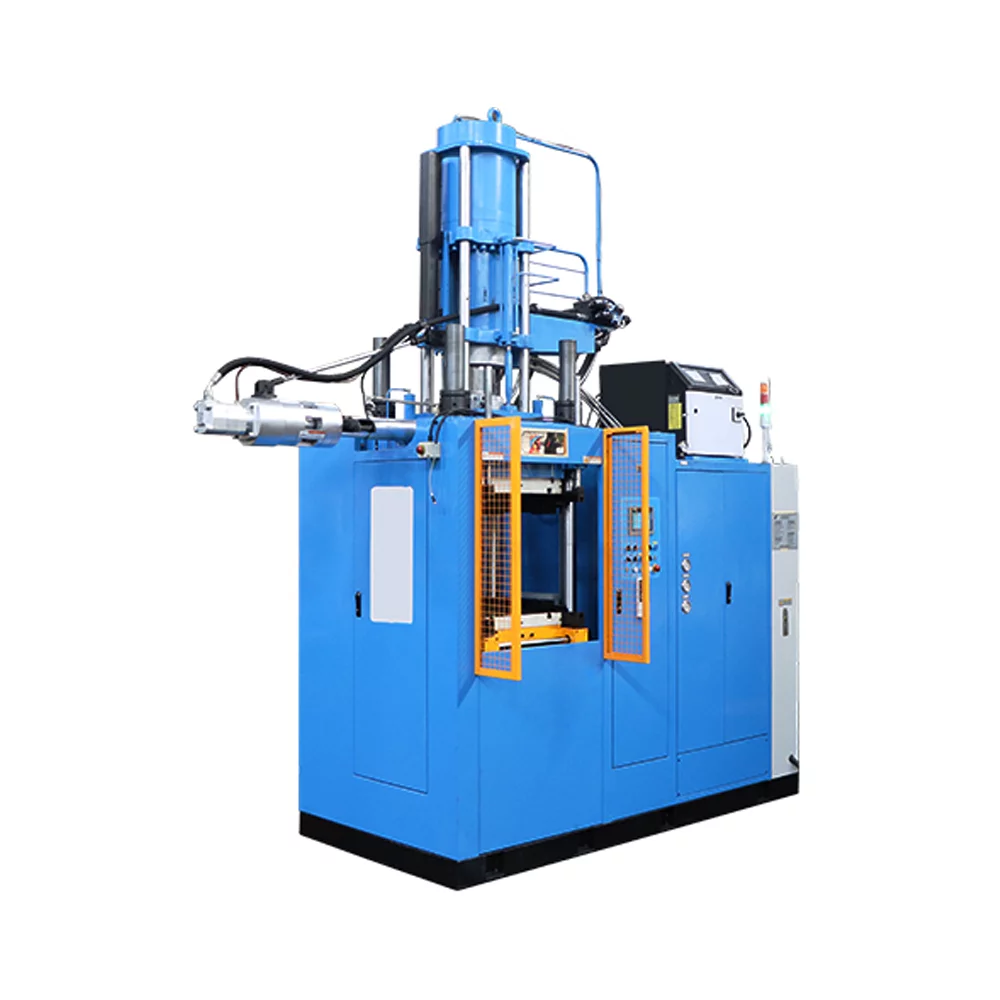
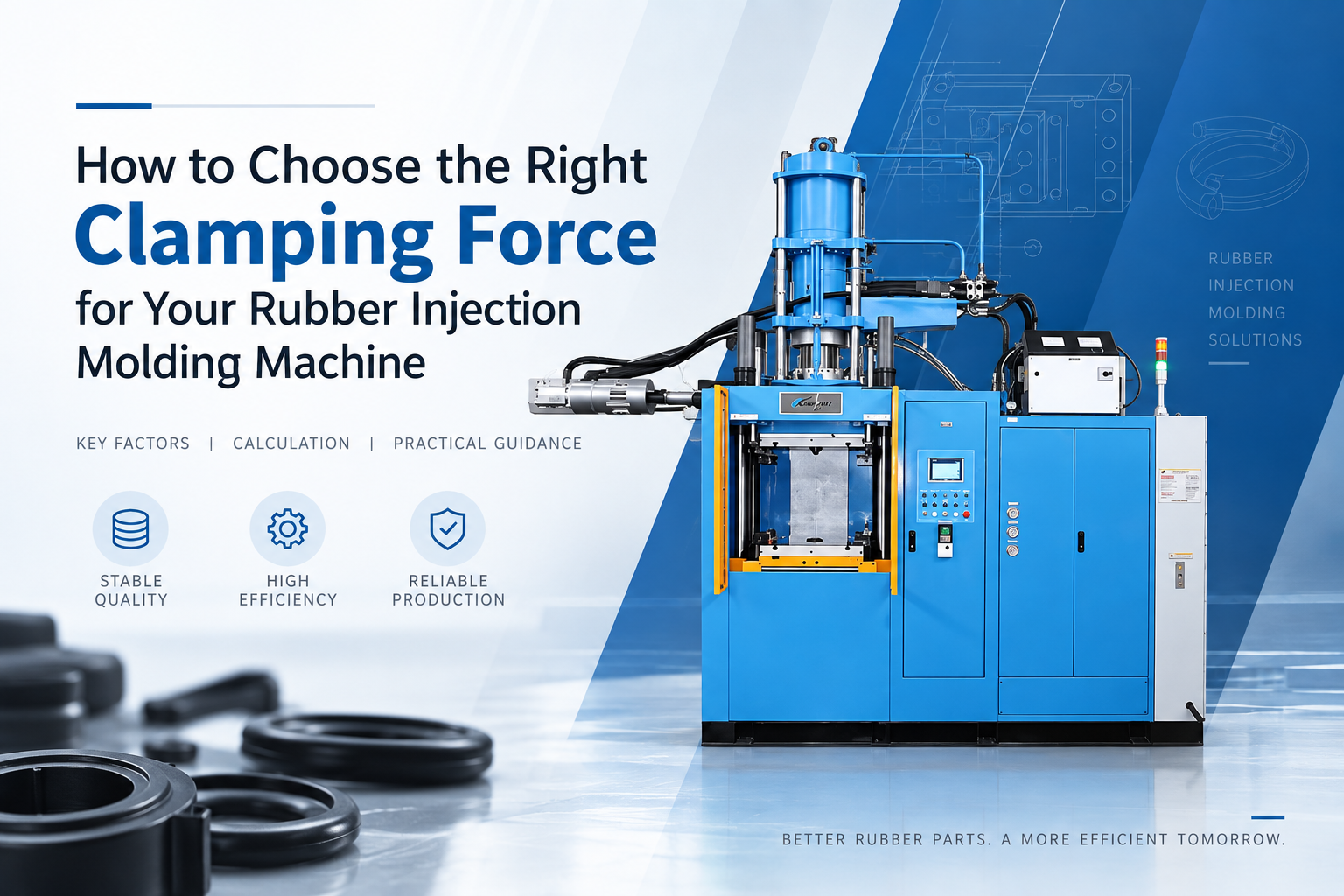
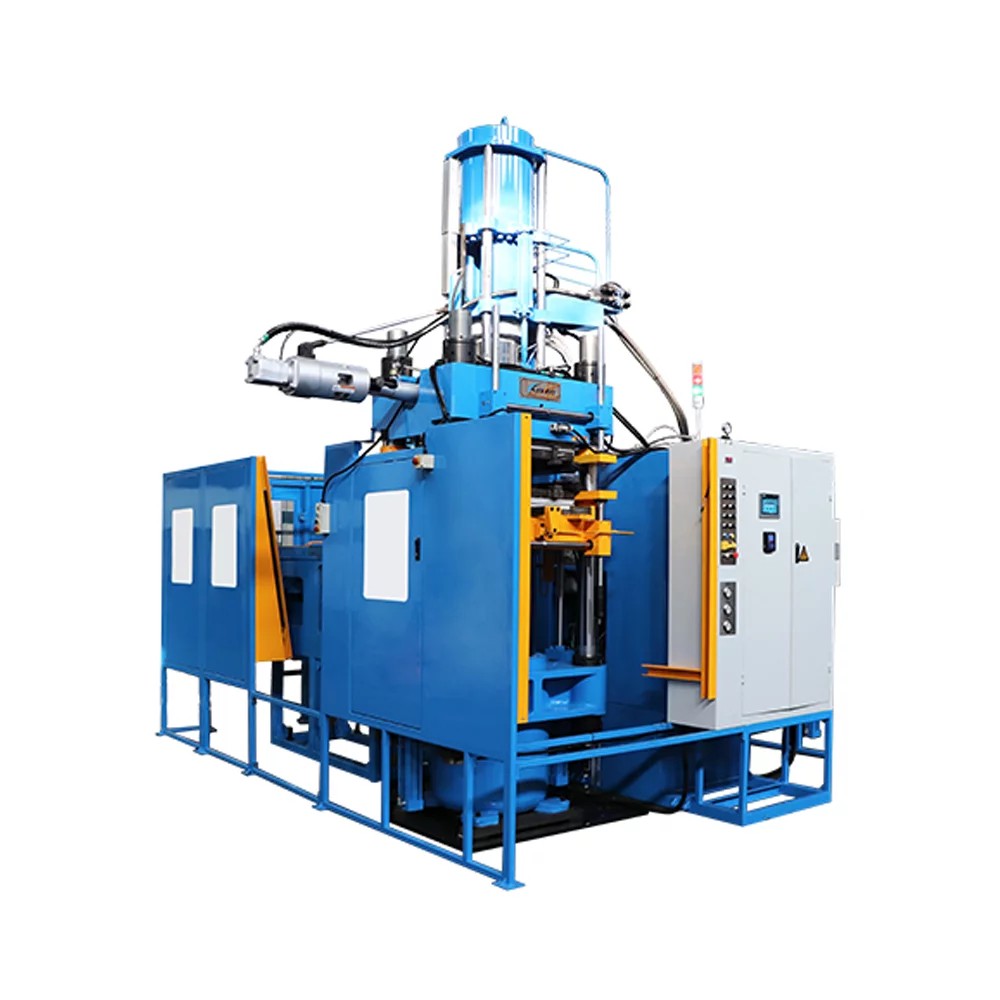
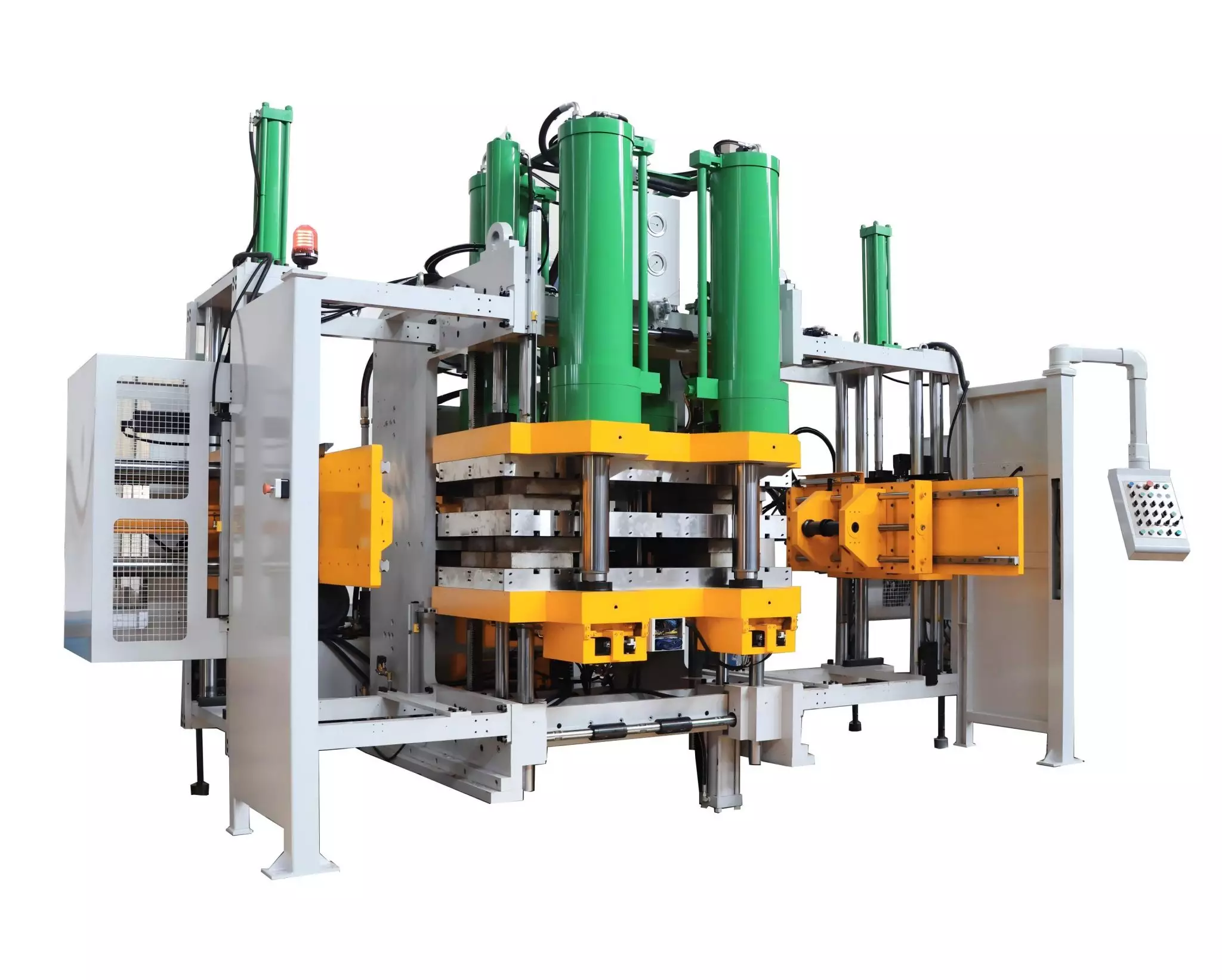
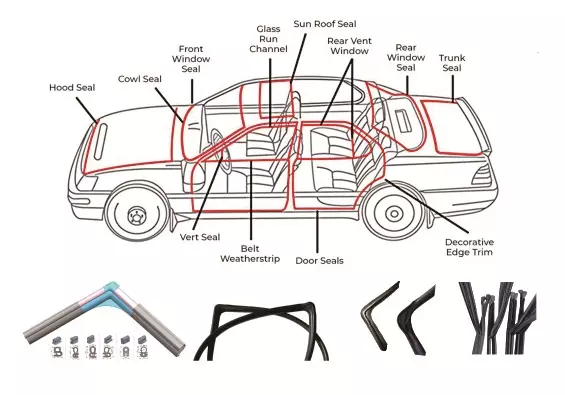
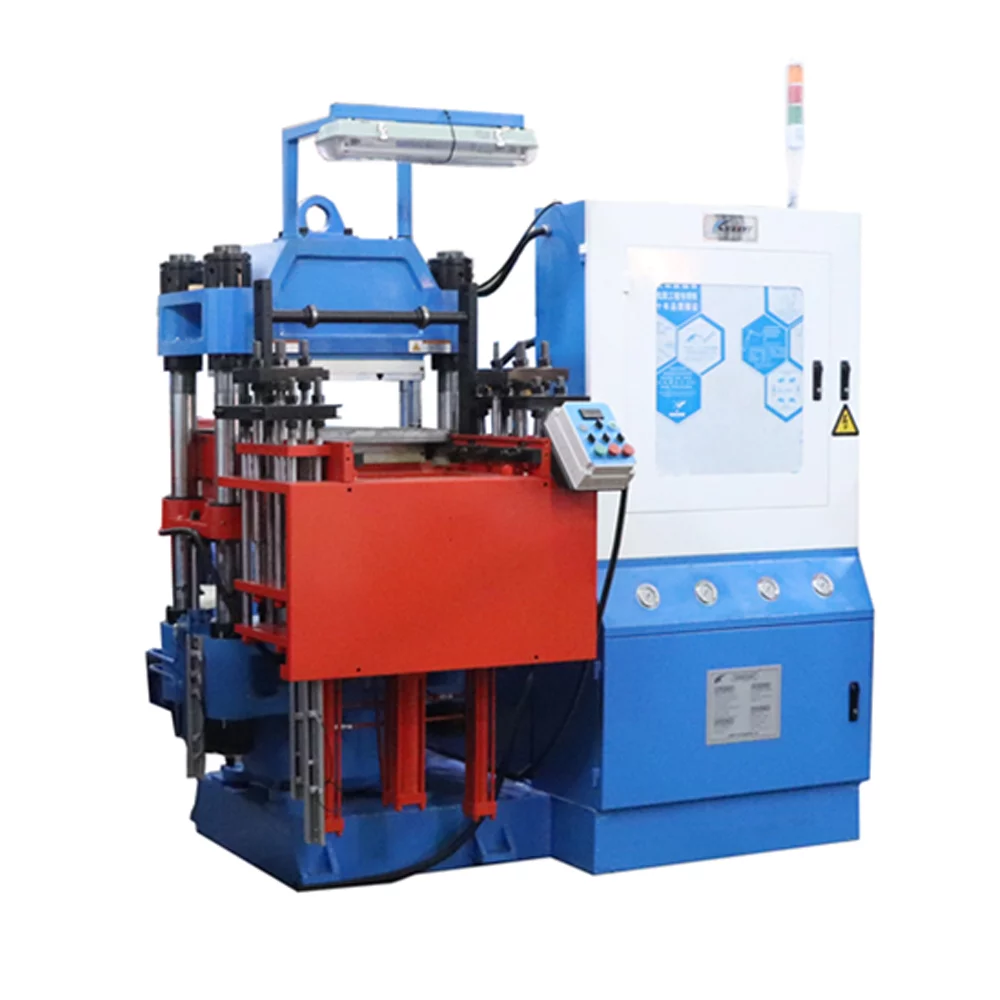
We at HWAYI observe that heating consistency in the barrel directly influences compound flow stability and cycle behavior in our horizontal rubber injection molding machine. When temperature zones are uneven, our horizontal injection machine may show variation in curing speed and part density, affecting downstream processing and overall production balance in practical applications across rubber manufacturing lines in real production environments and quality control.
Heat Distribution and Process Stability
In our engineering practice at HWAYI, we focus on maintaining stable barrel heating profiles to ensure consistent material plastification during rubber processing operations. Uneven temperature distribution can affect the horizontal rubber injection molding machine, leading to variations in viscosity and flow behavior of compounds within the screw and barrel system. This condition also influences the horizontal injection machine output, where inconsistent heating may reduce cycle repeatability and affect dimensional accuracy in molded rubber components. We also integrate design adjustments across our molding systems to support stable production in automotive and electrical insulation applications. Barrel heating uniformity is therefore treated as a core parameter in process calibration and long term production consistency. We evaluate how controlled heating zones contribute to stable plasticization, reduced material waste, and predictable curing behavior, while also supporting operator adjustments and maintenance planning across different production environments and helping maintain consistent output quality across continuous manufacturing schedules.
Uniform Heating and Output Control
Maintaining uniform barrel heating is essential when operating high pressure rubber forming systems across different production requirements. The horizontal rubber injection molding machine benefits from evenly distributed thermal energy, which supports stable flow and reduces internal stress during molding cycles. Similarly, the horizontal injection machine relies on controlled barrel zones to maintain consistent output quality across different rubber compound formulations. In our system design approach, we also consider integration with upstream feeding and downstream curing stages. This ensures process continuity in automotive sealing parts and electrical insulation production environments. Thermal stability within the barrel directly influences compound dispersion and curing response time. We therefore emphasize precise temperature zoning design, sensor feedback control, and maintenance planning to reduce fluctuations in heating profiles, ensuring that production lines operating in rubber manufacturing environments maintain consistent throughput, improved material utilization, and stable forming behavior across long production cycles in automotive sealing and power transmission component fabrication processes supporting reliable industrial output stability and efficiency in real manufacturing operations settings.
Conclusion and Process Insight
We conclude that barrel heating uniformity remains a key factor in stable rubber molding performance. At HWAYI, we continue to refine thermal control strategies to support consistent industrial operation across different applications. Our experience shows that process stability is closely linked with equipment design and maintenance practices, especially in demanding production environments. We emphasize the importance of controlled heating uniformity to ensure repeatable output quality and reliable performance in industrial rubber injection systems overall conditions settings.