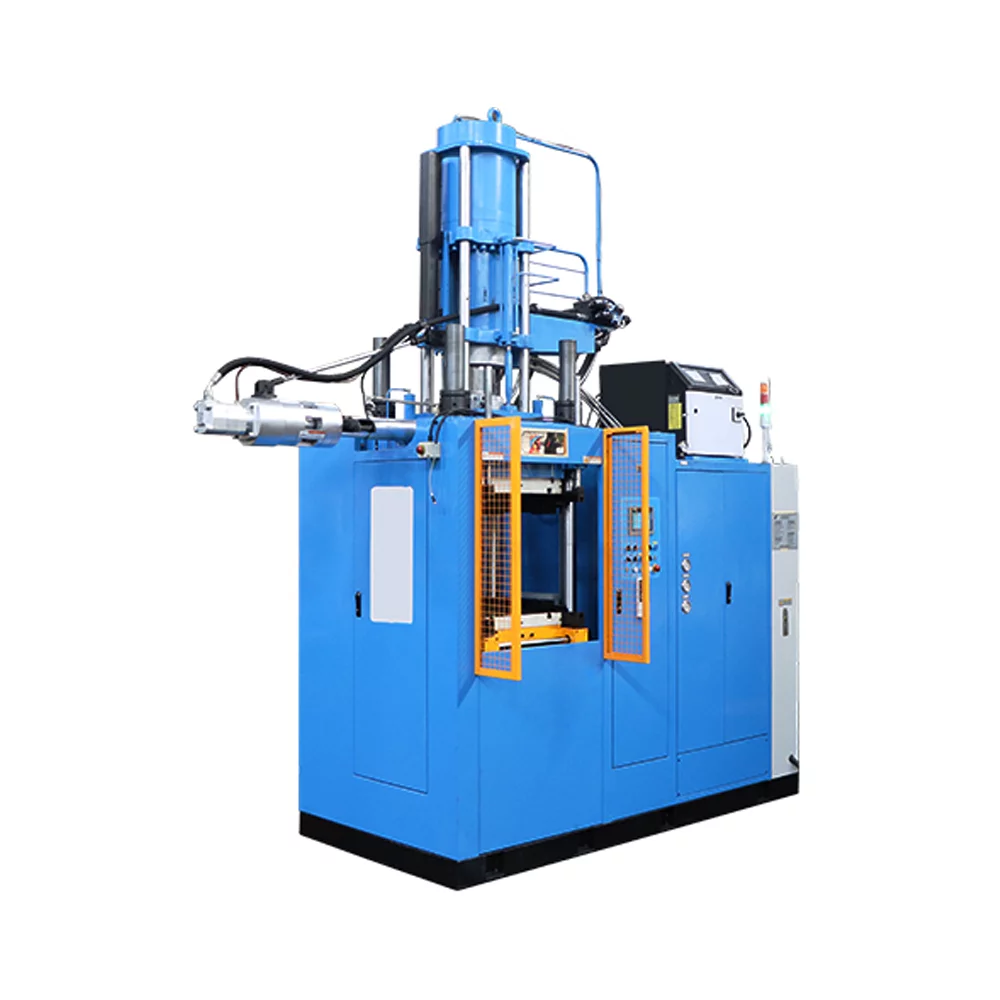
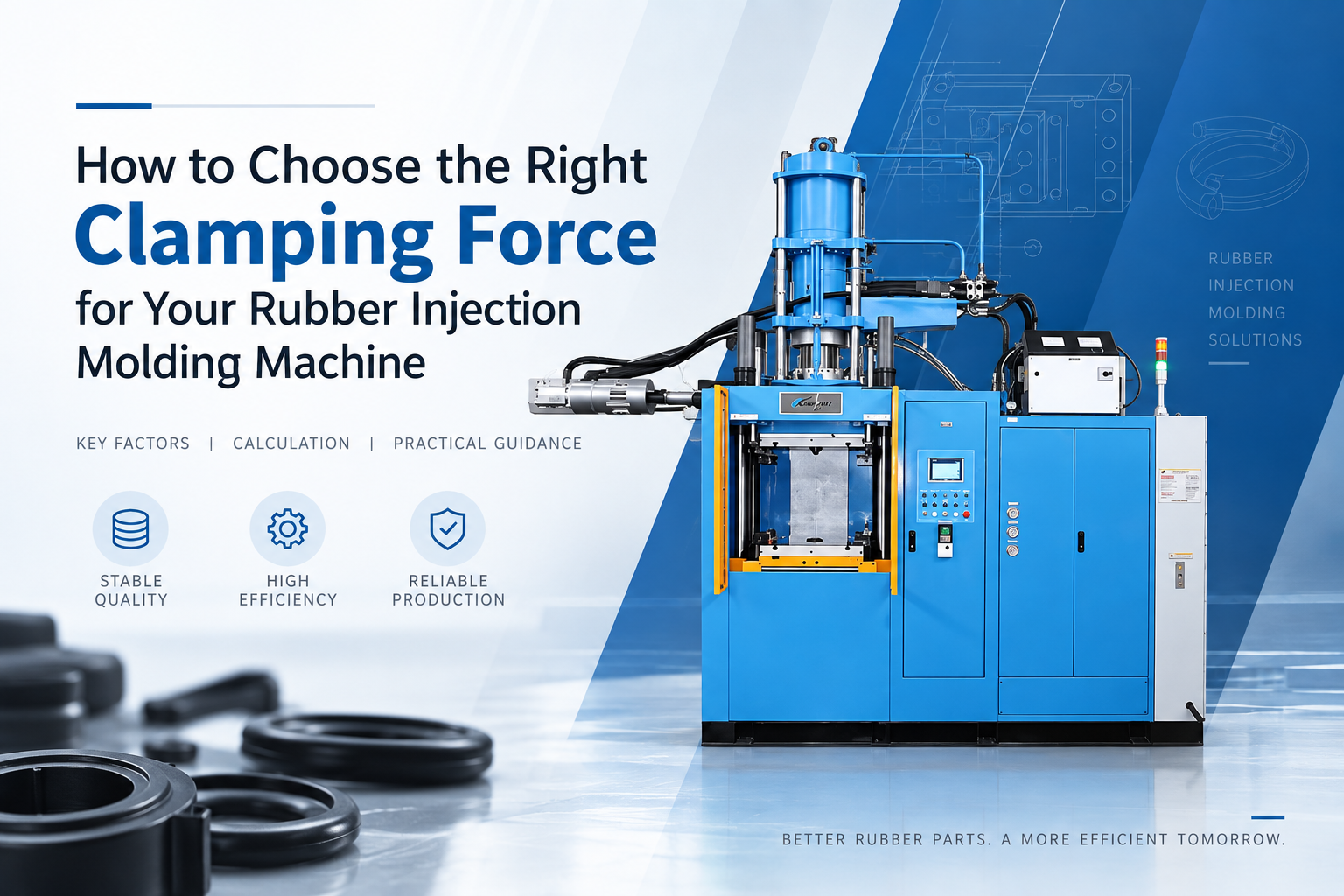
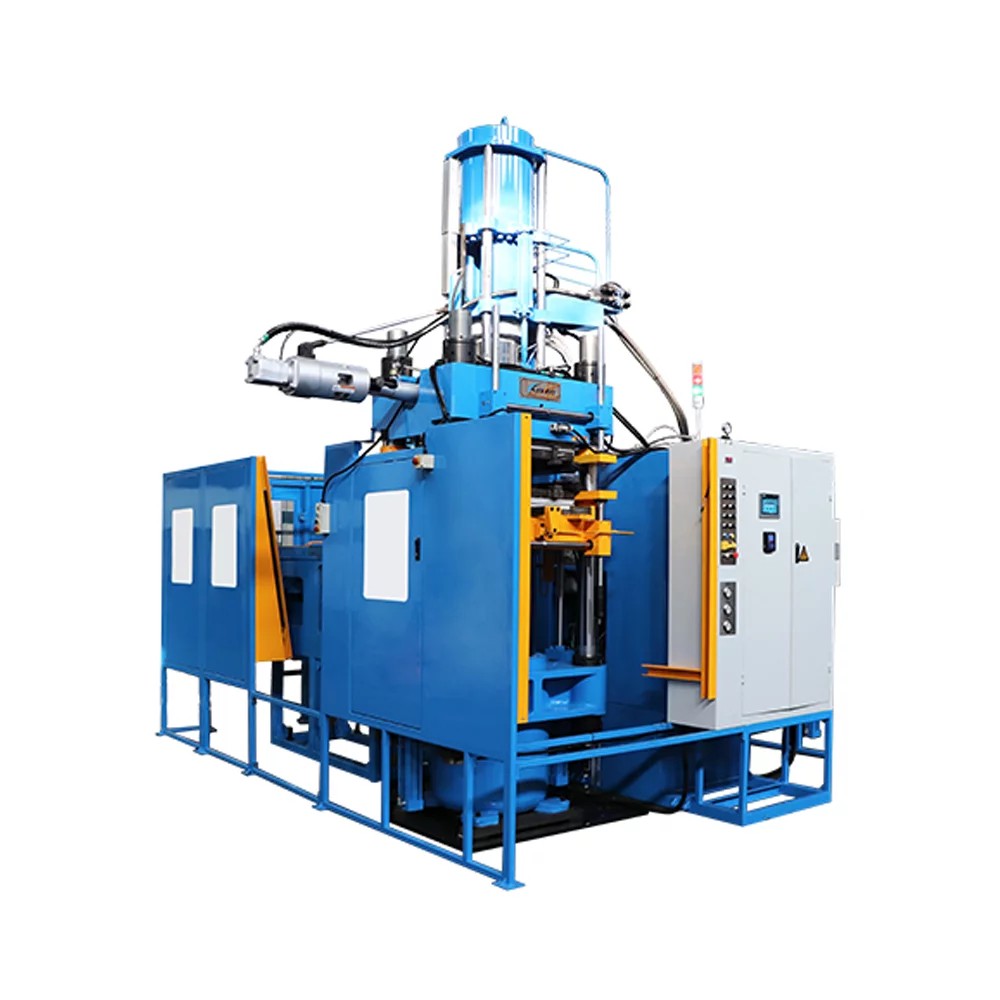
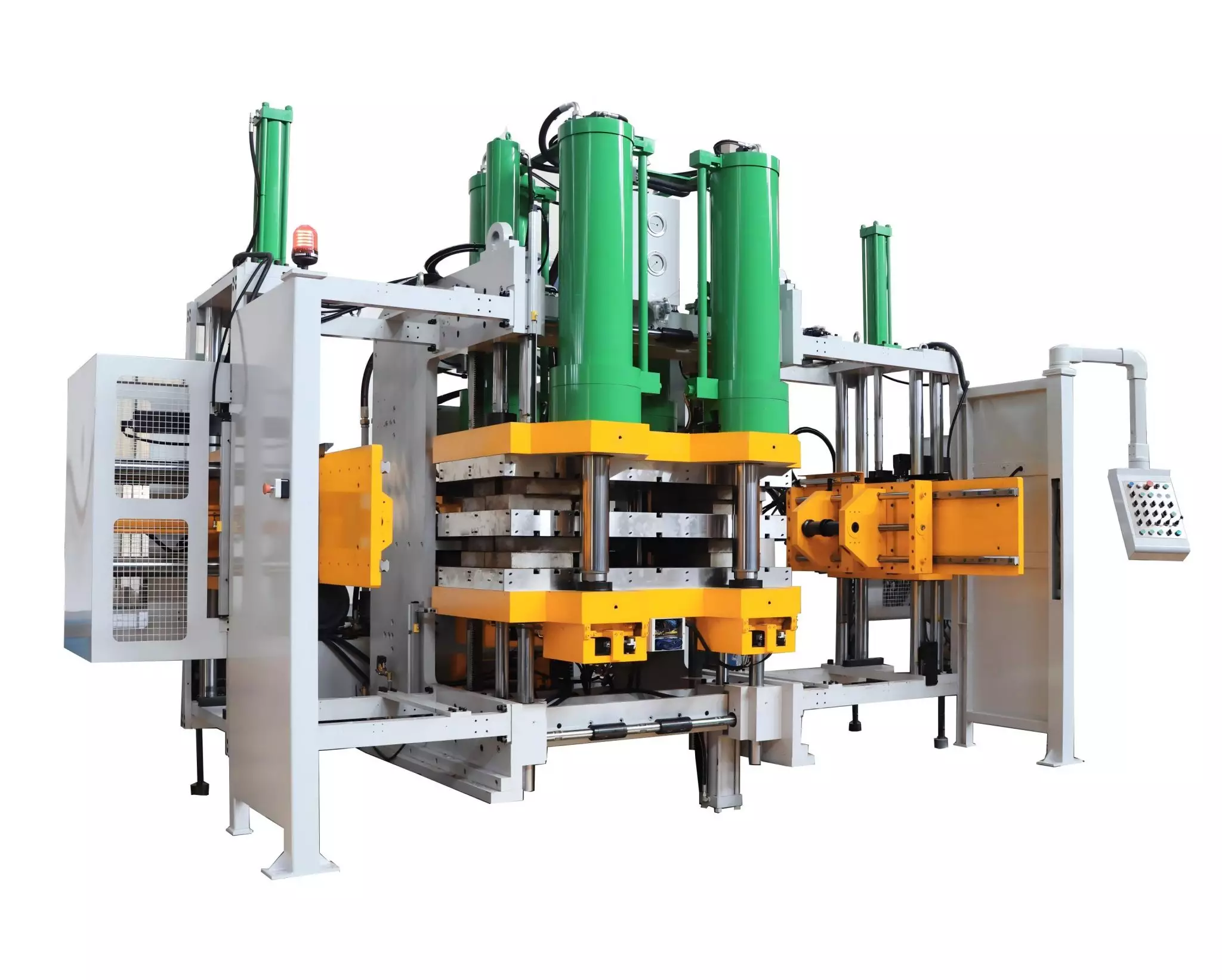
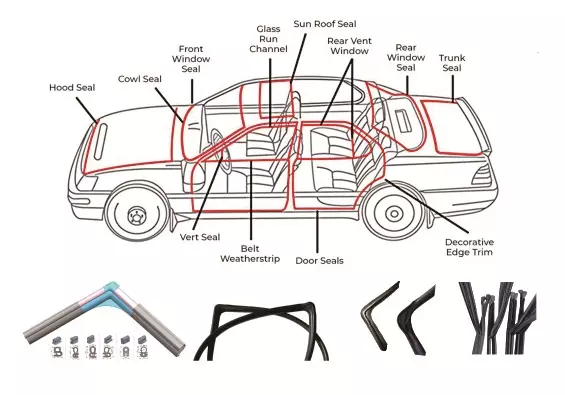
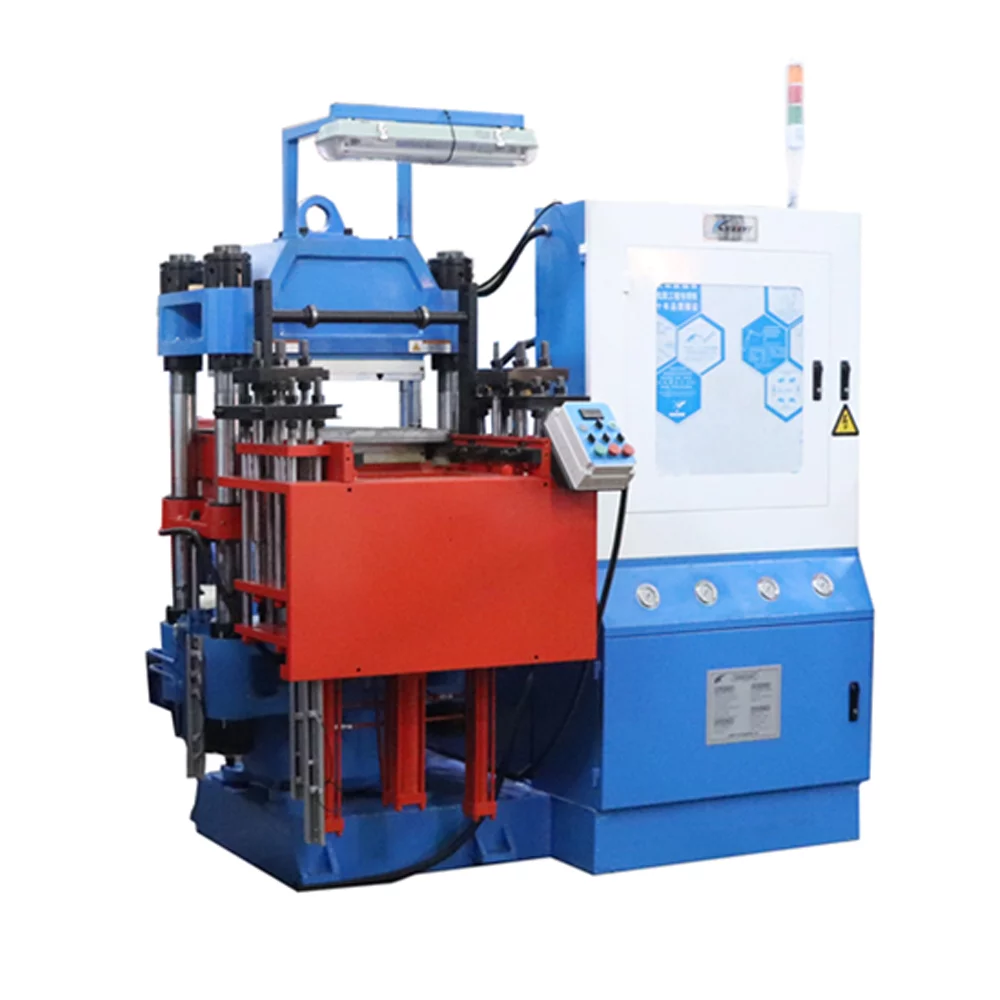
In our daily operations at HWAYI, we work closely within the framework of rubber molding companies, where the focus is not only on machine production but also on understanding complete molding workflows. For industrial clients, especially in automotive and electrical sectors, the process usually begins with defining product requirements and selecting suitable molding methods. Within this structure, custom rubber injection molding plays an important role because it allows us to adapt production parameters according to different material behaviors and part geometries. Rather than offering isolated equipment, we consider how each system fits into the wider production chain used by rubber molding companies, ensuring the process remains consistent and practical for long-term industrial use.
Equipment Development and Application Integration
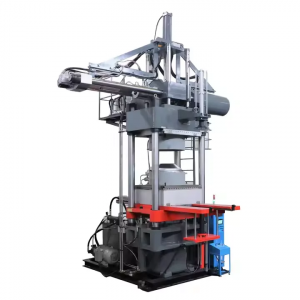
At HWAYI, the development of molding equipment is closely connected with real industrial application scenarios. In rubber molding companies, production stability often depends on how well machines handle different rubber compounds under controlled temperature and pressure conditions. That is why custom rubber injection molding solutions are designed to support flexible configurations, allowing manufacturers to adjust cycle time and molding precision based on product requirements. Our systems are applied across various forming processes, including sealing parts and electrical insulation components. When working with global OEM providers, we also consider integration needs so that equipment can be incorporated into existing production lines without unnecessary disruption.
Process Adaptation and Technical Support
In practical production environments, providers often face varying demands from automotive and power industry clients. To address this, HWAYI provides technical support that aligns with different production scales and product types. Through custom rubber injection molding, manufacturers can better manage consistency in output while maintaining flexibility for different mold designs. This approach is particularly important for components requiring stable performance under mechanical stress. Instead of focusing on fixed solutions, manufacturers increasingly rely on adaptable systems that allow gradual process optimization over time, especially when dealing with multi-specification production tasks.
Conclusion
In summary, production facilities operate through a combination of process planning, equipment integration, and continuous technical adjustment. At HWAYI, we support this structure by developing systems aligned with custom rubber injection molding, helping manufacturers manage diverse industrial requirements. The overall operation is not limited to machine usage but extends to how production workflows are organized and maintained. As industries continue to evolve, manufacturers will rely more on adaptable and application-oriented solutions to maintain stable and efficient production processes.