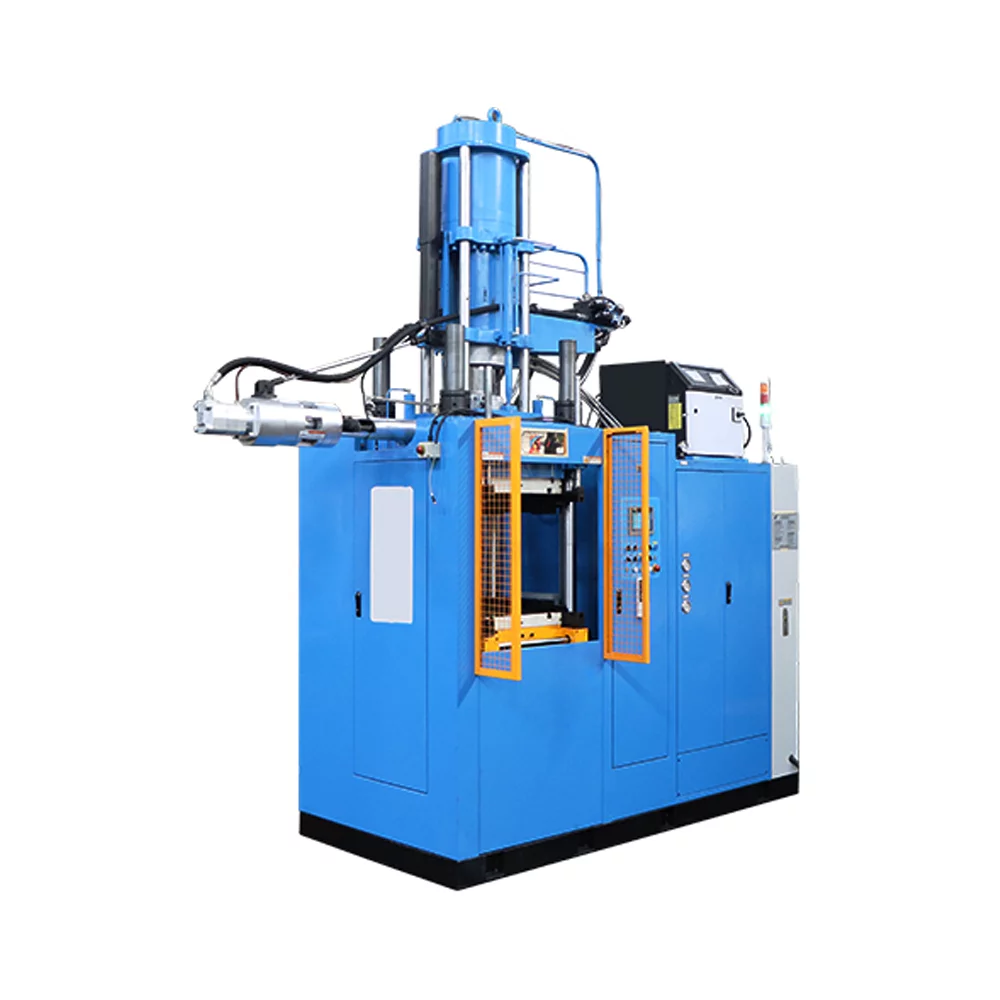
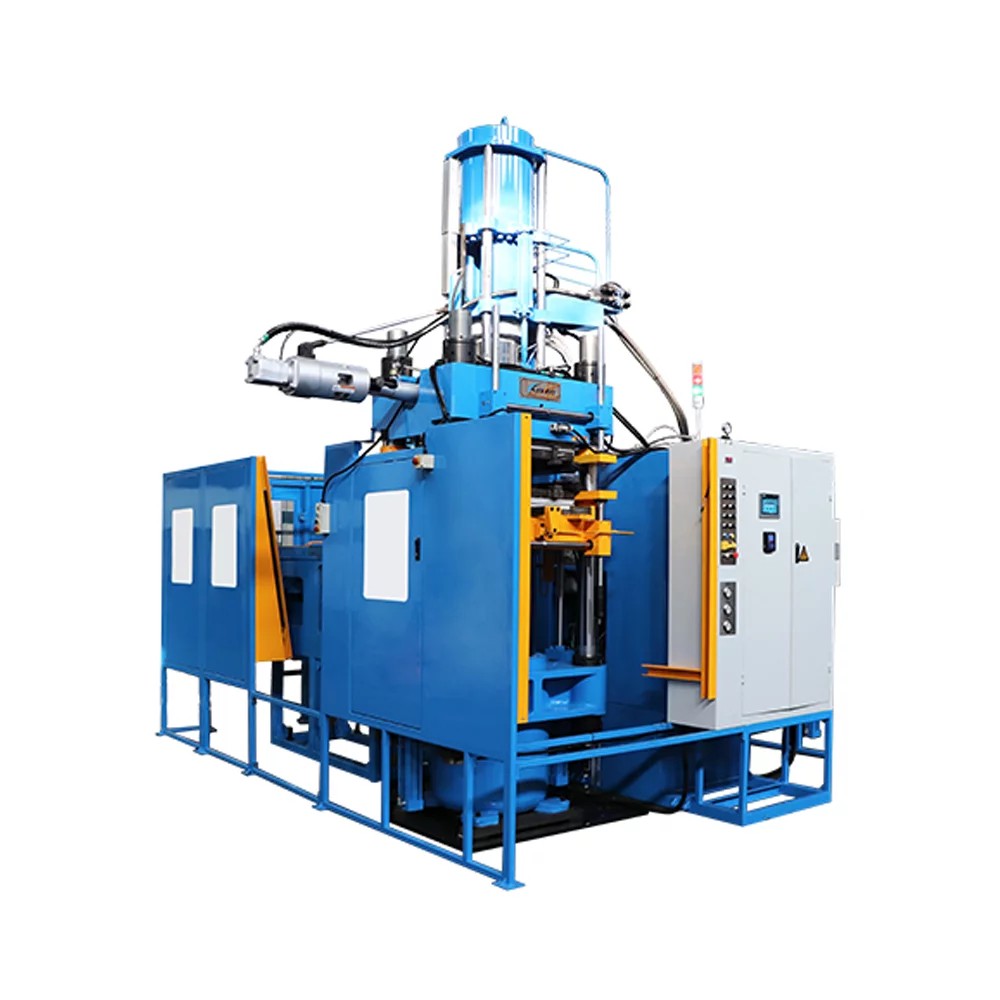
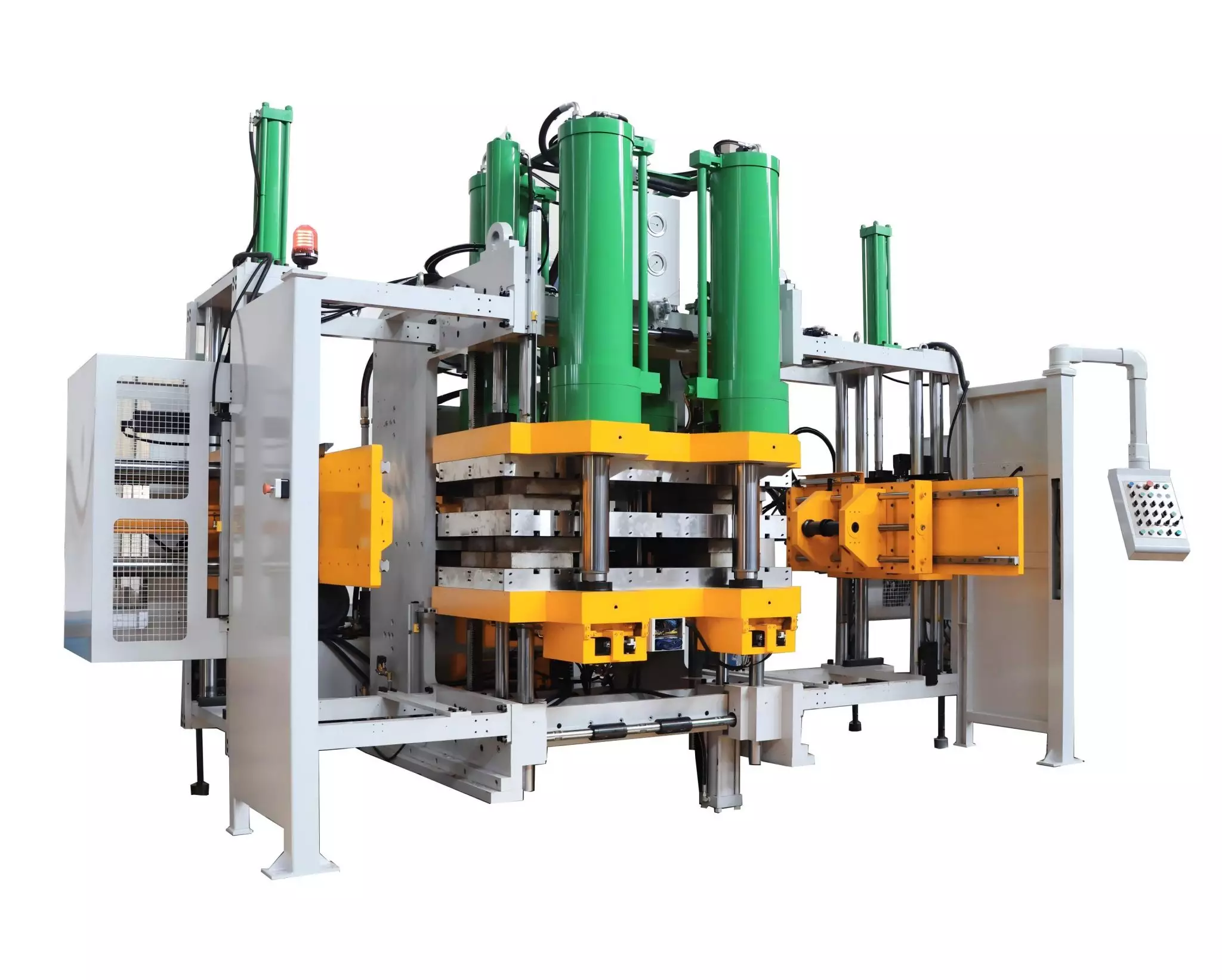
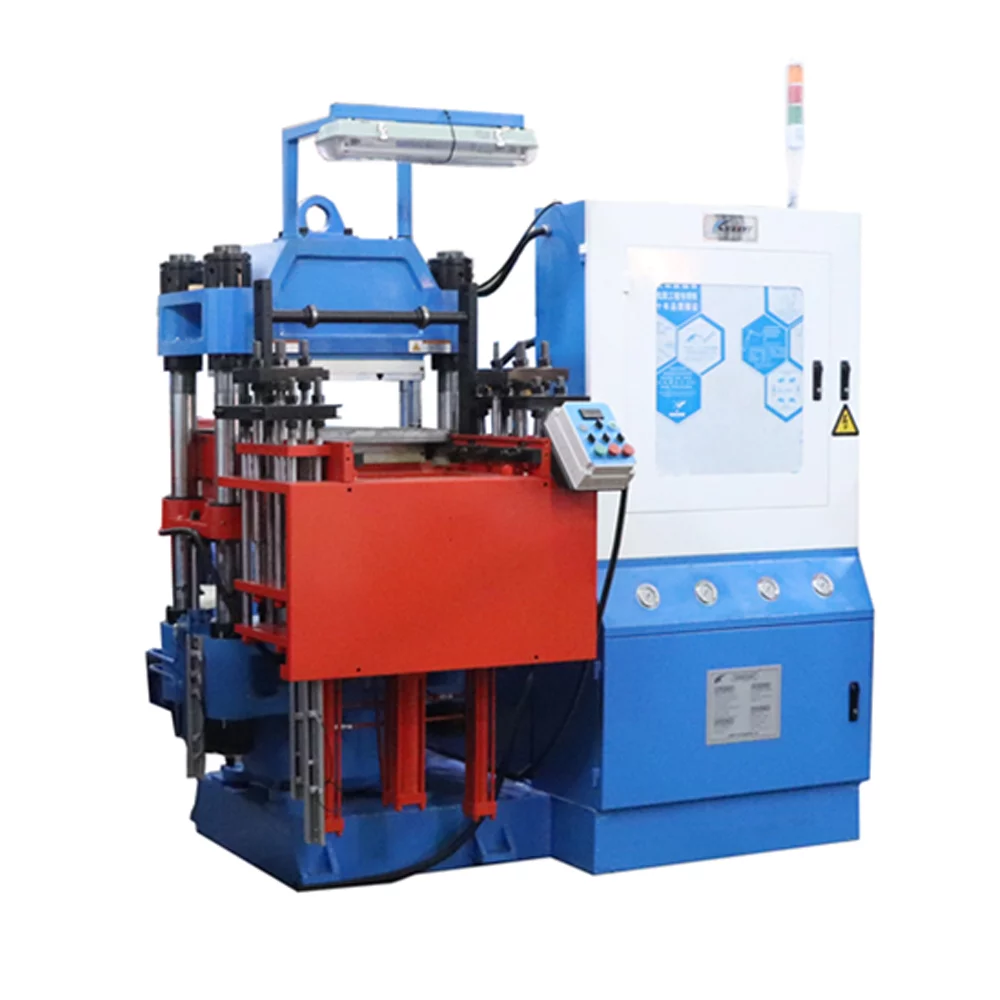
Selecting the right tonnage is a key step when planning production with a rubber injection molding machine or traditional rubber molding presses. At HWAYI, we emphasize that clamping force (tonnage) is a distinct technical parameter that should not be conflated with mere machine physical dimensions. Selecting the appropriate tonnage is a complex calculation involving mold geometry, material rheology, and injection pressure. Miscalculating this force directly affects product consistency; insufficient tonnage leads to flash, while excessive force can damage molds and waste energy.
Understanding Tonnage Requirements in Rubber Processing
When we evaluate tonnage for rubber molding presses, we start from the projected area of the product and the required clamping force. The larger the surface area of the mold cavity, the higher the tonnage needed to prevent flashing and ensure proper filling. This principle applies equally when configuring a rubber injection molding machine, especially for precision components like seals or insulators. In our experience, different rubber compounds also influence pressure distribution, meaning that the same mold size may require slightly different tonnage depending on the formulation. This is why we recommend considering both geometry and material together rather than treating them separately.
Matching Tonnage with Application Scenarios
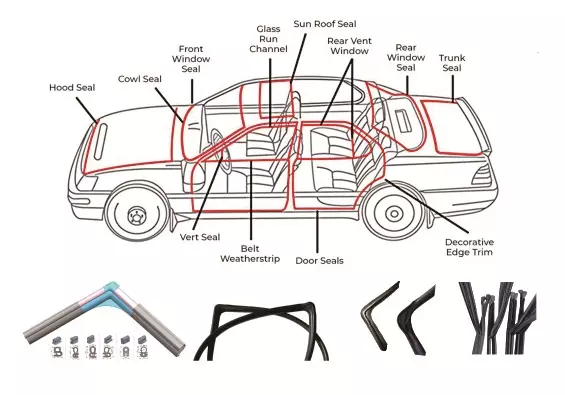
Different industries require different approaches to tonnage selection. For example, in automotive sealing parts such as O-rings or dust covers, a rubber injection molding machine often benefits from stable and moderate tonnage to maintain dimensional accuracy. On the other hand, power industry products like composite insulators may require higher tonnage in rubber molding presses due to larger structures and stricter insulation performance requirements. We design our systems to adapt to these variations, including solutions similar to silicone insulator injection equipment, where consistent pressure distribution is essential. By aligning tonnage with application scenarios, we help ensure that the equipment performs reliably under real production conditions.
Balancing Efficiency, Cost, and Long-Term Use
Choosing higher tonnage does not always mean better performance. Oversized rubber molding presses can lead to unnecessary energy consumption and increased operational cost. At the same time, insufficient tonnage in a rubber injection molding machine may cause defects such as incomplete filling or mold wear over time. In our projects, we aim to find a practical balance by analyzing production volume, mold life cycle, and future scalability. This approach allows customers to maintain efficiency without over-investing in capacity that may not be fully utilized.
Conclusion: Practical Selection Based on Real Needs
In conclusion, selecting optimal tonnage for rubber molding presses requires a combination of technical calculation and practical experience. From our perspective at HWAYI, the process should always consider product size, material characteristics, and application requirements together. Whether working with a rubber injection molding machine or traditional rubber molding presses, a well-matched tonnage supports stable production and long-term equipment performance. By focusing on real manufacturing needs rather than assumptions, we can help create solutions that remain reliable across different industries and production stages.