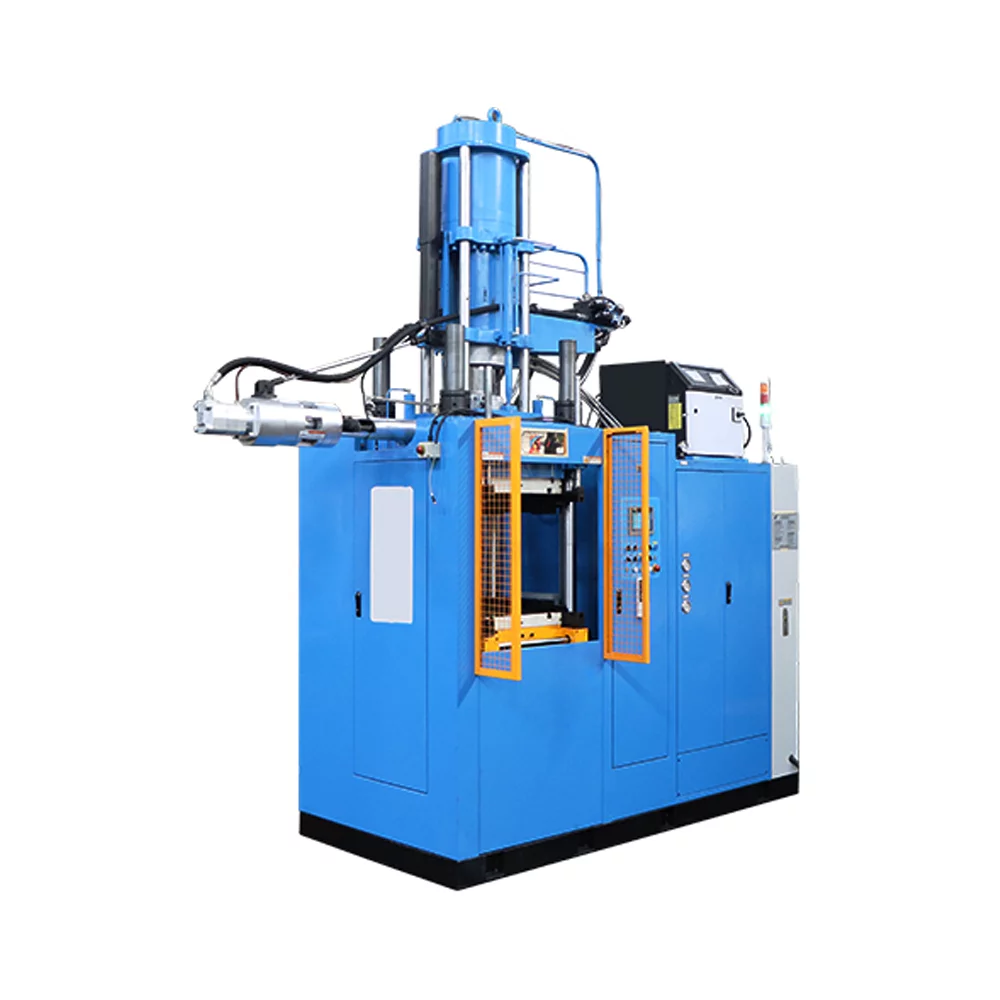
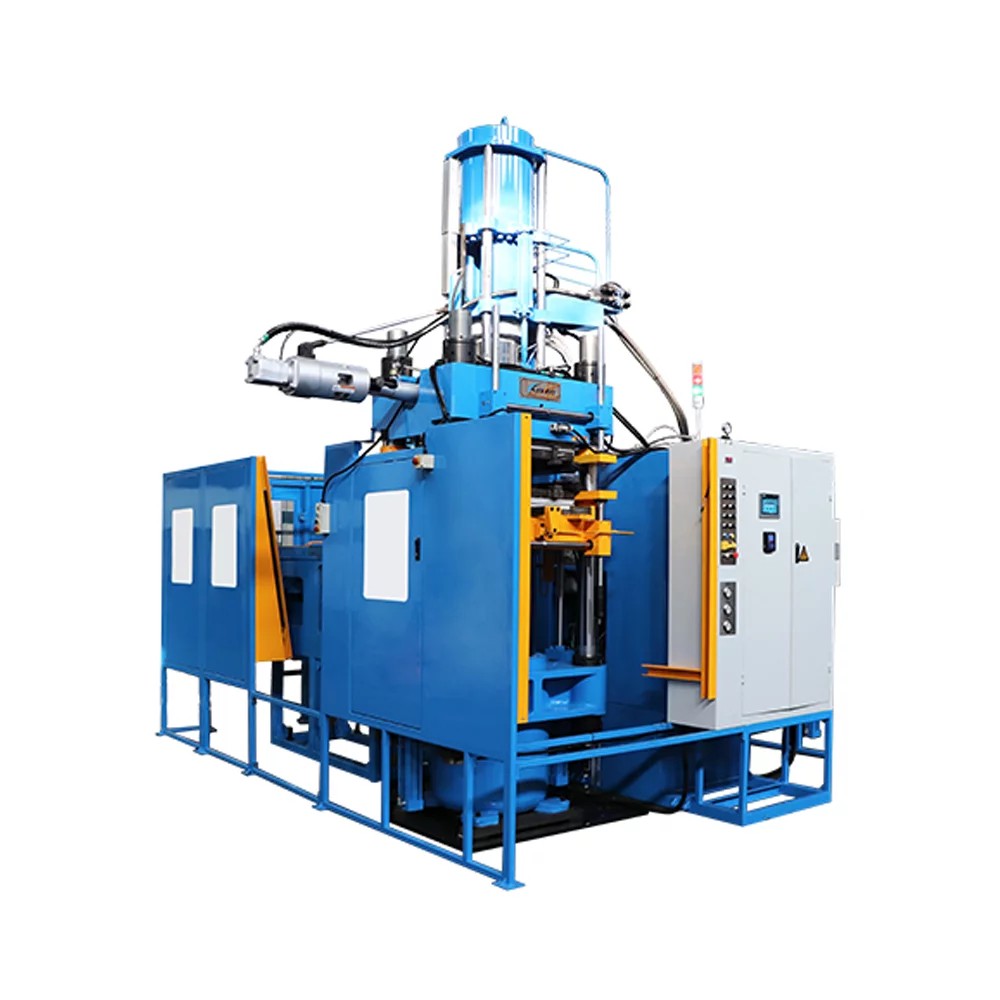
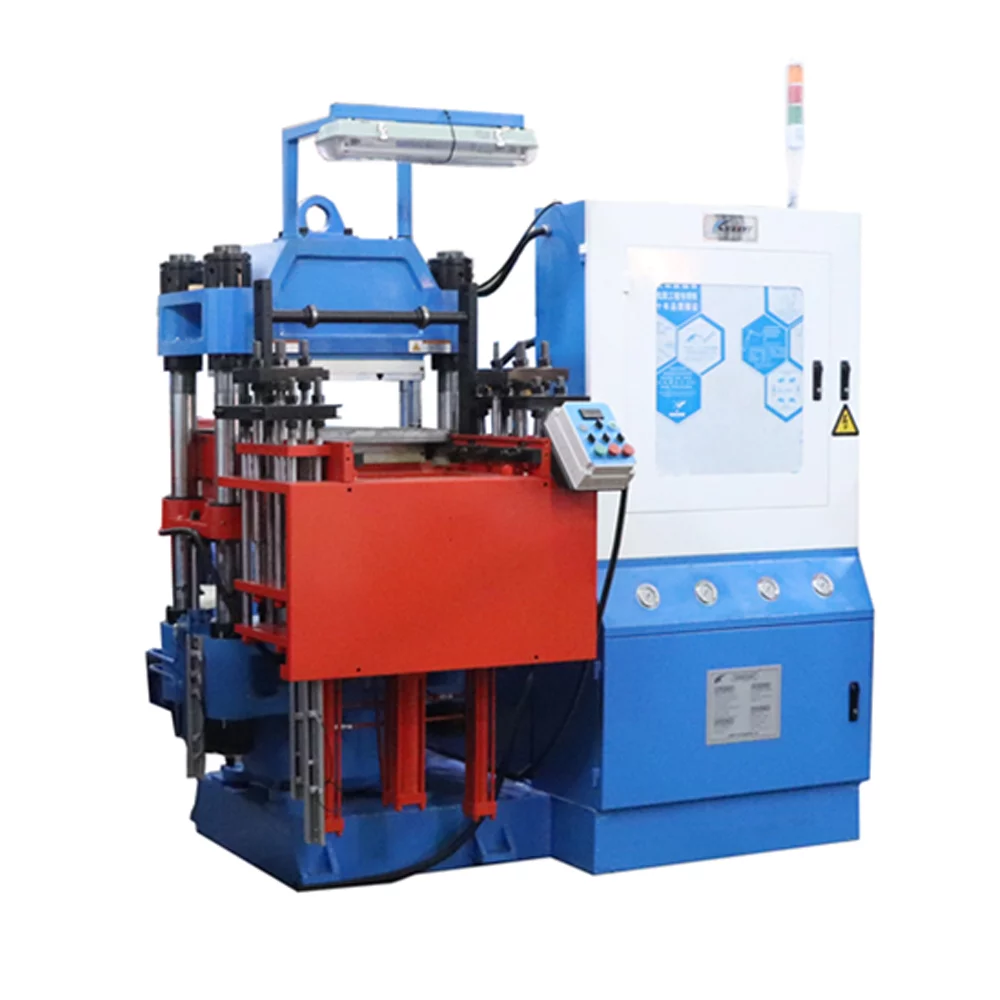
In industrial rubber processing, understanding how to evaluate injection pressure control is essential for consistent product quality. When we work with a HWAYI rubber injection molding machine, we focus not only on output but also on how precisely pressure is managed throughout the cycle. Injection pressure directly affects material flow, cavity filling, and final part integrity, so evaluating this parameter helps us align equipment performance with real production needs.
Understanding Pressure Stability and Control Response
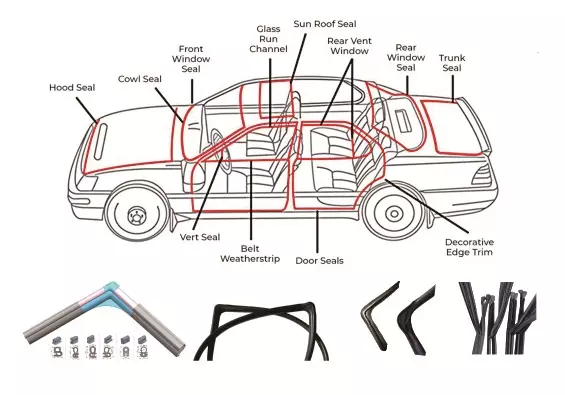
When evaluating a rubber injection molding machine, we first look at pressure stability during the injection phase. A reliable rubber injection molding machine should maintain consistent pressure curves without sudden fluctuations. In our experience, stable pressure ensures uniform material distribution, especially when producing automotive sealing components or O-rings.
We also pay attention to control response time. A rubber injection molding machine with responsive pressure adjustment can quickly adapt to variations in material viscosity or mold temperature. This becomes important when switching between different rubber compounds, as delayed response may lead to short shots or overfilling.
Correlation Between Pressure and Product Quality
Injection pressure control is closely linked to product consistency. When using a rubber injection molding machine, we often evaluate how pressure settings influence dimensional accuracy and surface finish. If pressure is too low, incomplete filling may occur; if too high, flash or internal stress may appear.
In our production environment, we test multiple pressure profiles on a rubber injection molding machine to determine optimal settings for each application. This method helps ensure that parts used in automotive or electrical insulation fields meet practical performance expectations without unnecessary material waste.
Integration with Equipment Design and Process Capability
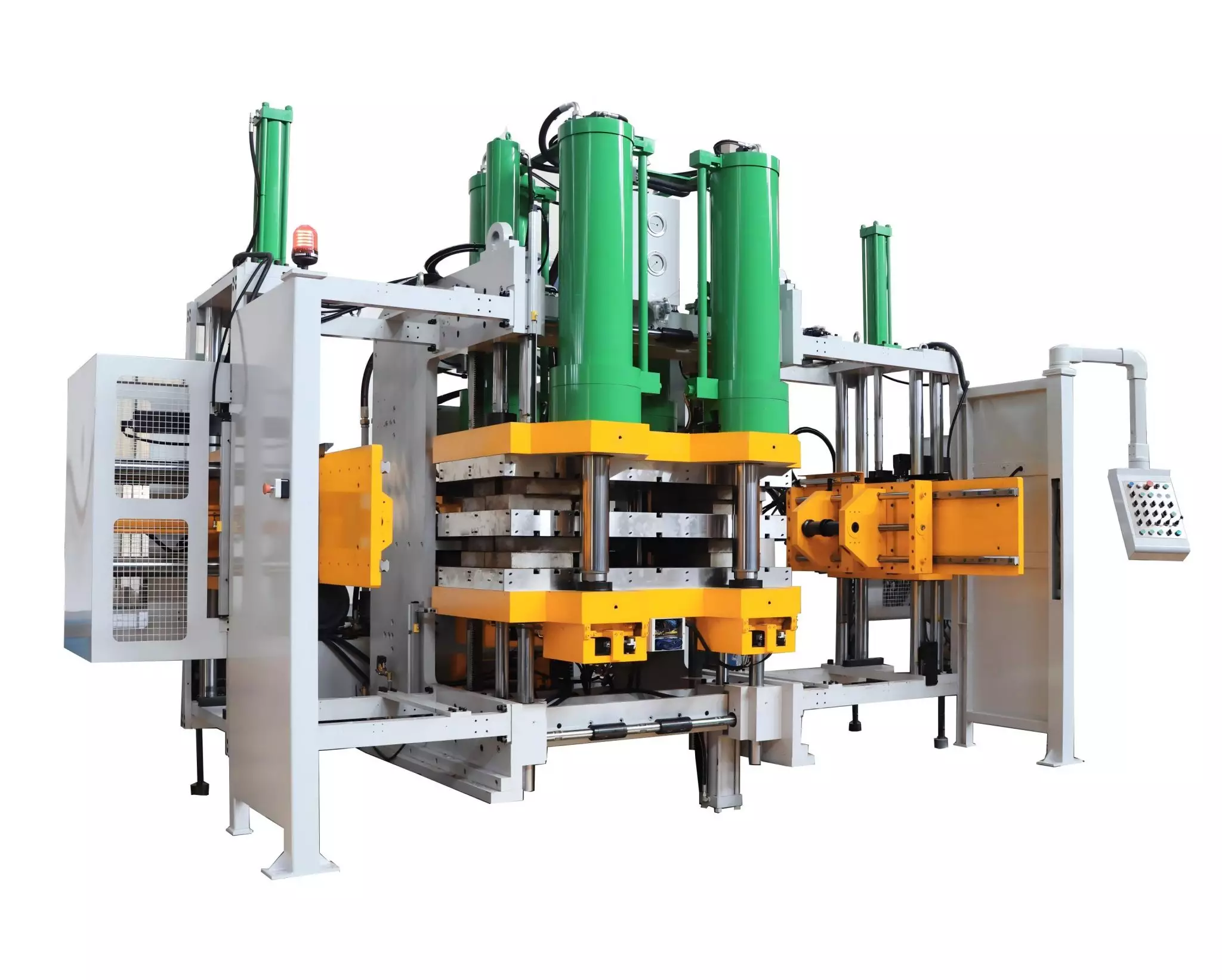
Beyond control systems, we also consider how machine structure supports pressure performance. A well-designed rubber injection molding machine integrates hydraulic or servo systems that allow smooth pressure transmission. Our solutions are developed to complement injection systems by providing flexible forming options where pressure control remains critical.
We evaluate how a rubber injection molding machine works within a full production line, including preforming and curing stages. This system-level perspective helps us ensure that pressure control is not isolated but aligned with the entire manufacturing process.
Conclusion: Practical Evaluation for Reliable Production
Evaluating injection pressure control in a rubber injection molding machine requires a balanced approach that includes stability, responsiveness, product impact, and system integration. When we apply these criteria to a rubber injection molding machine, we gain a clearer understanding of how equipment performs under real production conditions.
By combining practical testing with engineering experience, we ensure that our solutions support consistent manufacturing outcomes. This approach allows us to provide equipment that fits industrial applications without overcomplicating operation, helping our customers maintain reliable and efficient production.