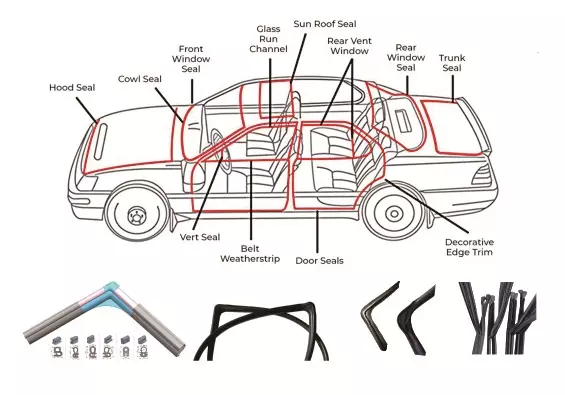
Automotive rubber components work in different environments, so one rubber compound cannot meet every application. Door seals, O-rings, vibration dampers, and protective components may face different temperatures, fluids, compression loads, and weather conditions. For this reason, material selection is an important part of developing rubber molding solutions. At HWAYI, material selection is considered alongside product design, mold requirements, and the injection process.
Which rubber materials are used in automotive molding?
Common materials considered for automotive rubber injection molding include EPDM, NBR, natural rubber, silicone, and liquid silicone rubber (LSR). Each material has different processing and service characteristics.
EPDM is commonly associated with sealing applications exposed to weather and outdoor conditions. NBR can be considered where resistance to oils and certain fluids is required. Natural rubber is used for selected components requiring elasticity and mechanical properties, while silicone and LSR are suitable for applications where temperature resistance, flexibility, or insulation properties are important.
The correct material should be selected according to the actual operating environment rather than simply based on material popularity.
Why is EPDM used for automotive seals?
EPDM is widely considered for automotive sealing profiles because these components may be exposed to water, ozone, sunlight, and changing temperatures. Typical applications include door and window sealing systems where the rubber needs to maintain its sealing function during repeated vehicle use.
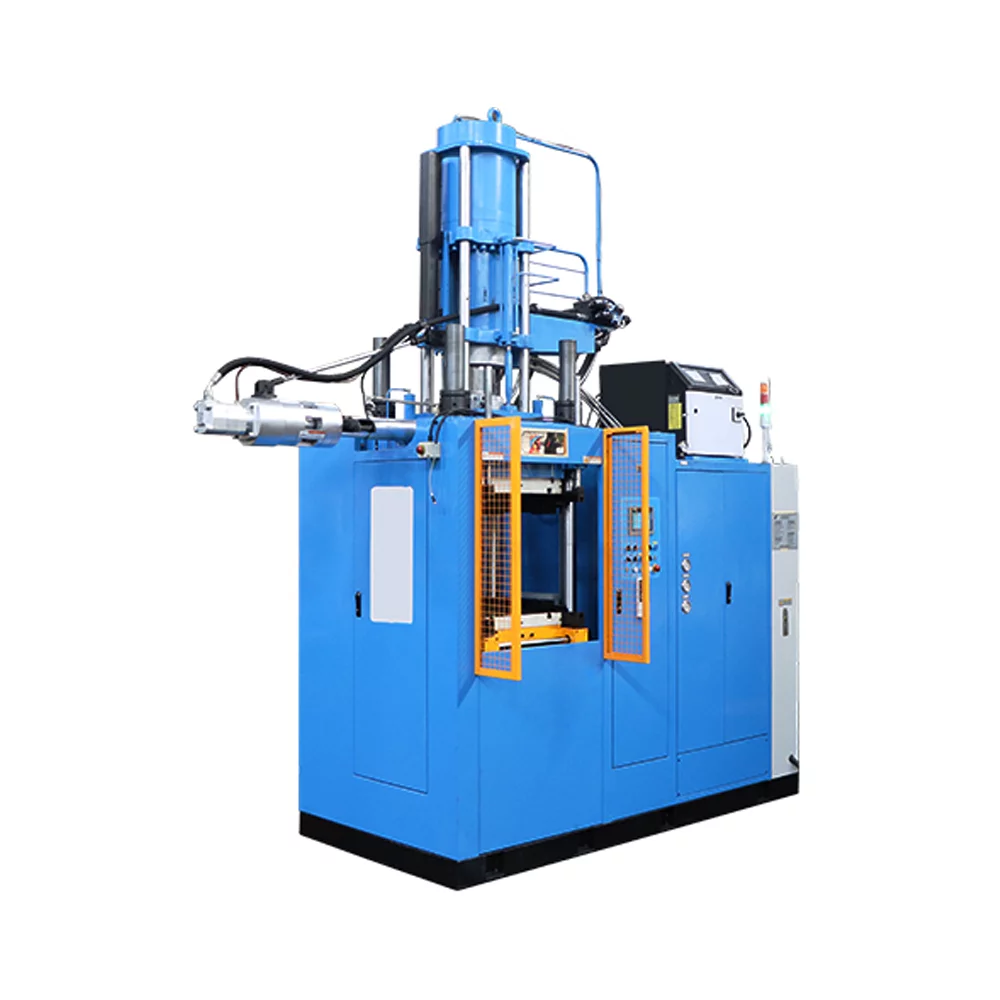
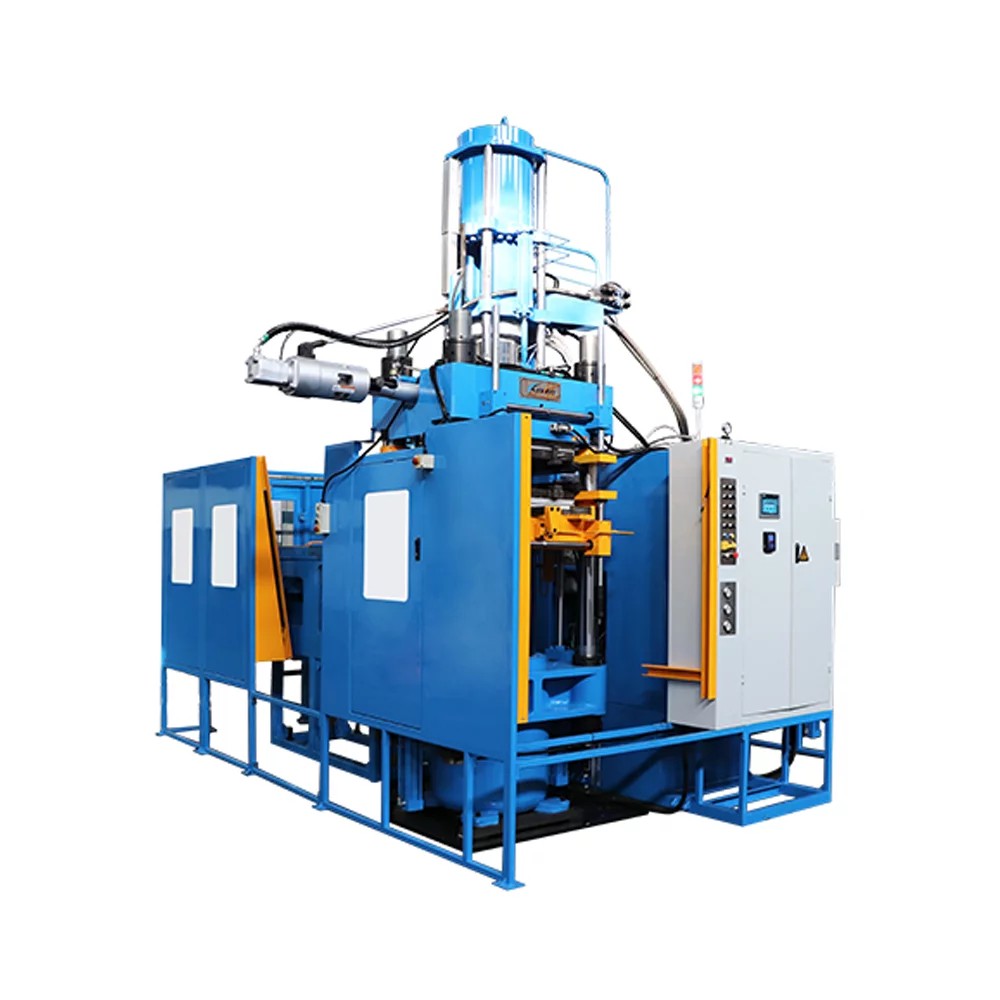
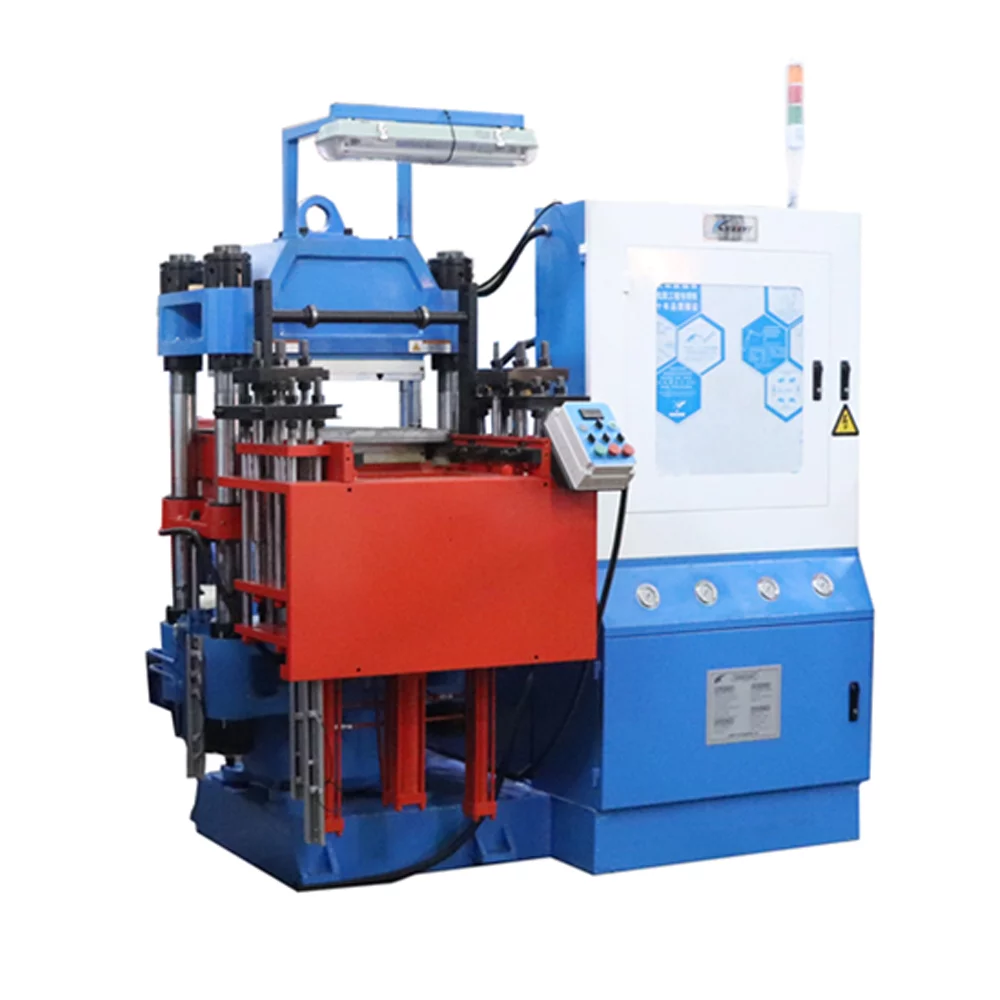
Our product range includes an EPDM and NBR C Frame Injection Press Machine designed for sealing profile corners, junctions, and joints. The open C-frame structure provides working space for positioning the sealing profile during the Molding process.
For this type of application, material selection cannot be separated from mould design. The profile geometry, joint structure, rubber compound, and injection conditions all need to work together.
When is NBR a suitable option?
NBR is commonly considered for rubber components that come into contact with oils or petroleum-based fluids. This makes it relevant to selected automotive seals, gaskets, and components used around fluid-handling systems.
However, oil resistance alone does not determine whether NBR is suitable. Buyers should also consider operating temperature, compression, mechanical loading, fluid type, and expected service conditions.
At HWAYI, our C Frame Injection Press Machine is designed for EPDM and NBR applications involving sealing profile corners and joints. This gives manufacturers the option to select the compound according to the requirements of the finished component rather than applying one material to every sealing application.
Where does natural rubber fit into automotive production?
Natural rubber remains relevant for selected automotive components where elasticity and mechanical performance are required. Its suitability depends on the specific component and the environment in which it will operate.
Our technical information identifies natural rubber alongside EPDM in sealing profile applications. The C Frame Injection Press Machine is designed to support the Molding of profile corners and junctions using these materials.
When considering natural rubber, manufacturers should review the complete application rather than focusing on one material property. Product geometry, compression, temperature, exposure conditions, and required service performance should all be included in the material assessment.
Why is silicone used for selected automotive parts?
Silicone and LSR are considered when automotive components require flexibility, temperature resistance, or electrical insulation. LSR injection molding uses a two-component liquid silicone material that is mixed, injected into a heated mould, and cured inside the cavity.
Automotive applications can include seals, protective components, sensor-related parts, connectors, and other components where silicone’s properties are useful. LSR processing can also support intricate geometries and thin sections when the mould and injection system are appropriately designed.
Our product portfolio includes LSR injection Molding equipment and HTV silicone injection machines. The latter can be used for products such as silicone insulators, arresters, and hollow-core bushings, showing how silicone processing can require different machine configurations depending on the application.
How does the material affect the injection process?
Material choice influences more than the final properties of the automotive component. It also affects feeding, plasticisation, injection behaviour, mould temperature, curing, and deMolding.
Our rubber injection Molding process information identifies EPDM, Nitrile, and Silicone as materials used in rubber injection molding. The process includes material preparation, feeding and plasticisation, injection, vulcanisation, cooling, and deMolding.
This means automotive injection molding solutions should be planned around both the material and the production process. A machine may support several rubber compounds, but the appropriate injection speed, pressure, temperature, and curing conditions still need to be established for each material and product.
What should manufacturers check before selecting a compound?
The first step is to define the working environment. Consider temperature, contact with fluids, weather exposure, compression, vibration, and electrical requirements.
Next, examine the product itself. A sealing profile, O-ring, gasket, vibration damper, or protective component can have very different material requirements. The part thickness and geometry may also influence filling and curing.
Finally, evaluate the production process. Material consistency, mould venting, injection control, temperature stability, and curing time can all affect the finished part. Common rubber injection defects include short shots, flash, air traps, curing problems, and dimensional variation.
How can material and equipment selection work together?
Material selection should be treated as part of the overall production plan. Manufacturers can first define the component’s working conditions, then identify suitable rubber properties, mould requirements, and processing conditions. Equipment can then be selected according to the resulting production needs.
At HWAYI, we provide rubber injection molding machines and other rubber processing equipment for automotive and industrial applications. Our solutions cover sealing profiles, O-rings, sealing systems, damping components, and other rubber parts used in automotive production.
The main materials used in automotive rubber injection molding each have a different role. EPDM is commonly associated with weather-exposed sealing applications, NBR with selected oil-resistant components, natural rubber with specific elastic applications, and silicone or LSR with applications requiring their particular thermal, flexibility, or insulation characteristics. Matching the compound with the product, mould, and machine provides a practical foundation for stable automotive rubber production.