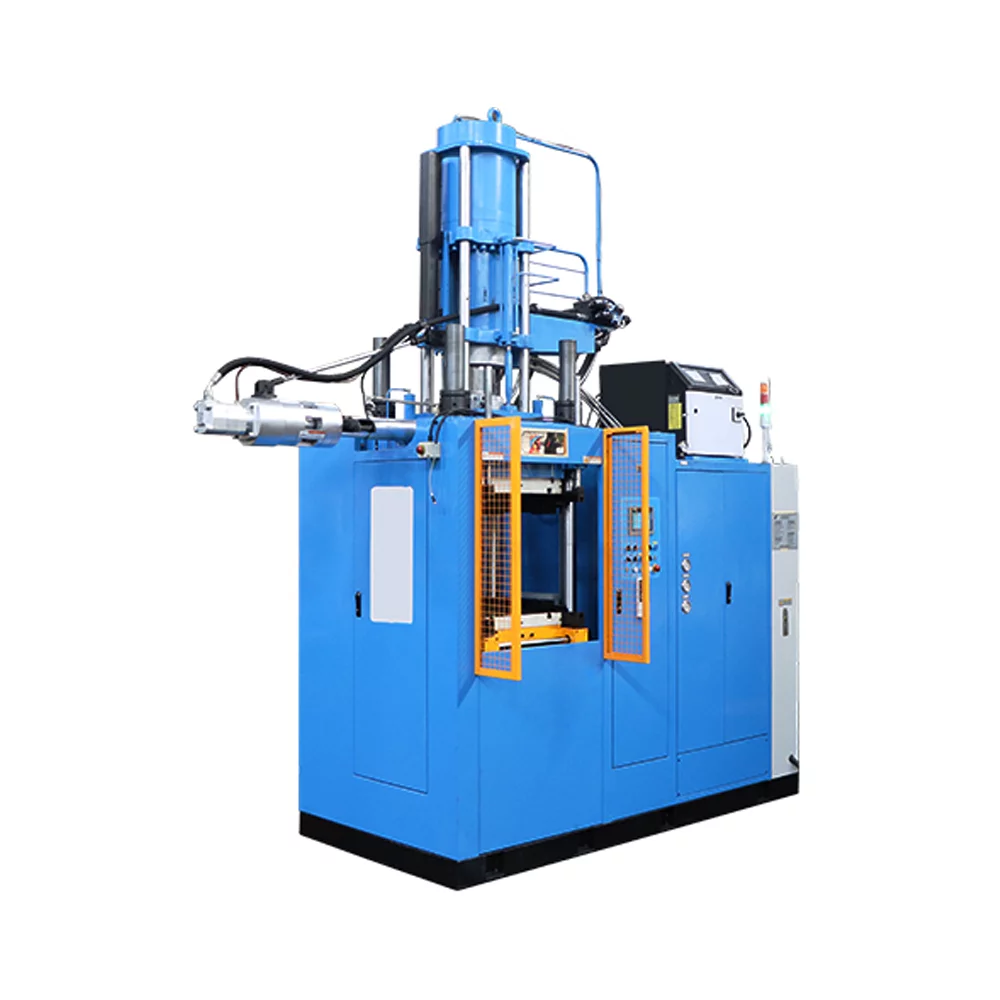
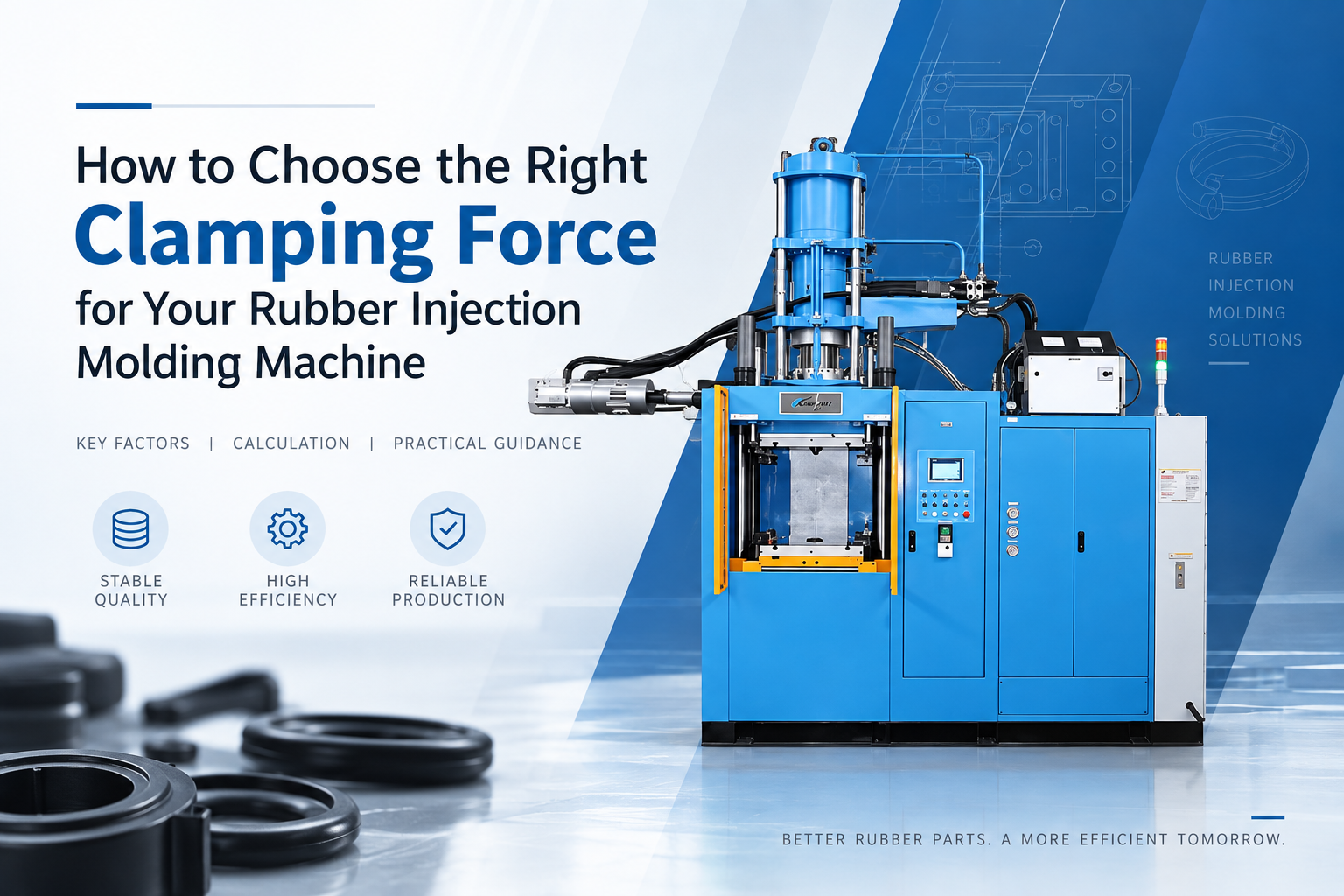
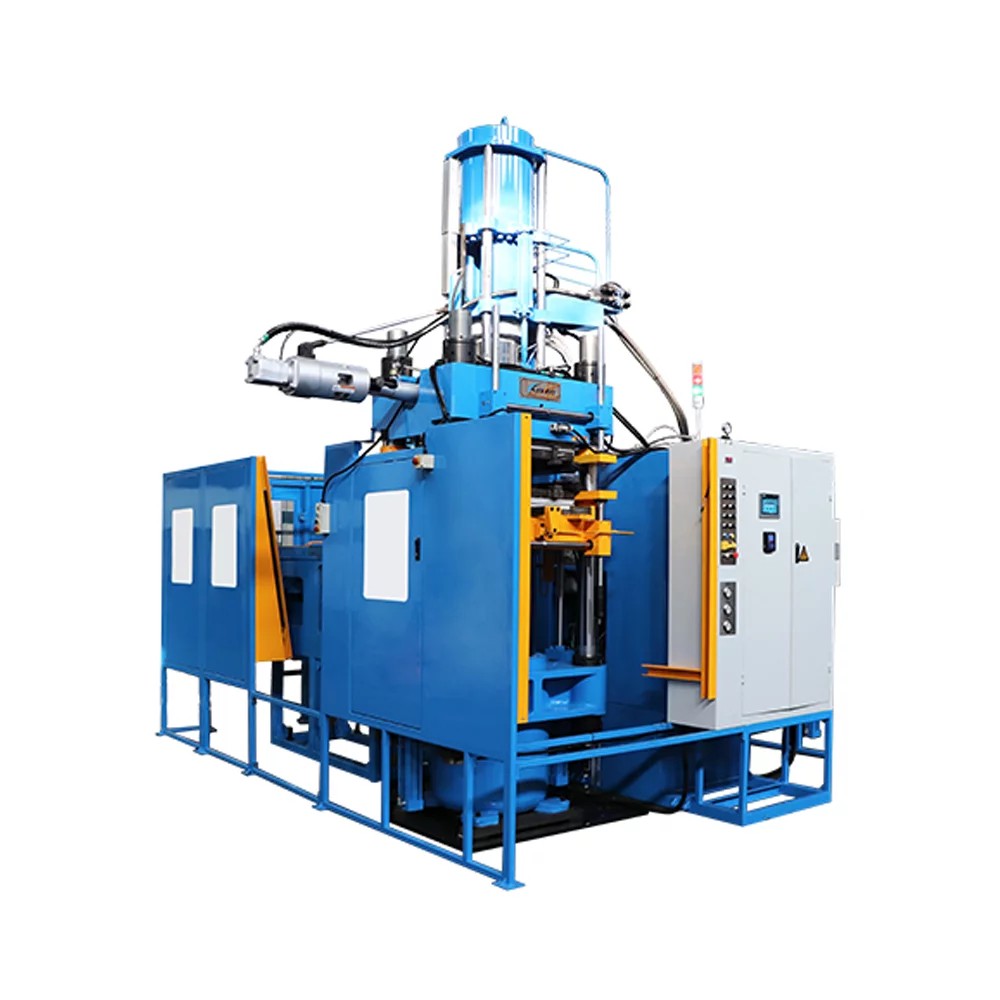
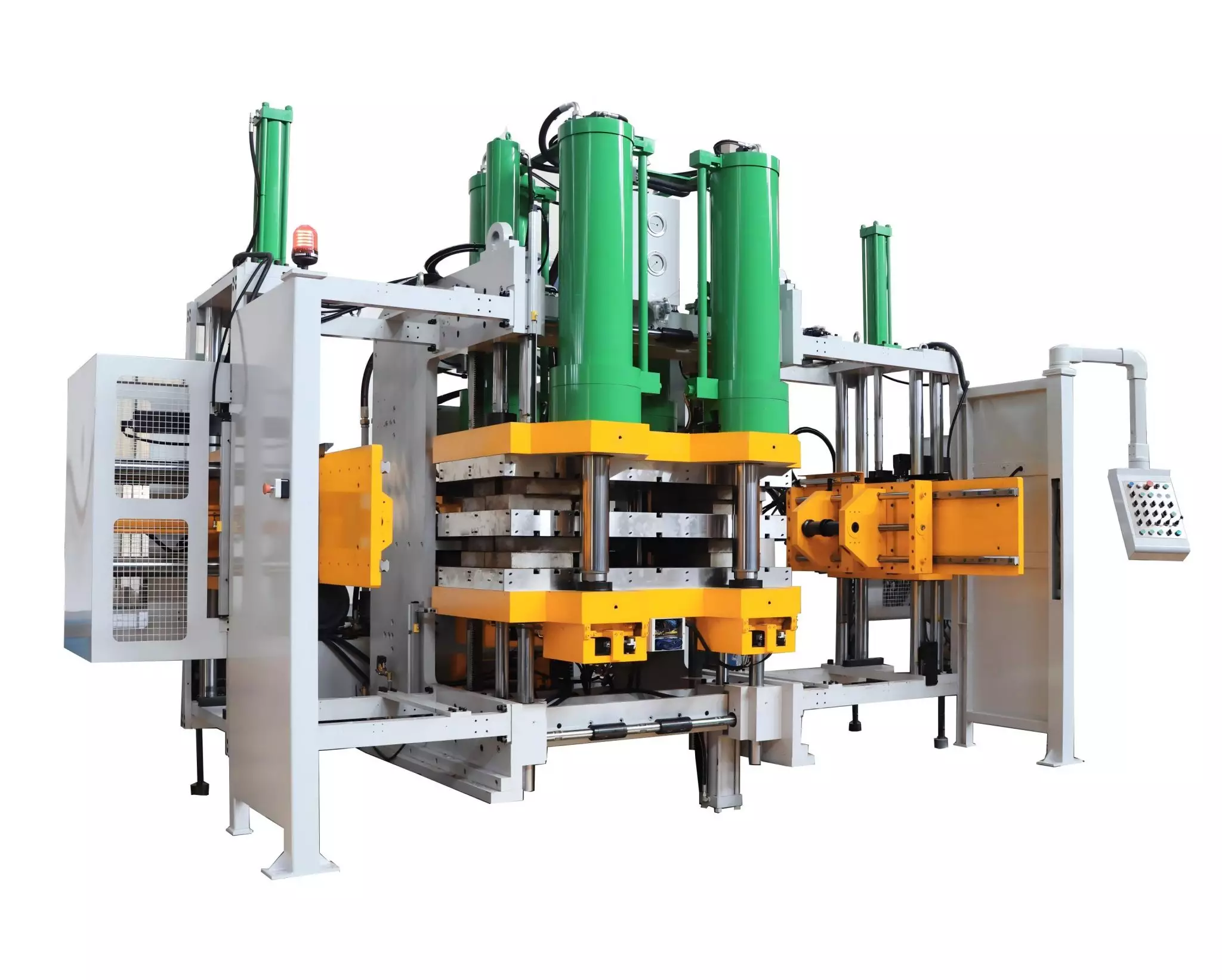
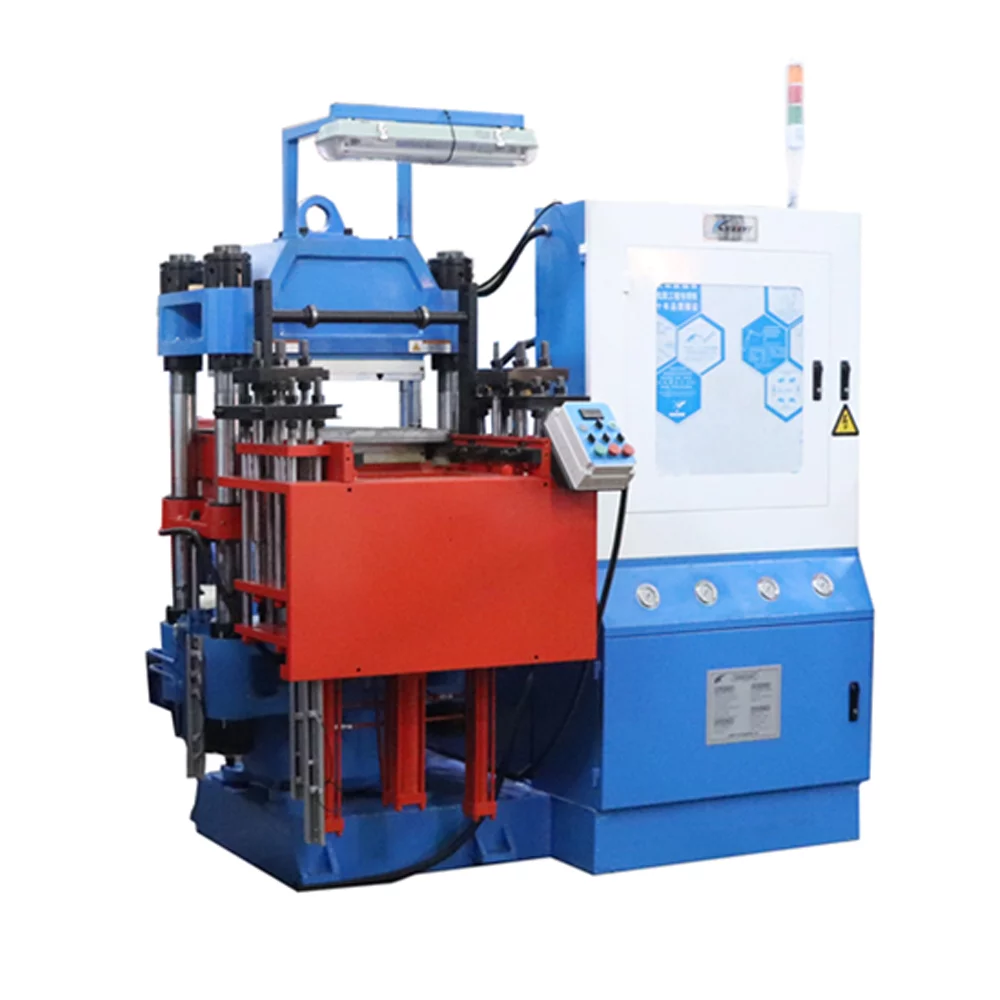
Quality assessment for rubber Molding equipment should cover more than the final machine appearance. For industrial buyers, manufacturing processes, quality management, safety compliance, testing procedures and technical support all influence equipment reliability. When comparing a rubber injection molding machine, buyers should therefore review both documented standards and the manufacturer’s actual production practices.
At HWAYI, we apply quality management and safety requirements throughout our equipment development and manufacturing process. Our website states that the company operates under ISO 9001 and CE certification, alongside independent research and manufacturing capabilities.
ISO 9001 and Production Management
ISO 9001 is an important reference when assessing a machinery supplier because it focuses on quality management processes rather than one individual machine feature. A structured quality management system can cover areas such as production procedures, documentation, inspection and corrective actions.
For manufacturers of rubber processing equipment, consistent production management is particularly relevant. A press contains hydraulic, electrical, heating, control and mechanical components that need to work together.
Our ISO 9001 certification forms part of the quality management framework we use at HWAYI. For buyers, certification should still be considered alongside factory capabilities, product documentation and project-specific quality requirements.
CE Requirements for Machine Safety
CE marking is another consideration for companies purchasing machinery for markets where applicable European requirements must be met. It relates to conformity with relevant EU requirements and should be assessed according to the machine and its intended use.
Safety is especially important for rubber Molding presses because operators work around moving platens, heating systems, hydraulic equipment and electrical controls. Machine design should therefore address relevant safety risks during normal operation and maintenance.
Our website identifies CE certification within the company’s quality and manufacturing information. Buyers should also request the relevant conformity documentation and confirm that the supplied machine configuration corresponds with the declared requirements.
Manufacturing Quality Behind Rubber Molding Equipment
Certifications provide useful evidence, but they do not replace an assessment of manufacturing capability. Buyers should examine how the supplier handles machining, assembly, component inspection and final machine testing.
For rubber molding presses, mechanical alignment and hydraulic performance are particularly important. The machine needs to maintain appropriate clamping movement while the injection and heating systems operate according to the required process parameters.
At HWAYI, our manufacturing activities are supported by an experienced technical team and in-house research and development. Our company information also states that we hold innovation and utility patents related to our equipment development.
Heating and Process Control Checks
Temperature control is a key part of rubber Molding because curing and Molding conditions depend on the material and product. A quality assessment should therefore include heating performance and temperature control rather than focusing only on clamping force.
Control systems should also allow relevant production parameters to be set and monitored. Depending on the machine type, these can include injection pressure, injection speed, temperature and cycle settings.
For buyers, factory acceptance testing can provide an additional opportunity to verify whether the machine performs according to agreed technical specifications. Test procedures should be defined before production so that both sides understand what needs to be checked.
Hydraulic and Electrical Inspection
Hydraulic systems require attention because pressure and movement influence clamping and injection operations. Buyers can ask suppliers about hydraulic component specifications, pressure testing, leakage inspection and maintenance requirements.
Electrical systems also need systematic inspection. Wiring, sensors, control cabinets, safety switches and control functions should be checked before shipment.
These inspections become more useful when they are recorded. Quality records can provide traceability and give buyers a reference for future maintenance or troubleshooting.
Documentation and Technical Support
Quality does not end when the machine leaves the factory. Technical documentation, installation guidance, operating instructions and maintenance information can influence how effectively equipment is used after delivery.
A supplier should be able to provide documentation that matches the actual machine configuration. Spare parts information and technical support are also worth considering, especially for production equipment that will operate for many years.
At HWAYI, we provide rubber processing equipment together with technical and service support. Our portfolio includes rubber injection Molding machines, rubber vulcanising presses, LSR clamping machines, rubber transfer presses and rubber track Molding equipment.
Checking the Supplier Beyond Certification
When evaluating a supplier, buyers can create a practical checklist covering quality management certification, safety compliance, manufacturing capability, component inspection, machine testing and after-sales support.
It is also useful to review whether the supplier understands the application. A machine for automotive seals may have different requirements from equipment used for electrical insulation parts or rubber tracks. The manufacturer should be able to explain how machine configuration relates to the customer’s mould, material and production cycle.
At HWAYI, we combine our manufacturing experience, technical development and quality management practices when supplying rubber processing machinery. We work with customers to define equipment requirements before final configuration and production.
A reliable rubber injection molding machine should be evaluated through a combination of standards, documented processes and actual machine performance. For industrial buyers, checking certification is a useful starting point, but reviewing manufacturing controls, testing procedures, documentation and technical support provides a more complete basis for supplier selection.