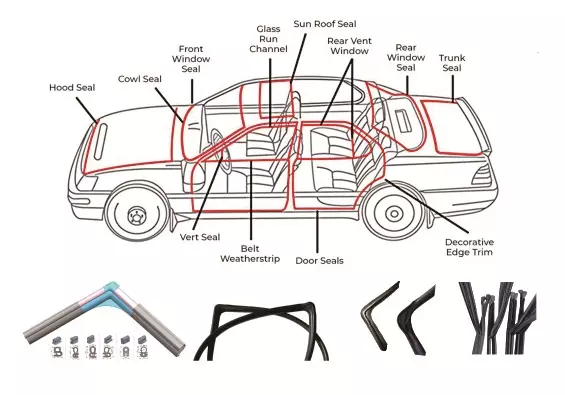
Automotive injection Molding involves different rubber and silicone materials because vehicle components operate under different temperatures, pressures and environmental conditions. Seals, O-rings, gaskets, vibration dampers and protective parts may require different material properties. When selecting rubber molding solutions, manufacturers should therefore consider the function of the component before choosing the material and Molding process.
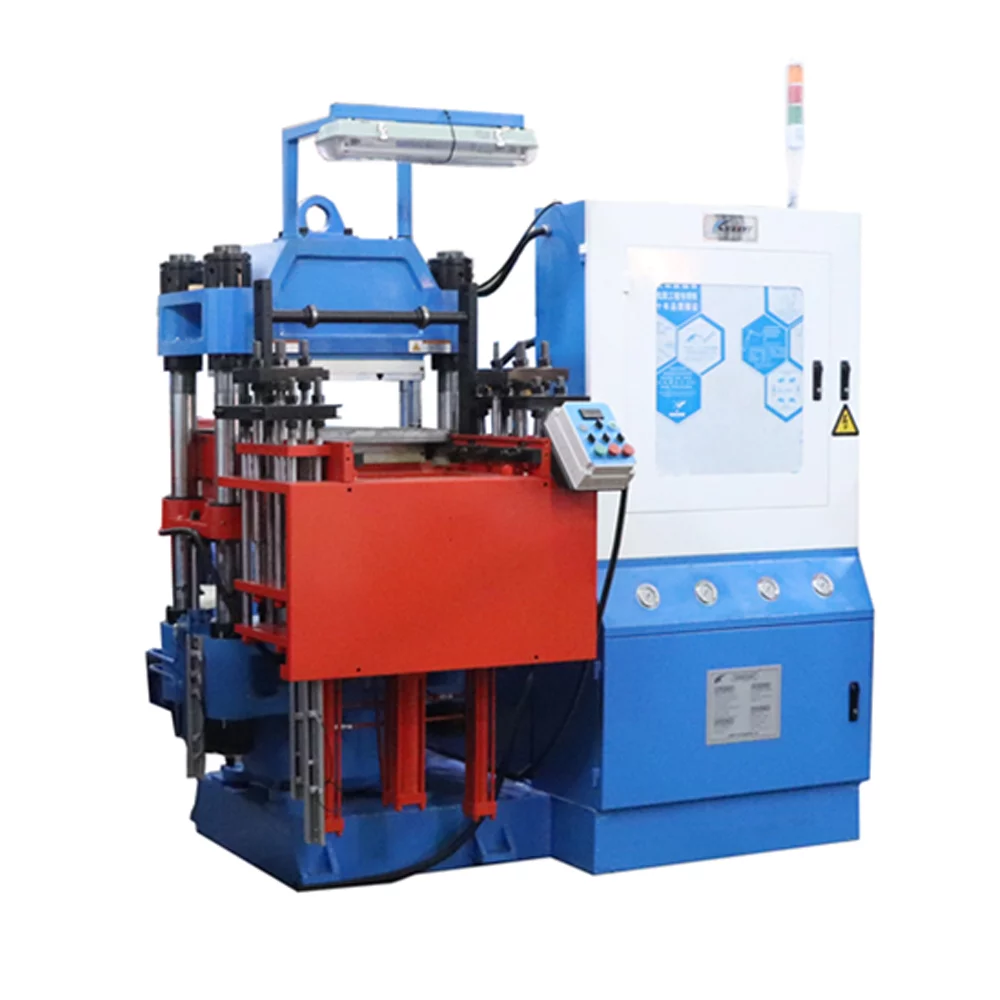
At HWAYI, we work with rubber processing applications for automotive components, including sealing and damping systems. Our equipment portfolio covers rubber injection Molding and LSR Molding applications, allowing the machine configuration to be matched with the material and product requirements.
EPDM for Sealing and Weather Protection
EPDM is commonly considered for automotive sealing applications where resistance to weather, ozone and temperature changes is important. It can be used for sealing profiles and other rubber components that are exposed to outdoor conditions.
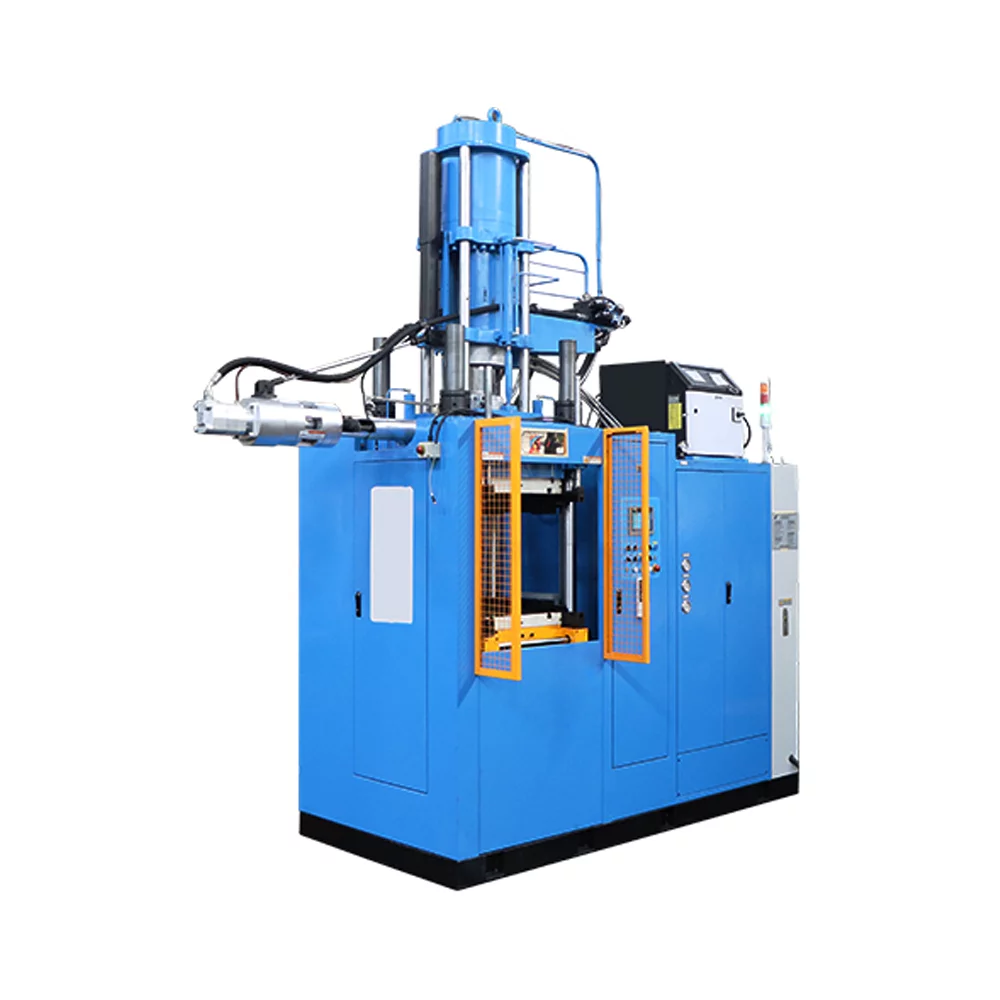
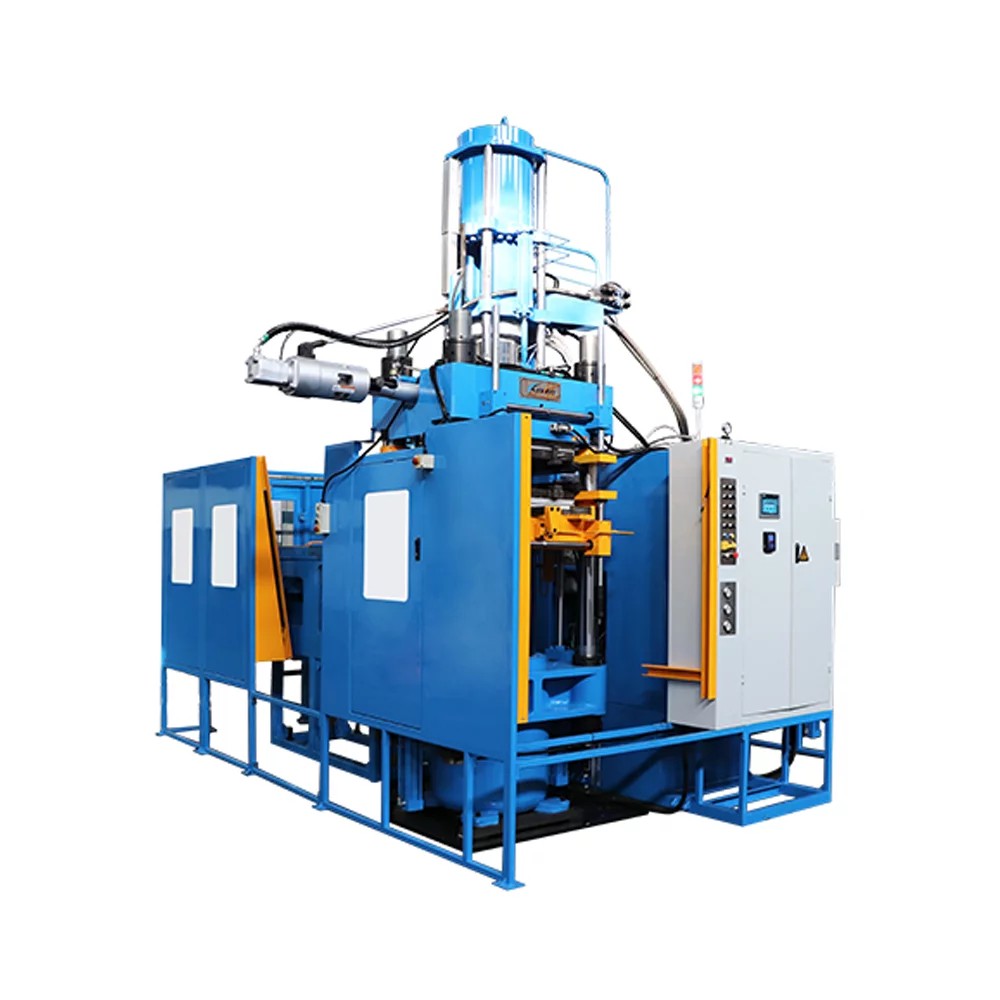
Our product information includes an EPDM and NBR C-Frame Injection Press designed for sealing profile corners and joints. The machine is intended for EPDM and natural rubber sealing profiles and provides an open C-frame structure for easier profile loading during Molding.
For suppliers producing door, window or body sealing components, material selection should be based on the required sealing environment, profile design and production method. The automotive injection molding solutions selected should then support these material requirements.
NBR for Oil-Exposed Components
Nitrile rubber, or NBR, is another material used in rubber component production. Its resistance to oils and certain fluids makes it relevant to applications where rubber parts may come into contact with automotive fluids.
NBR can be considered for seals and other components where fluid resistance is part of the performance requirement. However, the correct compound still depends on the actual operating environment, temperature range and mechanical conditions.
Our EPDM and NBR C-Frame Injection Press is specifically presented for sealing profile applications. This reflects the importance of matching the injection equipment with both the selected material and the geometry of the component.
Natural Rubber for Flexible Components
Natural rubber remains relevant for applications where elasticity and flexibility are required. Its suitability depends on the component’s working conditions, including temperature, mechanical loading and exposure to chemicals or weather.
For automotive production, natural rubber may be considered for certain sealing or damping applications where its material characteristics fit the product requirements. Material selection should not be based only on general properties. The compound formulation and final application need to be evaluated together.
At HWAYI, our equipment is designed to process different rubber materials according to the application. This allows manufacturers to consider the mould, injection conditions and material as one production system.
LSR for Precision Automotive Components
Liquid silicone rubber provides another material option for automotive components. LSR is used in applications where properties such as temperature resistance, elasticity and electrical insulation are required.
Automotive LSR applications can include sealing strips, O-rings, gaskets, dust boots, protective covers and seals for electronic components. These applications can involve complex geometries and controlled dimensional requirements.
Our LSR Molding equipment uses a tiebar-less clamping structure and closed-loop injection control. It can also be integrated with LSR dosing and pumping systems for a complete processing setup. These functions allow the equipment to be configured around the requirements of the selected LSR component.
Matching Material With the Automotive Application
Material selection should begin with the actual function of the component. A door seal may require different properties from an engine-area gasket, while an electronic protective seal may have different requirements again.
Temperature, chemical exposure, compression, flexibility and electrical insulation should all be considered. Production volume and mould complexity also affect the choice of equipment.
For example, EPDM and natural rubber can be relevant to sealing profiles, while NBR may be considered where oil resistance is required. LSR can be suitable for components that require silicone’s specific properties. The material should therefore be selected together with the component design rather than treated as a separate decision.
Connecting Material Choice With Machine Configuration
The selected material also influences the injection process. Rubber compounds and liquid silicone have different material behaviours, so injection pressure, speed, feeding and temperature control need to be considered according to the material.
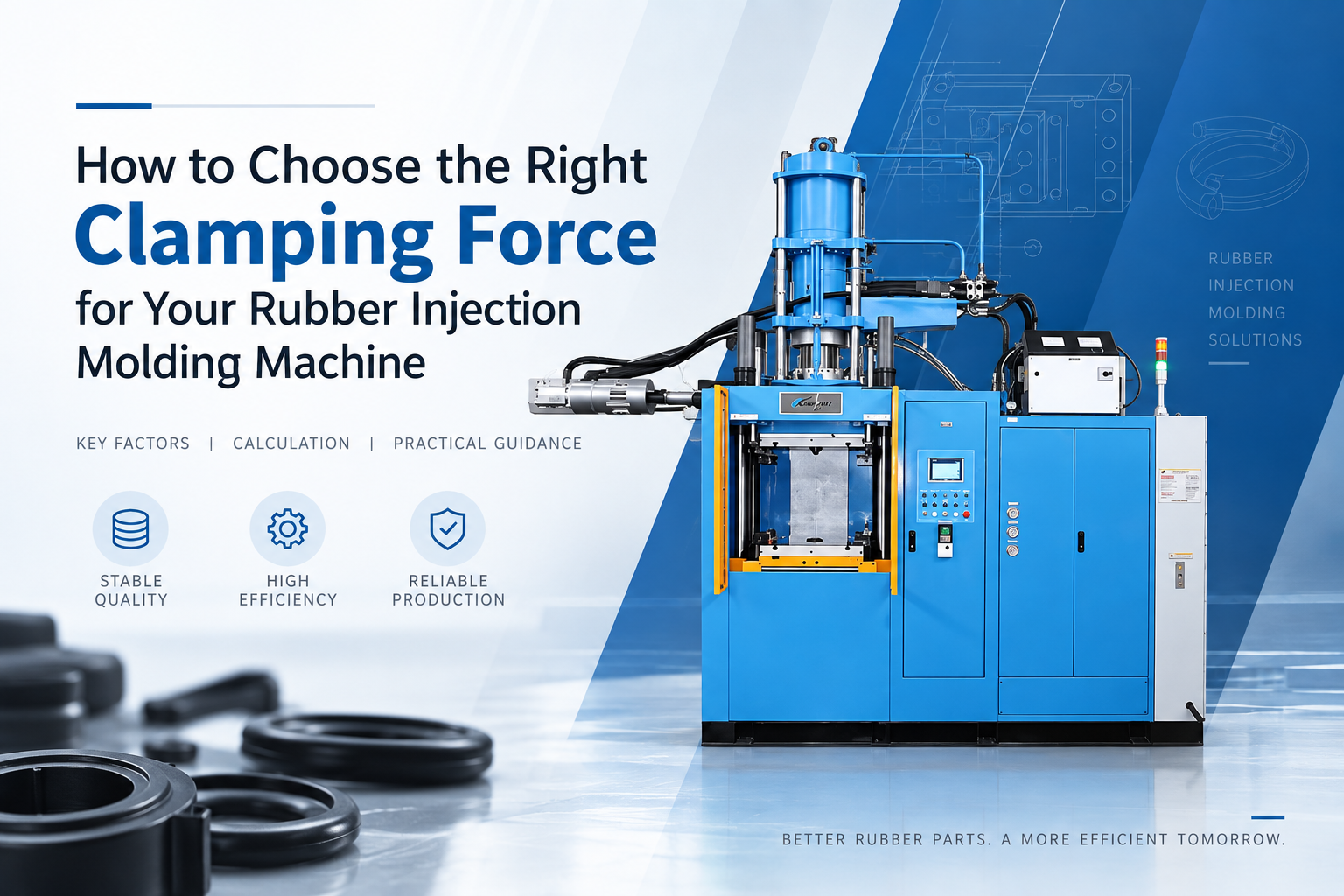
For automotive suppliers, this is where equipment selection becomes important. A machine should provide the control functions needed for the selected compound and mould. Manufacturers should therefore evaluate injection capacity, clamping force, mold dimensions, temperature control, and feeding or dosing requirements together with the selected material. Mould size, injection volume, clamping force and cycle requirements should also be reviewed before final configuration.
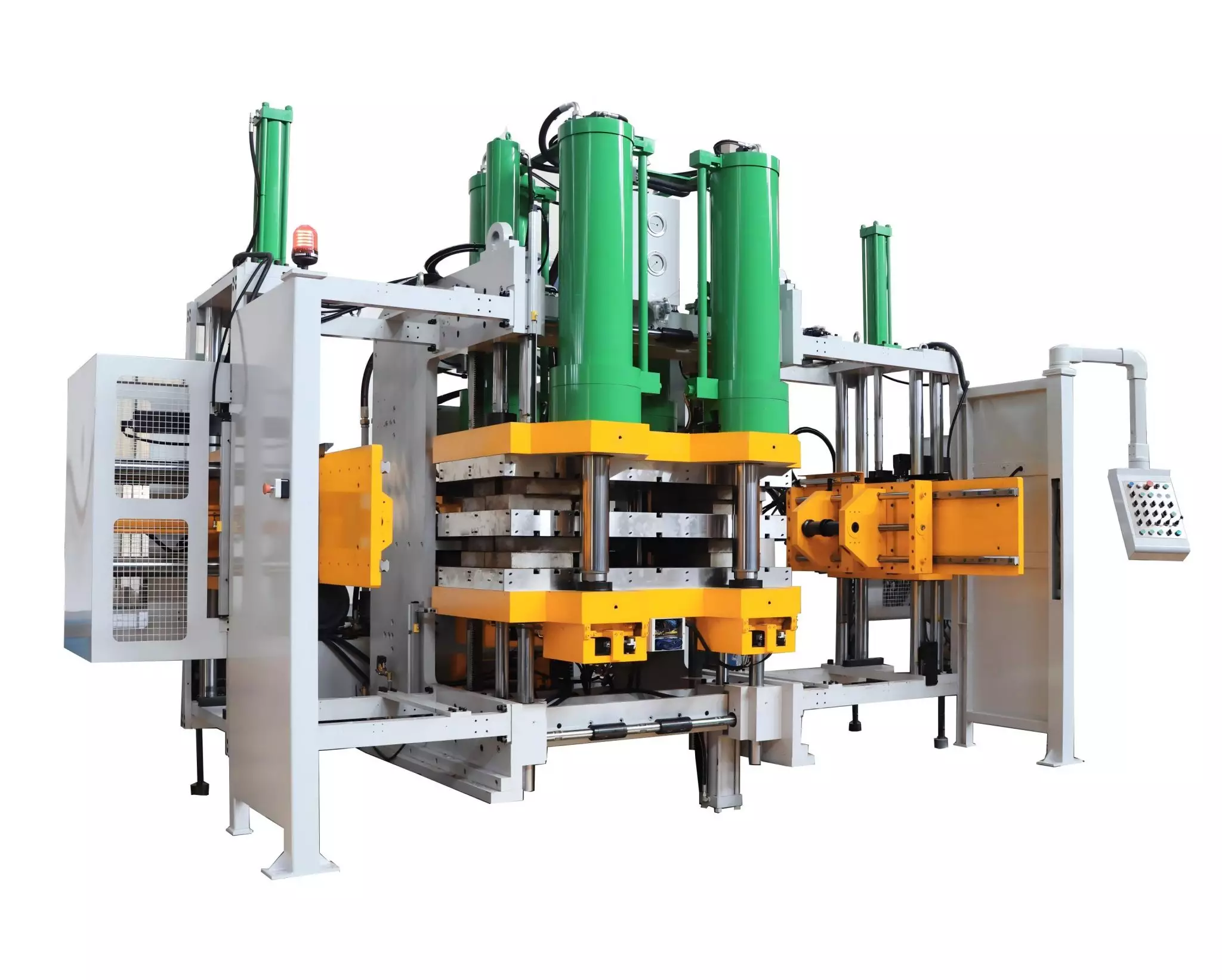
At HWAYI, we provide rubber injection Molding machines, LSR clamping machines and other rubber processing equipment. Our automotive applications include sealing profiles, O-rings, sealing systems and damping components.
Selecting Suitable Materials for Production
There is no single material that fits every automotive injection Molding application. EPDM, NBR, natural rubber and LSR each have different characteristics, and the right choice depends on the component’s operating conditions.
Manufacturers should first define the required properties of the finished part. They can then compare suitable compounds and determine the appropriate Molding process and equipment configuration.
Our approach to rubber molding solutions is based on this connection between material, component design and production requirements. We work with customers to understand the application before determining the appropriate machinery configuration.
For companies developing automotive components, automotive injection molding solutions should therefore be evaluated as a complete process. Material selection, mould design, injection control and production conditions all need to support the final function of the component.