Modern rubber vulcanisation depends on controlled heat, pressure, time, and mould conditions. As production requirements become more specific, manufacturers need equipment that can maintain these parameters throughout repeated curing cycles. When selecting a rubber vulcanizing machine, buyers should therefore look beyond the machine frame and consider the technologies that control the actual vulcanisation process.
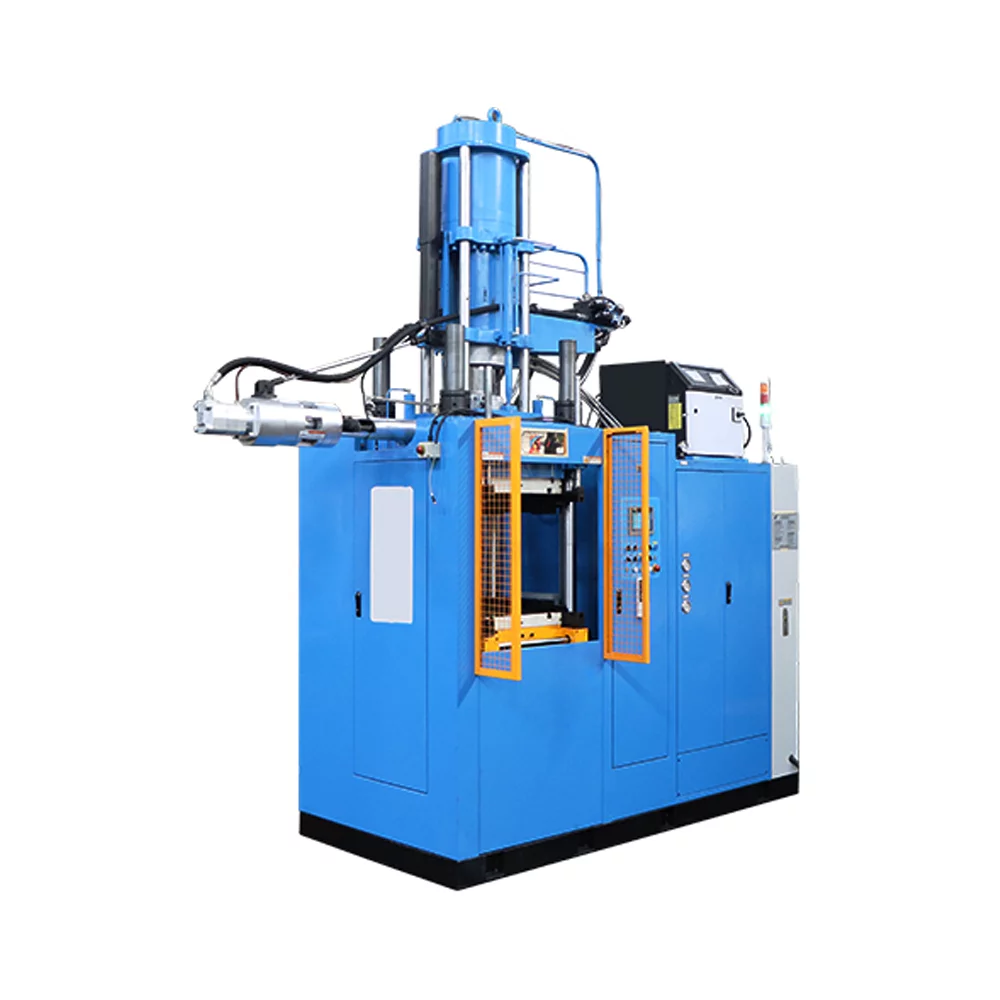
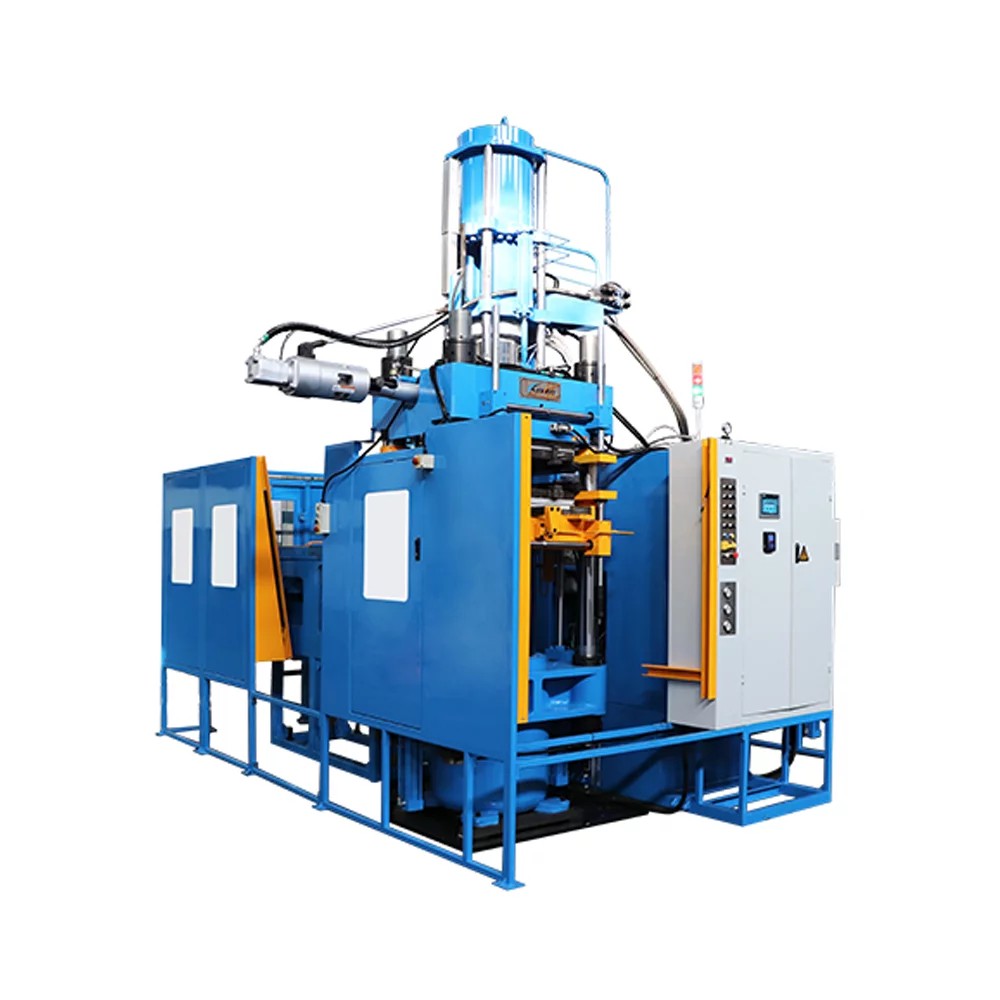
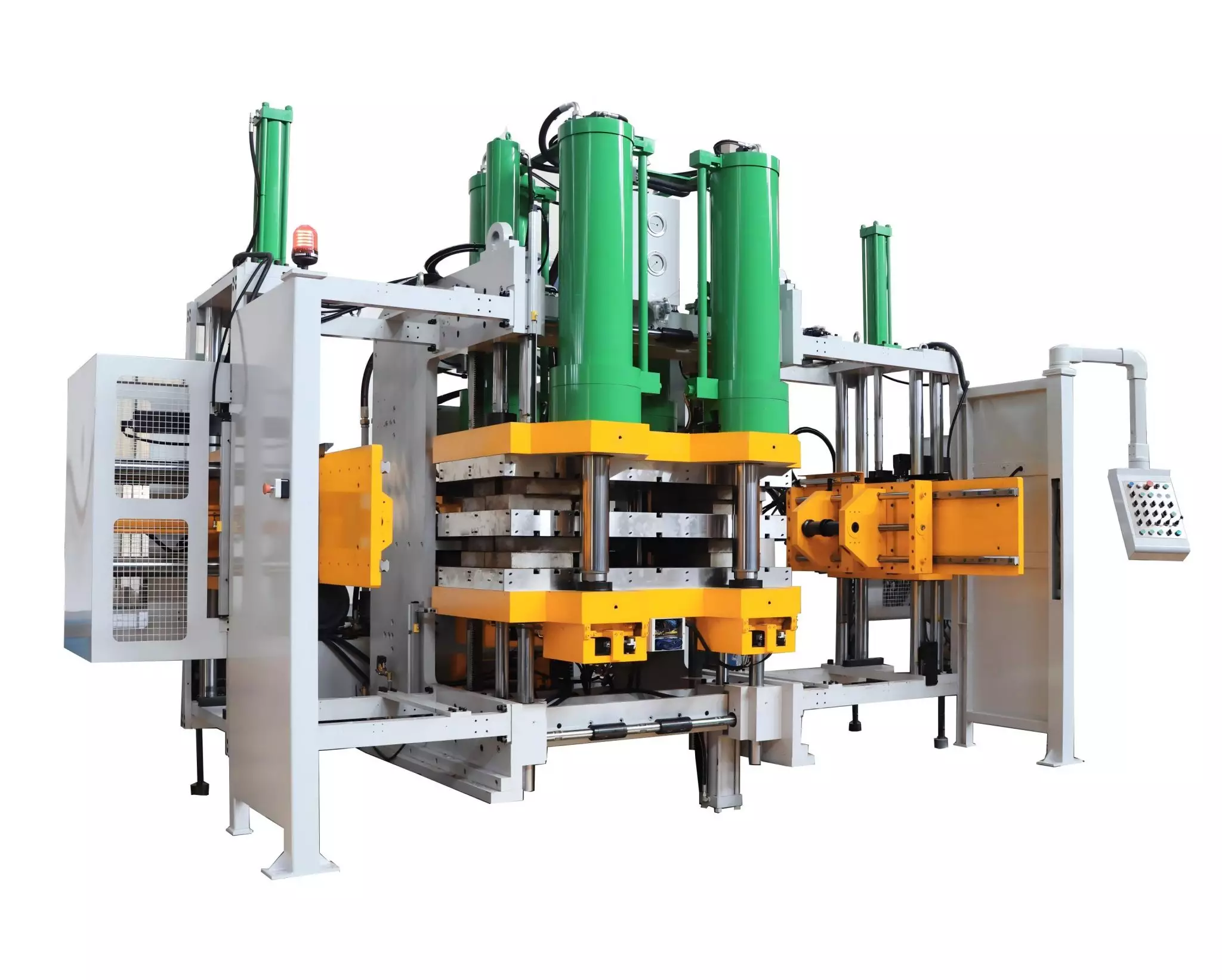
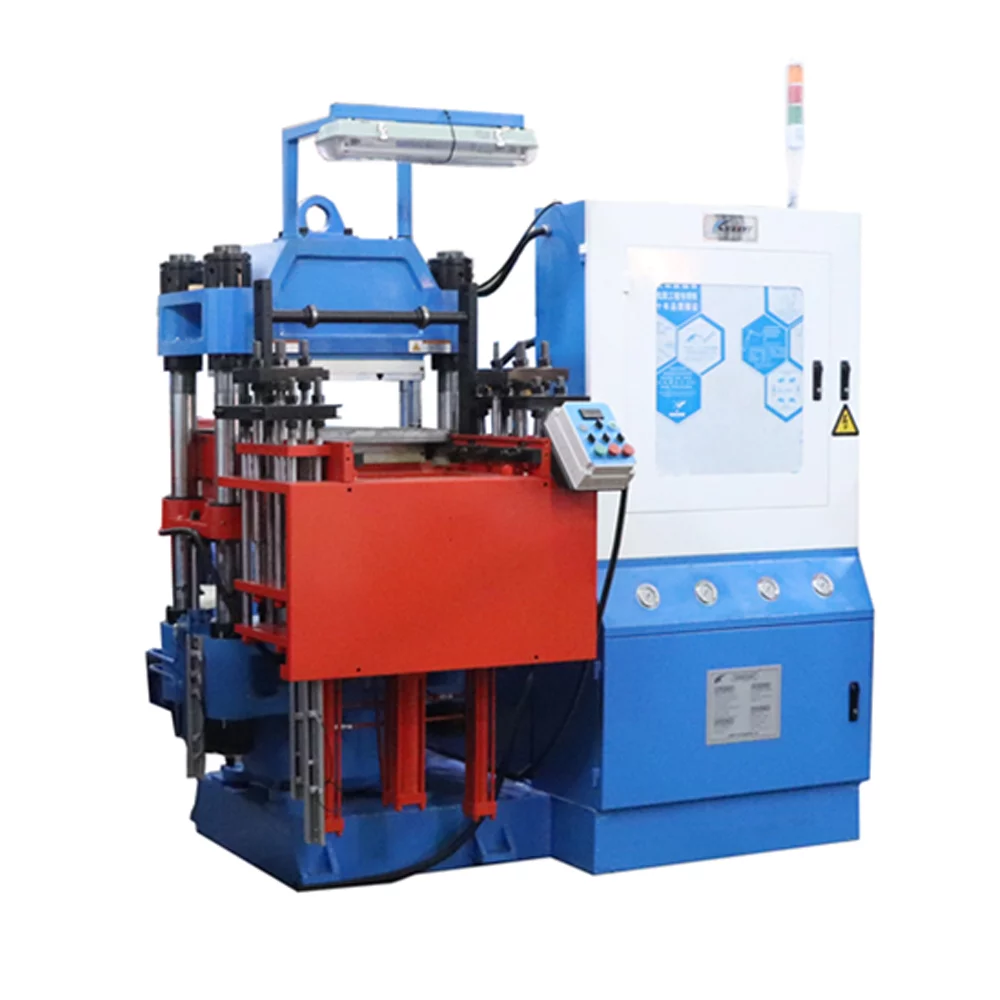
At HWAYI, we develop rubber processing equipment for different production applications. Our rubber vulcanising machine range includes P Series Vulcanizing Machines, V Series Vacuum Vulcanizing Machines, and Y Series Transfer Injection Vulcanizing Machines, allowing different curing processes to be matched with different product requirements.
How does temperature control affect vulcanisation?
Temperature control is one of the central technologies in rubber vulcanisation. Rubber compounds require suitable thermal conditions to complete the cross-linking process. If different areas of a mould receive different levels of heat, curing may become inconsistent across the finished product.
For large rubber components and belt products, platen temperature distribution is particularly important. Uneven heating can create differences in curing conditions, which may affect hardness, elasticity, bonding, and dimensional stability. HWAYI focuses on heating layout and temperature monitoring when developing rubber vulcanising equipment for these applications.
A modern rubber vulcanizing machine should therefore provide stable heating rather than simply reaching a specified temperature. Buyers should examine heating zones, temperature measurement, control accuracy, and how the system responds during repeated cycles.
Why is hydraulic pressure control important?
Hydraulic technology determines how effectively the mould can be closed and held during vulcanisation. Stable clamping pressure helps maintain contact between the mould surfaces and limits material leakage during curing.
Modern systems can use proportional hydraulic control to regulate oil flow and pressure according to the operating stage. This allows the machine to manage platen movement and clamping conditions more precisely. HWAYI’s equipment is designed with hydraulic systems that support stable clamping and pressure control during vulcanisation.
For buyers comparing a rubber vulcanizing machine supplier, hydraulic design should therefore be considered together with frame rigidity, platen parallelism, cylinder configuration, and pressure monitoring.
When is vacuum technology useful?
Vacuum technology provides another option for applications where trapped air inside the mould can affect product quality. During the Molding process, air may remain between the rubber compound and mould cavity. This can contribute to bubbles, voids, or incomplete surface formation.
A vacuum vulcanising machine introduces a vacuum stage to remove air from the mould cavity before or during pressing. This can be useful for thicker products or mould geometries where trapped air presents a greater processing concern.
HWAYI offers a V Series Vacuum Vulcanizing Machine as part of its rubber vulcanising machine range. The equipment is designed with vacuum processing in mind, while its control and service configuration can also support production monitoring and troubleshooting.
What role does transfer injection technology play?
Not every rubber product is suited to the same vulcanisation method. Transfer injection technology combines material preparation and controlled transfer with mould curing. This approach can be considered when the product geometry and material distribution require a different process from a conventional platen press.
HWAYI’s product structure includes a Y Series Transfer Injection Vulcanizing Machine alongside P Series and V Series equipment. This allows us to consider the Molding method as part of equipment selection rather than applying one machine configuration to every rubber product.
The choice should depend on product geometry, rubber compound, mould design, required production volume, and the desired level of process control.
How are automation and data management being used?
Automation has become another important part of modern vulcanisation systems. Automated sequences can coordinate mould closing, heating, pressure application, curing time, and mould opening. This reduces the amount of manual intervention required during repeated production cycles.
Digital control systems can also record process parameters. HWAYI’s technical materials describe computerised control architectures that monitor thermal parameters, hydraulic pressure, and cycle duration, while production data can be stored for later analysis.
For manufacturers, this information can help identify process changes and compare production cycles. It can also support troubleshooting when curing results begin to vary.
What should buyers examine in a modern vulcanising system?
Technology should always be evaluated according to the product being manufactured. A vacuum system may be relevant to one application, while a standard platen press or transfer injection system may be more appropriate for another.
Buyers should compare heating control, hydraulic stability, vacuum capability, automation functions, mould compatibility, machine capacity, and maintenance requirements. It is also useful to check whether the supplier can provide technical support after installation.
At HWAYI, we combine rubber machinery manufacturing with application-oriented technical support. Our product portfolio covers rubber injection molding machines, rubber vulcanising machines, rubber track production equipment, LSR Molding systems, and customer-built machinery. We have more than 25 years of industry experience and provide equipment for automotive, electrical, transportation, railway, and mining applications.
Modern vulcanisation technology is not based on one individual feature. Temperature uniformity, hydraulic control, vacuum processing, transfer technology, and automation all influence how a machine performs in a specific production environment. By evaluating these technologies together, manufacturers can select rubber vulcanising equipment that is more closely matched to their product and process requirements.