Selecting a rubber Molding machine manufacturer is a decision that can affect production stability, maintenance planning, and future equipment upgrades. A suitable supplier should understand the application, provide a machine that matches the Molding process, and offer technical support after installation. For companies considering a vertical rubber injection molding machine, the manufacturer behind the equipment deserves the same attention as the machine itself.
At HWAYI, we believe manufacturer selection should begin with technical capability and production requirements. Our experience in rubber machinery allows us to work with different applications, from automotive rubber components to electrical insulation products.
Does the manufacturer have relevant rubber machinery experience?
Experience should be assessed according to the type of machinery and application involved. A company may have experience in general machinery but limited knowledge of rubber injection Molding, so buyers should examine its actual product range and technical background.
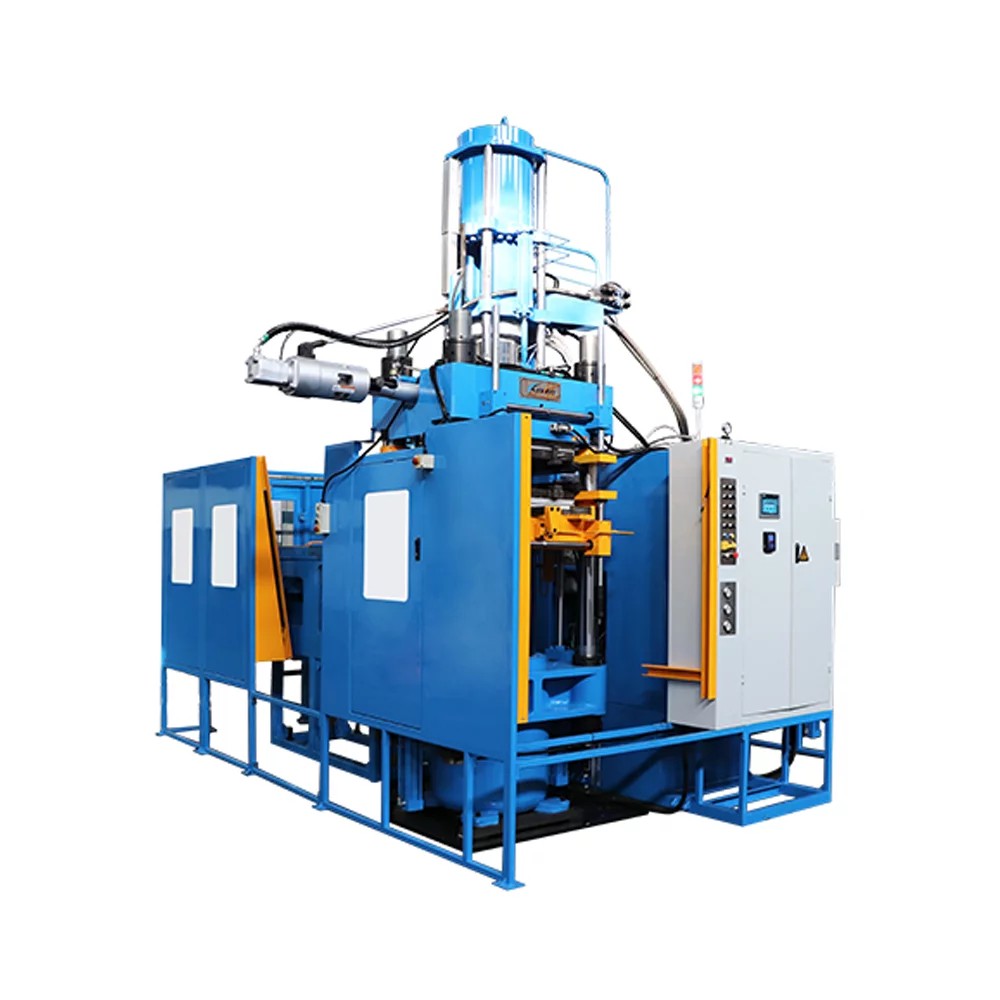
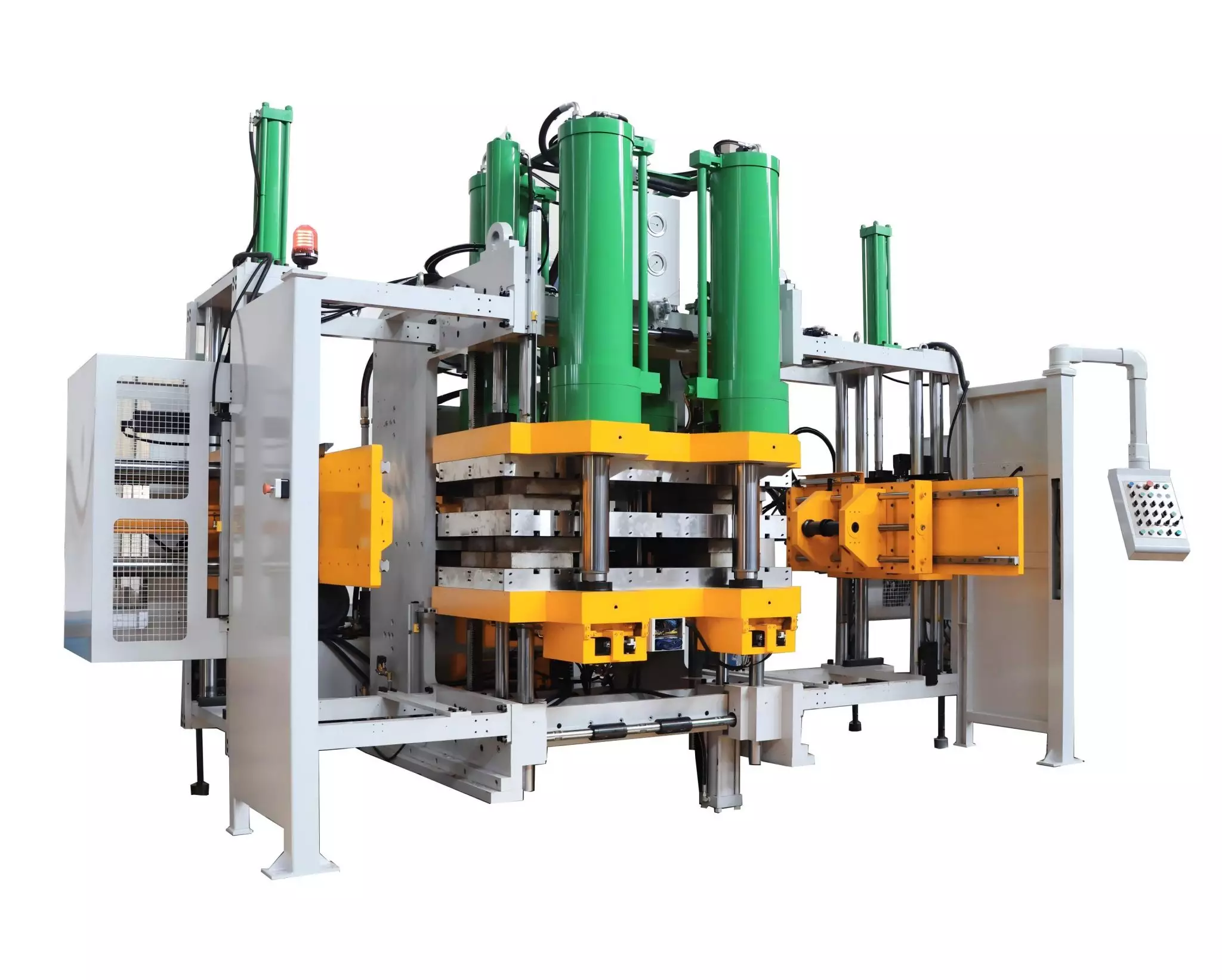
HWAYI has manufactured rubber Molding machines since 2001 and provides rubber injection molding machines, rubber vulcanising machines, rubber track Molding machines, LSR Molding machines, and customer-built equipment. This product range gives buyers a clearer indication of the supplier’s experience in rubber processing equipment.
For manufacturers evaluating vertical Molding machine manufacturers, it is useful to ask whether the supplier has handled applications similar to the products planned for production. This can reveal whether its technical recommendations are based on relevant processing experience.
Can the supplier match the machine with your application?
A reliable supplier should not recommend equipment only according to the required clamping force. Product size, rubber compound, mould dimensions, injection volume, production volume, and curing requirements all influence machine selection.
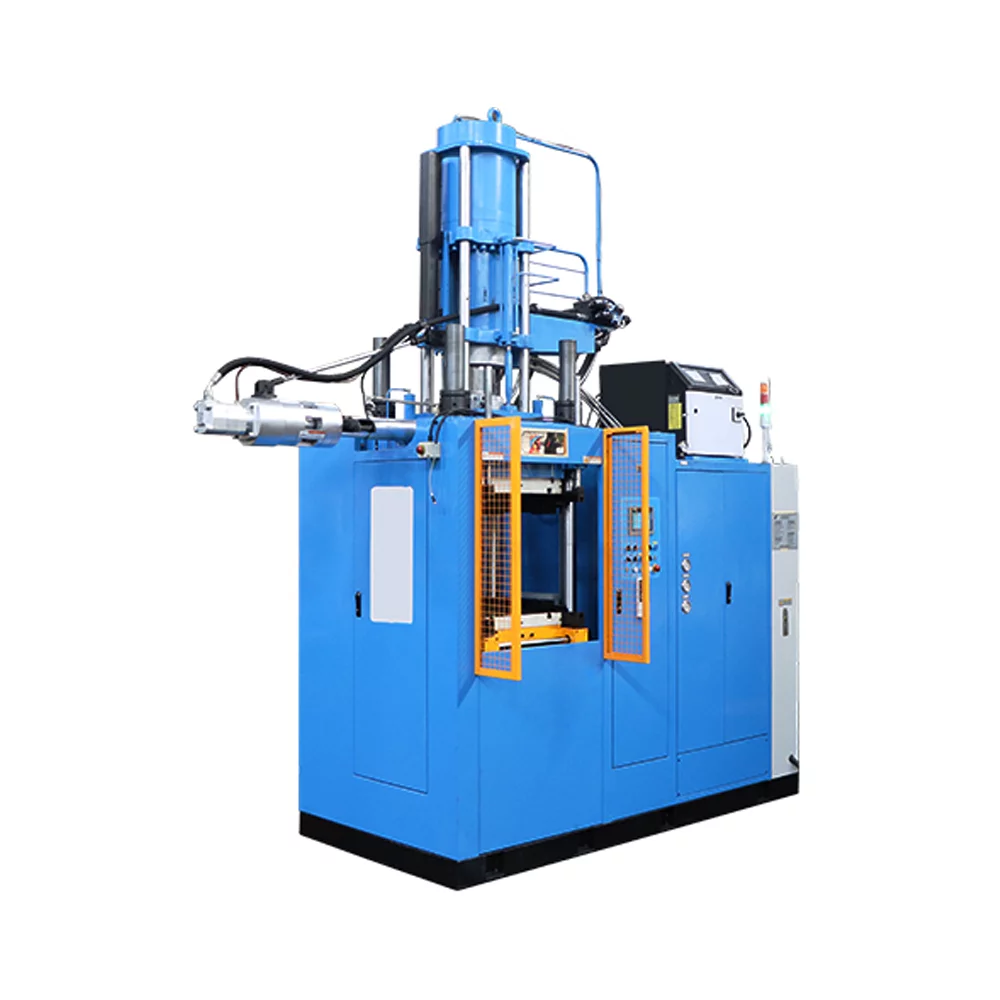
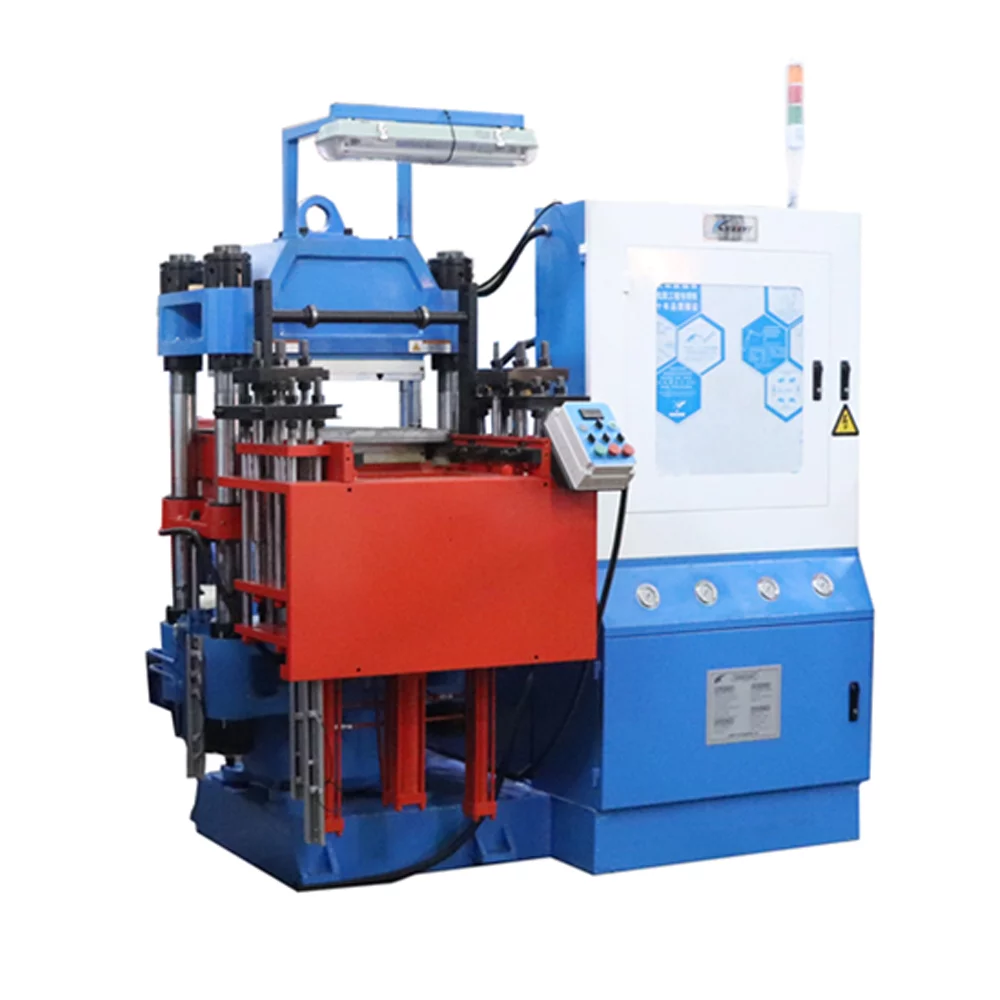
The HYZ-E Series is a vertical rubber injection machine with different models and configurations. Its vertical injection unit is positioned along the central axis of the clamping force, while the machine range provides different clamping and injection capacities for different production requirements.
Before placing an order, buyers should provide detailed information about their products and moulds. This allows the manufacturer to assess whether the proposed machine configuration is suitable instead of relying on general specifications.
What machine design features should be examined?
The structure of the machine can provide useful information about how the manufacturer approaches stability and operation. A four-column structure, for example, can support stable clamping and mould alignment during repeated production cycles.
The HYZ-E Series uses a four-column vertical structure and an optimised machine layout. Its hydraulic power unit and electrical control system are positioned on the right side, leaving more working space around the mould area. The machine also includes a retractable injection nozzle and full safety guards.
When comparing vertical rubber injection molding machine suppliers, buyers should therefore look beyond appearance and compare structural design, mould accessibility, control functions, and safety configuration.
How much control does the machine provide over the process?
Process control is another useful way to evaluate a manufacturer. Rubber injection Molding can involve changes in injection pressure, injection speed, temperature, and curing conditions. The machine should provide appropriate control over these variables.
The HYZ-E Series provides multi-phase injection pressure and speed control for different rubber Molding requirements. Its PLC production management system can monitor the process and store up to 300 production recipes, while USB data transmission supports the transfer of production settings.
Temperature control should also be considered because uneven heating can affect vulcanisation. The HYZ-E Series uses PID-calibrated heating platens and insulation plates as part of its temperature management configuration.
Does the manufacturer support different rubber applications?
A trustworthy manufacturer should understand that one production facility may manufacture different types of rubber components. Application experience therefore matters when selecting equipment.
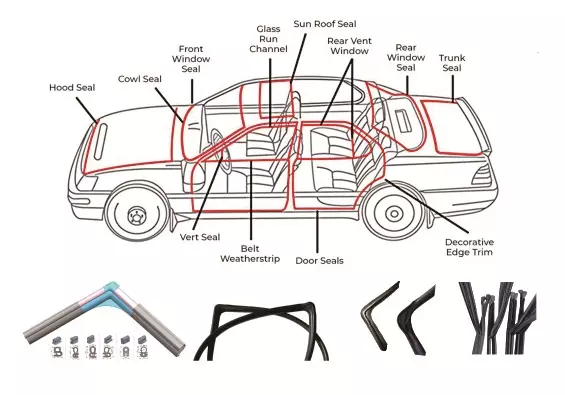
Vertical machines can be used for automotive rubber components such as seals, bushings, gaskets, and vibration dampers. They can also be applied to electrical insulation products and other industrial rubber components. HWAYI’s HYZ-E Series can also be configured with an optional HTV silicone rubber feeder for products such as silicone insulators, arresters, bushings, and cable joints.
This application flexibility can be useful when production requirements change over time. However, the material, mould, and product requirements should still be assessed before selecting a specific configuration.
Can the supplier provide support after delivery?
Machine reliability is not determined only by the equipment leaving the factory. Installation, commissioning, operator training, maintenance, and technical communication can all affect long-term production.
We provide technical and after-sales support as part of our equipment service. Our official company information also identifies an experienced technical and service team as part of our production support structure.
When assessing vertical Molding machine manufacturers, buyers should therefore ask about installation support, spare parts availability, troubleshooting procedures, response channels, and technical documentation. These details can help reduce uncertainty after the machine enters production.
What should be included in the final supplier comparison?
A practical comparison should cover several areas: manufacturing experience, relevant applications, machine structure, process control, safety configuration, customisation capability, technical support, and after-sales service.
For us at HWAYI, choosing a machine starts with understanding the customer’s production process. We then consider the rubber material, mould requirements, product characteristics, and expected production conditions before determining the suitable configuration.
A vertical rubber injection molding machine should therefore be evaluated as part of a complete production solution. By comparing both the equipment and the capabilities of the manufacturer, buyers can make a more informed decision and establish a clearer basis for long-term production planning.