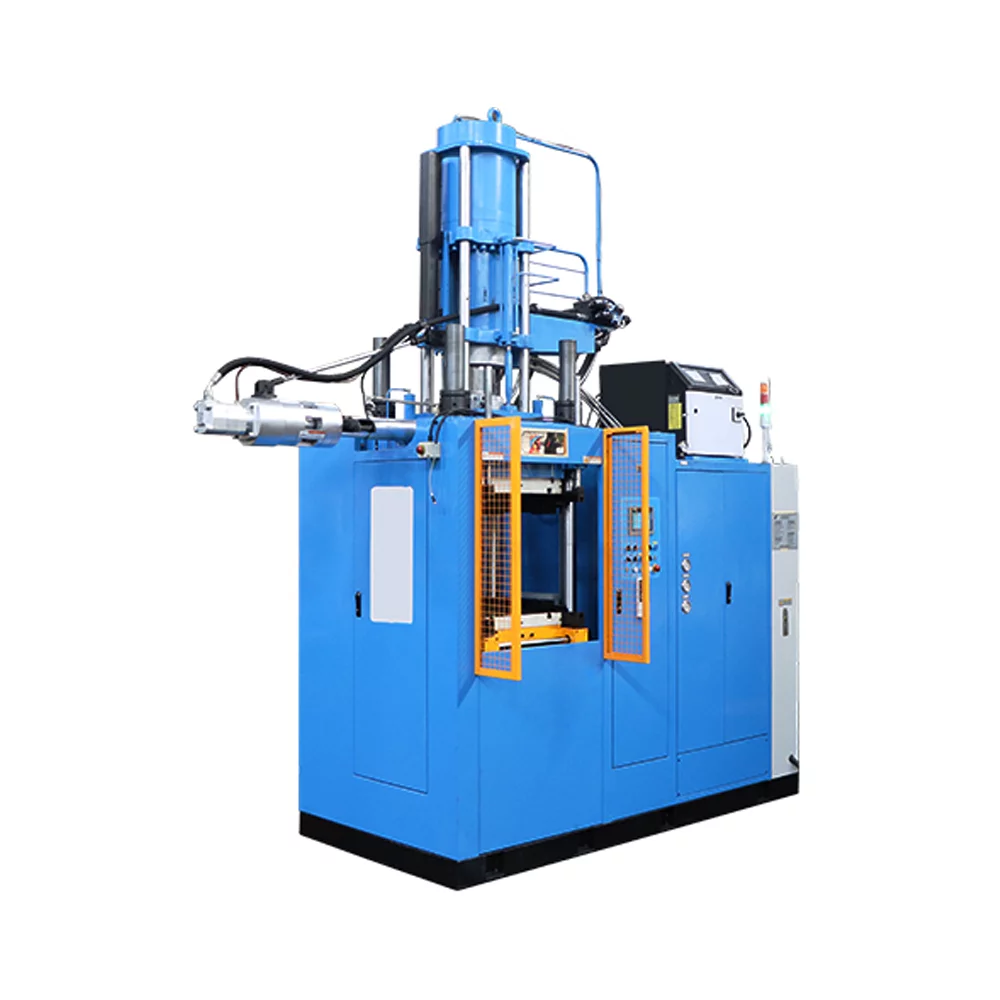
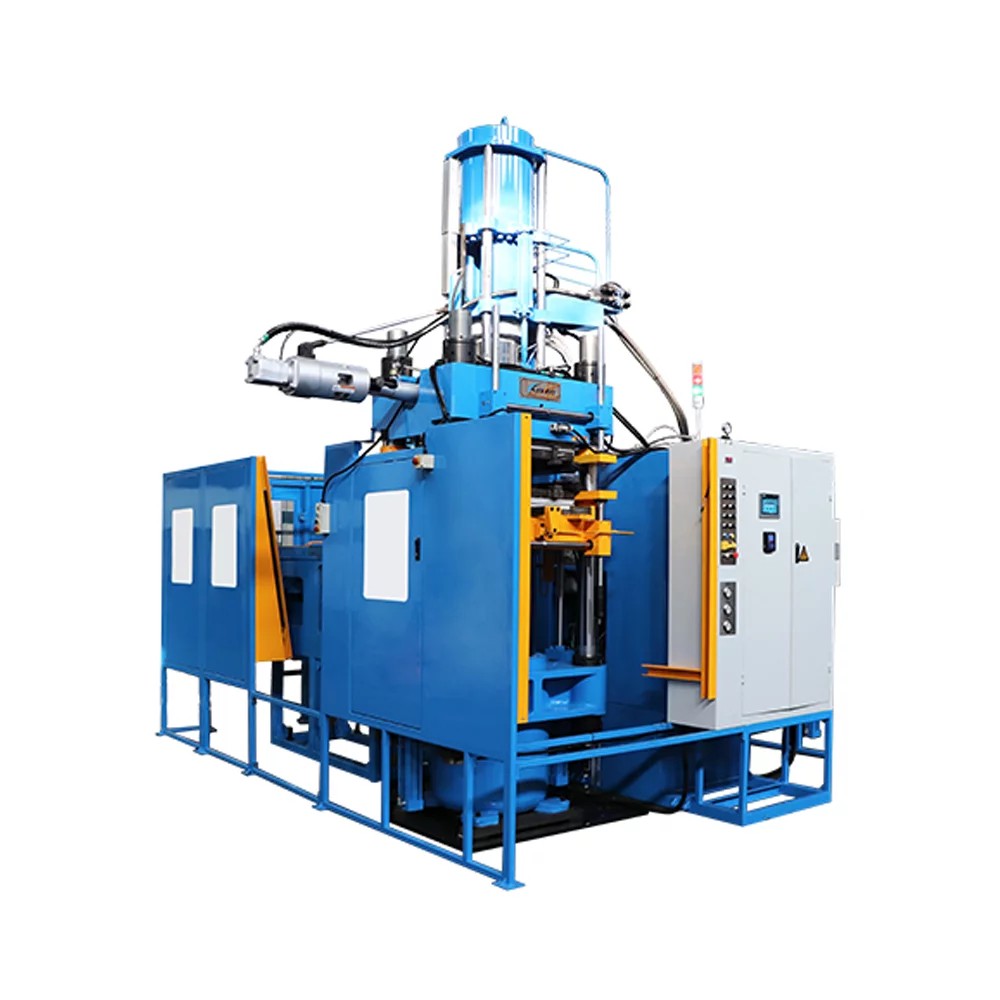
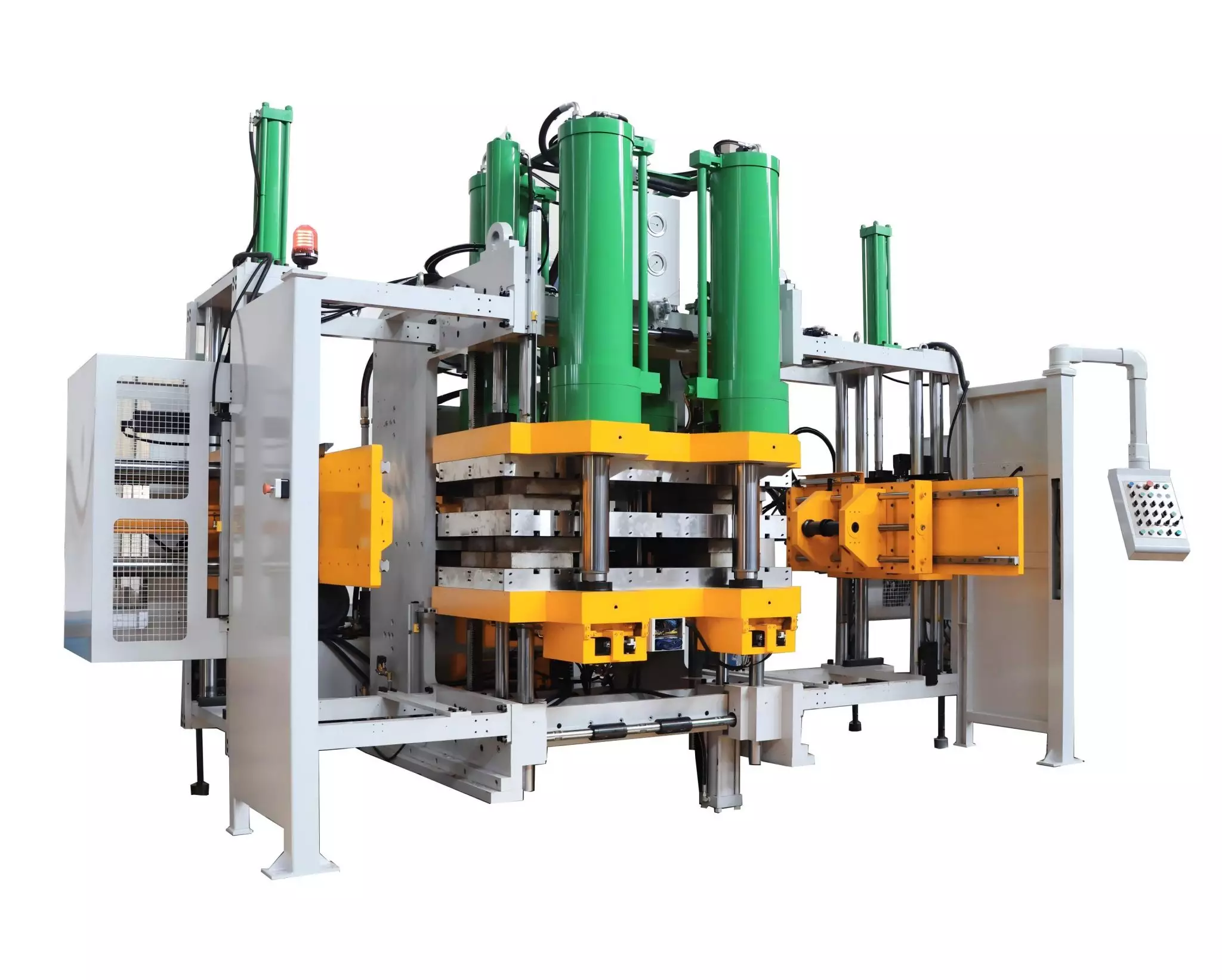
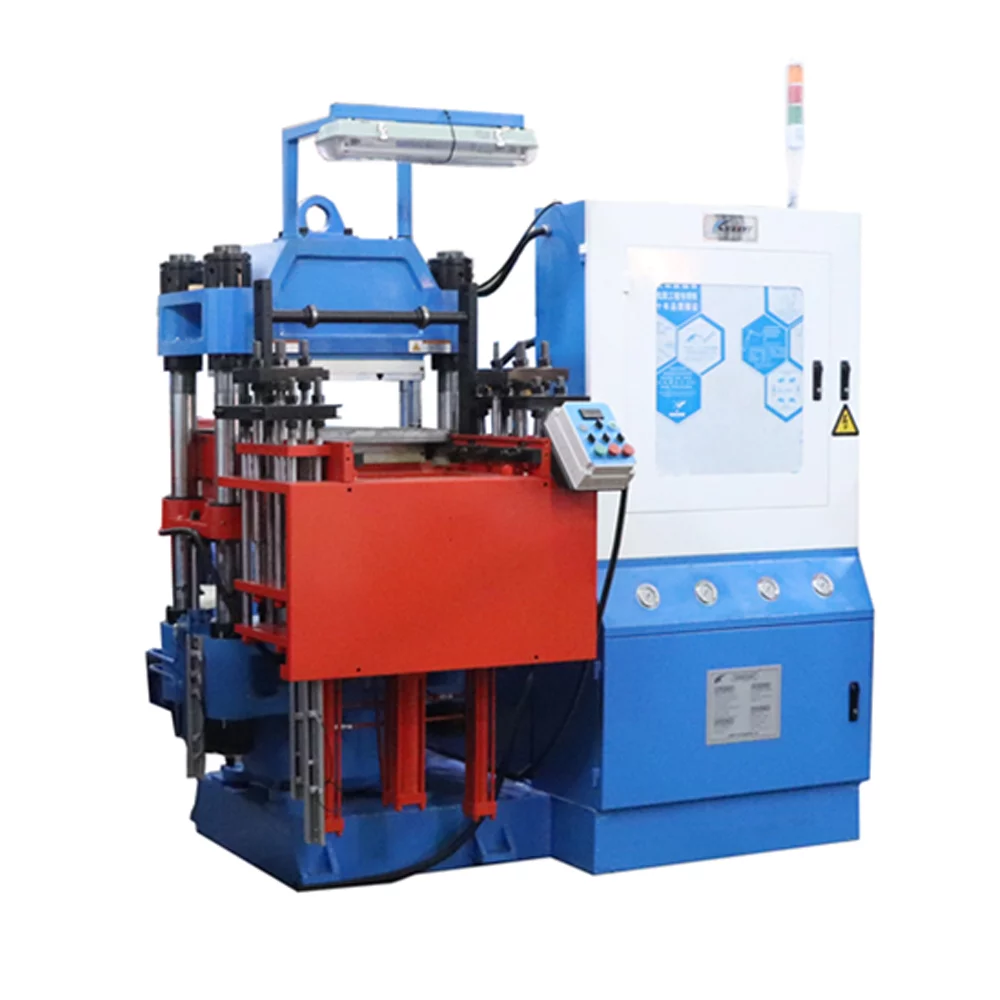
Industrial manufacturing facilities face constant pressure to lower cycle times while maintaining strict geometric tolerances for elastomeric parts. On the production floor, manual operations often introduce unpredictable variables that slow down throughput and reduce quality consistency. Upgrading a standard rubber injection molding machine with targeted automated subsystems bridges the gap between raw capacity and repeatable precision.
Minimizing human variance from repetitive mechanical tasks optimizes the overall cost per part. By analyzing which components of the process benefit most from mechanized assistance, operations can systematically target bottlenecks. This structural optimization helps capital investments yield measurable performance improvements across high-volume production lines.
At HWAYI, our engineering philosophy centers on identifying these operational pain points and developing integrated hardware solutions. Empowering manufacturing plants transition away from labor-intensive steps allows them to protect their tooling investments and maximize floor efficiency.
Automated Compound Feeding and Strip Cutting Systems
Continuous material delivery forms the bedrock of a stable, uninterrupted manufacturing sequence on the factory floor. Manual strip feeding carries the inherent risk of operator neglect, which can cause the injection barrel to run dry mid-cycle.
Implementing automated feeding rollers ensures a continuous ribbon of rubber compound moves smoothly into the plasticization unit. These systems monitor feed tension and material consumption rates in real-time to adjust input speeds dynamically.
Utilizing a modern rubber injection moulding machine with an integrated cold feed design minimizes the need for manual material pre-heating. This advancement maintains a steady, uniform temperature profile from the storage pallet directly into the screw mechanism.
Precision Material Dose Control and Volumetric Integration
Inconsistent shot sizing leads directly to either excessive material waste or incomplete filling defects known as short shots. Automation in mass measurement utilizes highly responsive linear transducers to stop the screw precisely when the target volume is reached.
Automated feedback loops constantly communicate with the primary hydraulic valves to adjust the transition point between filling and packing. This prevents over-packing the mold cavities, which saves raw material and significantly reduces mechanical wear on parting lines.
Our development teams configure high-resolution control networks that stabilize these volumetric inputs over thousands of consecutive cycles. This deep integration allows processing engineers to maintain tight control over component mass without constant manual oversight.
Integrated Tool Heating and Multi-Zone Thermal Loops
Vulcanization is entirely dependent on consistent, high-temperature thermal energy being transferred evenly into the compound. Automated multi-zone temperature controllers independently regulate separate heating elements embedded within the mold platens.
If an external draft cools one side of the tooling, the automated control loop immediately increases power to that localized zone. This responsive balancing act prevents cold spots that would otherwise delay the entire curing cycle.
Maintaining a uniform thermal profile across the tool face allows facilities to compress the necessary cure time to its absolute minimum. Our team emphasizes this thermal synchronization to help plants achieve faster cycling without risking incomplete chemical cross-linking.
Automated Part Stripping and Brush Demolding Mechanisms
The physical extraction of cured components represents a significant portion of non-productive open-mold time. Relying on operators to manually pry complex parts out of deep cavities slows down the process and introduces a high risk of tool damage.
Automated mechanical brushes and integrated ejector plates rapidly clear the mold face immediately after the platens separate. These movements follow exact programmed paths, ensuring that parts are dropped safely onto conveyor belts without tearing.
Minimizing the time a mold remains open is vital for preventing heat loss from the core elements. We engineer our extraction interfaces to synchronize with the core-pulling hydraulics, keeping the open-tool window brief.
Advanced Vacuum System Integration and Air Evacuation
Trapped air inside a mold cavity causes surface pitting, voids, and severe material burning due to the diesel effect under high compression. Automated vacuum sequencing extracts atmospheric gases from the sealed chamber just before the injection nozzle opens.
Integrating high-capacity vacuum pumps directly into the clamping cycle ensures that evacuation occurs in a matter of seconds. This automated step allows the compound to fill intricate geometries smoothly without encountering resistance from pocketed air.
Minimizing the need for manual venting accelerates production speed while drastically reducing the rate of component rejection. Our technical group ensures that these vacuum cycles are fully embedded into the primary machine control software for seamless execution.
Real-Time Hydraulic Proportional Control Architecture
Modern automated machinery relies heavily on smart proportional valves that adjust pressure and flow rates dynamically during operation. This setup allows the clamp to move at high velocities before cushioning softly right before tool contact.
Preventing harsh mechanical impacts protects expensive core pins and maintains precise tool alignment over millions of cycles. Automated hydraulic control also monitors system fluid temperatures to maintain consistent pressure delivery despite shifts in ambient room conditions.
We design our structural systems to leverage these advanced proportional systems for incredibly smooth mechanical transitions. This engineering approach directly correlates with lower maintenance overhead and highly predictable dry cycle times.
Specialized Automation for High-Voltage Silicone Insulators
The production of massive electrical components introduces extreme material volume challenges that standard automation configurations cannot handle. Components like composite insulators or heavy hollow core bushings require continuous, high-pressure injection over extended profiles.
Processing solid silicone or High-Temperature Vulcanizing (HTV) rubber demands robust machinery capable of managing immense shot weights without interruption. Automation in this sector involves precise control over massive double-cylinder injection systems to prevent internal structural voiding.
To meet these demanding industrial requirements, our specialized HTV Silicone Insulators Injection Machine spans from models HYZ-200B to 2400B. This specialized HWAYI rubber machine heritage includes designing the world’s largest injection system for 1000kv insulators in 2008, showcasing our heavy-duty automation capability.
Intelligent Predictive Diagnostics and Monitoring Software
The ultimate phase of processing automation involves cloud-linked sensor arrays that continuously track machine health parameters. These systems evaluate changes in motor current, clamping drift, and valve response times to flag potential maintenance issues before failures occur.
Predictive monitoring transforms unexpected downtime into scheduled, brief maintenance windows that do not disrupt the broader production facility. This data stream gives plant managers complete visibility into operational efficiency and long-term equipment utilization metrics.
By analyzing these systemic trends, engineering teams can optimize cycle parameters based on historical empirical data rather than speculation. We actively integrate these smart communication protocols into our equipment architectures to support data-driven manufacturing frameworks worldwide.
Conclusion
Implementing robust automation features is a reliable path to transforming rubber molding operations into highly efficient, repeatable processes. From automated material feeding and precise shot sizing to mechanized part stripping and predictive diagnostics, every layer of technology reduces cycle times. Embracing these advanced system integrations protects fragile tooling, minimizes waste, and maximizes production consistency across demanding industrial applications.