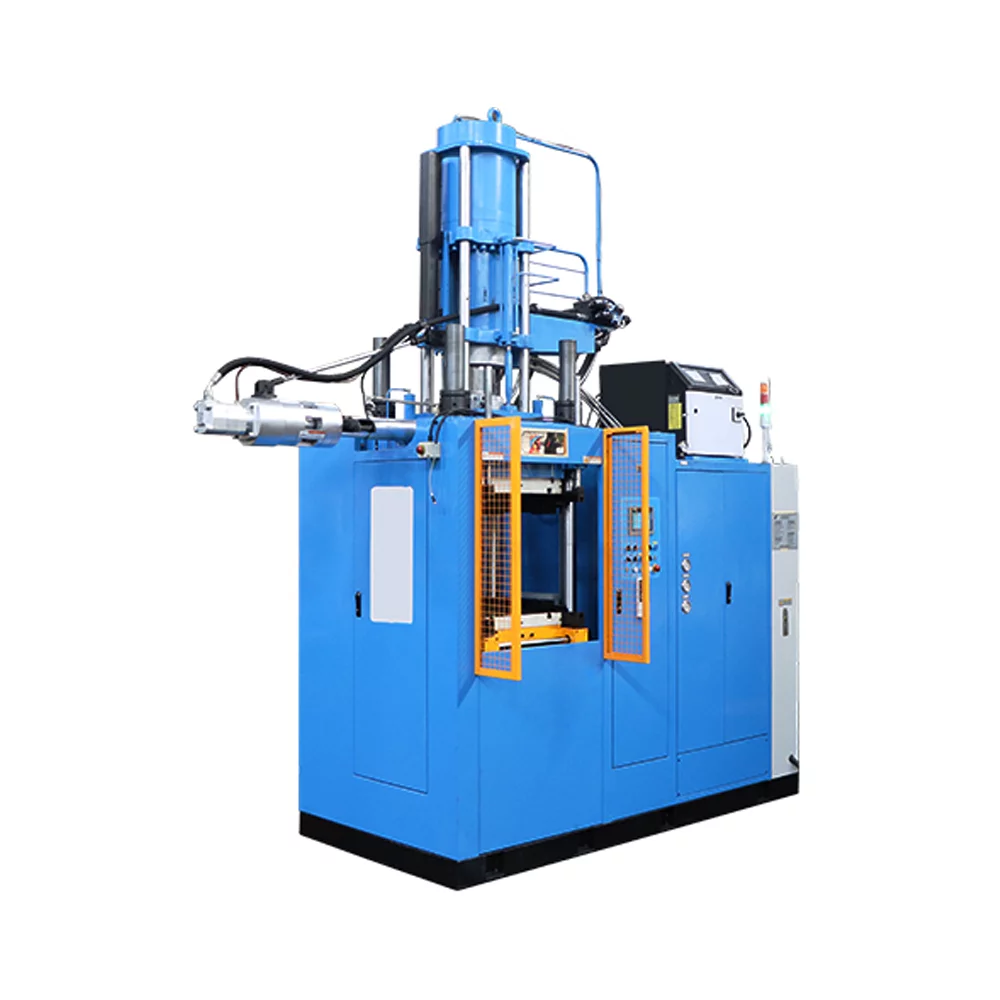
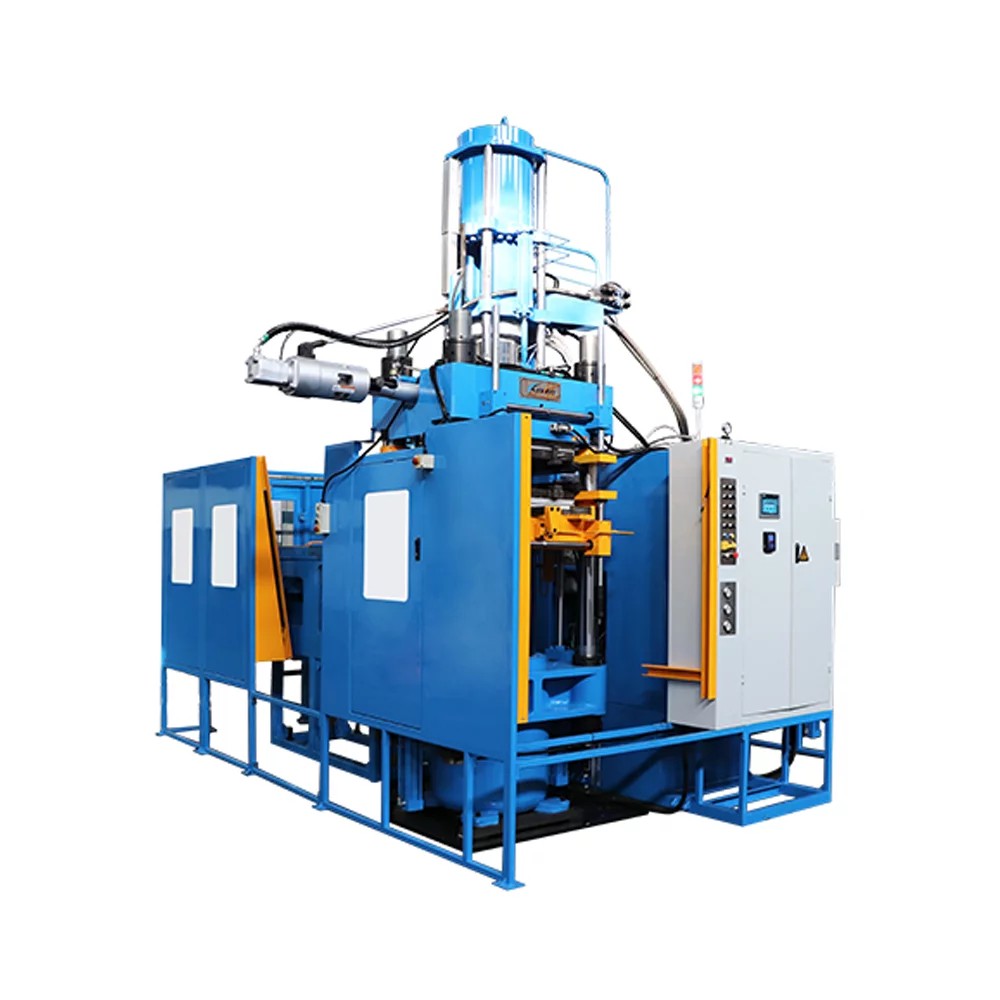
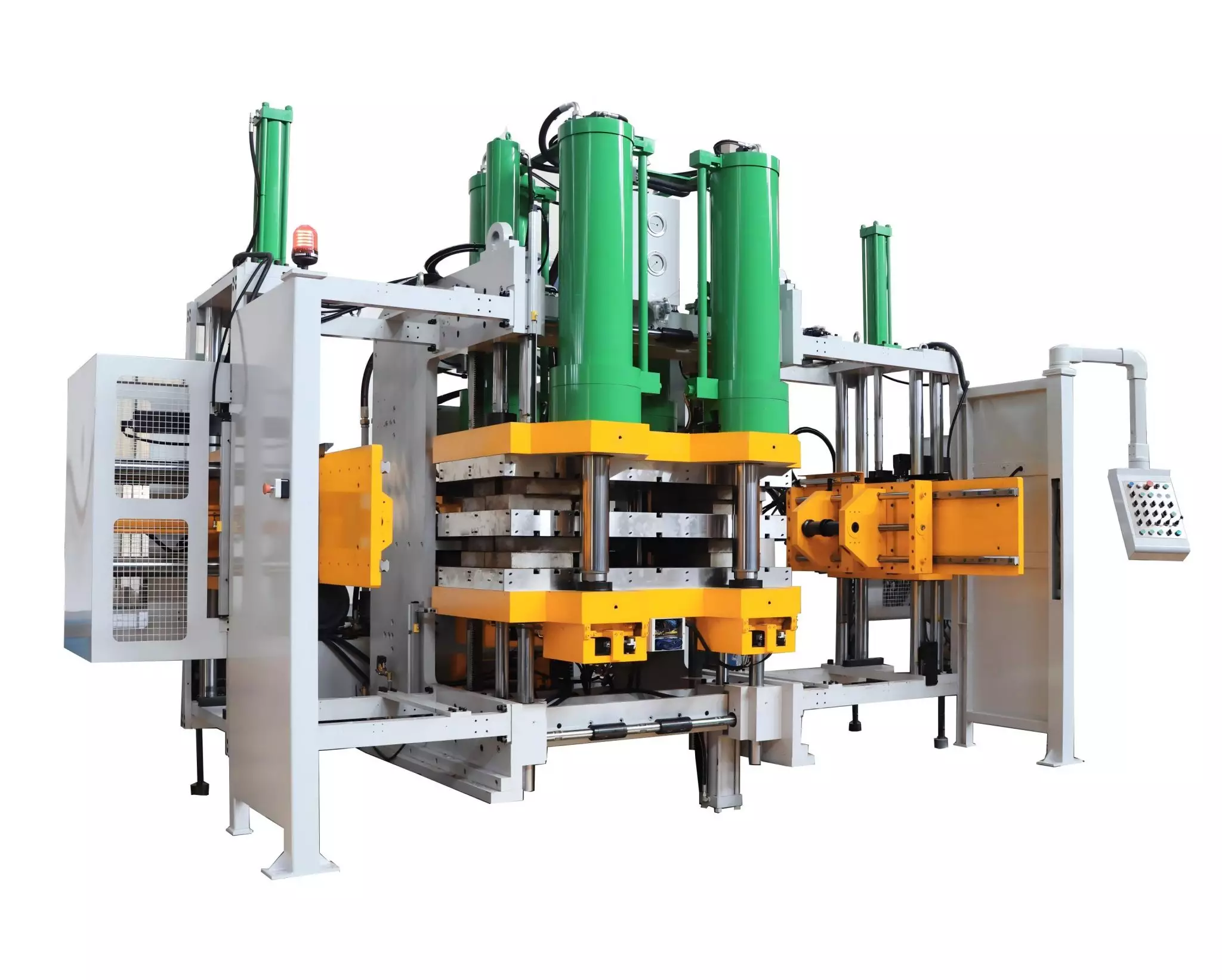
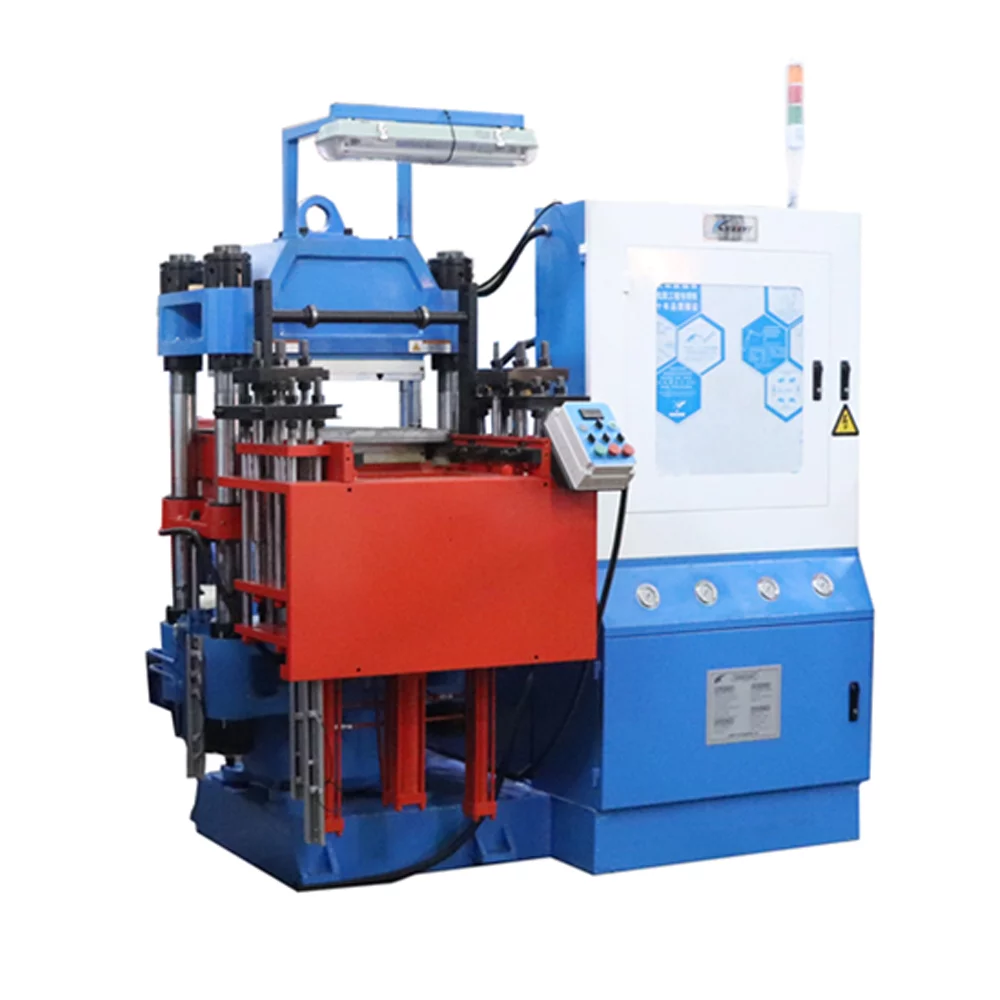
Heavy-duty elastomeric processing involves a combination of extreme thermal energy, high hydraulic clamping pressures, and substantial mechanical movements. Operating a large-scale rubber belt vulcanizing machine on a busy production floor requires defined risk mitigation strategies to protect nearby plant operators. Modern machinery design relies on layered, redundant safety mechanisms that isolate hazards without disrupting overall plant productivity.
Integrating passive and active safety architectures prevents sub-system failures fromescalating into major mechanical accidents. Engineering teams focus heavily on redundant control loops, physical barriers, and automated monitoring sensors to build a safe environment. This systematic approach to equipment design preserves valuable tooling investments while maintaining a reliable, predictable manufacturing workflow.
At HWAYI, we place risk mitigation at the very center of our mechanical and electrical engineering processes. By studying operational patterns, we design industrial equipment that balances effective physical protection with high fluid-power performance.
Redundant Emergency Stop Networks and Safety Relays
An instantaneous shutdown mechanism forms the primary line of defense against unexpected mechanical malfunctions or operator missteps. Modern presses utilize dual-channel emergency stop circuits wired directly through certified safety relays to achieve a high level of functional safety and reliable signal interruption.
If a single contact block fails inside an emergency button, the secondary backup channel still triggers an immediate dump of hydraulic system pressure. These circuits operate entirely independent of the primary programmable logic controller to eliminate software-related failure risks.
Placing physical e-stop buttons strategically around the machine perimeter enables operators to reach them from any working angle. Our technical assembly team at HWAYI configures these hardware loops to meet applicable global safety compliance parameters before shipment.
Optical Light Curtains and Presence Sensing Safeguards
Protecting operators during high-velocity clamp closing cycles requires reliable non-contact detection barriers around the main daylight area of the press. Infrared light curtains emit dense arrays of invisible light beams directly across the open operational zone.
Muting functions are carefully programmed into these optical barriers to allow automated handling equipment to pass through safely without triggering false alarms. This intelligent integration keeps the line moving smoothly while keeping human operators at a safe distance.
Low-Pressure Mold Protection and Closing Speed Profiles
Applying hundreds of tons of hydraulic clamping force onto an incorrectly seated component can cause significant structural damage to the tool steel. Safety systems counteract this risk by dividing the closing movement into distinct, low-pressure velocity stages.
The platen moves rapidly through the open space but drops to a low-pressure monitoring phase right before the tool halves meet. If the system detects unexpected resistance during this window, the movement reverses instantly to prevent tool crushing.
Only when the sensors confirm full, uniform mechanical alignment will the high-pressure pump engage to lock the mold for vulcanization. This layered closing logic safeguards both the physical operators and the highly expensive precision molds from harm.
Interlocked Physical Enclosures and Mechanical Safety Catches
Solid steel fencing and high-impact polycarbonate windows provide robust physical isolation from hot surfaces and moving high-pressure cylinders. Access doors within these physical enclosures are equipped with dual-monitored safety interlock switches that lock during operation.
These specialized switches prevent anyone from opening the guard door while the machine is actively performing a high-temperature cure cycle. Additionally, robust mechanical safety catch bars physically lock the upper platen in place whenever maintenance personnel enter the press footprint.
This mechanical drop protection is designed to prevent the heavy upper crosshead from falling, even during a sudden loss of hydraulic pressure. At HWAYI, we focus heavily on these physical structural backups to enhance operational security and support seamless risk management for plant teams.
Automated Material Handling in Heavy Vulcanization Lines
Manually managing heavy, hot components like large commercial track belts presents significant ergonomic hazards and severe burn risks for floor workers. Shifting from manual operations to automated, synchronized production sequences dramatically reduces human exposure to these hazardous zones.
Utilizing an advanced belt vulcanizing press system allows the entire manufacturing line to run with minimal direct physical contact. Interlinking automated peripheral machinery creates a seamless, protected production environment that isolates the operator from dangerous mechanical interfaces.
Our Rubber Track Belt Vulcanizing Press Machine utilizes this integrated approach by integrating specialized automated handling modules. The system layout combines an iron core winding machine, a preforming unit, a vulcanizing press, and an automatic trail car.
Thermal Insulation Barriers and Fluid Power Accumulator Dumps
Exposed heating platens present constant contact-burn risks due to the immense thermal energy required to cure thick rubber compounds. Specialized composite insulation jackets are applied around the non-working faces of the heated plates to retain energy and lower external surface temperatures.
On the hydraulic side, high-capacity fluid power accumulators store massive kinetic energy that must be safely managed during shutdowns. Automated dump valves vent this residual hydraulic pressure directly back into the reservoir the moment main power is cut.
Returning the machine to a zero-energy state prevents accidental movements caused by pocketed hydraulic pressure during maintenance intervals. Our engineering group considers this complete energy dissipation protocol standard practice across our entire heavy machinery portfolio.
Real-Time Overpressure Detection and Digital Venting Circuits
Hydraulic systems operating at extreme pressures require constant electronic monitoring to prevent line ruptures or component fracturing. Digital pressure transducers continuously track the loading curves inside the main cylinders, comparing them against safe pre-set operational limits.
If an unexpected spike occurs, automated proportional relief valves bypass the main circuit to bleed off the excess fluid volume safely. This automated pressure relief functions smoothly without requiring operator intervention, preventing structural damage to the press frame.
These digital sensing arrays also flag subtle pressure variations that might point to internal seal wear or valve sticking. At HWAYI, we leverage these high-fidelity diagnostics to give operators a clear view of machine health.
Sophisticated Gas Extraction and Toxic Fume Ventilation
The chemical cross-linking process frequently releases volatile organic compounds and irritating outgassing products when the mold opens. Built-in exhaust hoods and specialized vacuum extraction channels pull these airborne contaminants away from the operator station.
Automating the ventilation fan to spin up right before the de-molding sequence begins helps fumes be captured immediately at the source. This targeted extraction preserves clean air quality inside the facility and satisfies strict occupational health regulations.
By managing the local microclimate around the tool face, plants maintain a comfortable, safe environment for their production crews. We integrate these air management considerations directly into our custom industrial enclosure designs to protect floor staff worldwide.
Conclusion
Implementing multi-layered safety features is a fundamental requirement for modern industrial vulcanization operations. Combining redundant emergency stops, optical light curtains, low-pressure closing logic, and automated material handling creates a protective shield for workers.
Choosing a HWAYI rubber machine infrastructure allows manufacturing plants to lower risk profiles while boosting operational consistency. Prioritizing these advanced safety standards helps long-term asset protection, regulatory compliance, and a secure manufacturing workspace.