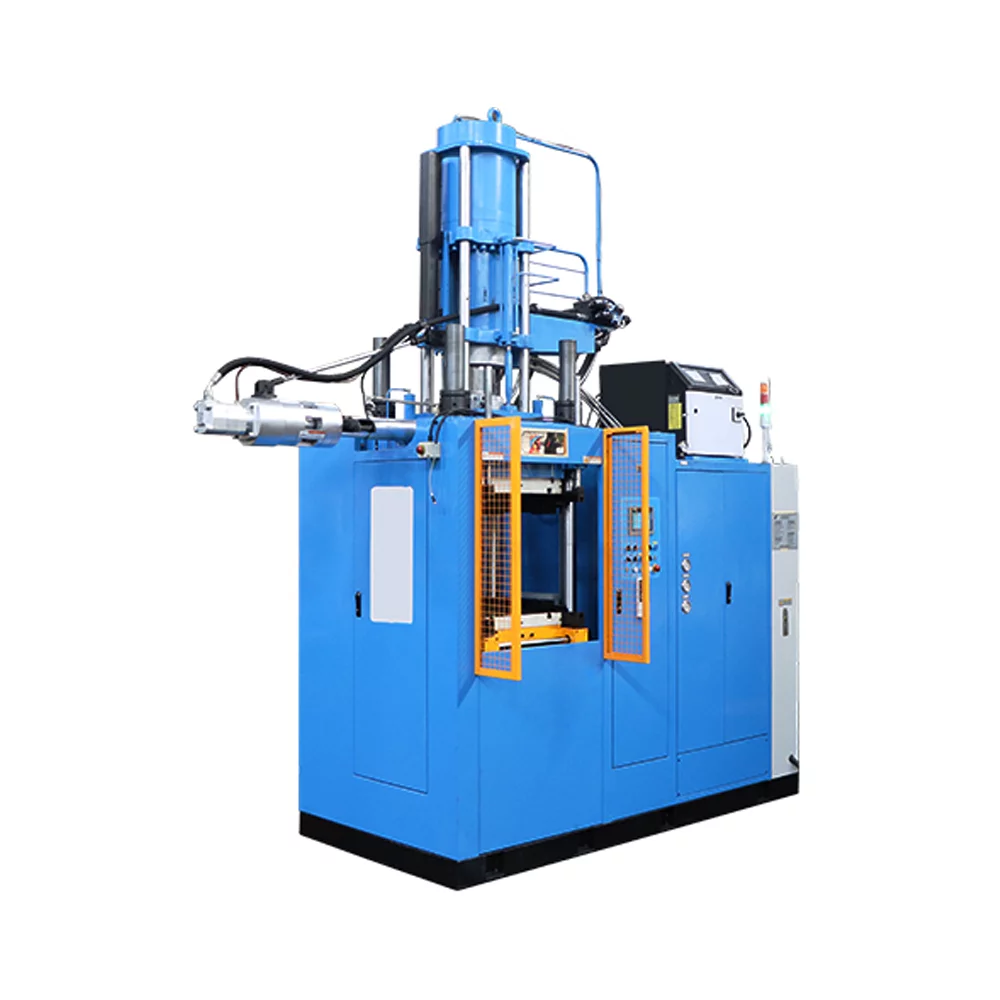
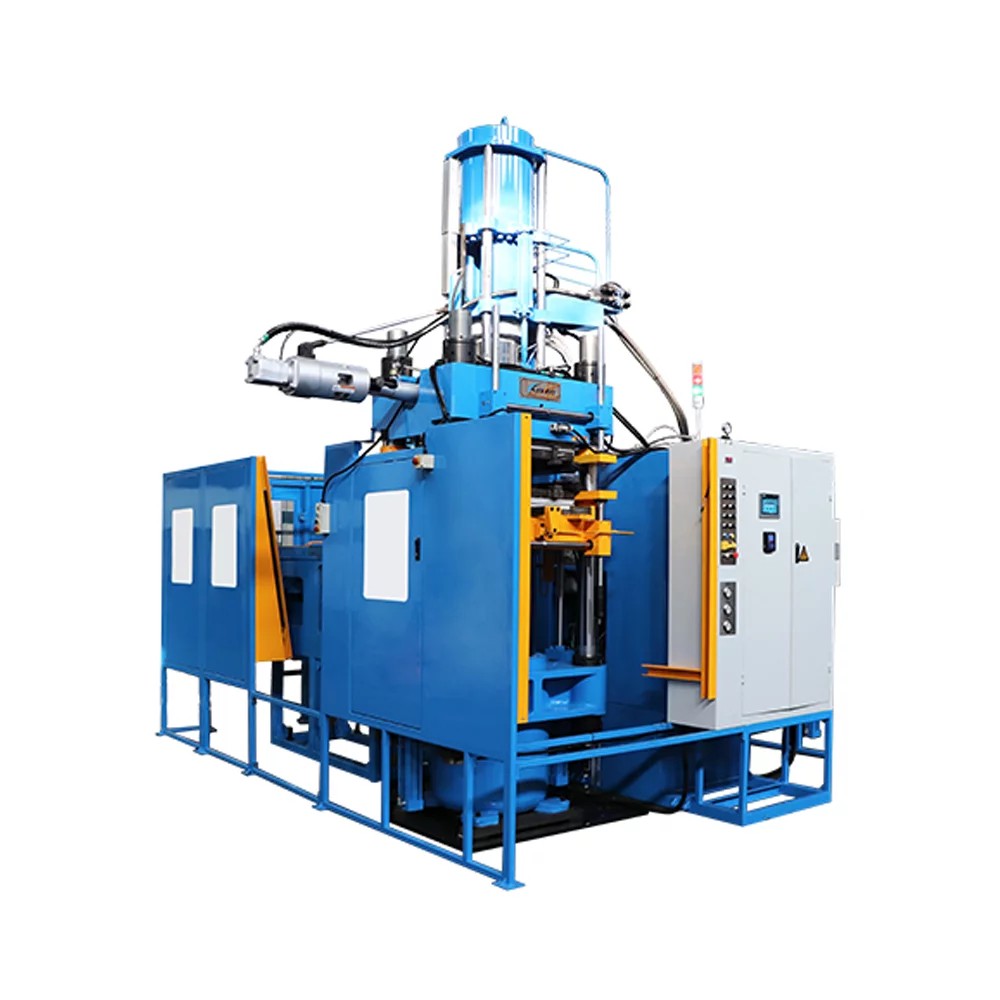
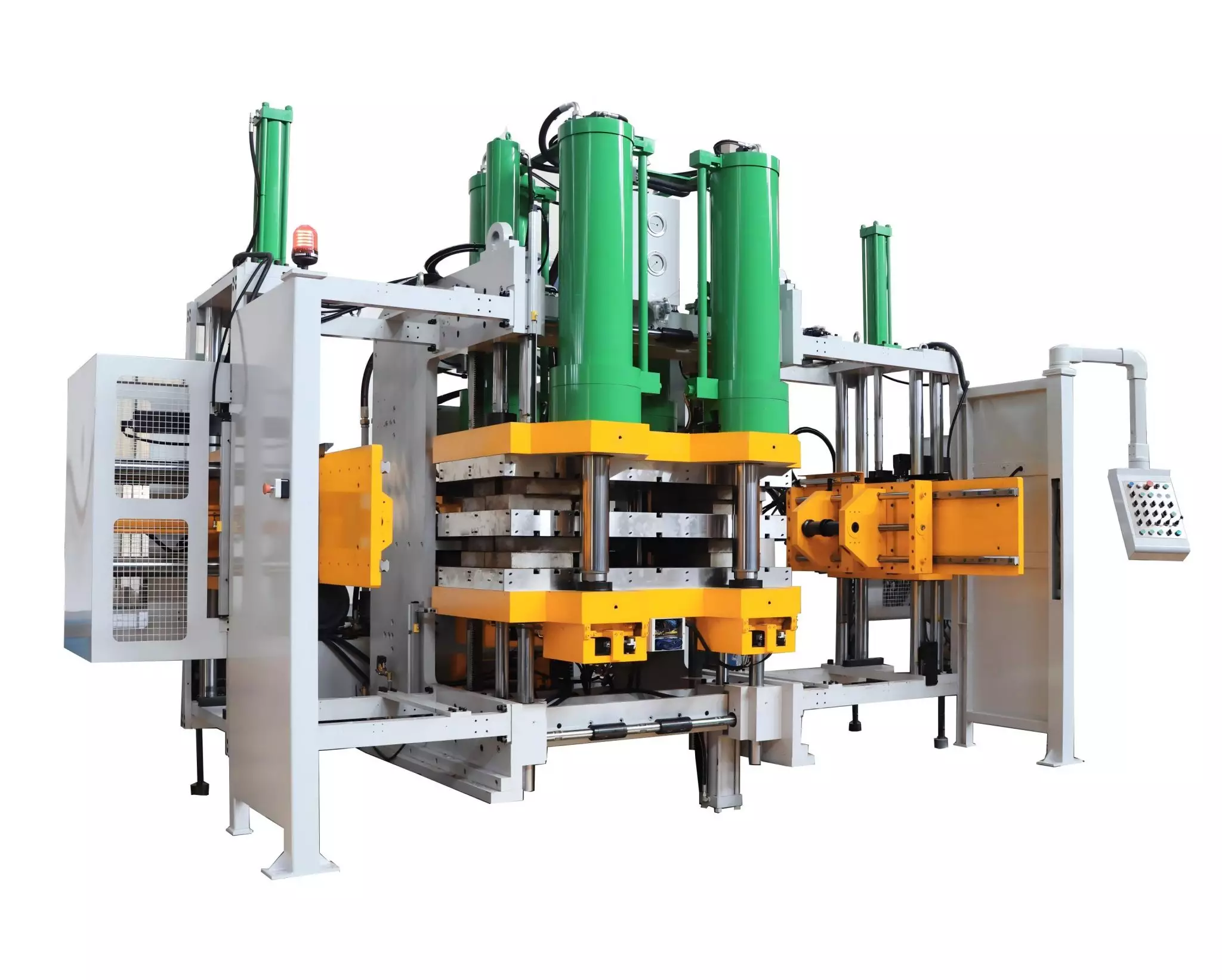
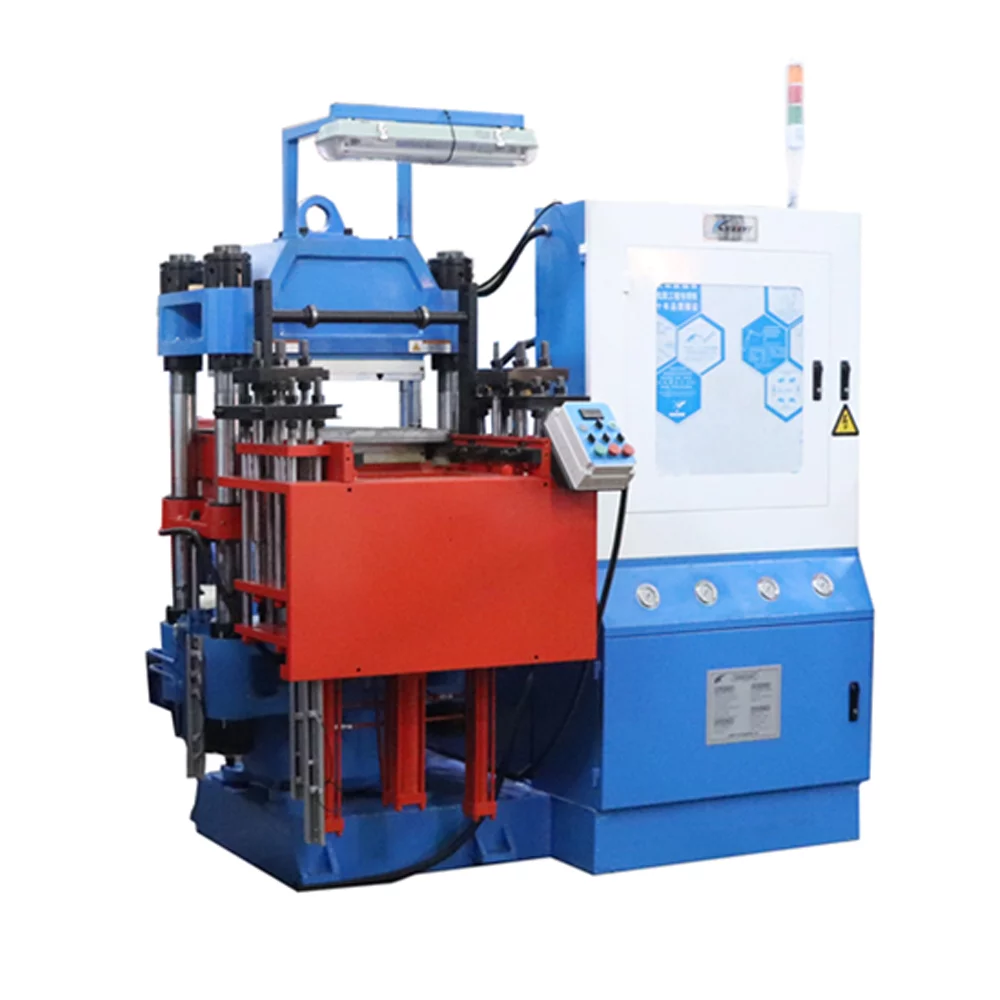
Achieving rapid, repeatable throughput while maintaining uncompromising part quality is a primary goal for modern industrial manufacturing facilities. On the factory floor, horizontal processing architectures offer unique material handling advantages that streamline high-volume production runs. Choosing a specialized horizontal rubber injection molding machine transforms how raw compounds are prepared, injected, and cleared from the tooling.
Unlike traditional vertical configurations, horizontal systems leverage natural gravity to optimize part extraction and reduce non-productive open-mold times. By minimizing manual stripping tasks, production plants can establish a continuous, uninterrupted manufacturing sequence. This technical shift minimizes cycle-to-cycle variation and significantly lowers the total operating cost per component.
Our engineering department at HWAYI studies these spatial and fluid dynamics to eliminate production floor bottlenecks. By pairing advanced horizontal hardware layouts with precise electronic process controls, we help facilities unlock substantial new capacity.
Leveraging Gravity for Automated Component Demolding Sequences
The core advantage of a horizontal equipment layout rests on the natural downward evacuation path it creates when the platens separate. Cured elastomeric parts and runner scrap detach from the mold face and drop automatically into collection bins beneath the frame.
This continuous gravity-assisted extraction removes the need for slow, operator-dependent manual prying or complex mechanical brush interventions. Shorter open-tool windows preserve the critical thermal energy inside the steel plates, preventing unnecessary energy loss.
Sourcing systems from a specialized China horizontal rubber injection molding machine workshop allows facilities to integrate these automated extraction lines cost-effectively. This foundational automation keeps the manufacturing micro-climate stable, ensuring highly uniform cross-linking across continuous runs.
Volumetric Control Networks and Minimizing Processing Defects
Achieving absolute dimensional accuracy across thousands of consecutive cycles requires high-fidelity tracking of the injection stroke. Inconsistent compound dosage creates variations in internal cavity pressures, resulting in short shots or excessive parting-line flash.
Advanced horizontal platforms integrate a precise injection control system that measures screw travel down to a tiny fraction of a millimeter. This granular tracking delivers a consistent material volume into the cavities, minimizing structural weight discrepancies.
Stabilizing these material flow dynamics results in a major drop in product defects during horizontal injection molding processes. We configure these responsive digital tracking networks to maintain zero-defect manufacturing standards over long periods.
Scaling Throughput and Overcoming Traditional Press Bottlenecks
Conventional compression presses and vertical molding systems require significant manual labor to prepare raw blanks and clear heavy molds. These manual dependencies introduce unpredictable delays that break the natural rhythm of a multi-shift production schedule.
Transitioning to automated operations and optimized injection cycles significantly increases output capacity compared with traditional rubber molding presses. These faster mechanical timelines allow manufacturing lines to scale up their daily volume targets without expanding their physical factory footprint.
We focus heavily on these cycle-compression metrics when analyzing equipment deployment strategies for our global partners. Accelerating the physical movement profiles of the main cylinders enables secondary processing times to drop to the absolute minimum.
Thermal Equilibrium and Multi-Zone Barrel Heat Management
Vulcanization requires a highly sensitive, balanced application of thermal energy to the raw rubber cures only after filling the cavity. If temperature profiles inside the horizontal plasticizing unit fluctuate, the compound risks scorching or curing too early inside the nozzle.
Multi-zone electrical heating bands independently control barrel temperatures to maintain suitable processing conditions for the compound. Closed-loop micro-controllers adjust power inputs instantly when they detect minor thermal shifts caused by room drafts.
Maintaining an uniform temperature profile prevents material blockage issues and supports smooth, uninterrupted material feeding. Our engineering group at HWAYI integrates advanced composite thermal shields to lower power consumption while keeping processing heat locked inside the barrel.
Proportional Hydraulics and Managing Clamping Deflection
Spreading hundreds of tons of holding force evenly across a massive tool face demands high structural rigidity along the horizontal axis. If the machine frame exhibits minor mechanical deflection under full injection load, material escapes into the parting lines.
Digital proportional valves regulate hydraulic oil flow precisely, allowing the heavy moving platens to travel fast before cushioning softly upon contact. This smooth deceleration shields expensive precision tools from harsh impacts and extends the operational life of core pins.
We construct our heavy machine beds using high-tensile steel weldments for perfect platen parallelism over millions of cycles. This structural design guarantees that clamping pressures remain uniform, preventing flash formation on intricate part geometries.
Predictive Maintenance Frameworks for Uninterrupted Facility Operations
Unexpected mechanical or electrical failures can instantly freeze a busy factory line, costing operations substantial amounts in lost capacity. Continuous tracking of operational variables like motor current draw, clamping drift, and valve response times flags subtle component wear early.
Modern diagnostic software alerts maintenance teams to execute brief checks during planned shift updates rather than during active production hours. This proactive upkeep extends the service life of high-pressure pumps and preserves original tool alignment over decades of use.
At HWAYI, we integrate digital diagnostic networks directly into our equipment architecture to give plant managers complete visibility into performance data. Transforming maintenance into a predictable variable allows production facilities to protect their equipment investments and secure steady output.
Conclusion
Deploying horizontal molding systems is an excellent path to maximizing production efficiency and achieving strict part uniformity. Combining gravity-assisted demolding, precise volumetric shot control, and robust clamping frames removes the main variables that cause manufacturing defects.
Moving to optimized automated cycles yields far higher throughput than conventional vertical presses can deliver. Prioritizing these advanced mechanical and thermal process controls results in minimal material waste, lower operating costs, and long-term resilience for industrial production lines.