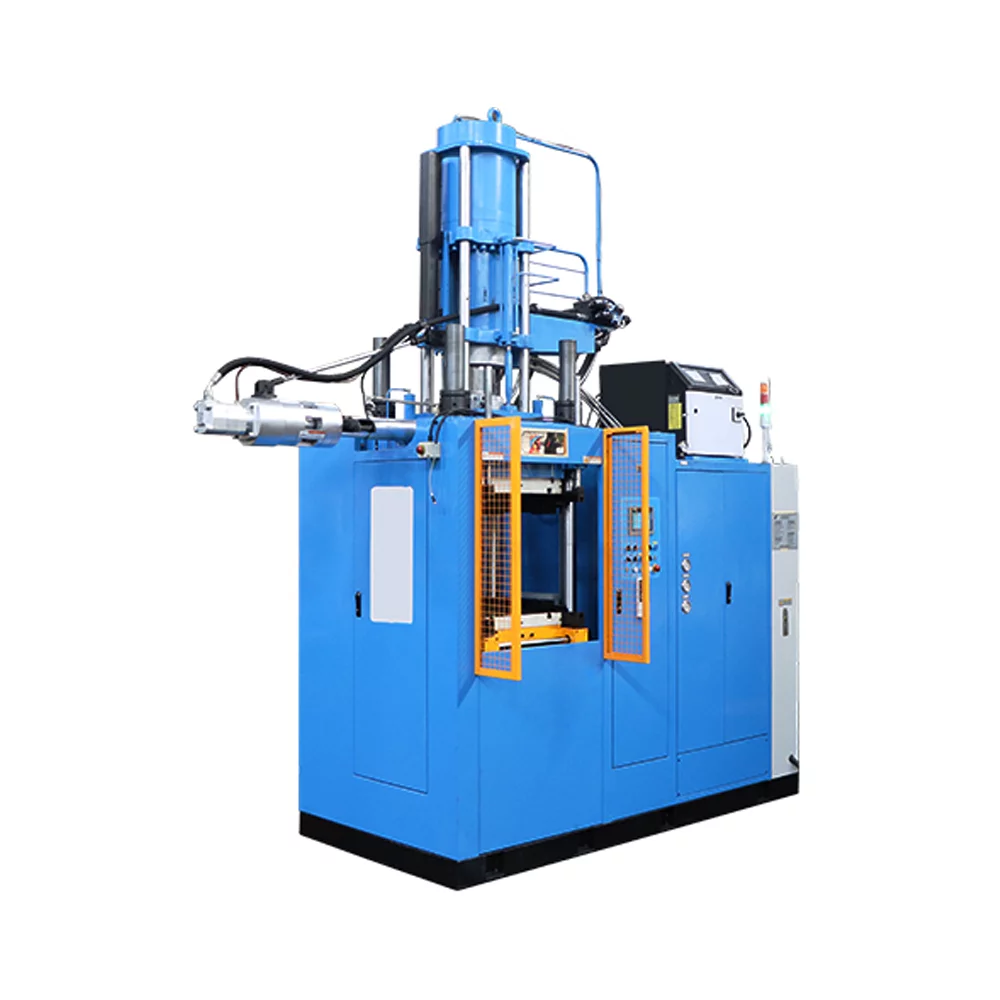
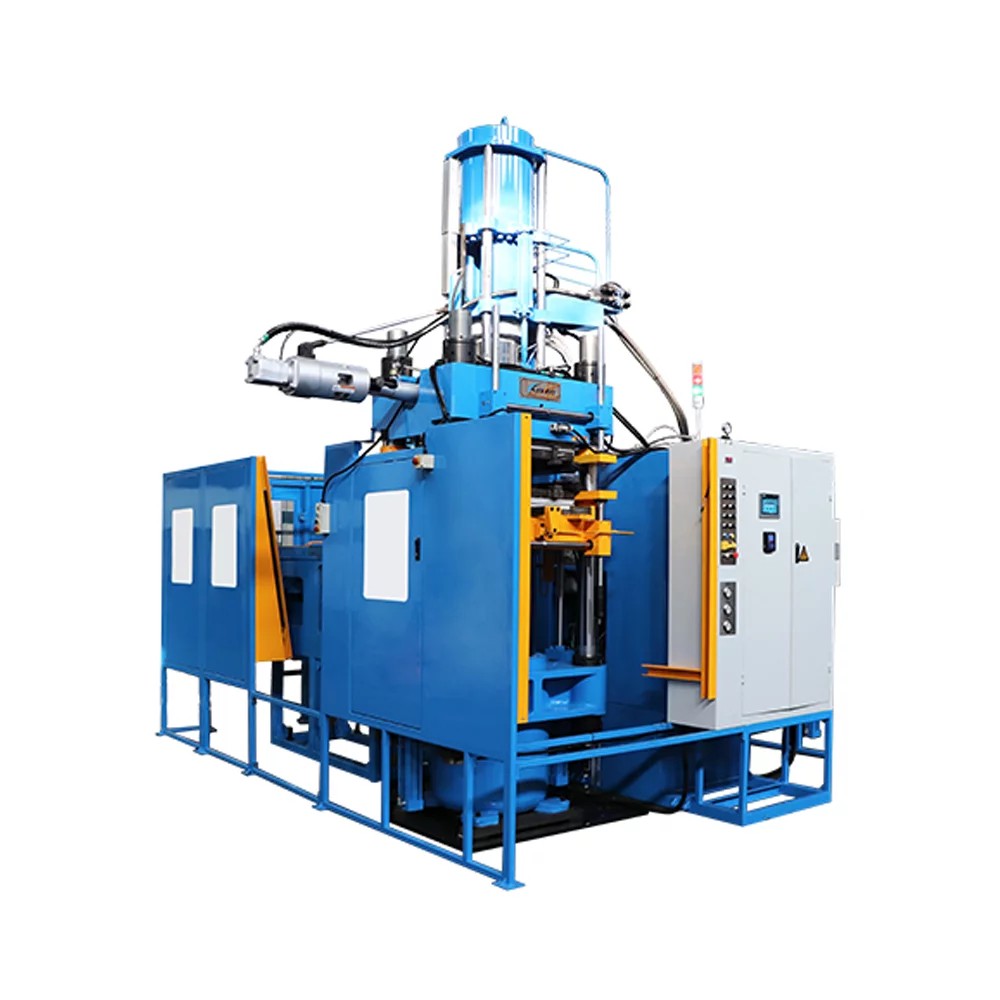
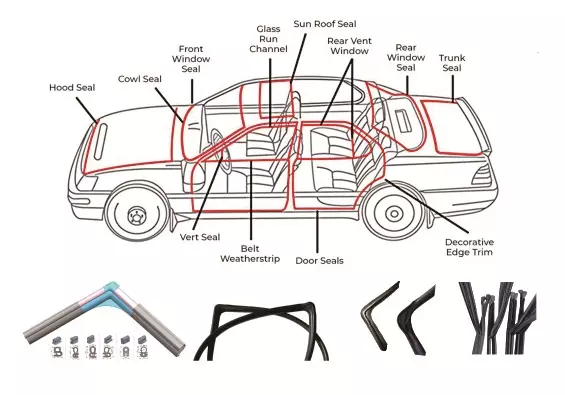
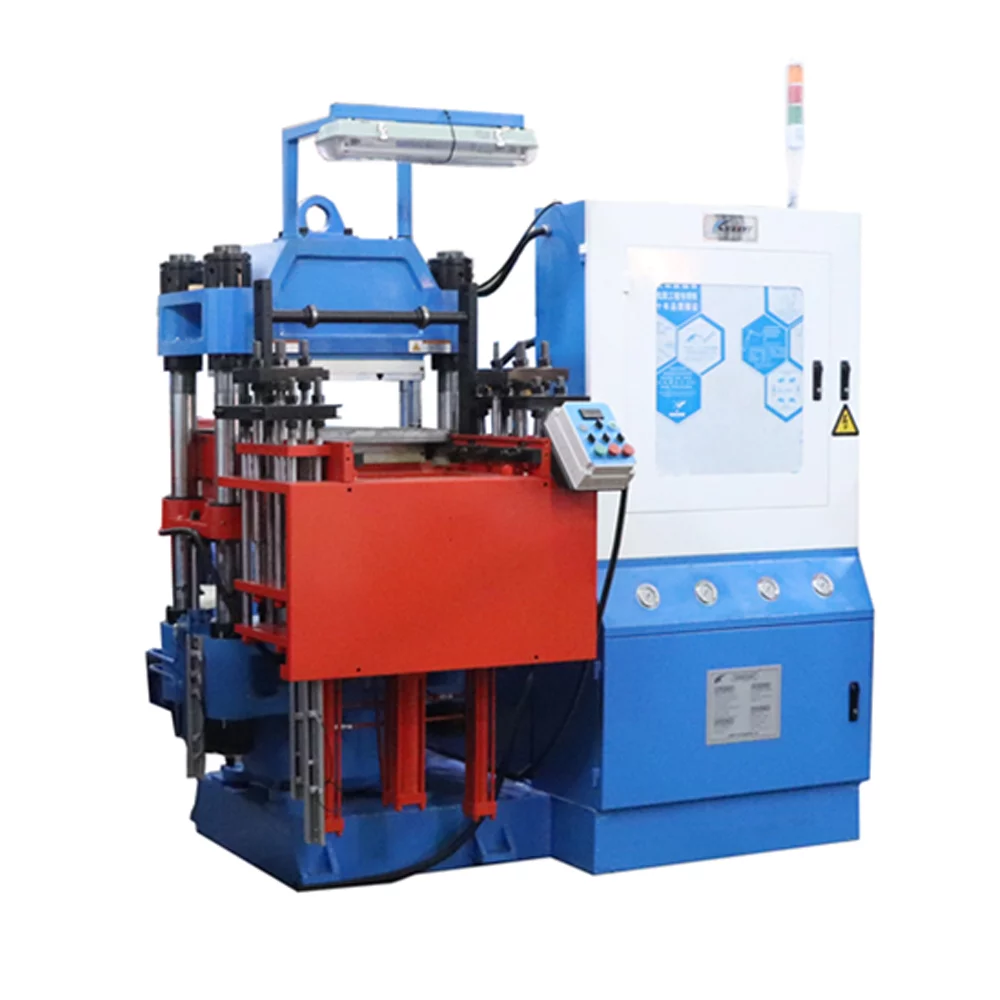
Stabilizing the physical properties of a raw elastomer compound during the plasticization phase is a fundamental requirement for high-volume part manufacturing. Thermal fluctuations inside the heating cylinder alter compound viscosity, directly triggering unpredictable flow patterns during the subsequent cavity-filling stroke. Utilizing a modern horizontal rubber injection molding machine provides a highly structured environment where these precise processing temperatures can be stringently managed.
When the temperature profile along the material path drifts even slightly, the onset of cross-linking may occur earlier than intended. This instability causes common manufacturing flaws like localized structural voiding, poor surface finish, or premature compound hardening inside the delivery channels. Analyzing the exact thermodynamics of the plasticization barrel allows processing engineers to lock in part uniformity and lower total factory scrap rates.
At HWAYI, we continue refining our process control technologies for demanding rubber applications. By pairing advanced multi-zone fluid heating loops with robust mechanical frameworks, we assist operations in achieving tight dimensional tolerances.
Viscosity Fluctuations and the Chemistry of Compound Scorch Prevention
Elastomeric compounds possess non-Newtonian flow behaviors that respond dynamically to both mechanical shear forces and applied thermal energy. As the injection screw shears the raw rubber, the friction generates localized heat that reduces the physical viscosity of the matrix.
If the barrel temperature is set too close to the compound’s activation threshold, this additional frictional heat can trigger premature cross-linking. This chemical error, known as material scorch, creates rigid particles that block precision gates and ruin part consistency.
Maintaining the cylinder heat well below the curing point keeps the material fluid and ready for high-speed filling profiles. Our development teams at HWAYI focus on optimizing these thermal zones to ensure that raw polymers transition smoothly into the mold cavity without experiencing early chemical breakdown.
Managing Volumetric Shot Accuracy Through Thermal Density Stabilization
The physical density of a plasticized rubber compound expands or contracts based on the specific thermal energy it holds inside the cylinder chamber. If the heat profile varies between cycles, the actual mass of material delivered in a single volumetric stroke changes as well.
These hidden density shifts cause variations in internal cavity packing pressures, resulting in either under-filled short shots or excessive parting-line flash. High-resolution digital linear transducers track the screw position continuously to highly precise material dosing.
Stabilizing this thermal state is a critical factor when utilizing horizontal injection molding frameworks for dense, precision-sensitive components. This process tracking ensures that every shot contains the exact mass required, guaranteeing zero-defect replication over thousands of consecutive cycles.
Specialized Architecture for Industrial Rubber Components
Manufacturing critical support items like heavy rollers, shock absorbers, rubber feet, and industrial sealing products introduces demanding thermal management challenges. These robust components require thick wall profiles and complex formulations that are highly sensitive to internal thermal gradients.
If a machine cannot maintain uniform heat through the center of the plasticized material block, the finished parts will develop uneven physical densities. Standard processing cells often struggle to balance the high volumes needed for these dense custom rubber parts without inducing scorch.
To address these thick-walled molding requirements, our customized machinery configurations utilize highly specialized internal fluid distribution networks. This dedicated HWAYI rubber machine setup maintains a more uniform temperature distribution across the compound matrix, supporting steady production runs for heavy industrial parts.
Multi-Zone Closed-Loop Heating and Cooling Circuit Dynamics
Achieving total thermal balance across a long horizontal barrel requires dividing the physical cylinder into independent, closely monitored heat zones. Each independent section utilizes high-output electrical band heaters paired with responsive water-cooling channels to manage thermal energy.
Digital micro-controllers continuously monitor these zones, adjusting heating or cooling output in response to temperature deviations. This constant active balancing mitigates the influence of ambient factory temperature changes.
Keeping these structural zones synchronized prevents heat from migrating forward toward the delicate nozzle interface where compound stagnation risks are highest. We implement these advanced dual-action thermal networks to help manufacturing plants compress cycle times safely.
Fluid Power Proportional Speed Control and Clamping Alignment
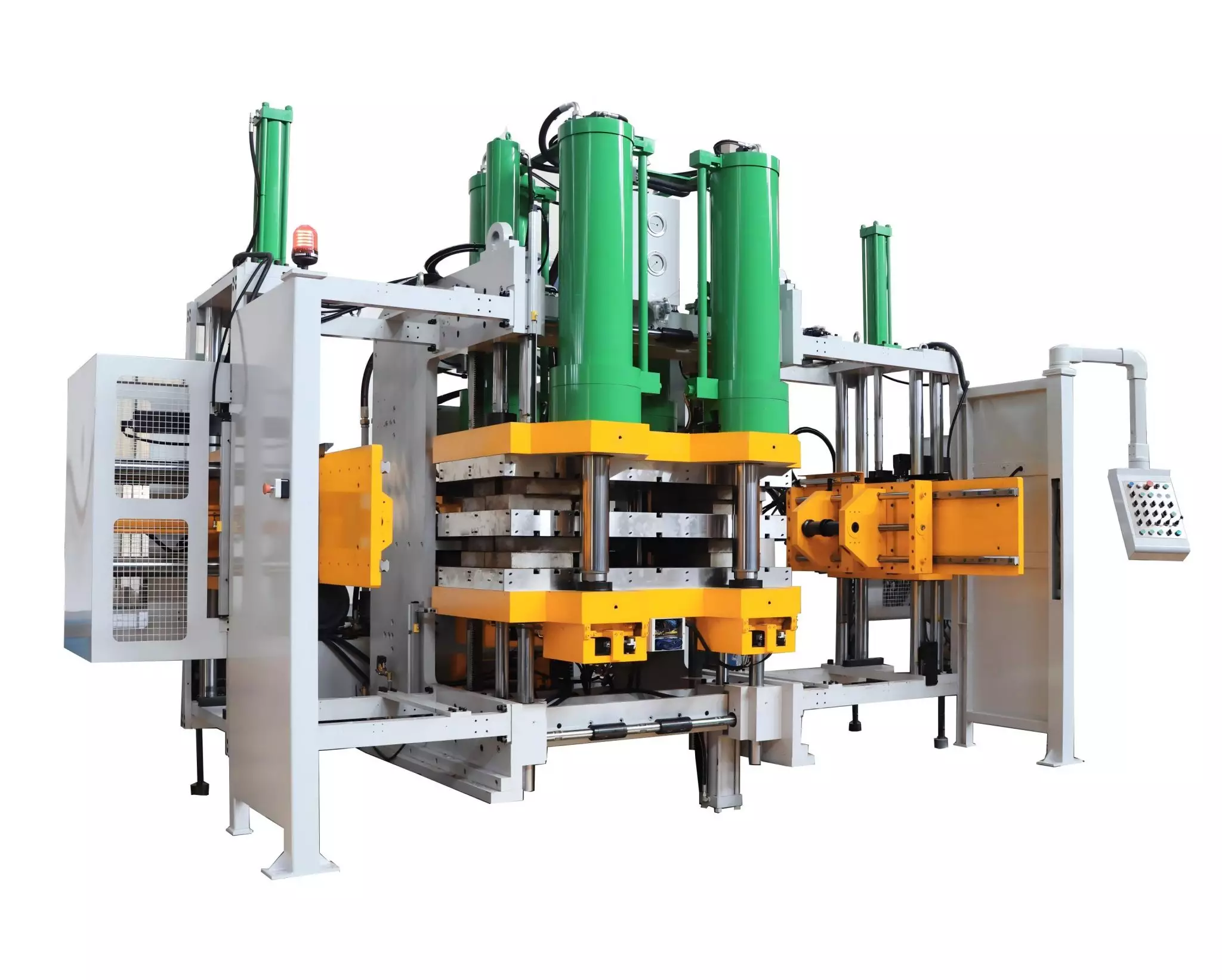
Distributing heavy clamping forces across a massive horizontal tool face requires an incredibly rigid, deflection-free chassis framework. If the press frame exhibits minor mechanical flexing during the high-pressure injection stroke, material seeps outward into the parting line.
Digital proportional hydraulic valves regulate the oil flow precisely, allowing the heavy moving platens to travel fast before cushioning softly right upon contact. This smooth mechanical deceleration protects sensitive mold parting lines from harsh impacts and extends tool service life.
We construct our machine beds using thick, high-tensile steel weldments to maintain precise platen parallelism over millions of continuous operations. This structural rigidity prevents flash formation on intricate part profiles, minimizing the need for expensive secondary manual trimming work.
Conclusion
Strict control over barrel temperature profiles is a non-negotiable requirement for achieving complete part consistency in horizontal elastomer processing. Minimizing viscosity variations and maintaining uniform compound density directly prevents material scorch, short shots, and dimensional defects.
Investing in advanced multi-zone thermal loops and specialized horizontal machinery allows facilities to protect their tooling assets while maximizing material yield. Sourcing equipment from a dedicated team that prioritizes these precise thermodynamic process controls can help improve production efficiency and process stability.