Securing a reliable supply of highly durable, precision-engineered elastomeric parts is essential for minimizing equipment failure rates in heavy industrial applications. Complex component blueprints demand deep technical expertise to ensure that raw material formulations survive harsh thermal and physical environmental stresses. Engaging in a comprehensive development partnership with specialized rubber molding manufacturers provides engineering teams with the technical tools needed to optimize component performance.
A collaborative approach to tooling design and processing verification removes common pitfalls such as early material wear or unexpected dimensional drifting. Industrial operations significantly improve their final component yields by tapping into specialized manufacturing infrastructures. This integrated process mapping helps businesses bridge the gap between initial prototyping and zero-defect, high-volume production runs.
Our development group at HWAYI works closely with technical procurement managers to transform complex component designs into highly repeatable manufacturing sequences. By combining raw material science with robust mechanical platforms, we ensure your components achieve maximum service longevity.
Mitigating Design Risks Through Advanced Tooling Feasibility Analysis
Initial engineering concepts frequently feature geometries that challenge traditional material flow behaviors inside a high-pressure mold cavity. If air venting paths or gate locations are placed poorly, the compound can experience severe localized shear stresses during the injection stroke.
Specialized manufacturing partners run detailed computational flow simulations to isolate these potential filling bottlenecks before steel tooling is cut. Adjusting parting lines and internal radii early prevents expensive mold modifications and avoids costly field failures down the line.
Collaborating with specialized rubber molding manufacturers early in the development lifecycle protects your tooling investments and secures stable component manufacturing. This proactive review cycle guarantees that final tool designs naturally support uniform compound density and clean parting lines.
Mastering Rheological Consistency and Material Formulation Science
Elastomer processing relies on the precise management of complex polymer matrices that exhibit non-Newtonian flow behaviors under variable heat and pressure. Subtle batch-to-batch variations in raw compound chemistry can alter Mooney viscosity profiles, leading to erratic curing times if unmanaged.
Experienced production teams calibrate their machinery parameters dynamically to counteract these subtle shifts in raw polymer characteristics. Balancing injection pressures with tight barrel heat control guarantees that the compound stays fluid until it fills the cavity.
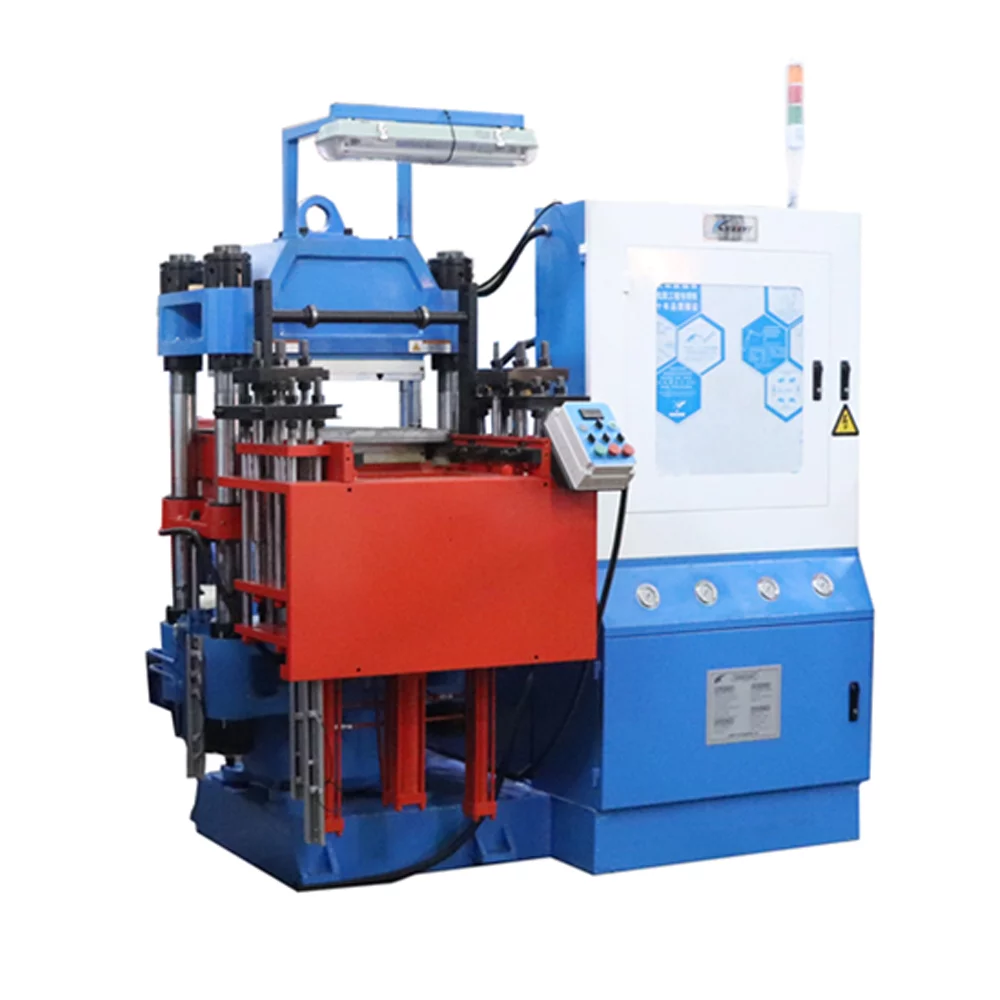
This deep technical control is mandatory when configuring high-speed networks for custom rubber injection molding applications across demanding industrial lines. This process optimization prevents premature scorch defects and keeps component cross-linking values highly consistent.
Engineering Heavy Duty Tire Bladder Curing Components
Manufacturing curing bladders for passenger cars, heavy trucks, and buses requires specialized industrial hardware capable of managing exceptionally large shot weights. These specialized components must withstand continuous high-temperature expansion and contraction cycles inside tire curing presses without tearing.
Achieving consistent wall thickness uniformity across these large cylindrical bodies demands high physical clamping stability and precision volumetric injection control. Standard machinery configurations often fall short when processing the dense, specialized butyl rubber compounds required for these parts.
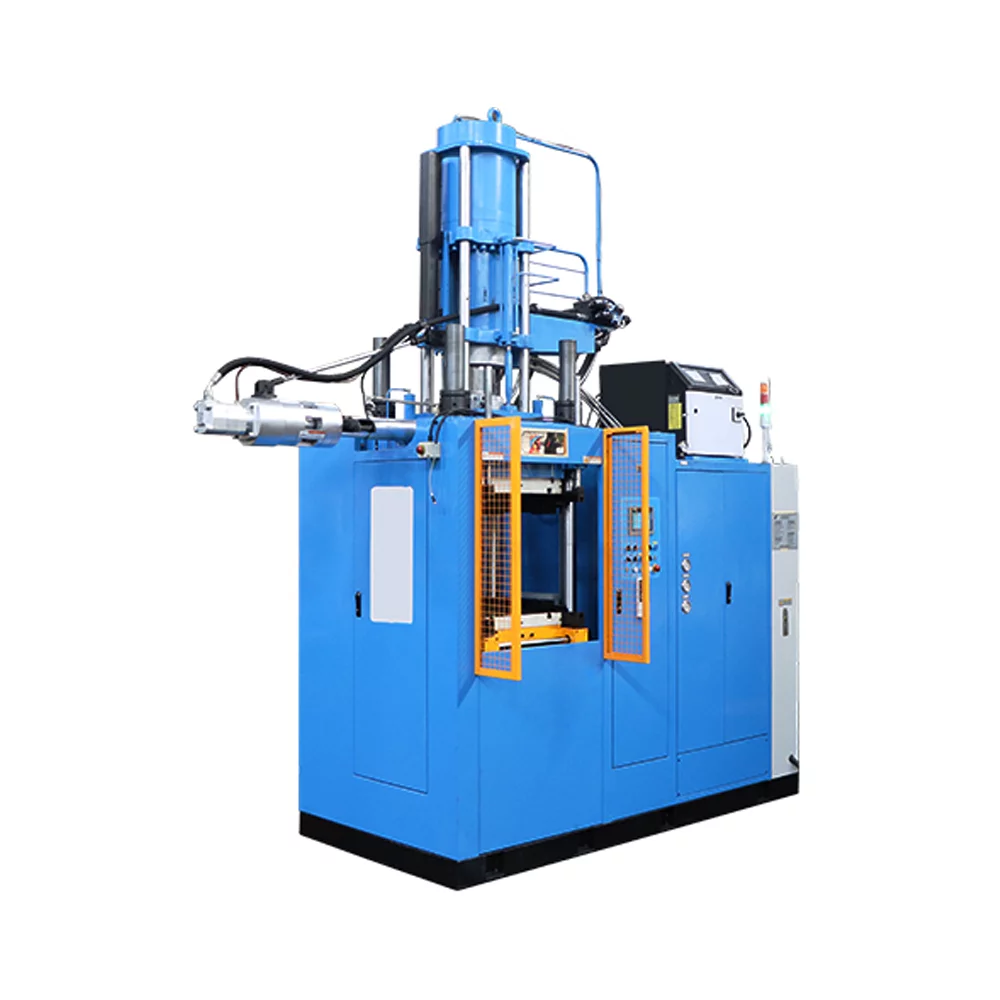
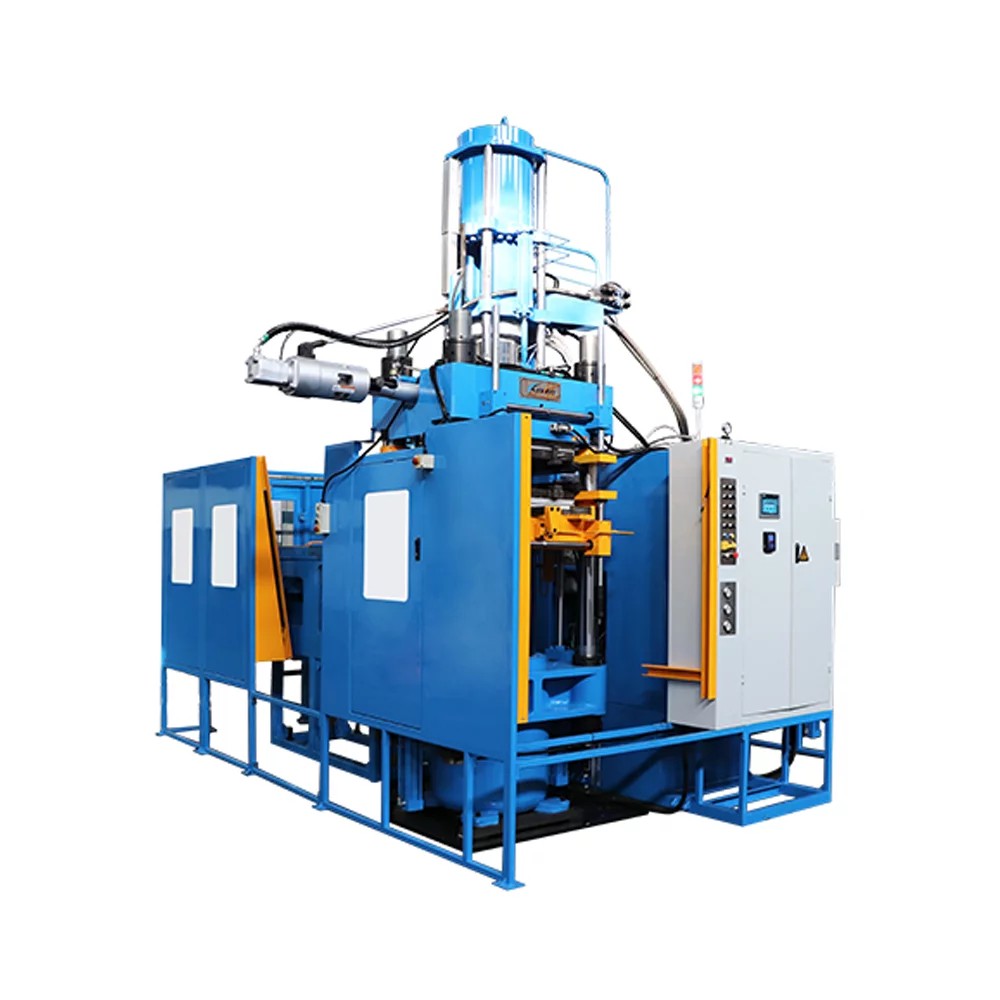
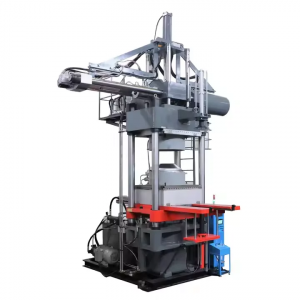
Our specialized tyre bladder injection machine technology is built specifically to meet these heavy-duty transport manufacturing demands. At HWAYI, we construct these heavy-duty vertical systems with robust mechanical frames to support steady, high-volume industrial tire component runs.
Maximizing Production Efficiency and Reducing Structural Scrap Rates
Uncontrolled material waste inside delivery channels represents a noticeable financial drain that inflates the total manufacturing cost per part. Cold runner paths keep the compound inside the primary distribution channels fluid, completely minimizing cured sprue scrap.
Minimizing this scrap volume reduces raw material consumption significantly while speeding up automated component extraction steps. Reducing manual downstream trimming work allows facilities to reallocate labor resources to final quality assurance steps.
Our technical engineers focus heavily on these material conservation pathways when customizing complex multi-cavity tool layouts. This architectural balancing act helps our global partners compress cycle times and lower their total operating overhead.
Thermal Stabilization Loops and Multi Zone Heat Regulation
Vulcanization is a highly sensitive chemical reaction that demands uniform heat transfer throughout the entire component matrix. Uncontrolled temperature drops across a mold platen create under-cured zones, ruining the physical durability of the part.
Modern processing cells use independent, multi-zone electrical heating networks managed by digital micro-controllers to maintain structural thermal equilibrium. These closed-loop controllers adjust heating outputs instantly when they sense minor environmental temperature shifts on the floor.
We integrate advanced composite insulation shields around our main heating platens at HWAYI to prevent radiant energy loss. Locking the thermal energy within the tool face shortens curing cycles and protects neighboring hydraulic lines from thermal strain.
Predictive Maintenance Frameworks and Guarding Asset Longevity
Unexpected mechanical or hydraulic downtime can stall a busy factory floor, resulting in severe losses in overall capacity. Continuous tracking of operational variables like motor current draw, clamping drift, and valve response times flags subtle wear early.
Modern diagnostic software allows maintenance crews to schedule brief checks during regular shift updates rather than during active production hours. This proactive approach extends the service life of high-pressure pumps and preserves original tool alignment over decades of use.
We build these digital sensor arrays directly into our heavy machinery frameworks to give plant managers deep visibility into real-time metrics. This diagnostic transparency transforms maintenance from a surprise operational expense into a highly manageable, predictable variable.
Conclusion
Establishing a technical partnership with experienced manufacturing teams is a reliable path to optimizing elastomeric component quality and lowering costs. Overcoming rheological variations, optimizing massive material shots for transport sectors, and utilizing runnerless cold delivery systems removes processing variables.
Investing in rigid machinery platforms backed by multi-zone temperature control loops protects tooling assets while helping maintain stable cycle repeatability. Prioritizing these data-driven process controls yields sustainable manufacturing margins, minimal material scrap, and exceptional component performance under demanding industrial conditions.