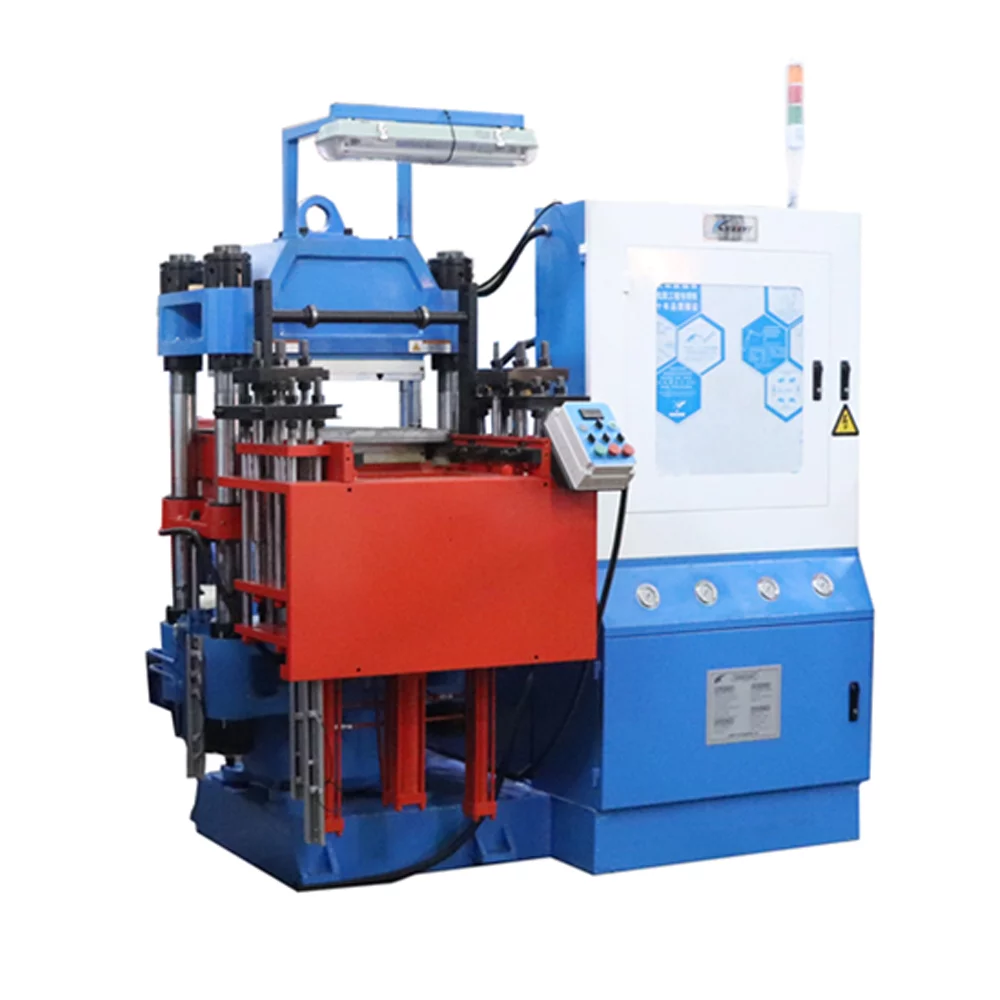
Achieving highly repeatable results in advanced polymer processing requires a deep analytical look at how a machinery setup handles temperature and fluid dynamics. For precision operations, selecting a silicone rubber molding machine involves far more than comparing baseline clamping tonnages or footprint dimensions. A key evaluation factor is the equipment’s ability to maintain rigid process stability over millions of consecutive cycles.
Fluctuations in thermal delivery or minor pressure drops inside hydraulic lines directly alter the molecular behavior of two-component liquid matrices. These inconsistencies manifest as structural flaws, air entrapment, or expensive material waste on the production floor. By establishing strict engineering benchmarks for equipment evaluation, technical procurement teams can secure predictable long-term yield.
Our development engineers at HWAYI focus entirely on identifying these subtle process variables to build high-fidelity processing controls. By analyzing the intersection of thermal management, fluid kinetics, and energy consumption, we help production plants stabilize their manufacturing margins.
Evaluating Volumetric Shot Repeatability and Pressure Curve Control
One of the foundational tests of any high-performance injection system is its ability to deliver consistent material mass into the mold cavities cycle after cycle. Because liquid silicone rubber exhibits exceptionally low viscosity under shear strain, the slightest pressure spike can easily over-pack a tool.
Advanced system evaluation requires analyzing the real-time injection pressure curves using high-frequency digital sensors. The machine must hold a flat, steady pressure profile during the critical transition from high-velocity cavity filling to the packing phase.
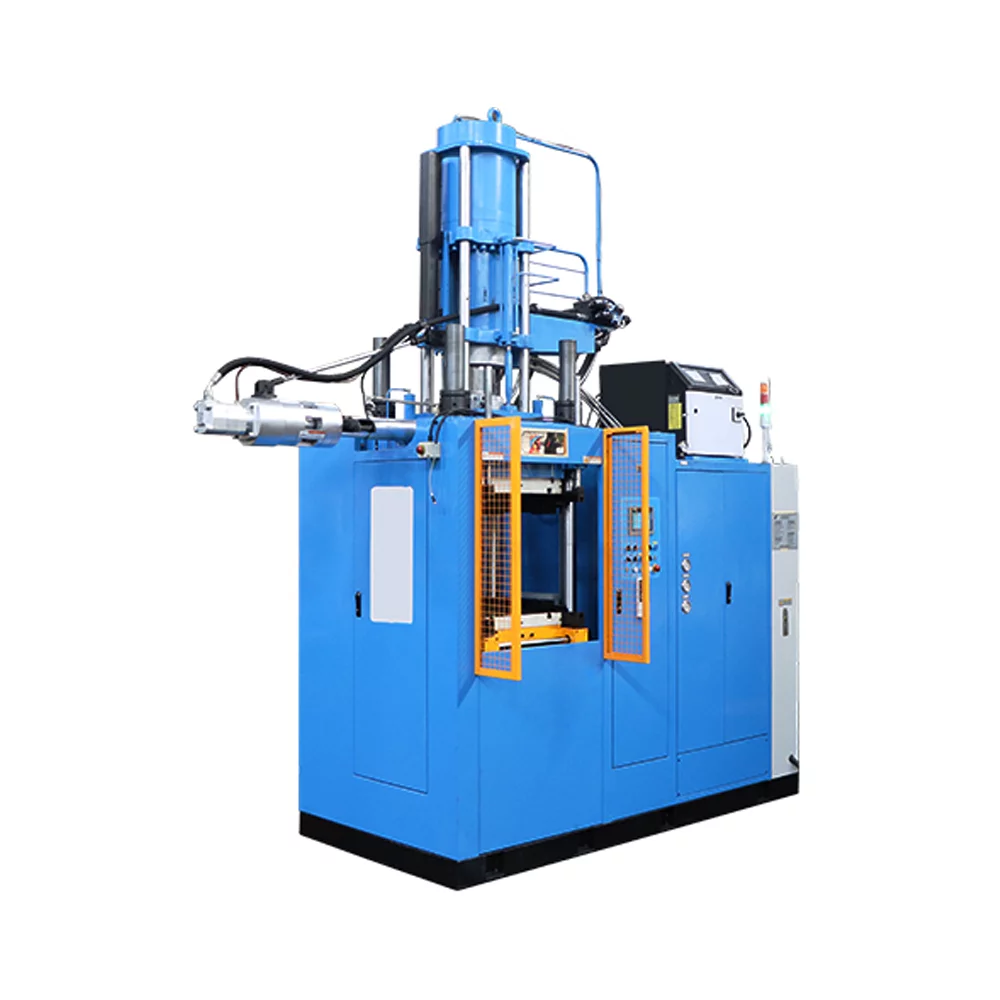
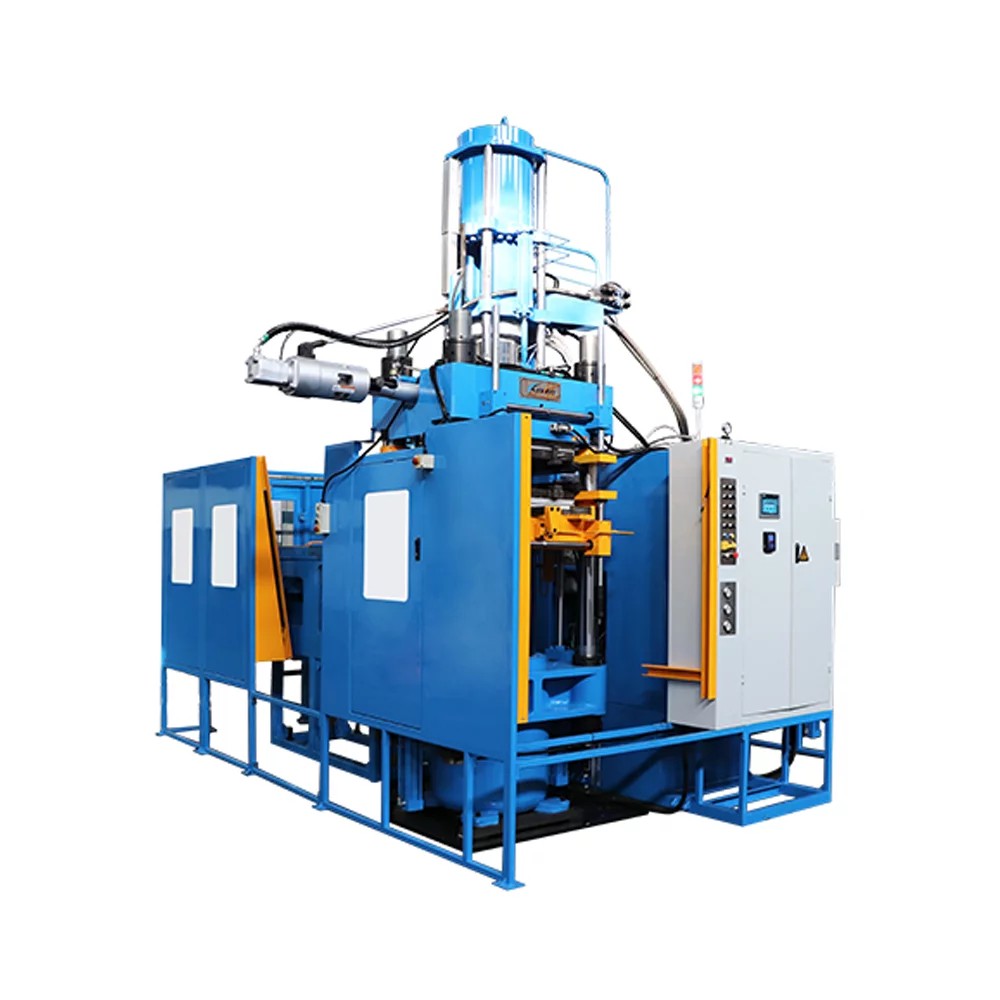
Sourcing a robust LSR molding machine framework allows operations to maintain this strict control over fluid dynamics. This exact pressure regulation limits physical stress on fragile tool parting lines, helping reduce flash and maintain consistent part geometry.
Thermal Uniformity Benchmarks Across Multi-Zone Platen Networks
Liquid silicone requires a sudden, intense input of thermal energy within the mold cavity to kick-start the chemical cross-linking reaction. If the heating platens exhibit temperature drops, the compound will cure at different rates across the mold face.
This imbalance results in localized under-cured zones or dimensional variance, rendering the finished components completely unusable. Benchmarking process stability requires verifying that multi-zone platen controllers can hold temperatures within a narrow temperature tolerance.
Our engineering team utilizes independent, closed-loop micro-controllers to actively monitor and correct these localized thermal zones. This defensive loop shields the tool from ambient factory drafts, maintaining a balanced internal micro-climate.
Verifying Material Consistency and Minimizing Part Flash
Minimizing downstream secondary processing costs requires an injection platform that naturally prevents compound leakage across tool parting lines. Achieving excellent product consistency depends heavily on pairing high clamping stability with optimized injection cycles.
When these mechanical parameters are precisely synchronized, accurate temperature and injection control ensure uniform product quality with minimal flash and material waste. This technical balance minimizes the need for manual trimming work, directly lowering the overall manufacturing cost per unit.
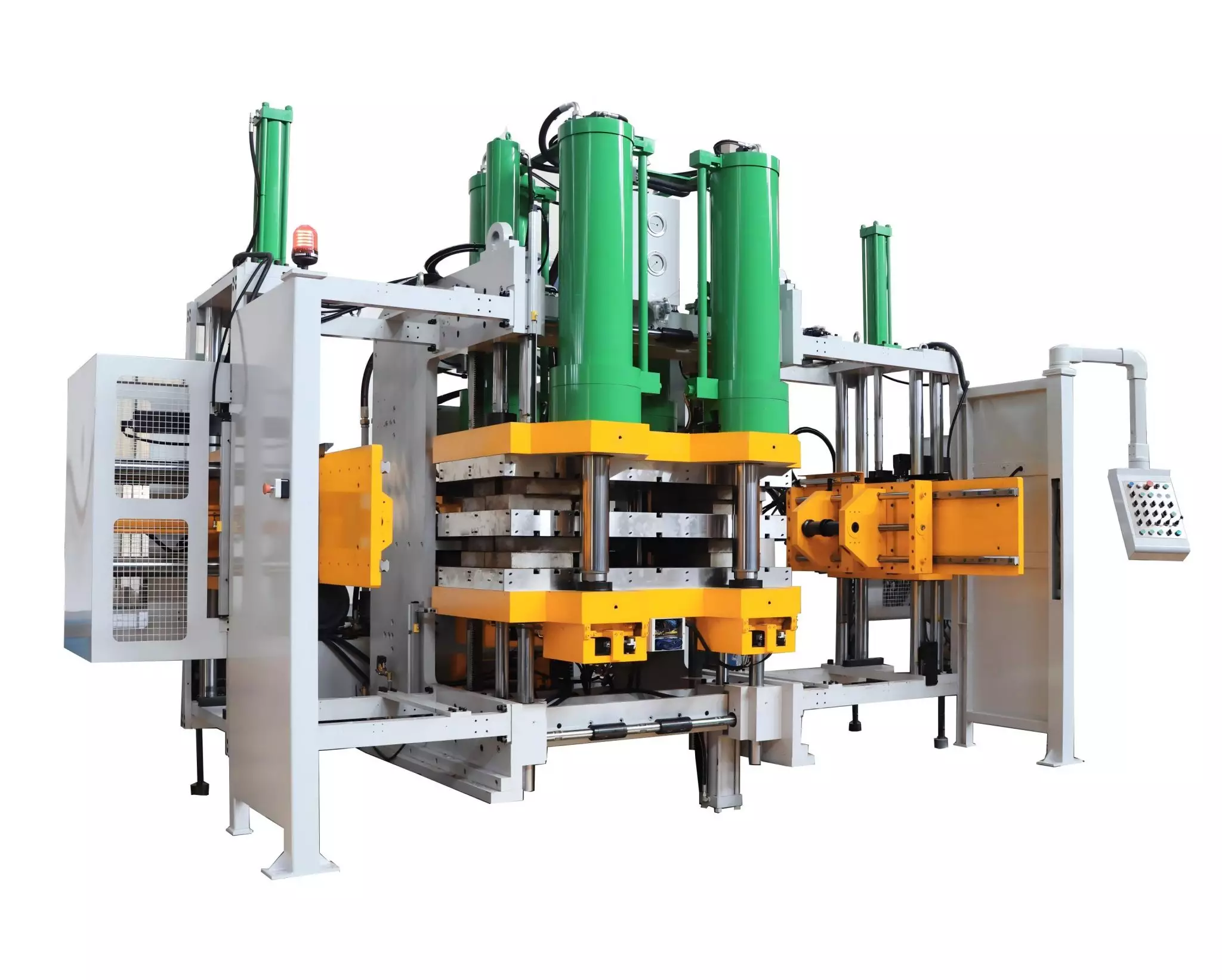
We prioritize this strict mechanical synergy when building structural clamping frames for our global manufacturing partners. Keeping the mold halves parallel under extreme holding forces guarantees clean, scrap-free part separation cycle after cycle.
Analyzing Energy Consumption Efficiency and Servo Technology
Industrial manufacturing plants must look closely at long-term utility overhead when scaling up automated silicone production lines. Conventional fixed-displacement hydraulic pumps draw continuous electrical current even when the machine is waiting out a long cure timer.
Modern energy benchmarks favor systems that utilize highly responsive, variable-speed motor networks to drive hydraulic oil flow. This technology matches motor output directly to real-time process demands, dropping power draw to near zero during holding phases.
Integrating an energy-saving servo system helps reduce power consumption while maintaining stable operation of the silicone injection machine. We implement this advanced servo hydraulic technology to help facilities cut down their carbon footprints and lower monthly operational costs.
Assessing Closed-Loop Dosing and Static Mixing Reliability
The precision of a liquid silicone process is fundamentally tied to the accurate tracking of the one-to-one weight ratio between components A and B. Any deviation in this chemical blending ratio alters the material’s curing properties and degrades final part performance.
Benchmarking a system requires evaluating how effectively the automated delivery pumps communicate with the primary machine controller. The flow controls must adjust fluid delivery instantly to counteract pressure variations inside the raw material drums.
We engineer our automated dosing interfaces to maintain an uninterrupted, pressurized flow of material directly into a closed static mixing chamber. This complete containment prevents atmospheric air contamination, ensuring the mixed compound arrives at the nozzle in a stable chemical state.
Digital Diagnostic Architecture and Predictive Maintenance Validation
The final pillar of process stability rests on the machine’s ability to monitor its own mechanical health and log operational trends. Smart sensor networks must track changes in valve response speeds, hydraulic oil temperatures, and platen drift continuously.
Analyzing these digital data streams allows factory managers to execute brief maintenance interventions during natural shift breaks rather than during active production hours. This predictive oversight protects expensive custom tools from sudden mechanical collisions or alignment failures.
At HWAYI, we embed these open communication diagnostic frameworks into our control software to support data-driven manufacturing. Giving production teams clear visibility into real-time metrics ensures that heavy industrial hardware operates reliably over its entire lifespan.
Conclusion
Benchmarking process stability in liquid silicone injection platforms requires an integrated assessment of thermal control, injection precision, and energy metrics. Verifying that a system can maintain uniform platen heat and stable pressure profiles ensures consistent part quality and minimal compound waste.
Deploying advanced servo-driven hydraulics addresses the critical need for power reduction while keeping mechanical movements highly repeatable. Prioritizing these data-driven engineering standards protects expensive tooling investments, minimizes factory downtime, and guarantees exceptional component reliability under the most demanding industrial conditions.