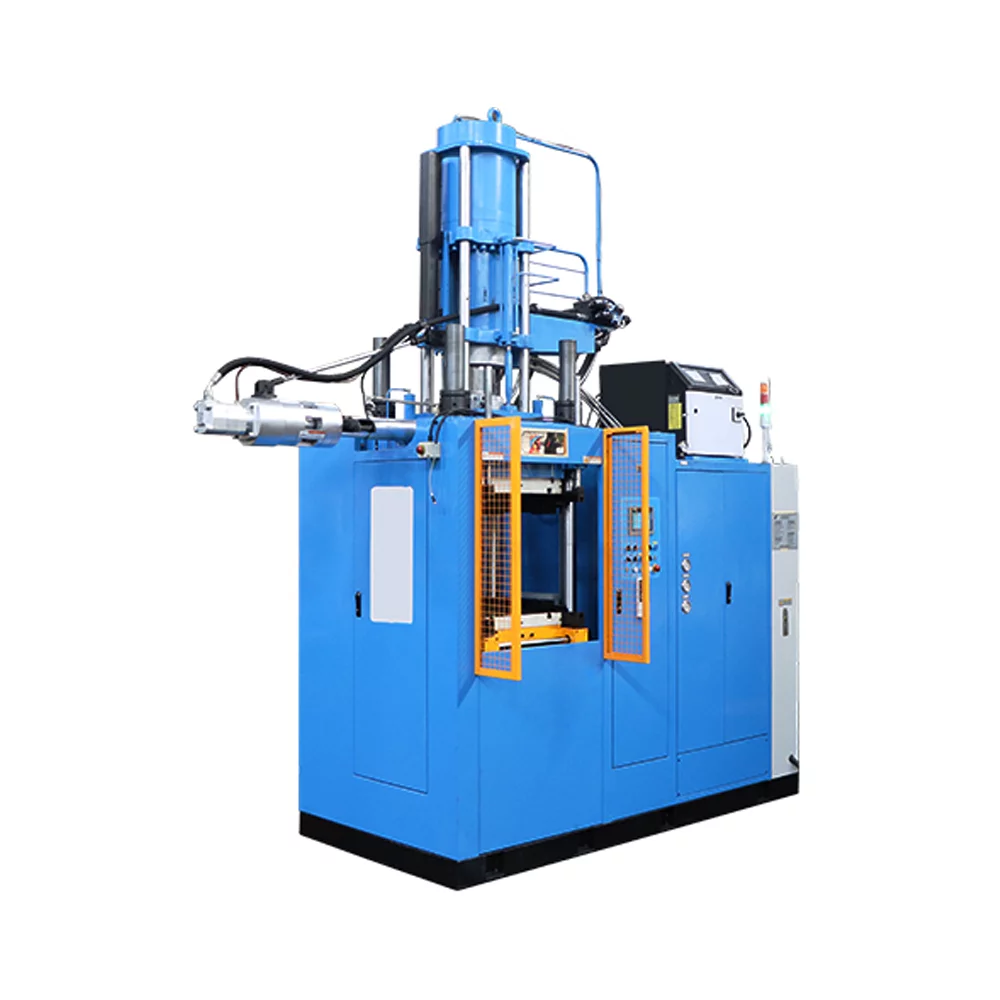
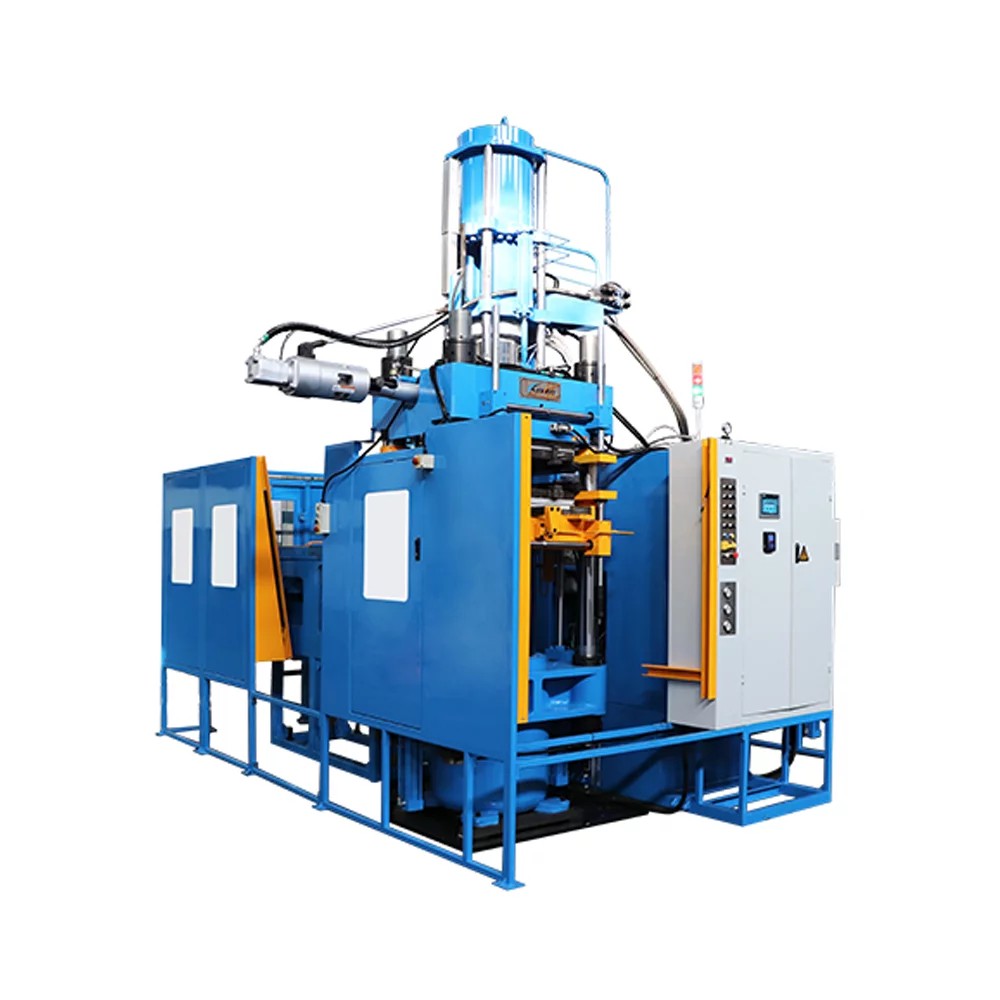
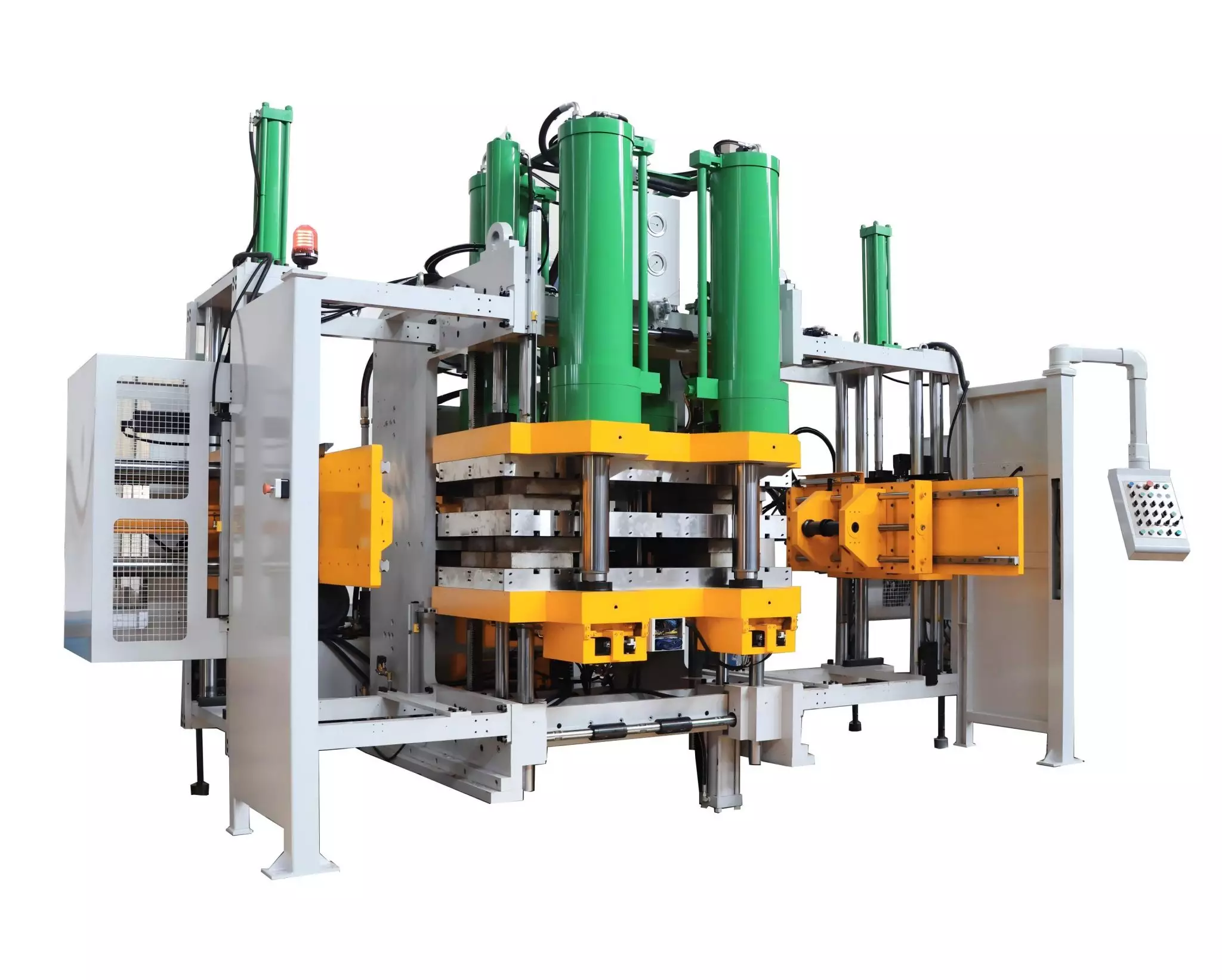
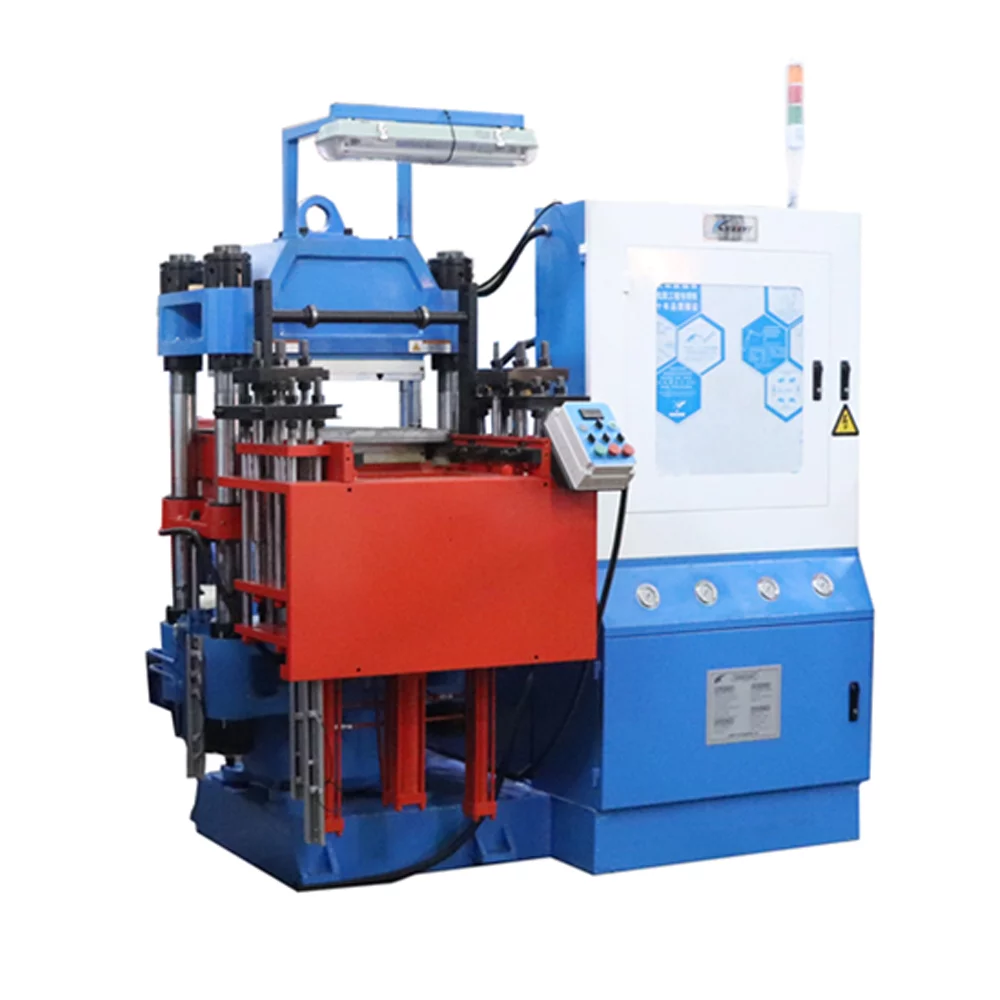
Selecting the correct chemical formulation is a fundamental step in achieving high component performance during high-temperature vulcanization. Liquid silicone rubber exhibits highly unique rheological characteristics that separate it completely from conventional solid elastomers. Processing these fluid materials efficiently requires an advanced LSR injection moulding machine capable of maintaining strict control over low-viscosity flow profiles.
When a facility matches the right material grade with corresponding machine parameters, the likelihood of process drifting drops significantly. Different industrial applications require specific material properties, such as oil resistance, extreme thermal insulation, or high optical clarity. Understanding how these chemical additives behave under heat and pressure allows engineering teams to optimize final part quality.
At HWAYI, our process development specialists analyze these diverse material characteristics to build robust, highly adaptable machinery platforms. By integrating precise dosing control with stable thermal delivery, we support manufacturing facilities in handling complex chemical formulations without experiencing processing errors.
Mechanical Properties of General Purpose Industrial Liquid Silicones
General-purpose liquid silicone rubber formulations serve as the commonly used for a vast array of everyday mechanical components. These two-part platinum-cure systems exhibit excellent tensile strength, high tear resistance, and exceptional flexibility over broad temperature bands.
Because these materials flow effortlessly under minimal pressure, maintaining tight volumetric control during the filling stroke is vital for preventing flash. Achieving a stable processing micro-climate ensures that the compound fills intricate tool layouts cleanly and uniformly.
Sourcing a robust LSR molding machine framework allows operations to process these standard grades with extreme repeatability. This precise fluid control prevents material waste and keeps parting-line flashing to an absolute minimum over prolonged production runs.
Thermal Stability and Fluid Resistance in Transportation Systems
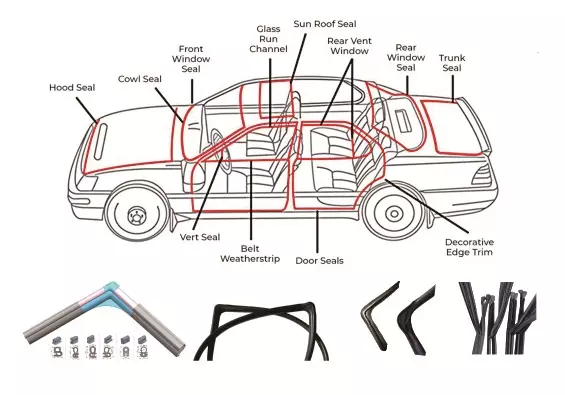
The automotive sector demands high-performance elastomeric parts that can withstand continuous exposure to aggressive fluids, hot oils, and intense engine temperatures. Specialized fluorosilicone liquid rubber grades are engineered specifically to provide this necessary chemical resistance under extreme conditions.
Standard silicones degrade or swell when contact with fuel occurs, but fluorinated polymer backbones maintain their physical shape. Processing these dense, premium compounds requires excellent thermal uniformity across the mold face to guarantee complete cross-linking.
Utilizing specialized machinery allows manufacturing plants to produce high-durability automotive silicone components efficiently. This capability supports steady production for complex automotive seals, heavy gaskets, reliable connectors, and vibration-resistant silicone parts.
Dielectric Insulation Properties for Electrical Sub-Systems
Utility networks and electrical equipment rely heavily on silicone polymers due to their exceptional dielectric strength and natural resistance to outdoor weathering. High-voltage insulation grades are formulated with specialized trihydrate fillers to resist electrical tracking and prevent surface erosion.
These heavily filled liquid compounds possess higher viscosity profiles than standard grades, demanding more advanced mechanical mixing control. The material must move smoothly through the static mixer without experiencing localized temperature increases that may affect material stability.
Our engineering department at HWAYI configures robust delivery networks to handle these demanding electronic & electrical parts requirements seamlessly. This custom fluid control ensures uniform compound distribution for technical keypads, insulators, waterproof parts, and electronic accessories.
Micro-Climates and Multi-Zone Platen Temperature Management
Unlike thermoplastics that freeze inside a cold tool, liquid silicone requires intense, uniform thermal energy to initiate its vulcanization chemistry. If the heating platens exhibit minor temperature drops, the chemical reaction slows down unevenly across the mold cavities.
This thermal imbalance leads directly to structural voids or under-cured zones, rendering the finished components unusable. Automated thermal stabilization loops divide the platen face into independent zones, with each section managed by digital micro-controllers.
We install advanced composite insulation shields around our main heating elements to block radiant energy loss. Keeping the thermal energy locked within the active tool face shortens curing cycles and protects neighboring hydraulic lines from thermal strain.
Integrated Vacuum Venting and Minimizing Pocketed Air Risks
Because liquid silicone flows rapidly into intricate tooling geometries, it can easily trap atmospheric gases ahead of the advancing flow front. Trapped air inside a cavity causes surface pitting, structural voids, and severe burning defects due to high compression.
Automated vacuum sequences evacuate the sealed mold chamber completely a few seconds before the primary injection valve opens. This automated gas extraction allows the compound to merge seamlessly, ensuring complete part uniformity and excellent mechanical strength.
Minimizing the need for manual bumping or venting steps speeds up production capacity while dropping component rejection rates on the floor. Our technical team integrates these vacuum control loops directly into the primary software system for automated cycle execution.
Conclusion
Selecting the appropriate material formulation is a critical requirement for achieving high product quality and process consistency in liquid silicone manufacturing. From general-purpose grades to specialized fluorosilicones and high-dielectric materials, each compound requires precise mechanical and thermal management.
Investing in advanced machinery features, such as precision closed-loop dosing and automated vacuum venting, allows facilities to eliminate common defects like flash and air entrapment. Partnering with a dedicated engineering team ensures your equipment setup remains optimized for the unique rheological demands of modern elastomeric chemistry.