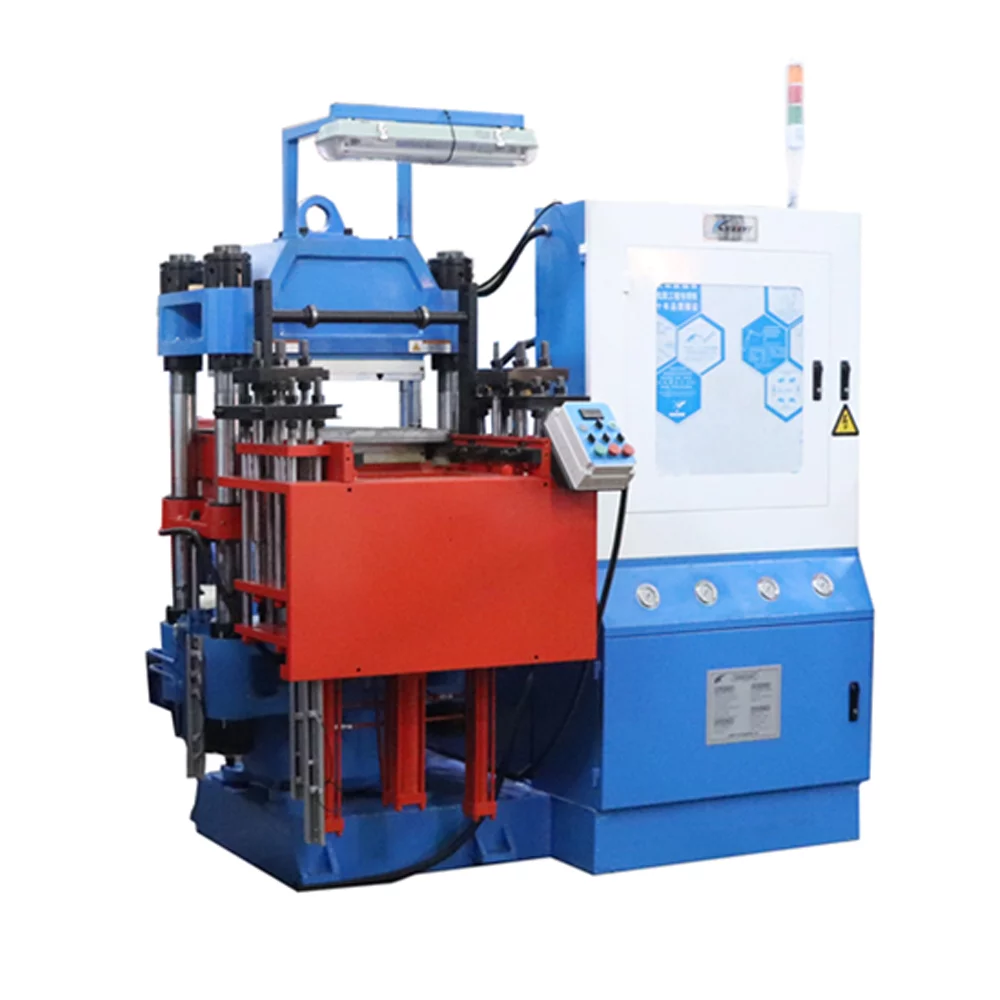
Manufacturing complex elastomeric products requires exceptional process stability due to the unique rheological behavior of two-component liquid chemical matrices. Unlike high-consistency rubber, liquid raw materials must be accurately dosed, statically mixed, and thermalized under precise pressure limits to prevent curing errors. Utilizing an advanced LSR molding machine setup transforms this demanding chemical procedure into a highly repeatable, low-waste manufacturing sequence.
When production facilities eliminate manual measurement steps, the overall stability of the cross-linking reaction increases dramatically. This mechanical consistency directly counteracts typical quality challenges like localized material scorch, air pockets, or dimensional variance. Analyzing the specific mechanical and electrical components that drive automation allows plants to maximize their total capacity and preserve tooling investments.
Our team at HWAYI studies these intricate material interactions to eliminate processing variance from the industrial factory floor. By combining high-pressure fluid mechanics with closed-loop digital tracking networks, we support processing plants in achieving clean, zero-defect part replication.
Automated Closed Loop Material Dosing and Continuous Mixing
Processing liquid silicone rubber depends entirely on maintaining a perfect one-to-one weight ratio between the reactive A and B chemical components. Manual handling or unmonitored pumping systems can introduce subtle mixing imbalances that disrupt the polymer cross-linking process.
Modern automated delivery networks utilize precise hydraulic or electric metering pumps linked directly to high-resolution flow sensors. This closed-loop configuration monitors the exact volume of each component in real-time, correcting fluid pressures instantly if a deviation occurs.
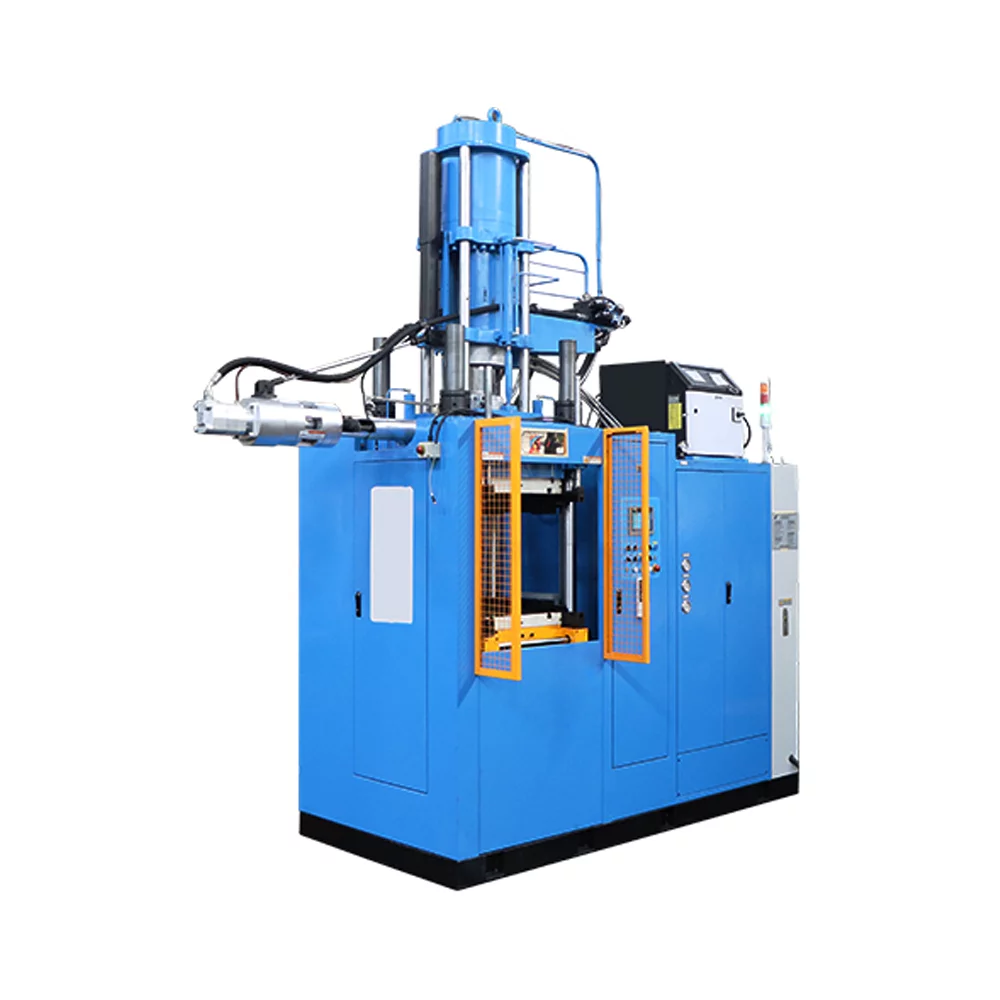
Deploying a highly integrated silicone molding machine configuration ensures that these components mix thoroughly within a closed static chamber before entering the nozzle. We implement these precise blending controls to ensure that every single injection shot exhibits identical material properties.
High Precision Injection Control and Volumetric Tracking
Achieving absolute dimensional accuracy for micro-scale parts or thin-walled membranes requires extreme precision during the low-viscosity filling phase. Because liquid silicone flows effortlessly under low pressures, an uncalibrated injection stroke can easily over-pack the mold, creating heavy parting-line flash.
Advanced electronic process controls monitor the movement of the injection plunger down to with high positional accuracy. This granular tracking manages the exact velocity profile required to fill complex cavities smoothly without inducing material shearing.
Our high precision injection control systems provide accurate material dosing and stable injection pressure for complex silicone product manufacturing. This detailed fluid control limits mechanical stress on the mold face, ensuring flawless part geometries over thousands of consecutive cycles.
Fully Automated Production and Labor Cost Minimization
Traditional elastomeric press operations require constant operator intervention to prepare material blanks, clear flash, and manually pull hot parts from the cavities. These manual steps slow down the production cycle and introduce ambient temperature variations that disrupt thermal equilibrium.
Transitioning to a fully automated production system minimizes these human bottlenecks by managing feeding, mixing, injection, and demolding loops mechanically. This continuous cycle operation significantly increases output capacity while dropping the rate of human error to near zero.
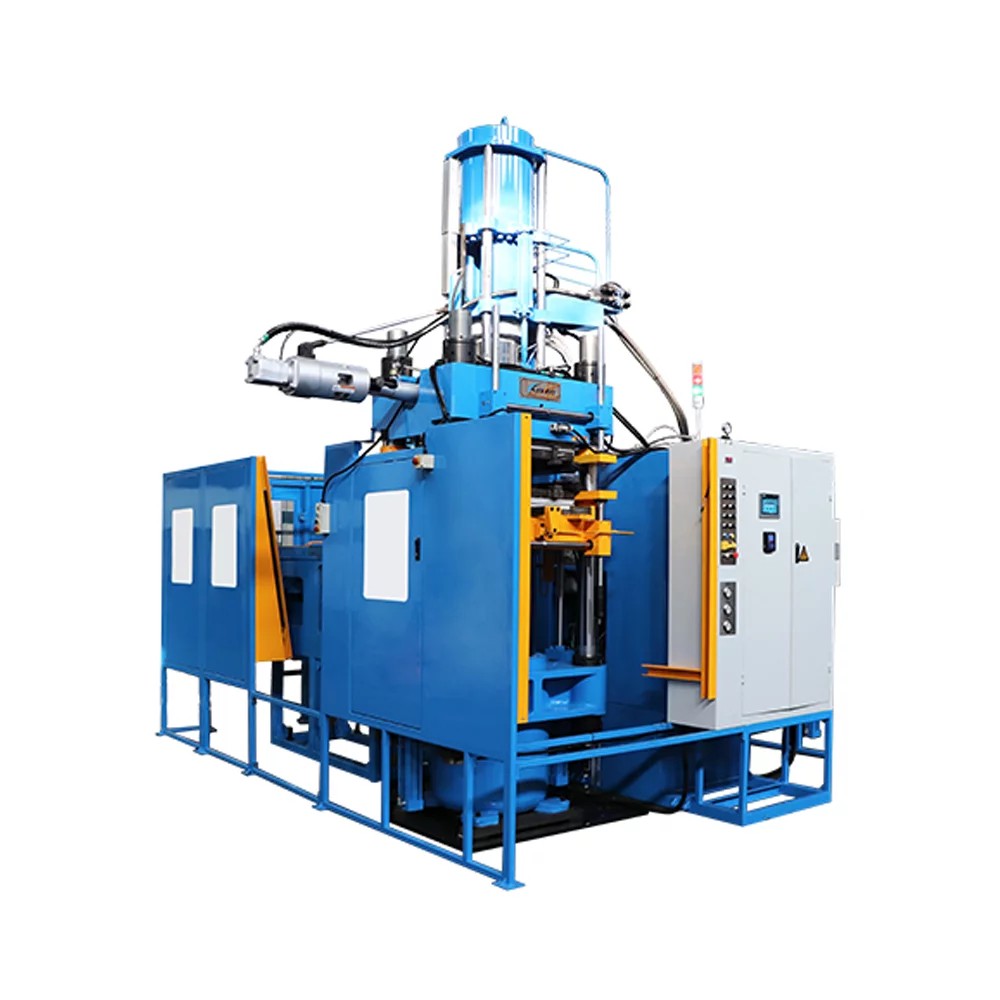
We build these automated handling sequences directly into our machinery frameworks to help facilities optimize their workforce allocation. A liquid silicone rubber injection molding machine supports automatic feeding, mixing, injection, and demolding to improve production efficiency and reduce labor costs.
Multi Zone Platen Thermal Stabilization and Micro Climate Tracking
Unlike thermoplastics that require cold tools to solidify, liquid silicone rubber demands intense, uniform thermal energy inside the mold to trigger rapid vulcanization. Cold spots across the platen surfaces lead directly to under-cured zones, ruining the physical properties of the part.
Automated heating networks divide the main platens into independent thermal zones, with each section monitored by dedicated digital micro-controllers. These controllers adjust power inputs instantly when they detect minor temperature drops caused by ambient factory air currents.
Maintaining this strict thermal balance allows manufacturing plants to compress necessary cure times to the absolute safe minimum. At HWAYI, we integrate advanced composite insulation shields around our heating elements to block radiant heat loss and reduce baseline power usage.
Integrated Vacuum Venting and Minimizing Air Entrapment Risks
The low viscosity of liquid silicone allows it to rapidly fill intricate tooling geometries, but it can easily trap pocketed atmospheric gases ahead of the flow front. Trapped air causes severe surface pitting, structural voids, and burning defects due to the diesel effect under high pressures.
Automated vacuum sequences evacuate the sealed mold cavity completely a few seconds before the injection valve opens. This automated gas extraction allows the compound to merge within the tool, ensuring structural completeness.
Minimizing the need for manual venting steps accelerates production speeds while lowering component rejection rates on the floor. Our technical engineers embed these vacuum control loops directly into the main software interface for seamless mechanical execution.
Conclusion
Implementing advanced automation features is essential for maximizing process consistency and throughput in precision liquid silicone rubber processing. Combining closed-loop material dosing, precise volumetric injection control, and fully automated demolding minimizes the variables that cause product defects.
Investing in multi-zone platen heating and automated vacuum extraction protects delicate tooling assets while optimizing material consumption. Selecting specialized machinery with integrated automation drives sustainable manufacturing margins and reliable component quality across demanding industrial applications.