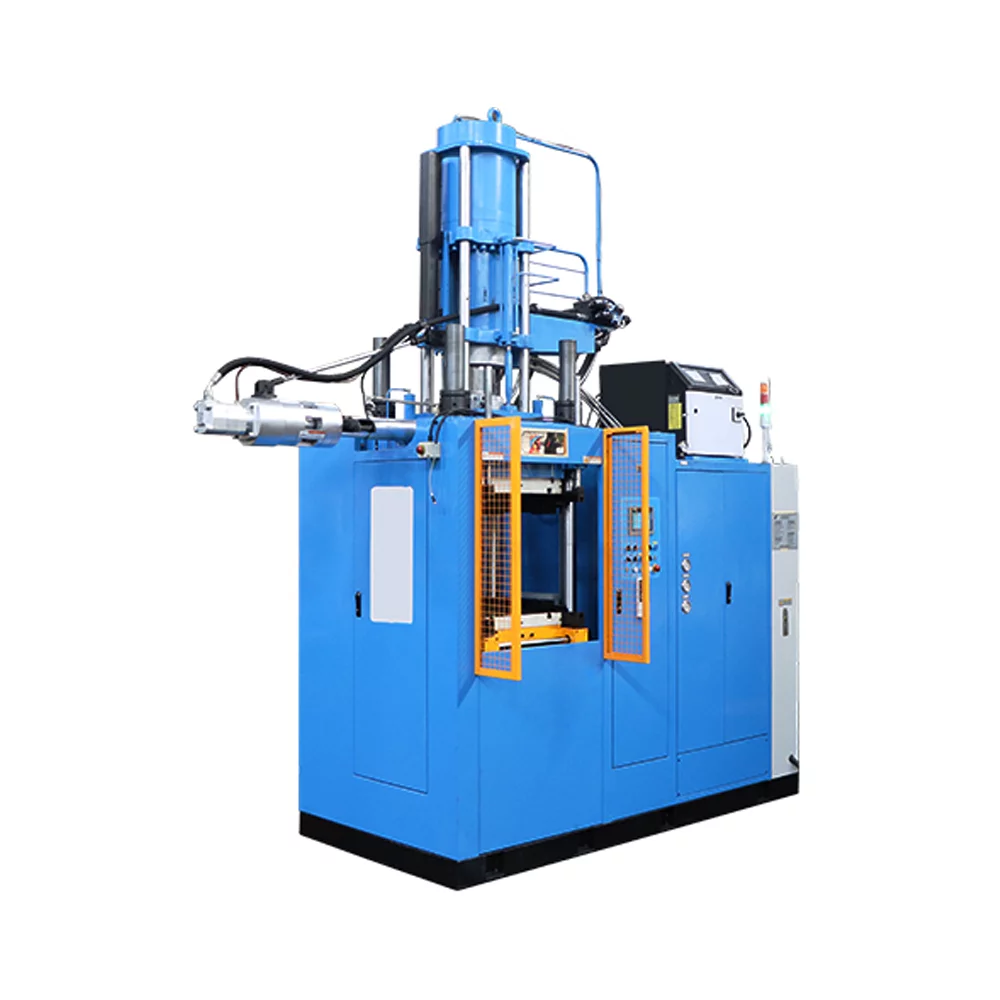
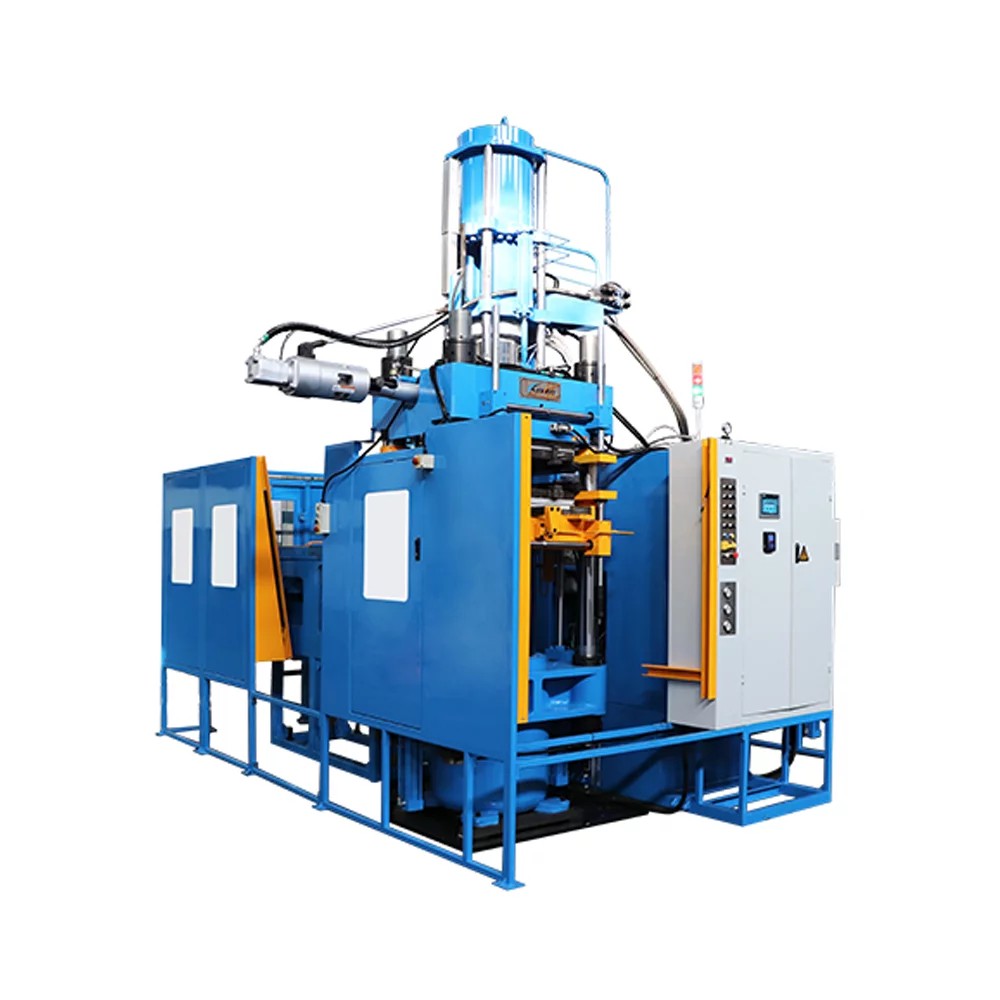
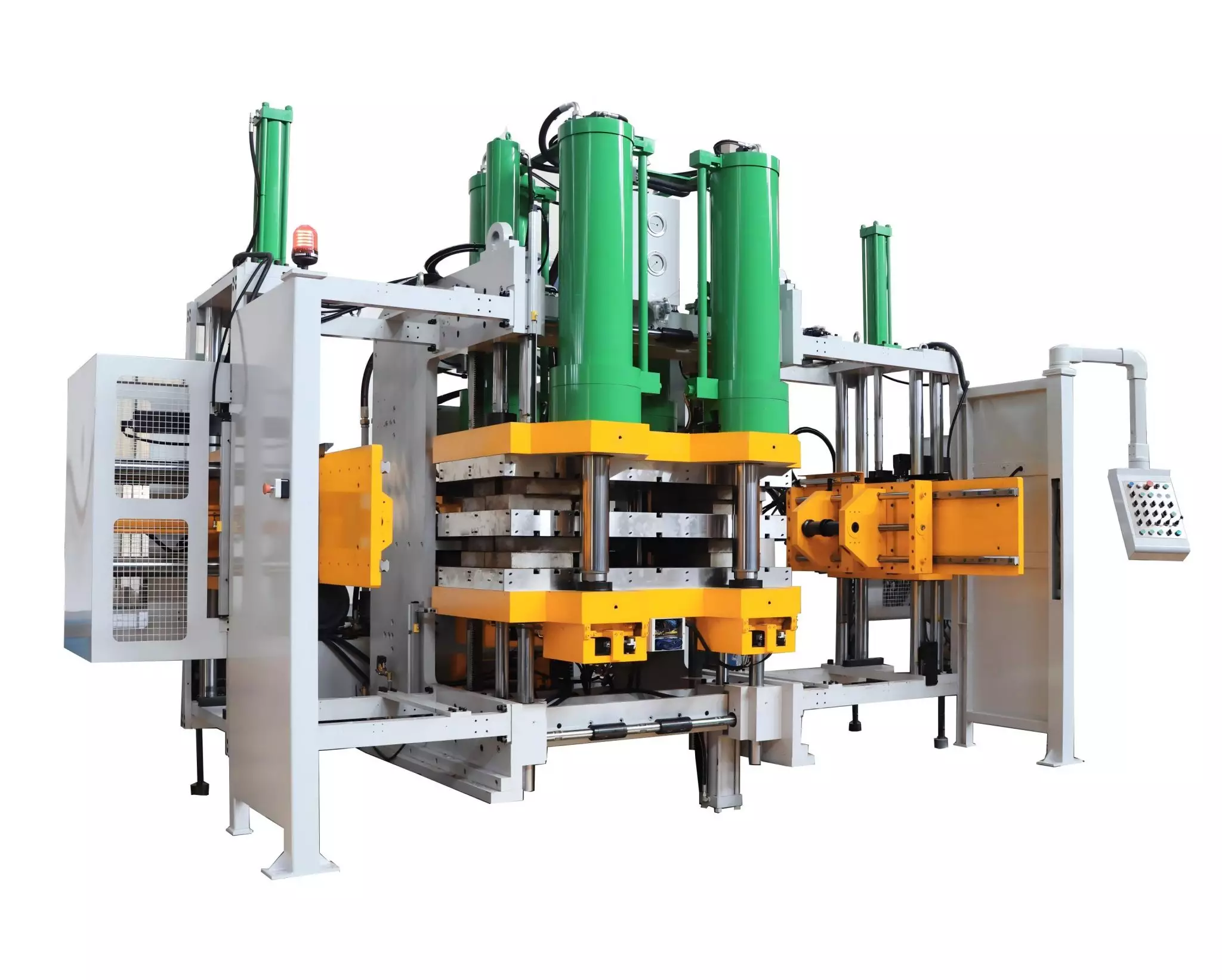
Achieving a sustainable bottom line in precision elastomeric processing requires a strict focus on reducing scrap rates and minimizing secondary labor overhead. High-volume component lines often operate under strict cost controls, meaning that small process inefficiencies can significantly affect production profitability. Deploying advanced rubber molding solutions targeted at structural waste reduction allows production facilities to lower their total cost per part significantly.
Every second spent trimming flashing or purging a blocked nozzle directly inflates operational overhead. By taking a data-driven approach to thermal control and mechanical clamping alignment, processing engineers can stabilize their margins. Maximizing physical material yield while accelerating cycle throughput remains the most reliable path to achieving long-term fiscal resilience on the shop floor.
Our team at HWAYI studies these cost-driving variables to build predictability into everyday manufacturing workflows. By isolating the root causes of material waste and mechanical downtime, we empower our global partners to optimize their capital investments.
Mitigating Material Scorch and Avoiding Channel Blockage Financial Risks
Premature vulcanization inside the injection barrel represents an expensive processing failure that halts entire assembly operations. When elastomer compounds experience thermal instability, the cross-linking reaction triggers early, turning raw material into solid scrap before it enters the mold.
Cleaning out a scorched barrel forces technicians to stop production for hours, destroying daily volume targets and wasting expensive raw compounds. Maintaining precise control over the heat profile of the plasticizing zone is essential for keeping the material fluid until the injection stroke begins.
Implementing highly responsive water-cooling jackets around the front nozzle section isolates the compound from the hot tool faces. Our design group implements these advanced thermal barriers to ensure smooth material flow and prevent costly material blockage issues.
Minimizing Part Flash and Secondary Trimming Overhead
Excess elastomer seeping across a tool parting line creates thin, unwanted structural wings known as flash on the finished part. This defect points to either uneven platen pressure distribution or minor structural deflection within the mechanical clamping unit under full injection load.
Fixing flashed components requires a labor-intensive secondary trimming operation, which raises the manufacturing cost per unit. Hand-trimming or purchasing specialized cryogenic deflashing equipment adds an unnecessary step that eats away at baseline profits.
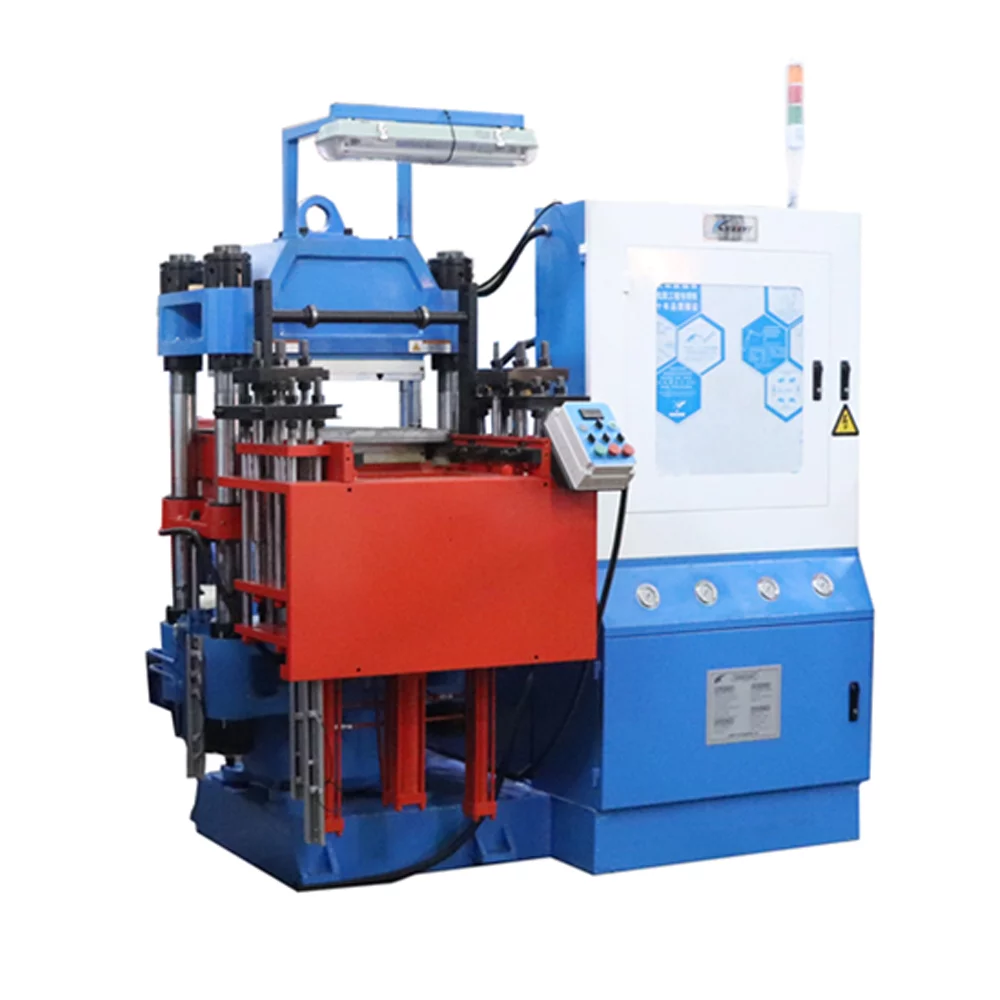
Upgrading to a rigid, high-tonnage HWAYI rubber machine structure delivers parallel clamping force across the entire face of the tool layout. This physical structural rigidity keeps the parting lines tightly sealed, ensuring clean demolding and a dramatic drop in post-processing trimming expenses.
Optimizing Component Yield Through Dynamic Multi-Stage Injection
Controlling the speed and pressure profile during the filling phase directly changes how efficiently material moves into the furthest cavities. High-speed injection profiles shorten fill times to complete the packing of complex shapes before the compound reaches its scorch threshold, despite generating localized friction.
However, a single-speed injection stroke can over-pack the cavities nearest the gate, creating flash while leaving the furthest cavities under-filled. Multi-stage velocity profiling allows the machine control software to step down pressure as the mold reaches maximum capacity.
This smooth transition ensures a uniform density distribution across all parts without stressing the mold parting lines. We focus heavily on these fluid power profiles to help production operations maintain a high-yield, zero-defect manufacturing standard.
Evaluating the Long-Term ROI of Automation in Transportation Sectors
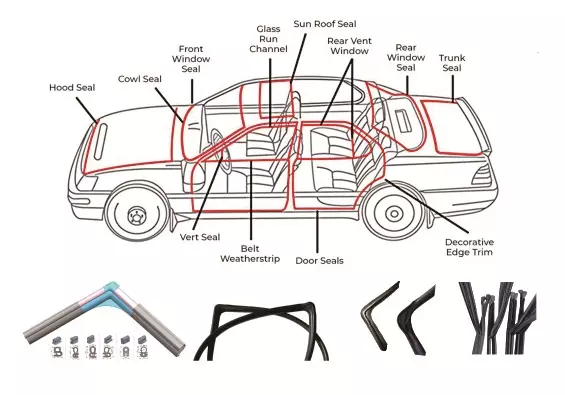
The transport sector demands massive volume runs of precision seals, dampening mounts, and complex engine gaskets with tight tolerances. Manual handling during loading and part extraction introduces human variance that disrupts thermal stability and extends cycle times.
Deploying highly automated automotive injection molding solutions optimizes throughput by mechanically handling repetitive tasks with perfect repeatability. Removing human error from the demolding step shortens the open-tool window, preserving critical platen energy.
This automation investment lowers the long-term cost per part by stabilizing the processing micro-climate over millions of consecutive cycles. We configure these automated handling systems to make plants lower their operating costs and boost quality.
Thermal Insulation Strategies and Reducing Factory Power Consumption
Uninsulated heating platens constantly radiate immense thermal energy into the surrounding factory floor, driving up utility bills. This heat loss forces the electrical heating elements to run continuously to maintain the necessary vulcanization temperature.
Applying heavy-duty composite insulation sheets around the outer faces of the clamping unit cuts down this power drain. Lowering the ambient heat radiation also creates a more comfortable workspace for nearby operators, reducing factory cooling costs.
Our mechanical team focuses heavily on these thermal barriers when customizing industrial equipment setups for our partners. Locking the heat inside the mold tool improves chemical cross-linking consistency while ensuring lower energy consumption during multi-shift operations.
Predictive Asset Maintenance and Lowering Unscheduled Downtime Costs
Unexpected mechanical or hydraulic breakdowns can stall a production line, costing facilities thousands of dollars in lost capacity. Tracking system parameters like oil temperature shifts and valve response times flags subtle mechanical wear before a failure happens.
Modern diagnostic software alerts maintenance teams to schedule brief checkups during natural shift changes rather than during active production runs. This proactive approach extends the service life of high-pressure pumps and preserves fragile tool alignment over decades of use.
At HWAYI, we integrate digital sensor networks into our machinery frameworks to give plant managers deep visibility into operational data. This diagnostic capability keeps heavy processing hardware running reliably, turning maintenance from a surprise expense into a manageable variable.
Conclusion
Optimizing the cost advantages of precision elastomer molding requires a systemic focus on scrap reduction and labor efficiency. Minimizing material scorch through advanced thermal control and preventing part flash with rigid clamping setups directly lowers processing overhead.
Investing in targeted automation and energy-saving platen insulation ensures a highly repeatable, low-waste production cycle. Partnering with a technical team that understands these complex variables allows industrial operations to maximize material yield and secure sustainable manufacturing margins.