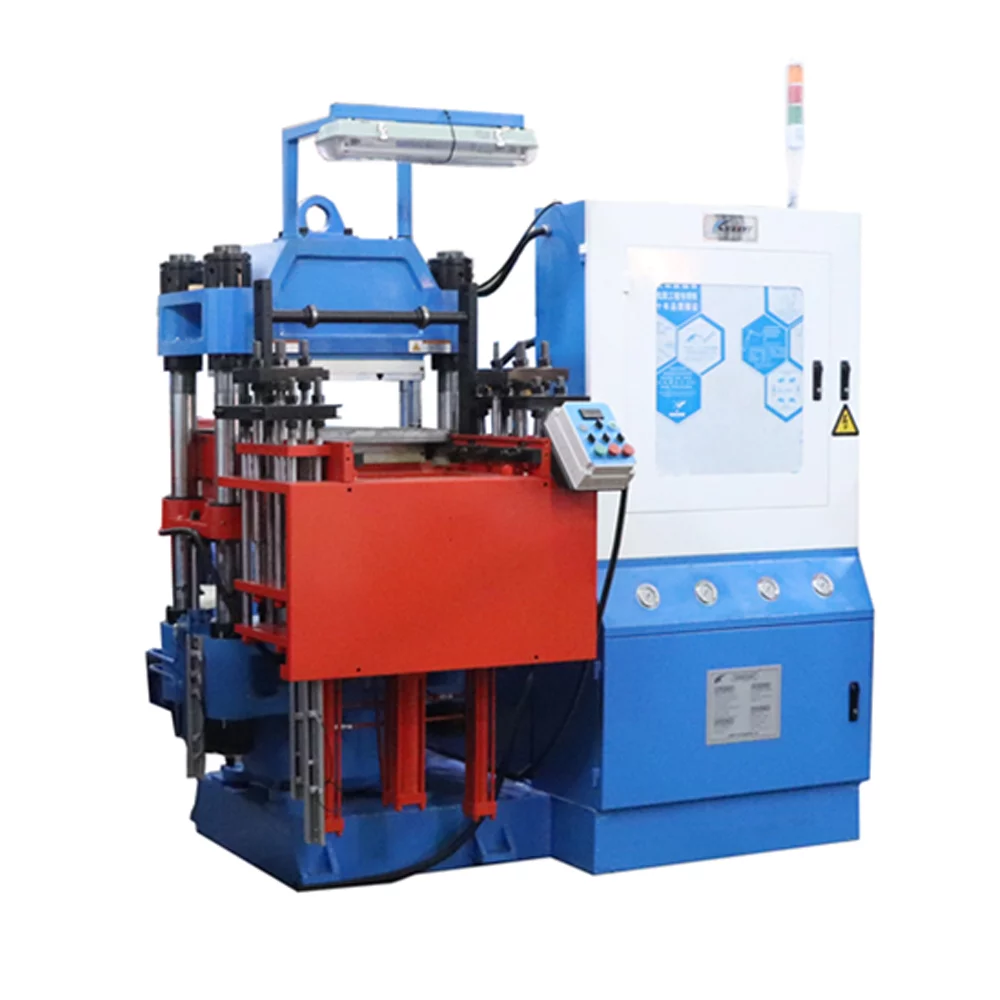
Maintaining compliance with international engineering guidelines is a fundamental necessity for industrial operations utilizing heavy vulcanization machinery. Industrial safety, electromagnetic compatibility, and pressure vessel regulations dictate how manufacturing hardware must be constructed and operated on the factory floor. Deploying a modern vertical rubber injection molding machine requires a clear understanding of these legal frameworks to prevent costly operational shutdowns.
Different global regions enforce specific design protocols to safeguard factory workers and minimize environmental risks during continuous production. Equipment that fails to meet these criteria cannot be legally commissioned, exposing businesses to considerable operational liabilities. Reviewing the core engineering guidelines allows facility managers to source equipment that integrates smoothly into certified global processing networks.
Understanding Machinery Regulation (EU) and European Safety Harmonization
Sourcing equipment for the European market demands strict adherence to the foundational rules laid out in the Machinery Regulation (EU). This comprehensive regulatory framework covers mechanical safety, electrical insulation integrity, and the prevention of fluid-power system failures under extreme loads.
Equipment must incorporate fully integrated physical guarding and dual-channel safety circuits that prevent operators from entering dangerous moving areas during a cycle. Furthermore, all risk assessments must be thoroughly documented by the manufacturer to prove compliance with harmonized European standards.
Working with experienced vertical injection molding machine manufacturers help these core safety requirements are engineered directly into the equipment chassis from day one. This foundational engineering compliance simplifies factory commissioning and guarantees high protection standards for the floor crew.
OSHA Regulations and North American Electrical Codes
Operating industrial molding equipment within North America requires absolute compliance with Occupational Safety and Health Administration standards and National Electrical Code guidelines. These regulations focus heavily on control reliability, locking mechanisms, and the mitigation of hazardous electrical shock variables.
Control networks must utilize redundant safety relays that can detect internal component faults and freeze mechanical movements instantly. Additionally, the electrical enclosures must protect sensitive internal microprocessors from dust, oil mist, and humidity common in factory settings.
Our electrical design teams configure control cabinets to meet these rigorous western wiring and protection standards. This detailed construction methodology guarantees that the machinery functions reliably under dense, multi-shift manufacturing demands without violating local factory codes.
Structural Stability and Pressure Vessel Certification Codes
The extreme hydraulic forces required to clamp large molds and inject dense elastomeric compounds put immense structural stress on heavy machinery frames. International structural regulations require rigorous finite element analysis to ensure the main chassis components withstand millions of high-tonnage cycles.
Furthermore, hydraulic accumulators—which are classified as pressure vessels under local engineering safety codes—require periodic non-destructive testing and certified stamping to verify structural integrity under pressure spikes. For hydraulic cylinders and actuation components, which fall under the machinery safety directive rather than pressure vessel regulations, we apply equivalent rigorous inspection protocols, including magnetic particle testing and pressure decay monitoring, to ensure fail-safe operation.
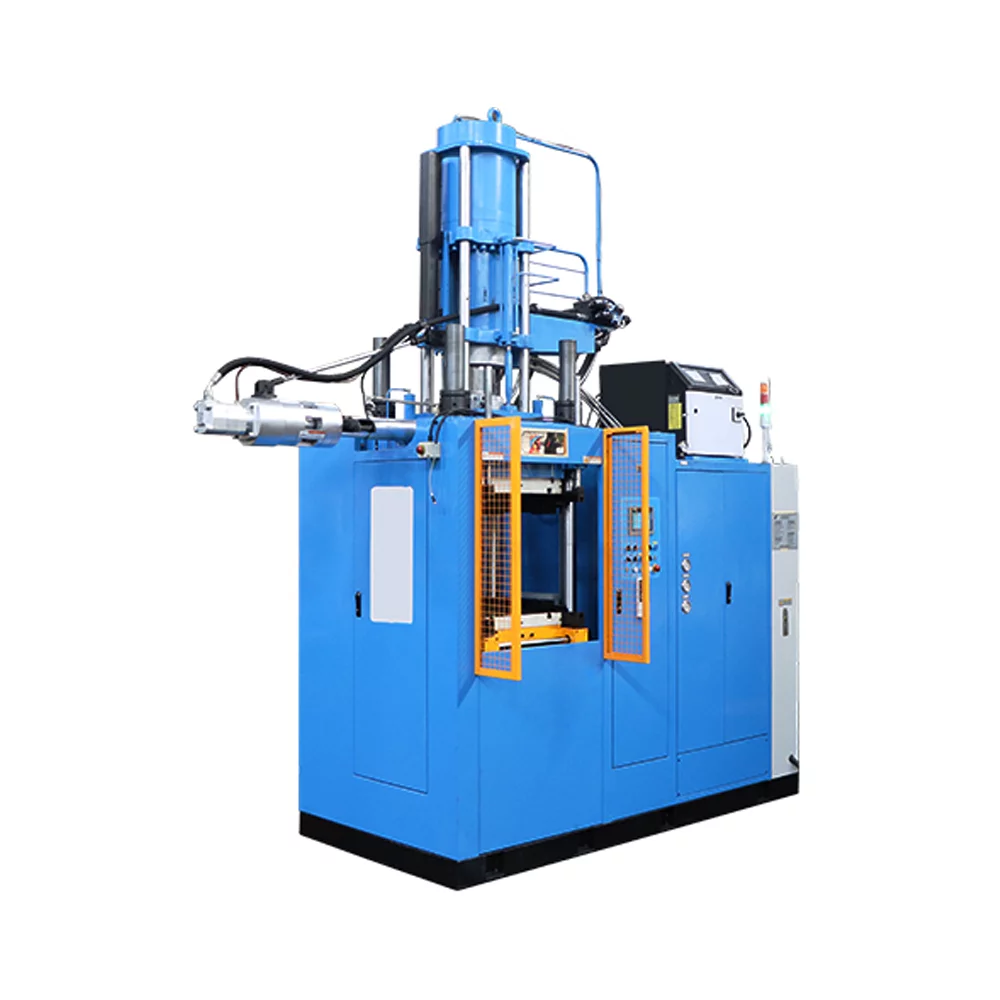
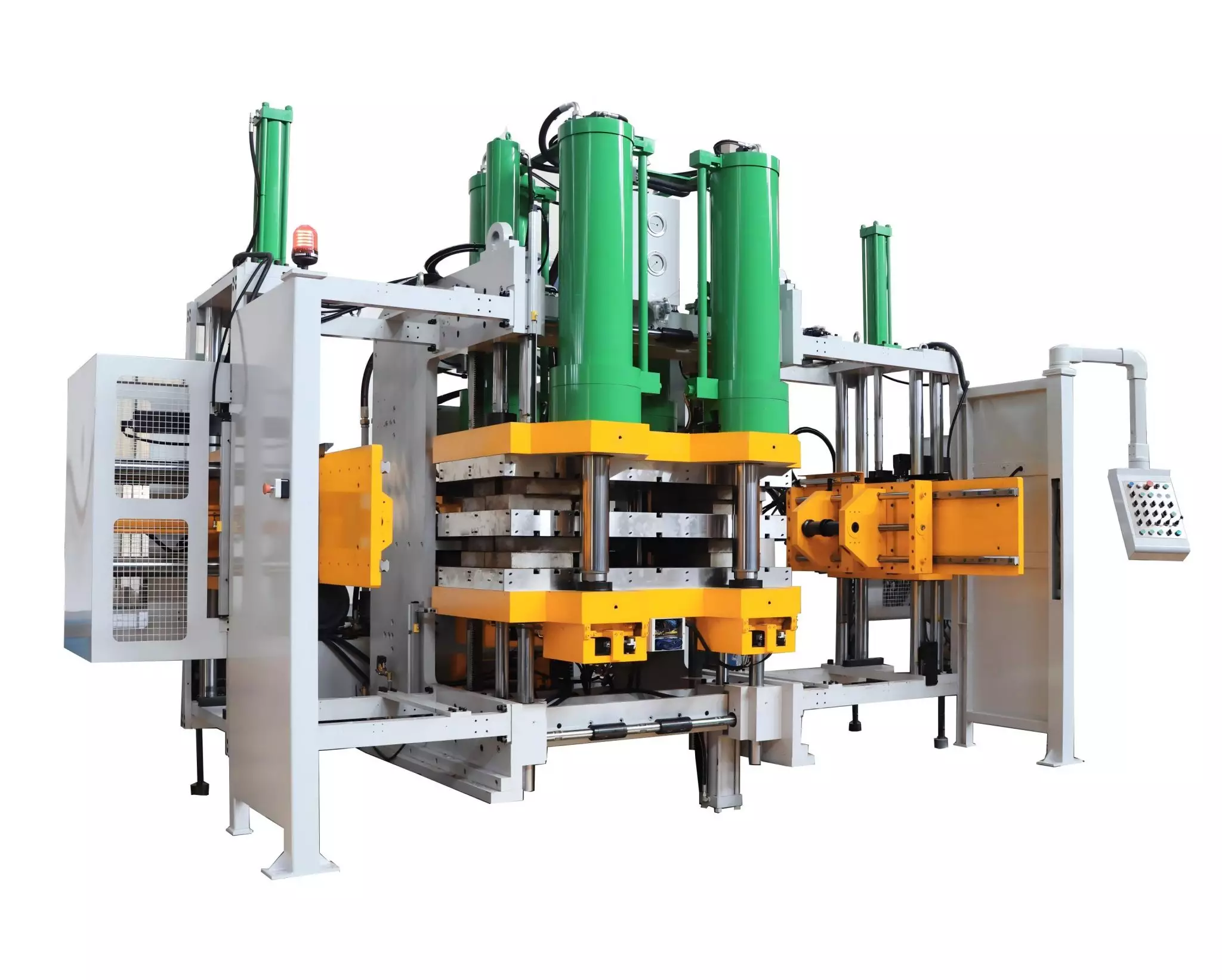
Utilizing a heavy-duty four-column vertical structure provides the necessary physical rigidity to meet these stringent long-term durability mandates. This geometric configuration helps distribute clamping loads more evenly across the tooling area.
Clean Air Compliance and Chemical Fume Extraction Rules
High-temperature vulcanization naturally triggers outgassing as raw elastomeric compounds undergo chemical cross-linking within the heated mold cavity. Environmental regulations may address airborne emissions generated during rubber processing, depending on the compound and local requirements.
Modern equipment standards require the inclusion of dedicated mounting interfaces for local exhaust hoods and active vacuum extraction systems. These systems must capture airborne byproducts right at the tool split line the moment the clamping unit opens.
Integrating these environmental controls maintains clean air indices on the production floor while helping the facility satisfy local occupational health audits. We design our structural hoods to interface directly with external factory ventilation networks to support clean processing practices.
Ergonomics and Spatial Layout Guidelines for Safety Maintenance
Industrial machine regulations extend beyond active cycle safety to include the physical space required for routine maintenance tasks and tool changes. Safety codes state that technicians must have unhindered access to hydraulic valves and electrical blocks without risking slips or pinches.
Grouping primary operational components together outside the main movement zone satisfies these strict safety clearance guidelines. If a manifold or electrical relay requires adjustment, the technician should be able to work comfortably without squeezing into tight structural spaces.
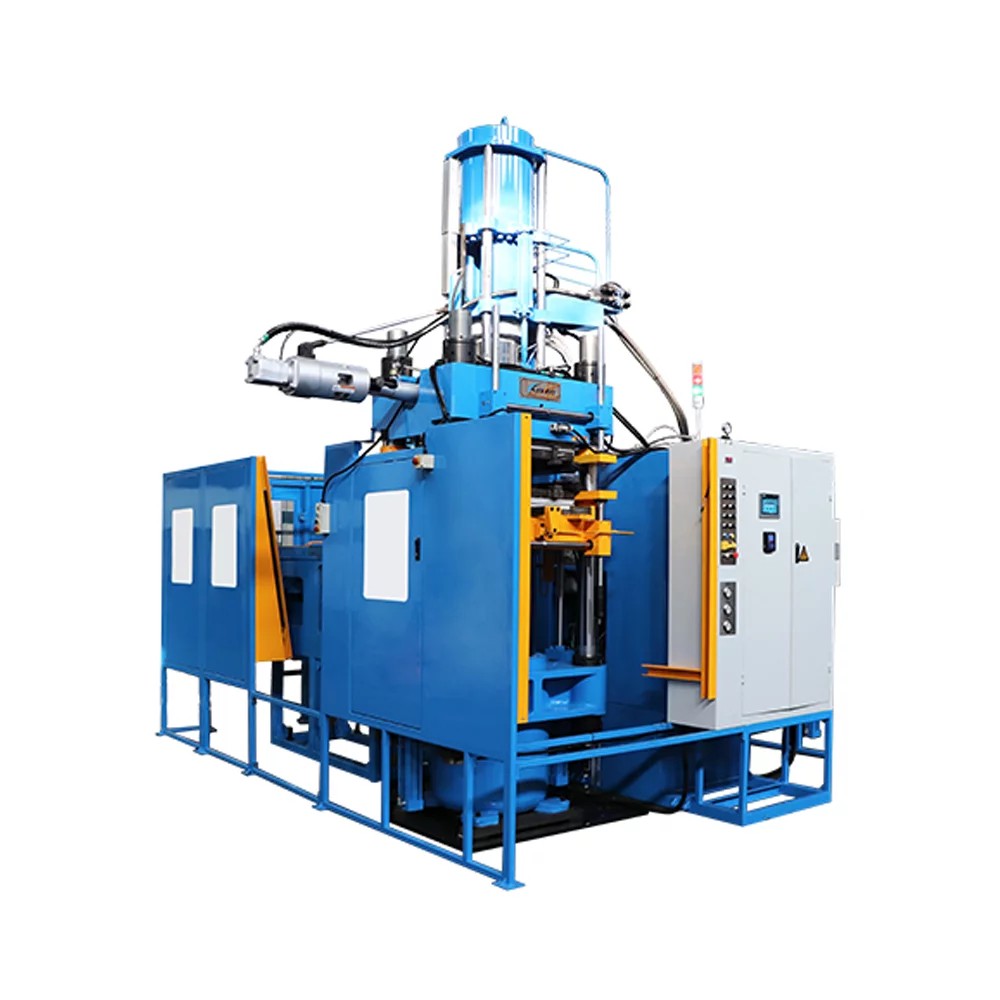
Our optimized machine layout reflects these spatial safety requirements by grouping essential support systems into an accessible configuration. This targeted HWAYI rubber machine architecture places the oil tank, electrical cabinet, and control panel on the right side, maximizing functional clearance.
Material Handling Regulations for Heavy Solid Silicone Components
Processing large-volume materials like High-Temperature Vulcanizing silicone introduces distinct material handling challenges that fall under industrial ergonomic guidelines. Manually loading heavy, dense rubber blocks into an injection mechanism creates repetitive strain hazards for floor personnel.
Automated feeding systems address these regulatory concerns by mechanizing the raw material transfer process entirely. These auxiliary feeders pull the heavy compound into the plasticization barrel smoothly, removing the need for manual operator handling during active cycles.
Choosing an optional HTV silicone rubber feeder allows plants to process high-voltage electrical components while remaining fully compliant with workplace ergonomics. This specialized system handles the dense compound efficiently, supporting steady production for utility-grade insulators, arresters, and complex cable accessories.
Electromagnetic Compatibility and Power Grid Protection Mandates
High-power industrial machinery can generate severe electromagnetic interference that disrupts nearby digital control systems if not properly shielded. Global regulations demand that all large-scale processing equipment include comprehensive filtering to block these electrical high-frequency noises.
Compliance involves integrating heavy-duty line reactors and shielded cables that prevent electronic noise from traveling back into the main factory power grid. This protection helps neighboring automation systems operate smoothly without suffering signal corruption or data dropouts.
At HWAYI, we install advanced power filters and robust grounding networks across our entire machinery line to satisfy these strict grid regulations. This electrical isolation guarantees stable processing performance, even when operating alongside sensitive robotic equipment.
Conclusion
Navigating international manufacturing regulations is an essential part of deploying high-performance vertical molding systems successfully. Aligning factory hardware with CE directives, OSHA guidelines, structural pressure vessel codes, and environmental air standards protects both personnel and investments.
Sourcing equipment engineered with optimal layouts and automated material feeding simplifies compliance while maximizing overall floor efficiency. Prioritizing these rigorous global design standards guarantees long-term operational legality, reduced maintenance overhead, and a highly secure manufacturing workspace.