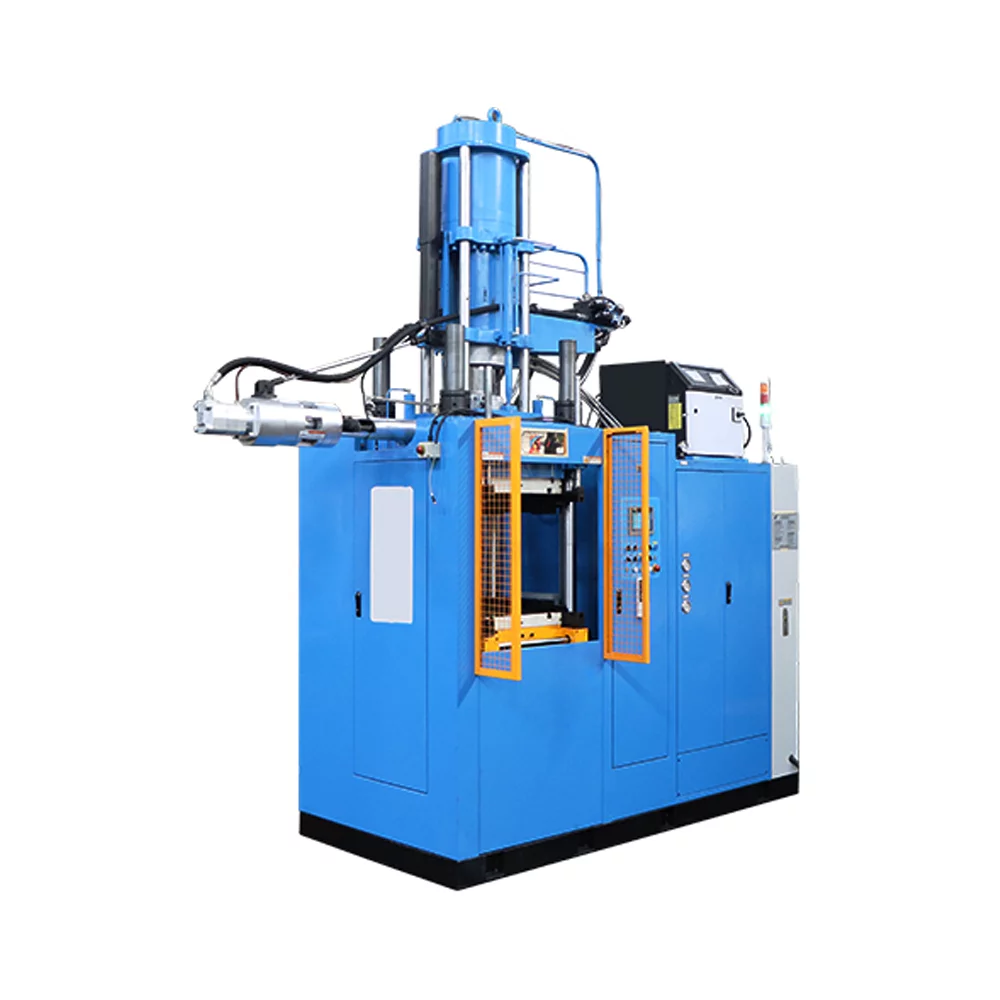
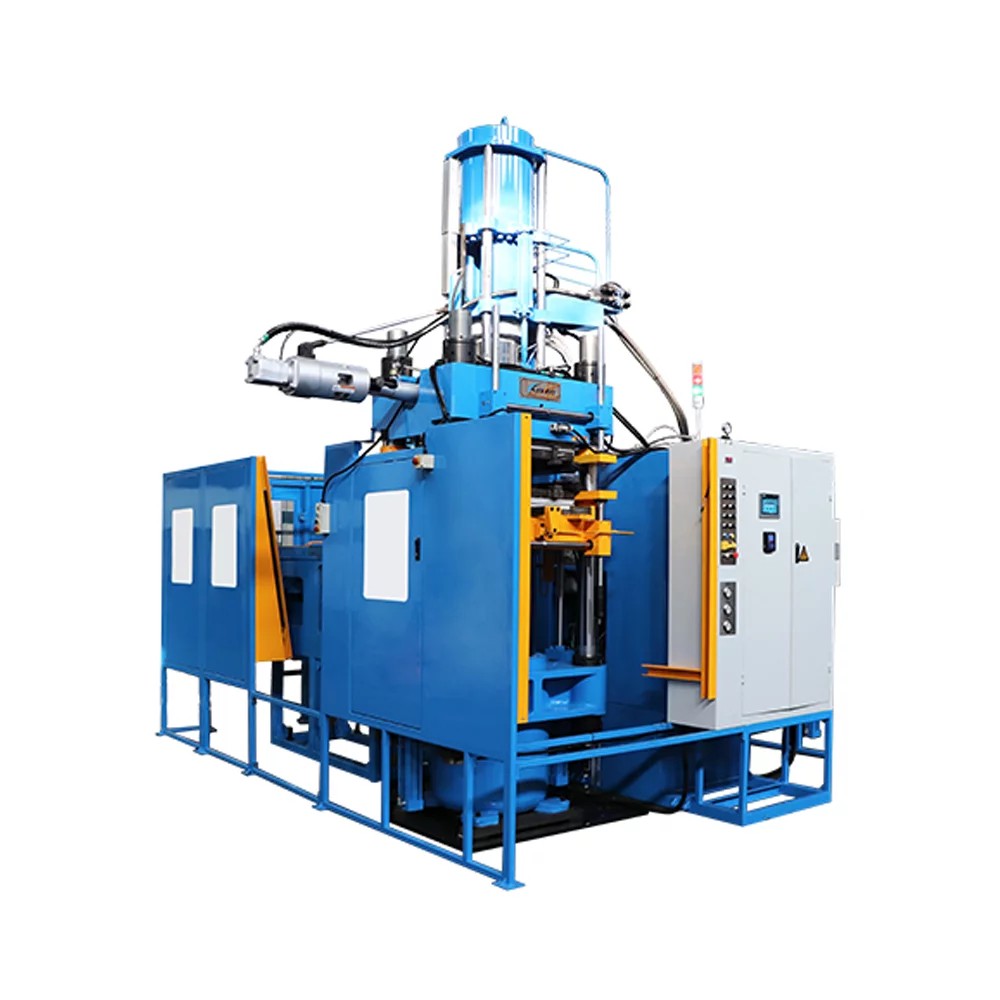
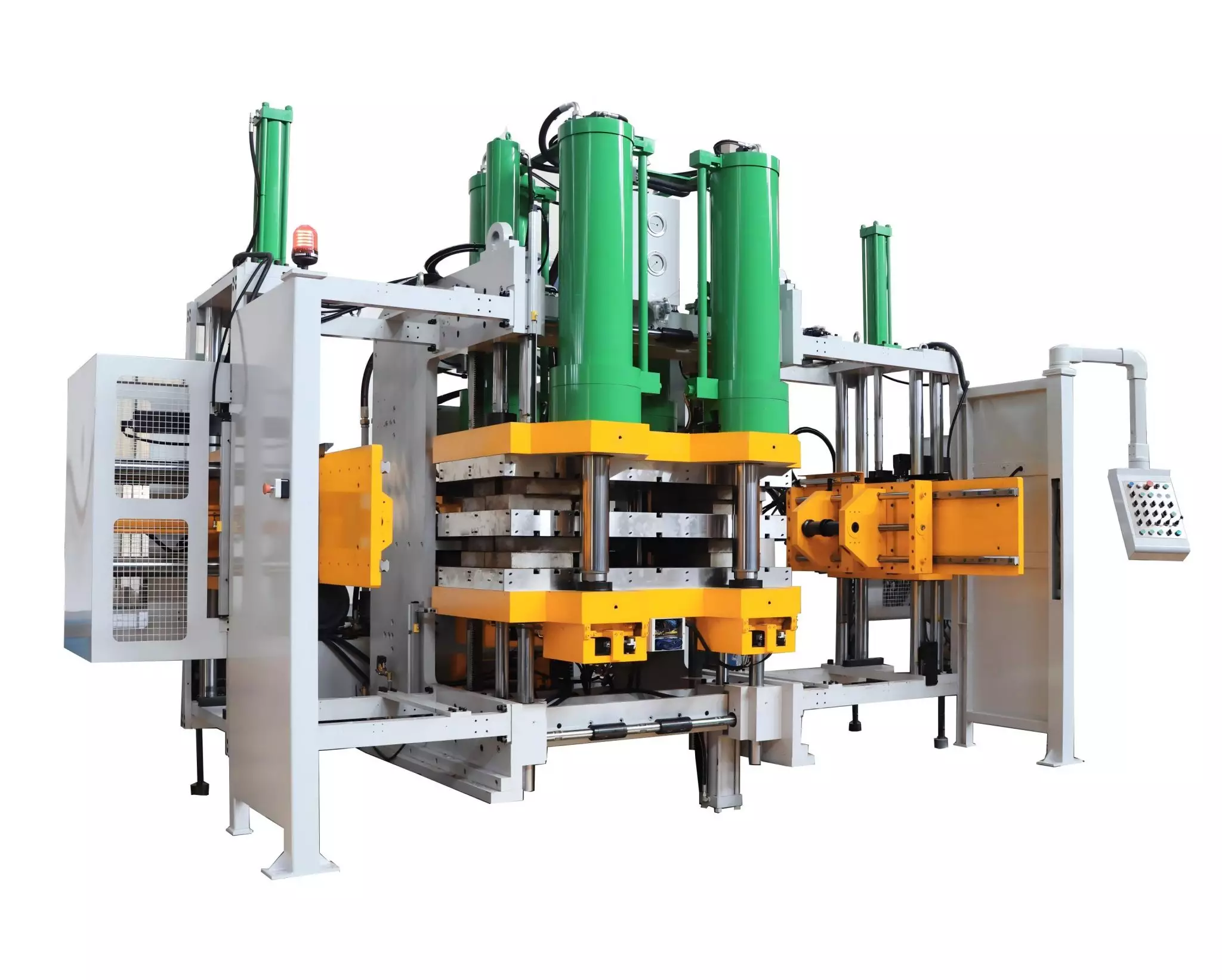
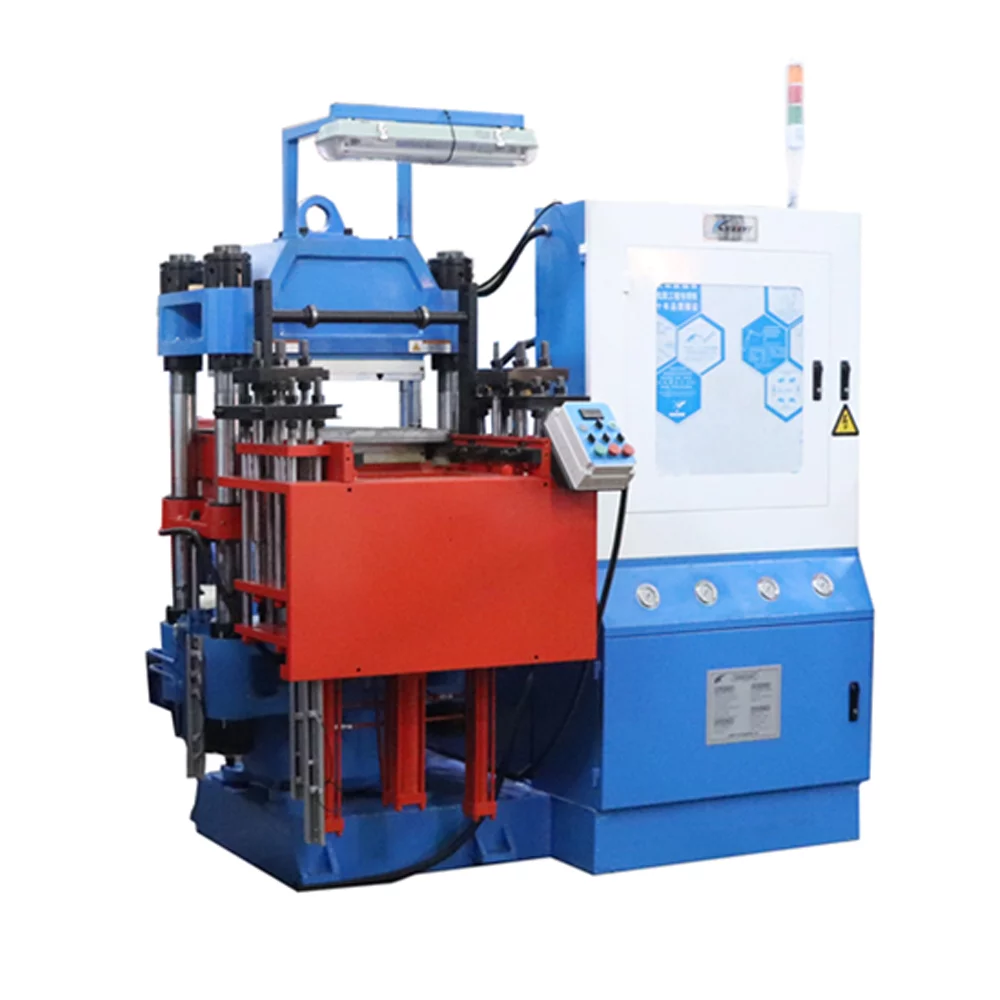
Manufacturing high-performance curing bladders requires specialized machinery that can handle heavy material shots while keeping tight dimensional tolerances. These thick elastomeric parts must withstand thousands of continuous thermal expansion and contraction cycles inside tire curing presses without suffering early structural failure. Achieving the required material density and wall uniformity depends entirely on the mechanical stability of your processing equipment.
Industrial procurement teams frequently struggle to balance high hydraulic clamping force with precise compound temperature control during large-volume runs. Selecting an equipment setup that minimizes both air entrapment and thermal gradients inside the barrel remains a primary path to secure consistent component quality. A data-driven analysis of structural and fluid-power variables helps operations choose the right system configuration for long-term production stability.
Our engineering department at HWAYI studies these complex heavy-wall molding variables to eliminate processing defects before they happen. By combining specialized injection geometry with rigid frame construction, we help manufacturing facilities maximize material performance in demanding industrial sectors.
Volumetric Shot Control and Precision Injection Dynamics
Processing massive tire bladders requires the continuous delivery of exceptionally large volumes of rubber compound in a single, uninterrupted stroke. Minor variations in the injected weight create thin or thick spots in the bladder walls, leading to uneven heat transfer during tire vulcanization.
Advanced processing hardware utilizes digital linear transducers to track the screw movement down to a fraction of a millimeter. This granular monitoring ensures the accurate volumetric dosage enters the tool cavity, preventing underfilling defects or overpacking strains.
A robust, integrated precision injection system stabilizes internal material flow vectors during high-velocity filling cycles. Maintaining this level of fluid control allows the machine to achieve excellent repeatability while maximizing material utilization across long runs.
Structural Rigidity and Clamping Stability Under Extreme Hydraulic Loads
The massive projected surface area of a bladder mold generates immense internal forces that try to push the tool halves apart. If the clamping frame exhibits even minor mechanical deflection during the packing phase, raw rubber escapes across the parting lines.
This separation creates heavy flash that requires manual trimming, wasting valuable compound and shortening the life of expensive tool steel. Maintaining good platen parallelism under full hydraulic loading ensures keep the mold faces properly closed during production.
Stable clamping performance relies on a heavy-gauge steel chassis that resists structural deflection or torsional distortion across extended machinery lifecycles. We construct our machine platen assemblies to distribute these extreme holding forces across the entire tool geometry.
Rheological Factors and Managing High Volume Custom Compounds
Tire bladder manufacturing utilizes specialized butyl rubber formulations engineered for extreme heat resistance, low gas permeability, and minimal permanent deformation. These specialized heavy compounds possess unique rheological characteristics that require significant mechanical effort to push through delivery channels.
Understanding the viscosity variations between compound batches is vital for preventing premature curing defects inside the injection nozzle. If excessive frictional heat causes premature cross-linking during injection, material flow may become restricted and filling performance can be affected.
Configuring your manufacturing cell for custom rubber injection molding requires an optimized balance between injection speed and internal temperature regulation. This detailed process control helps the dense butyl compound stay fluid and fills deep tool cavities smoothly without scorching.
Sourcing Reliable Partnerships and Manufacturing Heritage
Investing in large-scale vulcanization systems requires careful evaluation of the equipment supplier’s underlying engineering and manufacturing experience. Specialized machinery cannot be built reliably without years of field-tested research and a deep understanding of heavy industrial applications.
Partnering with an experienced rubber tyre bladder machine manufacturer provides operations with verified engineering blueprints and dedicated technical support networks. This expertise helps manufacturing plants bypass the common trial-and-error pitfalls associated with scaling up high-volume bladder production lines.
We leverage over twenty-five years of custom research and development to address these heavy-duty processing requirements. Our technical teams build every specialized frame with international compliance markers, ensuring that our systems integrate smoothly into automated global factories.
Thermal Distribution Channels and Multi Zone Platens
Achieving complete, uniform chemical cross-linking through thick elastomeric walls depends entirely on steady, balanced thermal energy transfer. Uncontrolled temperature drops across the mold platens create under-cured zones inside the part matrix, ruining its physical durability.
Modern equipment architectures address this thermal challenge by using independent, multi-zone electrical heating circuits managed by sensitive micro-controllers. These closed-loop controllers adjust heating outputs instantly when they detect minor thermal drops caused by ambient factory air.
Our development teams prioritize advanced thermal isolation strategies to block radiant energy loss and keep power consumption low. Keeping the heat locked within the active tool face shortens curing cycles and protects neighboring hydraulic lines from thermal strain.
Mechanical Ergonomics and Minimizing Open Tool Extraction Work
The physical size and weight of a finished tire bladder make manual extraction a slow and physically demanding task for operators. Leaving the press open while workers struggle to pry a hot part out of deep cavities causes the tool temperature to drop rapidly.
Integrating synchronized core-pulling systems and mechanical lifters speeds up the demolding sequence, keeping the open-tool window brief. This mechanized handling helps preserve the tool’s thermal profile, saving considerable electrical energy during the subsequent cycle.
High production efficiency is achieved when these mechanical movements are fully automated within the primary machine control cycle. At HWAYI, we design our structural frames with optimized access heights to streamline operator interaction and boost daily output.
Conclusion
Choosing the right tire bladder manufacturing hardware requires a thorough assessment of injection accuracy, structural rigidity, and thermal management. Minimizing wall thickness variances through precise volumetric control and preventing flash with rigid clamping frames ensures reliable component quality.
Sourcing equipment from a dedicated team with deep application experience simplifies plant integration and minimizes operational risk. Prioritizing these advanced safety and process automation features allows facilities to lower material waste and maintain high productivity in demanding manufacturing environments.