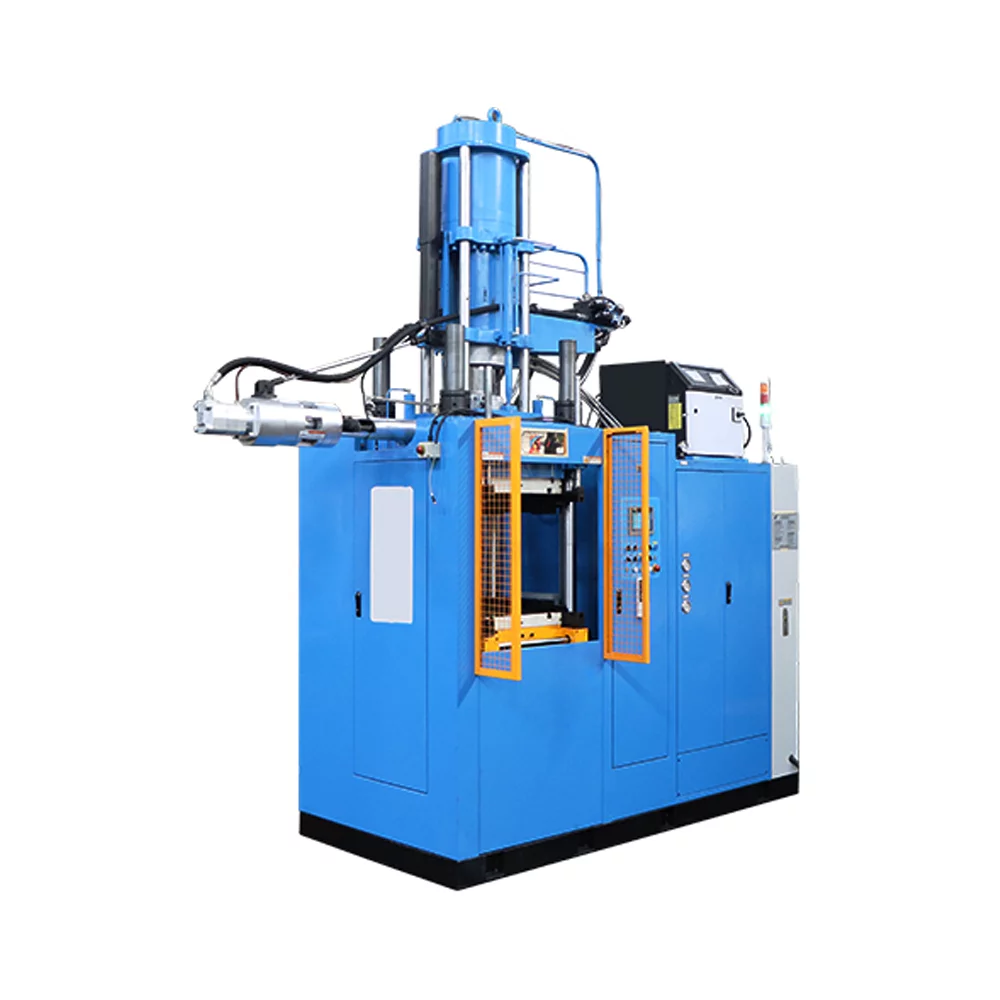
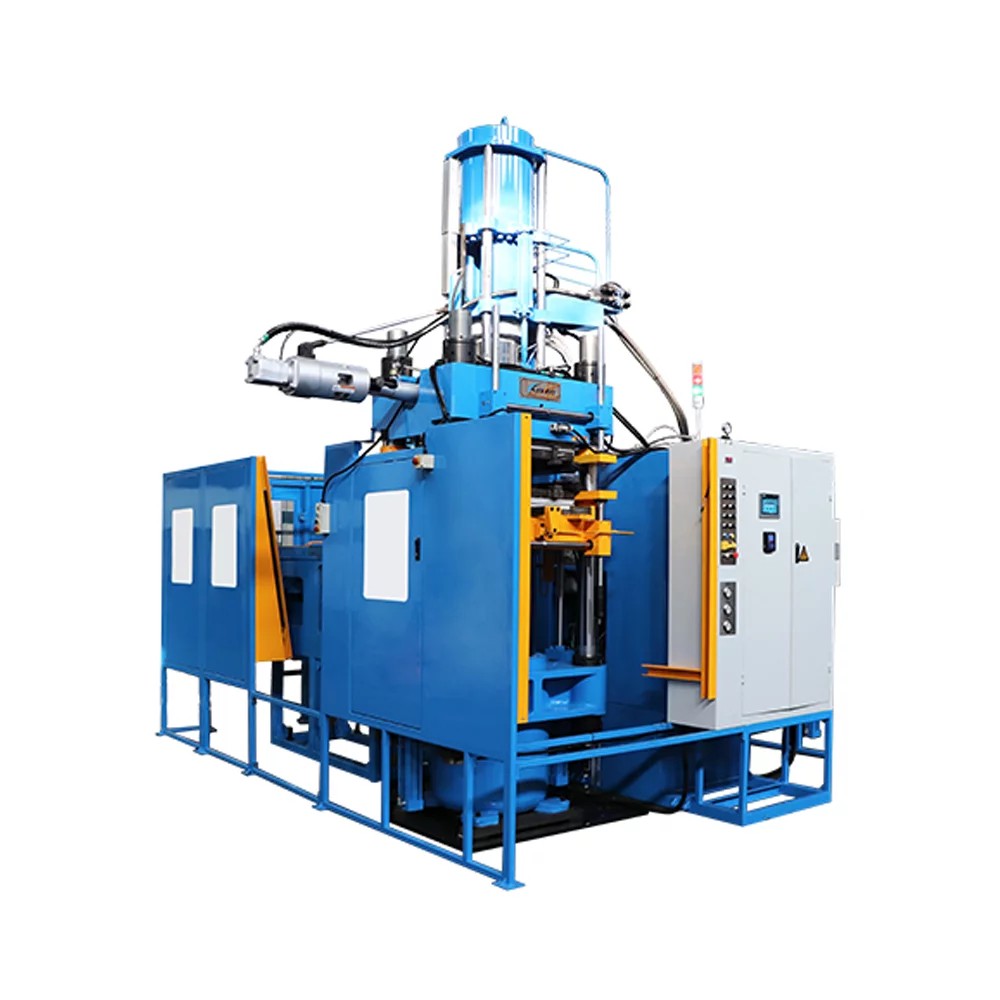
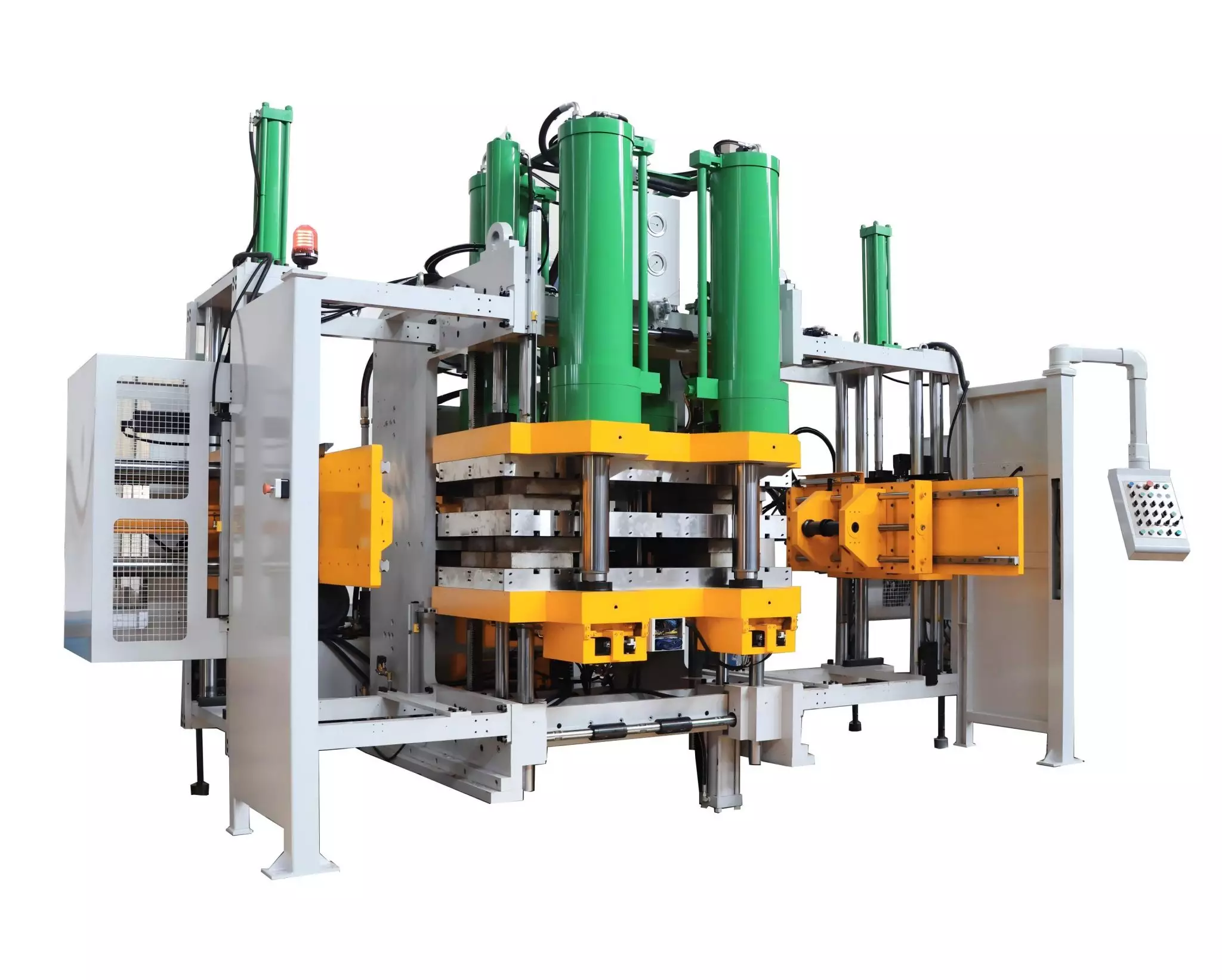
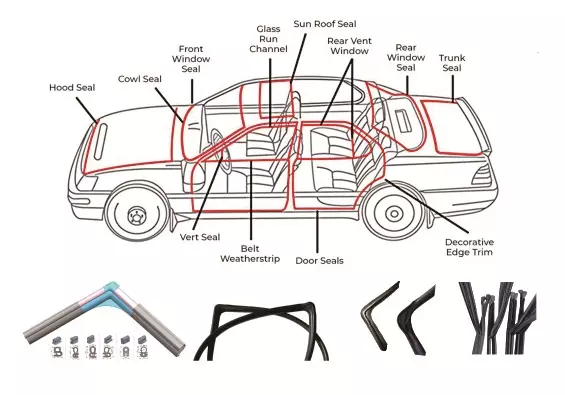
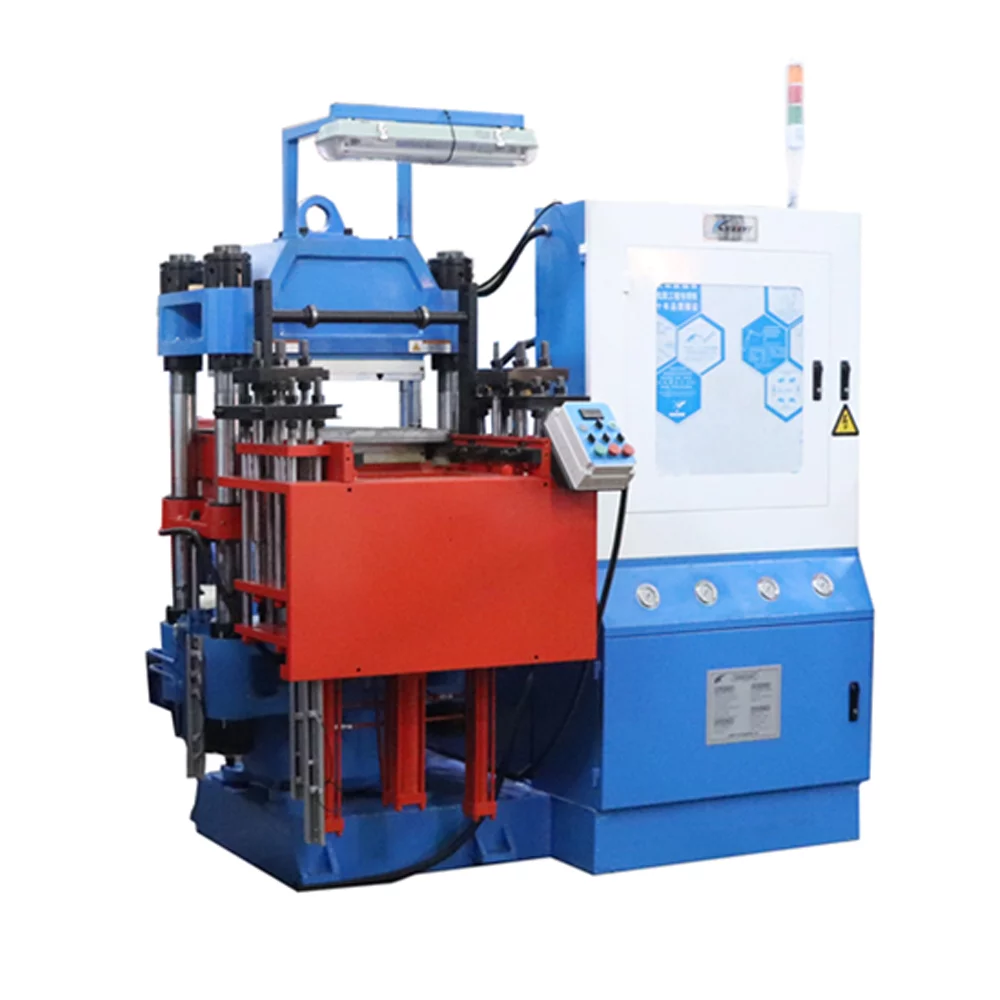
Industrial manufacturing floors depend heavily on the geometric integrity of molded rubber components to help the absolute reliability of heavy-duty seal assemblies and dampening components. Achieving this repeatable precision requires precise control over raw material variables, clamping forces, and high-temperature cross-linking zones. Utilizing a high-performance rubber vulcanizing machine provides processing engineers with the strict technical containment necessary to eliminate dimensional drifting during the curing cycle.
Our engineering team at HWAYI studies these intricate thermomechanical interactions to eliminate processing variance before the hardware ever reaches the factory floor. By pairing rigid structural chassis with closed-loop digital monitoring networks, we assist manufacturing facilities in balancing high fluid-power output with strict micro-scale accuracy.
Rigid Mechanical Alignment and Parallelism Under Intense Clamping Loads
Distributing hundreds of tons of holding force evenly across a large tool face is critical for preventing material leakage during the curing phase. If the main hydraulic cylinders experience internal pressure drops, the mold halves can separate slightly under the expansion force of the heating compound.
Digital proportional valves counteract this risk by regulating hydraulic oil flow dynamically to cushion platen contact and hold steady tonnage. This active regulation protects sensitive mold parting lines from harsh mechanical impacts, significantly extending the operational life of precision tool steel.
Investing in a robust rubber vulcanizing press system helps that these advanced fluid power architectures are engineered directly into the machine frame from day one. This foundational stability prevents physical frame deflection under full hydraulic loading, keeping the tool faces parallel over decades of continuous use.
Specialized Tooling Adaptability for Diverse Industrial Component Profiles
Modern processing lines frequently require rapid changeovers between complex, multi-cavity tool geometries to meet shifting production targets. If a machine’s clamping footprint is too restrictive, it limits the variety of part sizes that can be manufactured within a single cell.
Integrating flexible mold customization features ensures that heavy machinery layouts adjust seamlessly to custom tooling footprints and high-volume multi-cavity runs. This versatile structural design allows engineering teams to maximize their output potential across diverse component categories without requiring extensive system retrofits.
Our flexible mold customization systems support customized molds and multi-cavity production for different rubber products. We construct these versatile platen configurations to give processing plants the freedom to adapt their operations swiftly while maintaining extreme dimensional consistency.
Thermal Uniformity Across Independent Closed Loop Platen Networks
Vulcanization is a highly temperature-sensitive chemical cross-linking reaction that demands a balanced thermal profile across the entire platen surface. Cold spots across the tooling faces lead directly to under-cured zones inside the part matrix, ruining its long-term physical durability.
Automated heating networks address this processing hurdle by dividing the main platen area into independent, closely monitored heating zones. Micro-controllers track these zones continuously, applying minor electrical current adjustments the moment they sense temperature variations from ambient factory drafts.
We install heavy composite insulation shields around our heating elements to block radiant heat loss and significantly reduce operational energy draw. This energy-efficient operation minimizes power consumption while maintaining high production efficiency, ensuring consistent cross-linking values over prolonged manufacturing cycles.
High Precision Injection Systems and Volumetric Dosing Accuracy
Achieving absolute dimensional accuracy across thousands of consecutive manufacturing runs depends heavily on the initial material dosing precision. Inconsistent shot sizing creates variations in internal mold pressures, resulting in either incomplete short shots or heavy parting-line flash.
Advanced electronic process controls monitor the movement of the injection plunger down to a tiny fraction of a millimeter to maintai stable quality. This granular tracking manages the exact volumetric profile required to fill complex cavities smoothly, preventing internal structural voiding.
We prioritize this strict material delivery tracking across our advanced industrial machinery lines to eliminate flash formation on complex part profiles. Precise temperature and injection control support uniform product quality with minimal material waste, maximizing raw compound utilization over extended production runs.
Integrated Vacuum Venting and Minimizing Pocketed Air Risks
Because dense rubber compounds flow rapidly under high clamping pressures, they can easily trap atmospheric gases ahead of the advancing material front. Trapped air inside a tool cavity causes surface pitting, structural voids, and burning defects due to the diesel effect under compression.
Automated vacuum sequences evacuate the sealed mold chamber completely a few seconds before the primary injection valve opens. This automated gas extraction allows the compound to merge seamlessly, ensuring complete part uniformity and excellent mechanical strength.
Minimizing the need for manual bumping or venting steps speeds up production capacity while dropping component rejection rates on the floor. Our technical team integrates these vacuum control loops directly into the primary software system for automated cycle execution.
Digital Diagnostic Architecture and Predictive Maintenance Validation
The final pillar of process stability rests on the machine’s ability to monitor its own mechanical health and log operational trends. Smart sensor networks must track changes in valve response speeds, hydraulic oil temperatures, and platen drift continuously.
Analyzing these digital data streams allows factory managers to execute brief maintenance interventions during natural shift breaks rather than during active production hours. This predictive oversight protects expensive custom tools from sudden mechanical collisions or alignment failures.
At HWAYI, we embed these open communication diagnostic frameworks into our control software to support data-driven manufacturing. Giving production teams clear visibility into real-time metrics empowers heavy industrial hardware to operatereliably over its entire lifespan.
Conclusion
Optimizing industrial vulcanization efficiency requires a systematic combination of rigid structural frames, precise thermal balancing, and highly responsive fluid power systems. Minimizing pressure variations and maintaining uniform platen heat directly prevents material scorch, short shots, and dimensional defects.
Sourcing equipment from a dedicated team that prioritizes these precise thermodynamic and hydraulic controls allows facilities to protect their tooling assets while maximizing material yield. Prioritizing these advanced safety and process automation features results in reduced environmental impact, consistent component quality, and higher profitability for modern industrial processing plants.