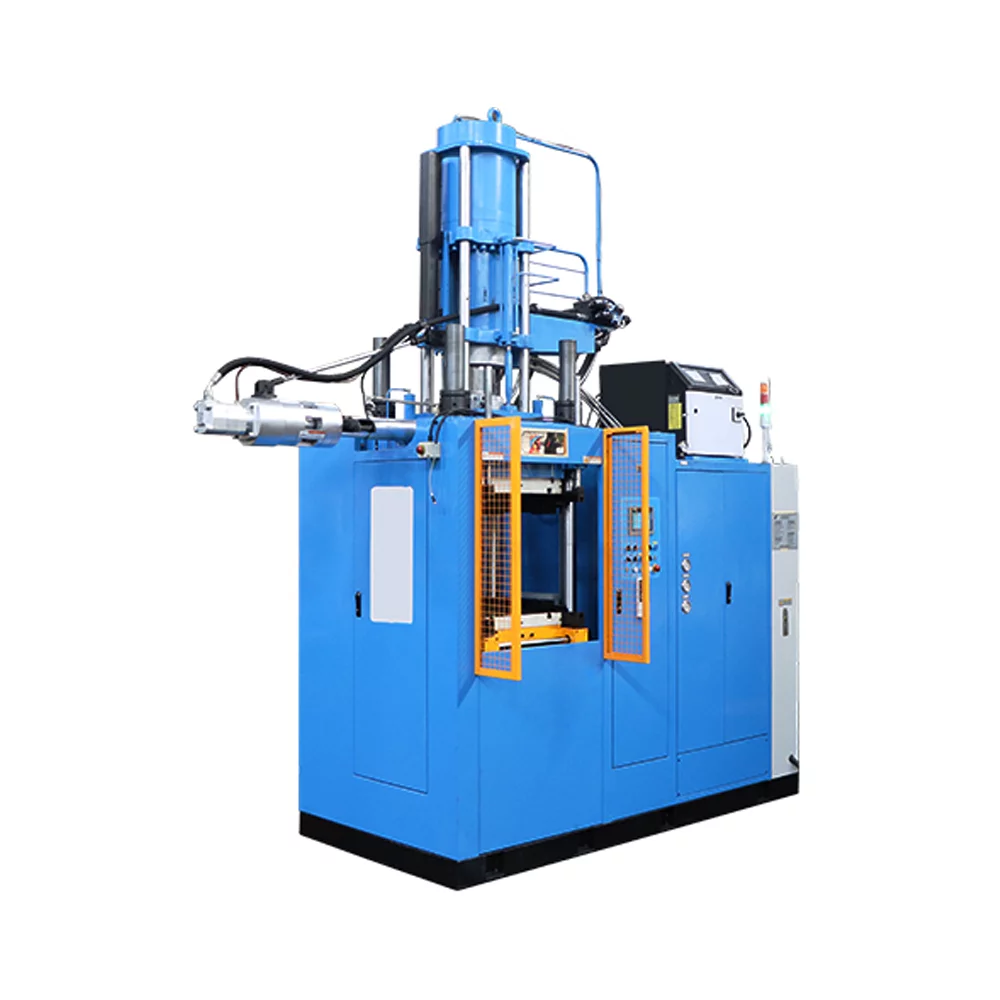
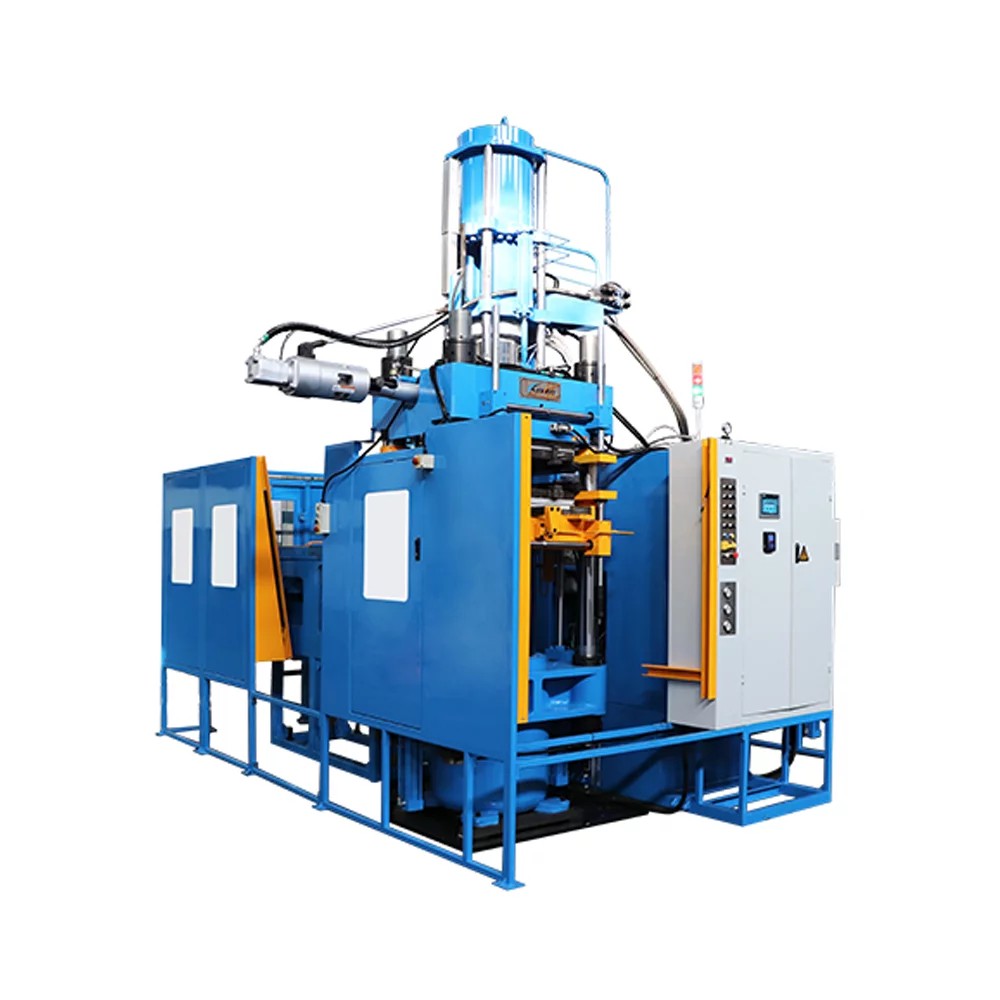
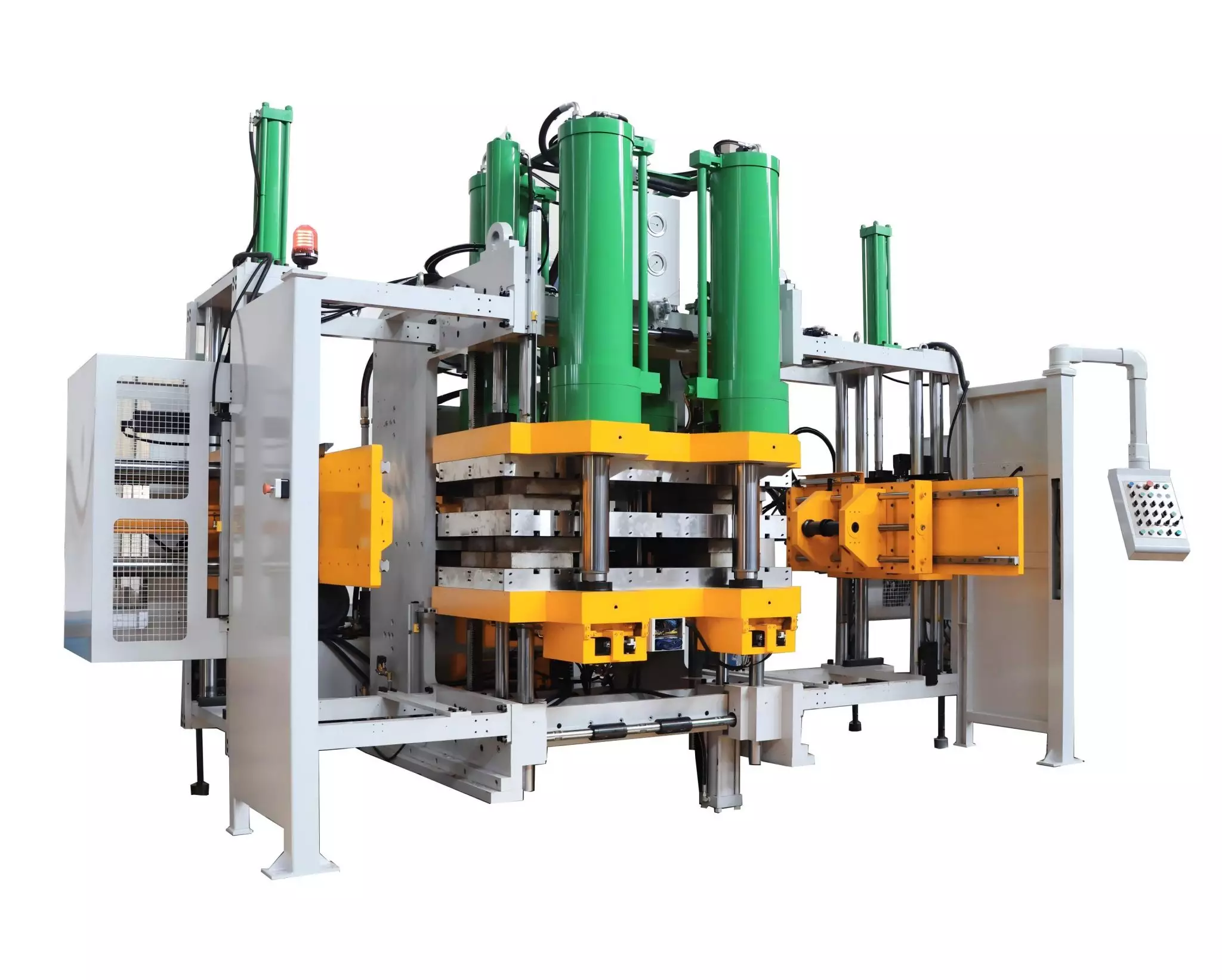
A rubber track and conveyor belt vulcanizing machine uses controlled heat and pressure to manufacture rubber conveyor belts, rubber tracks, and rubber molded products. This guide covers how the machine works, its main components, key dimensions, operating rules, and common machine comparisons. It also explains how to select the right belt vulcanizer based on product size, clamping force, mold requirements, and production efficiency.
What Is a Rubber Track and Conveyor Belt Vulcanizing Machine?
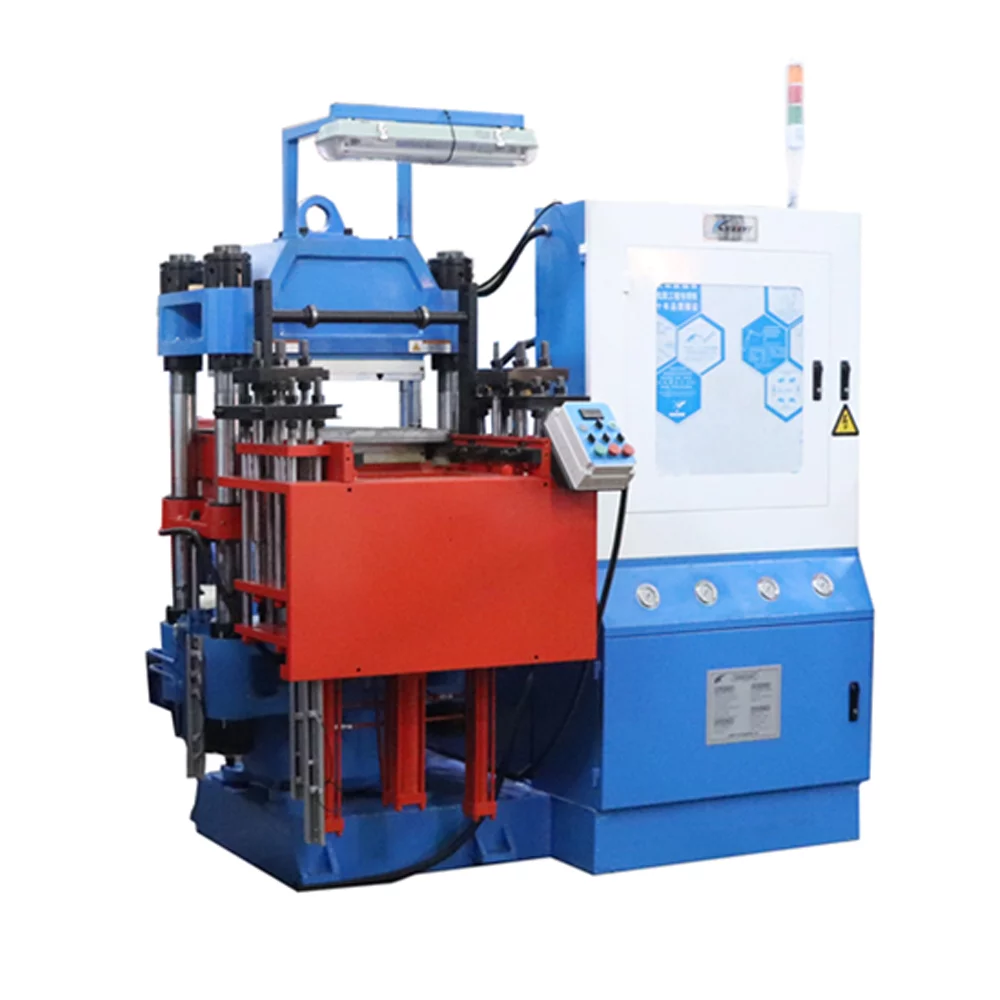
Rubber track and conveyor belt vulcanizing machine is industrial equipment that applies controlled heat and hydraulic clamping pressure to rubber compounds placed inside a mold, curing the rubber into a durable, elastic finished product through vulcanization. Structurally, it consists of an upper and lower platen that sandwich the mold — a configuration also known as a platen vulcanizing press — a hydraulic system that supplies the clamping force, and built-in heating elements that maintain curing temperature.
Typical Applications of Rubber Track and Belt Vulcanizing Machines
Because of this heat-and-pressure structure, rubber track and conveyor belt vulcanizing machines are used across several core areas of rubber manufacturing:
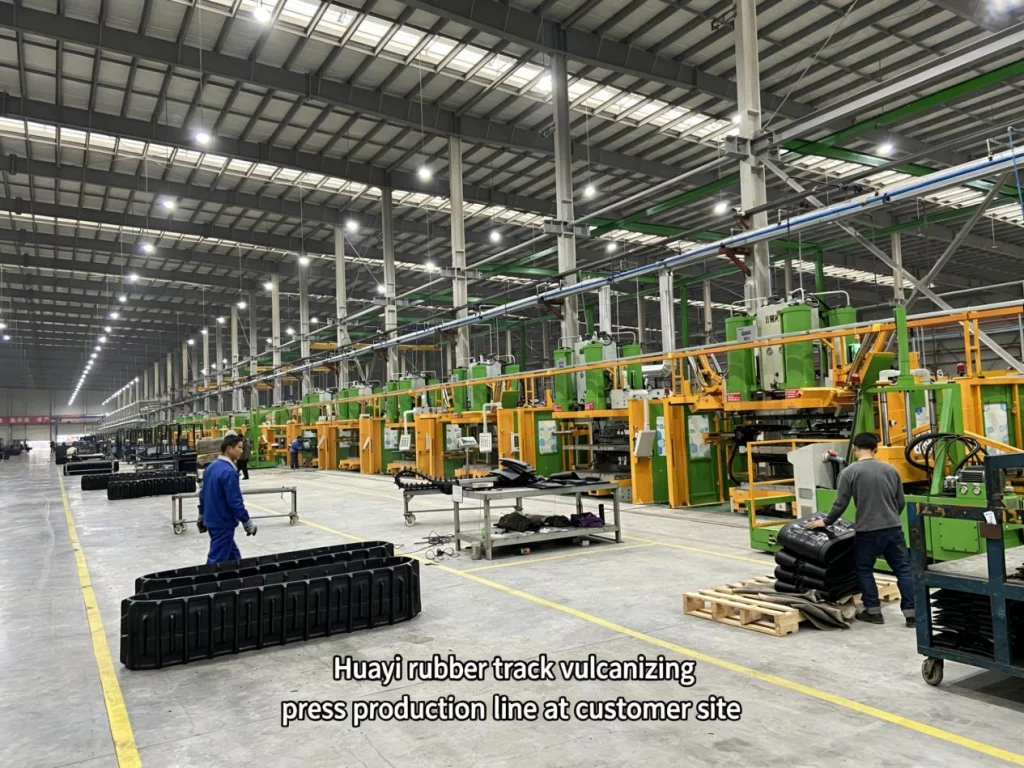
- Rubber trackproduction: continuous tracks for excavators, harvesters, skid-steer loaders, and other tracked equipment.
- Rubber conveyor belt manufacturing: belt splicing and production for mining, ports, and industrial plants.
The same platen technology can also be extended to other rubber molded products more broadly across the industry. So how exactly is a rubber track or belt produced with this machine?
How Does a Rubber Track and Conveyor Belt Vulcanizing Machine Work?
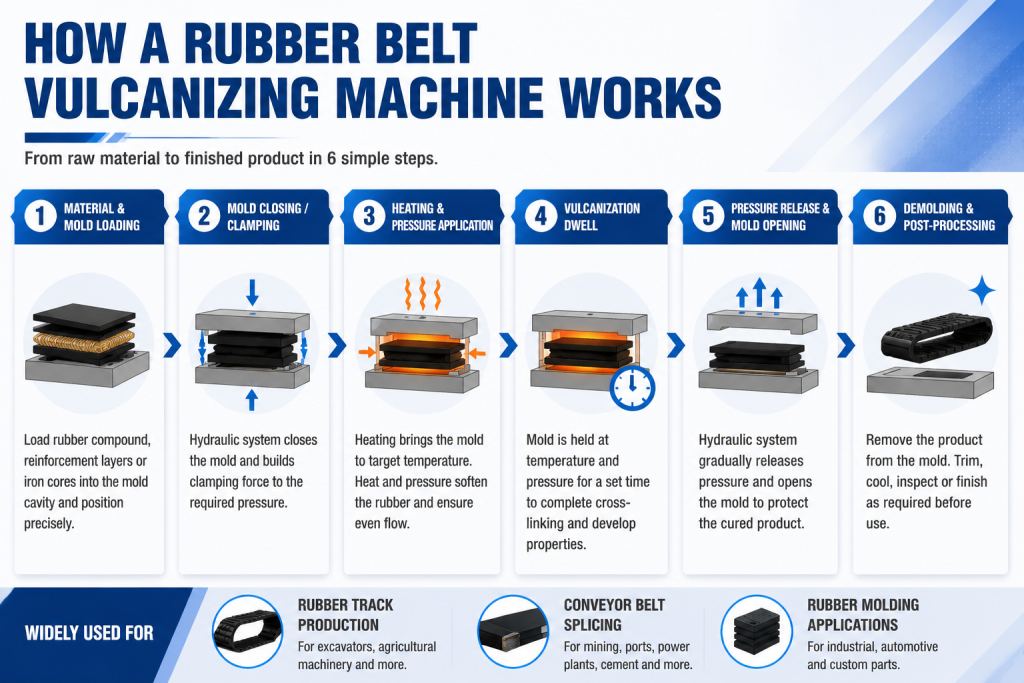
A rubber belt vulcanizing machine turns raw rubber into a finished product through six core steps, from loading the material to demolding the cured part. Here’s how each stage works.
Step 1 — Material & Mold Loading
The process begins with loading the raw or pre-formed rubber compound, along with any reinforcement layers or iron cores, into the mold cavity. For rubber track production, this typically means positioning the wound iron core and rubber layers precisely before the platens close. For conveyor belt splicing, the prepared belt ends are aligned and layered with uncured rubber at the joint.
Step 2 — Mold Closing / Clamping
Once loading is complete, the hydraulic system drives the movable platen upward (or downward, depending on machine orientation) to close the mold. Clamping force builds progressively until it reaches the pressure required to hold the mold shut against the internal pressure generated during curing.
Step 3 — Heating & Pressure Application
With the mold fully closed, heating elements built into the platens bring the mold to the target vulcanization temperature. Heat and clamping pressure are applied simultaneously, softening the rubber compound so it flows evenly through the mold cavity and around any reinforcement materials.
Step 4 — Vulcanization Dwell
The mold is held at temperature and pressure for a set dwell time, allowing the rubber’s cross-linking reaction to complete. This stage determines the final mechanical properties of the product, so the time, temperature, and pressure must be tightly controlled and consistent from cycle to cycle.
Step 5 — Pressure Release & Mold Opening
Once curing is complete, the hydraulic system gradually releases clamping pressure and opens the mold. Controlled, gradual release helps prevent deformation or surface defects on the newly cured product.
Step 6 — Demolding & Post-Processing
The finished rubber track, spliced belt, or molded part is removed from the mold. Depending on the product, post-processing may include trimming excess rubber (flash), cooling, dimensional inspection, or additional finishing steps before the product is ready for use.
Key Components and Specifications of a Rubber Track and Conveyor Belt Vulcanizing Machine
Before comparing machines or deciding which rubber track and conveyor belt vulcanizer fits your production line, it helps to understand what’s actually inside the equipment — and which numbers on a spec sheet matter most.
Key Components Rubber Track and Belt Vulcanizing Machines
- Top Platen: the fixed upper plate that houses heating elements and forms the top surface of the mold cavity during clamping.
- Mobile Platen / Moving Part: the lower platen that travels upward (or the moving assembly that travels downward, depending on machine design) to close the mold under hydraulic force.
- Hydraulic Clamping System:the pump, cylinders, and valves that generate and maintain clamping pressure throughout the vulcanization dwell.
- Mold: the shaped cavity, specific to the product being produced, that determines the final geometry of the rubber track, belt joint, or molded part.
- Control System: the interface and software that manage temperature, pressure, and timing across the cycle— in more advanced setups, this becomes arubber belt track vulcanizing press with smart control system that logs production data for quality tracking.
Specifications Rubber Track and Belt Vulcanizing Machines
- Clamping Force: the total pressure the machine can apply, usually the single most important spec for matching machine capability to product size and rubber thickness.
- Top Platen / Mobile Part Dimensions:the physical size of the platens, which sets the upper limit on how large a mold (and therefore how large a product) the machine can accommodate.
- Space of Platen: the maximum daylight opening between platens when fully retracted, which determines whether thicker molds or bulkier products can be loaded into the machine at all.
- Mold Close Stroke:the distance the moving platen travels to fully close the mold, which affects both loading clearance and cycle time.
- Mold Thickness:the thinnest mold the machine can properly clamp and heat, important for smaller or thinner products.
- Width of Track:the widest rubber track the machine can produce, a direct constraint for track manufacturers.
- Range of Track: the range of track lengths the machine can accommodate within a single mold setup, which determines how many different product sizes one machine can cover without retooling.
- System Pressure: the working pressure of the hydraulic system, which underpins the clamping force the machine can generate and sustain.
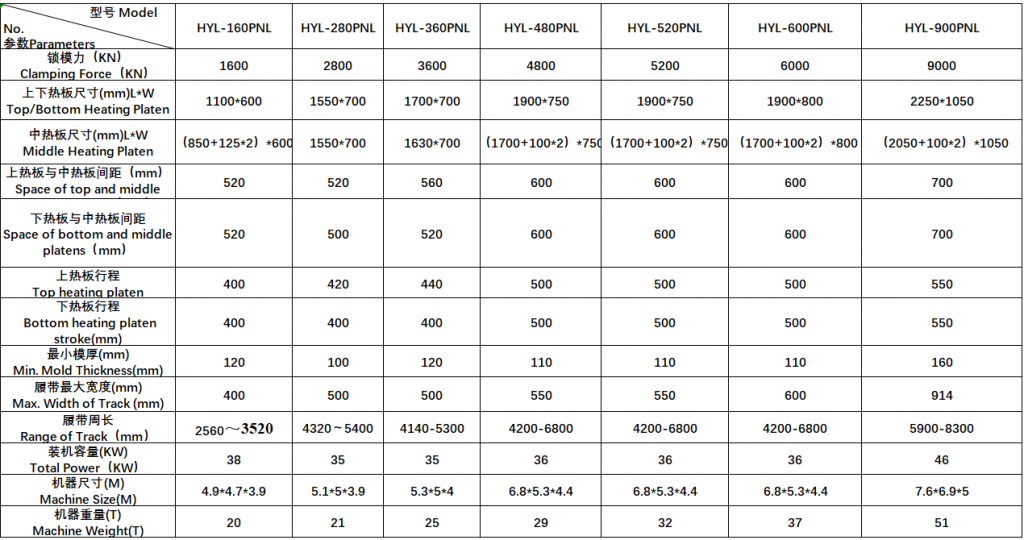
The table below shows the actual specifications of Hwayi’s rubber track and conveyor belt vulcanizing press, giving you a real-world reference for
how these numbers translate into machine capability.
How to Select the Right Rubber Track and Conveyor Belt Vulcanizing Machine
Knowing what each specification means is only half the job — the real value comes from applying those numbers to your actual production needs. This section covers how to select the right belt vulcanizing machine and how to operate it safely once it’s on the floor.
Matching Rubber Track or Conveyor Belt Width/Length and Clamping Force to Product Specs
The vulcanizing machine’s working surface must fully accommodate the width of the conveyor belt — a machine that’s too small results in incomplete vulcanization at the joints and potential belt failure, so it’s important to leave sufficient edge clearance on each side for proper alignment and even heating.
Clamping force (tonnage) matters just as much: add a 10–30% safety margin to the theoretical pressure value to protect equipment longevity[1], and expect complex structures, uneven thickness, or multi-cavity molds to require noticeably higher tonnage for uniform pressure distribution.
Matching Mold Close Stroke & Cycle Time to Production Efficiency Needs
Mold close stroke affects how much clearance you have for loading thicker molds or bulkier products, but it also has a direct relationship with cycle time — a longer stroke generally means more time spent closing and opening the mold each cycle.
If your production schedule depends on high daily output, look closely at how stroke length, heating speed, and dwell time add up across a full cycle, not just at the clamping force number. Two machines with identical clamping force can still have very different production efficiency depending on how their stroke and heating systems are engineered.
How to Operate a Rubber Track and Conveyor Belt Vulcanizing Machine Safely
Before starting any production run, a few checks go a long way toward avoiding downtime and safety incidents:
- Hydraulic oil level: confirm the reservoir is at the correct level and free of contamination, since low or dirty oil can cause inconsistent clamping pressure.
- Mold cleanliness:clear any residual rubber, flash, or debris from the mold surface before loading; leftover material can affect product quality and mold alignment.
- Clamping zone clearance: make sure no tools, materials, or body parts are within the clamping zone before closing the platens, and confirm safety guards or interlocks are functioning.
Getting the selection criteria and pre-operation checks right sets the foundation for reliable production.
3 Common Confusions & Comparisons You Must Know
Because several rubber processing machines rely on heat and pressure, they’re often confused with one another. Here’s how a belt vulcanizing press differs from three commonly mixed-up alternatives.
Rubber Track and Conveyor Belt Vulcanizing Machine vs. Injection Molding Machine
A belt vulcanizing press cures rubber that’s already placed in an open mold using flat-platen clamping and heat. An injection molding machine, by contrast, injects heated, plasticized material directly into a closed mold cavity under high injection pressure. Injection molding suits complex, high-precision parts produced at speed; belt vulcanizing presses suit large, flat, or continuous products like tracks and conveyor belts where the material is loaded rather than injected.
Rubber Track and Conveyor Belt /Platen Press vs. Vacuum Vulcanizing Machine
A standard platen press relies purely on mechanical clamping force to hold the mold shut during curing. A vacuum vulcanizing machine adds a vacuum stage that removes trapped air from the mold cavity before or during pressing, reducing bubbles and voids in the finished part. Vacuum systems are typically reserved for products where trapped air is a bigger risk — thicker sections or intricate mold geometries — while flat products like tracks and belts are less prone to this issue.
Rubber Track and Conveyor Belt /Platen Press vs. Transfer Injection Vulcanizing Machine
A transfer injection vulcanizing machine sits between the two: rubber is preheated in a separate chamber, then transferred and injected into a closed mold under pressure, combining some of injection molding’s precision with rubber’s curing requirements. Belt/platen presses skip this transfer step entirely, making them simpler and better suited to large-format, lower-complexity products than to precision transfer-molded parts.
Recommended Machine: Hwayi Rubber Track and Conveyor Belt Vulcanizer
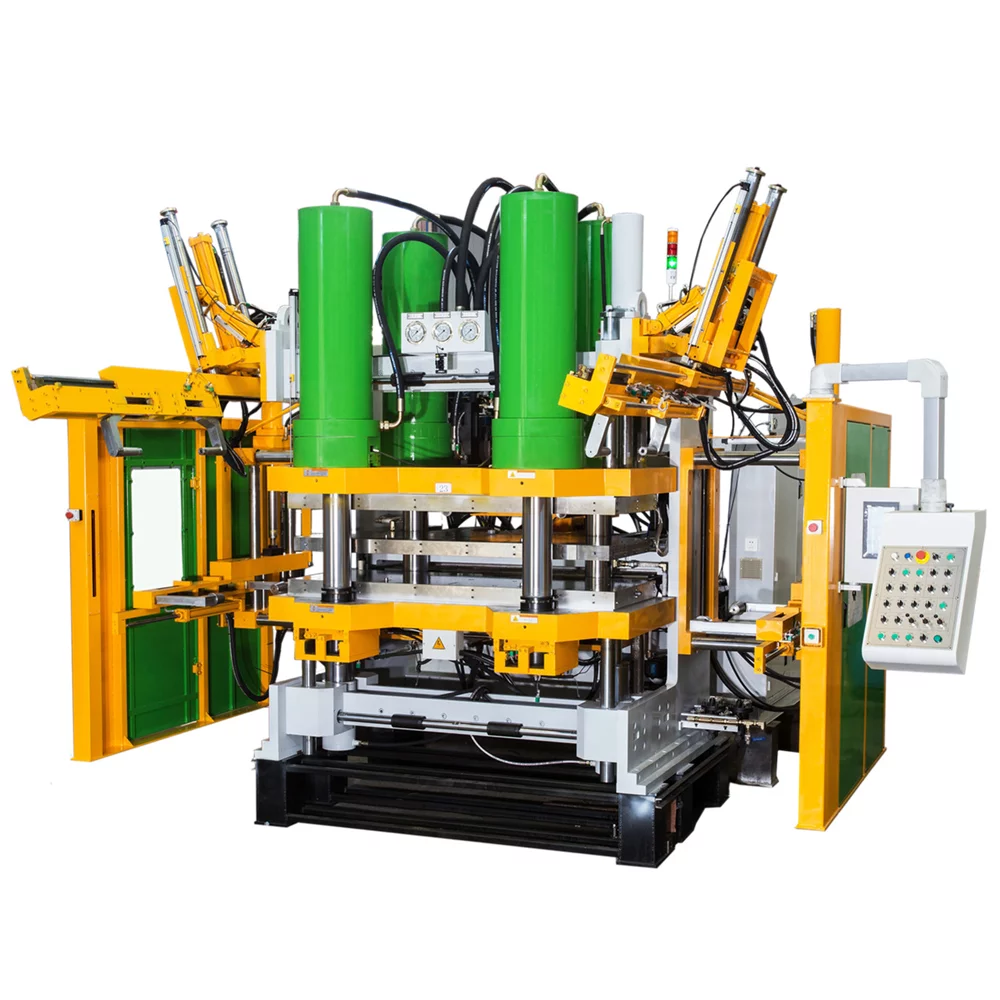
If you’re evaluating equipment for rubber track production, Hwayi’s rubber belt track vulcanizing press is worth a close look — built by a trusted rubber belt track vulcanizing press manufacturer with years of hands-on production experience. Designed specifically as a rubber track belt vulcanizing press machine, this press brings together automation, energy efficiency, and precision control in a single production-ready package.
- High automation: As an automatic rubber belt track vulcanizing press, this machine automatically loads rubber material, tensions the steel belt, and semi-automatically removes finished tracks.
- Flexible installation: Atelescopic clamping design lowers the required operating height for easier setup.
- Energy-saving:The hydraulic pump automatically adjusts energy consumption during curing while maintaining stable clamping force, making this an energy-saving hydraulic vulcanizing press built for long production runs.
- Precise hydraulic control:Pump flow adjusts from 0% to 100% across operating stages for accurate process control.
- Longer product life: Optimized clamping and tensioning interaction improves belt track service life by up to 50%.
- Smart quality control: AB&R control system enables automatic data adjustment, storage, and real-time monitoring.
Whether you’re searching for a rubber track vulcanizing press factory or reliable rubber track vulcanizing press wholesalers, Hwayi delivers on both.
Conclusion
A rubber belt vulcanizing machine combines heat, pressure, and precise control to produce durable rubber tracks and conveyor belt joints. Choosing the right one comes down to matching clamping force, platen size, and cycle time to your product specs. For manufacturers ready to upgrade, Hwayi’s Rubber Track Vulcanizing Press offers automation, energy efficiency, and reliable quality control.
Ready to upgrade your rubber track or conveyor belt production line?
- Get a Free Quote— Tell us your product specs and get a tailored machine recommendation within 24 hours.
- View Our Full Product Range— Explore other Hwayi vulcanizing presses and rubber processing equipment.
References
- https://www.laibei-tec.com/blog/how-to-choose-a-hydraulic-vulcanizing-press-with-appropriate-tonnage