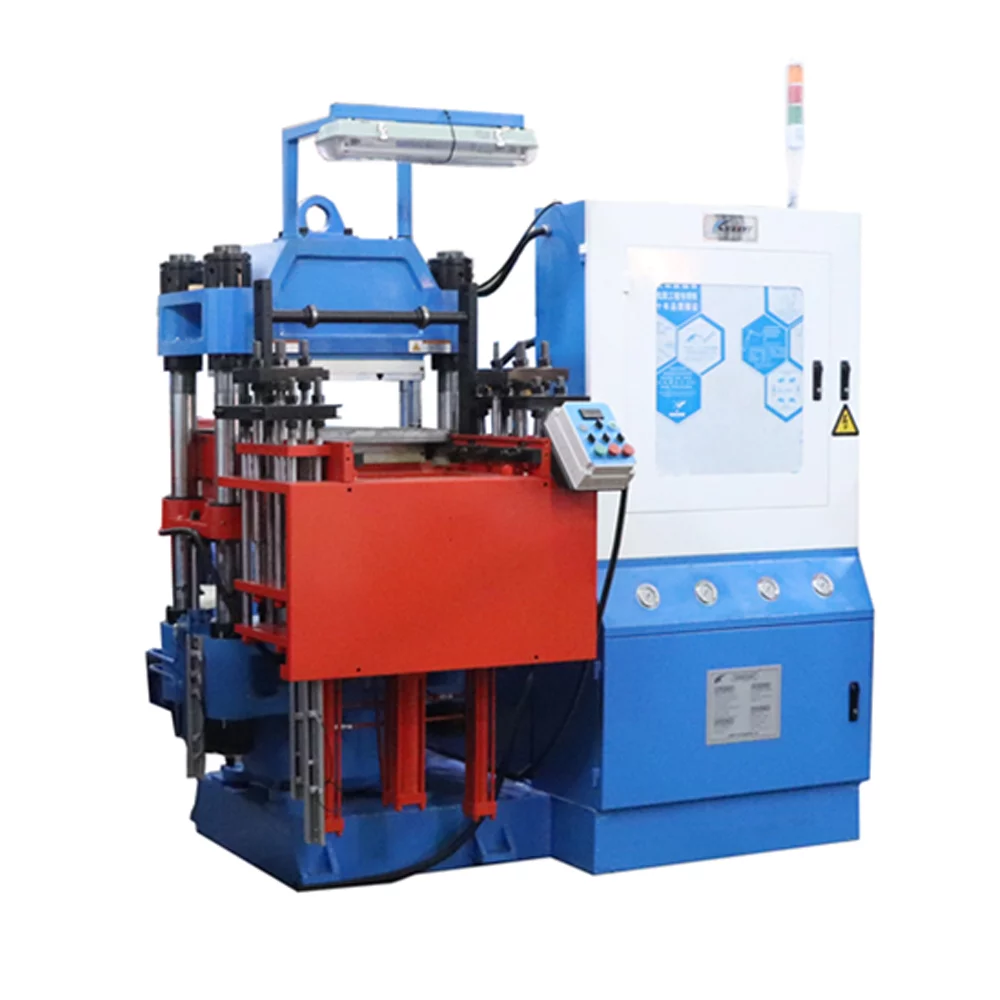
Optimizing structural cross-linking inside a polymer matrix is a highly precise science that requires a coordinated application of heat, time, and pressure. Industrial facilities rely heavily on these integrated physical parameters to transform raw rubber compounds into stable, resilient industrial parts. Choosing an engineered rubber vulcanizing machine ensures that manufacturing plants can eliminate unpredictable structural shifting and secure highly repeatable material properties.
Traditional processing methods often face challenges with inconsistent thermal transfer or minor platen tilting under intense clamping loads, leading to dimensional defects. Modern machinery addresses these physical hurdles by combining heavy-duty physical frames with highly responsive, closed-loop control networks. This systematic approach preserves expensive custom tooling while maintaining a steady, efficient processing rhythm throughout continuous operations.
At HWAYI, our mechanical design methodology focuses on isolating these structural challenges to build predictable performance into heavy manufacturing workflows. By integrating smart thermal monitoring with rigid structural chassis, we help our partners protect their high-tonnage tooling investments.
Mechanical Clamping Uniformity and Hydraulic Pressure Controls
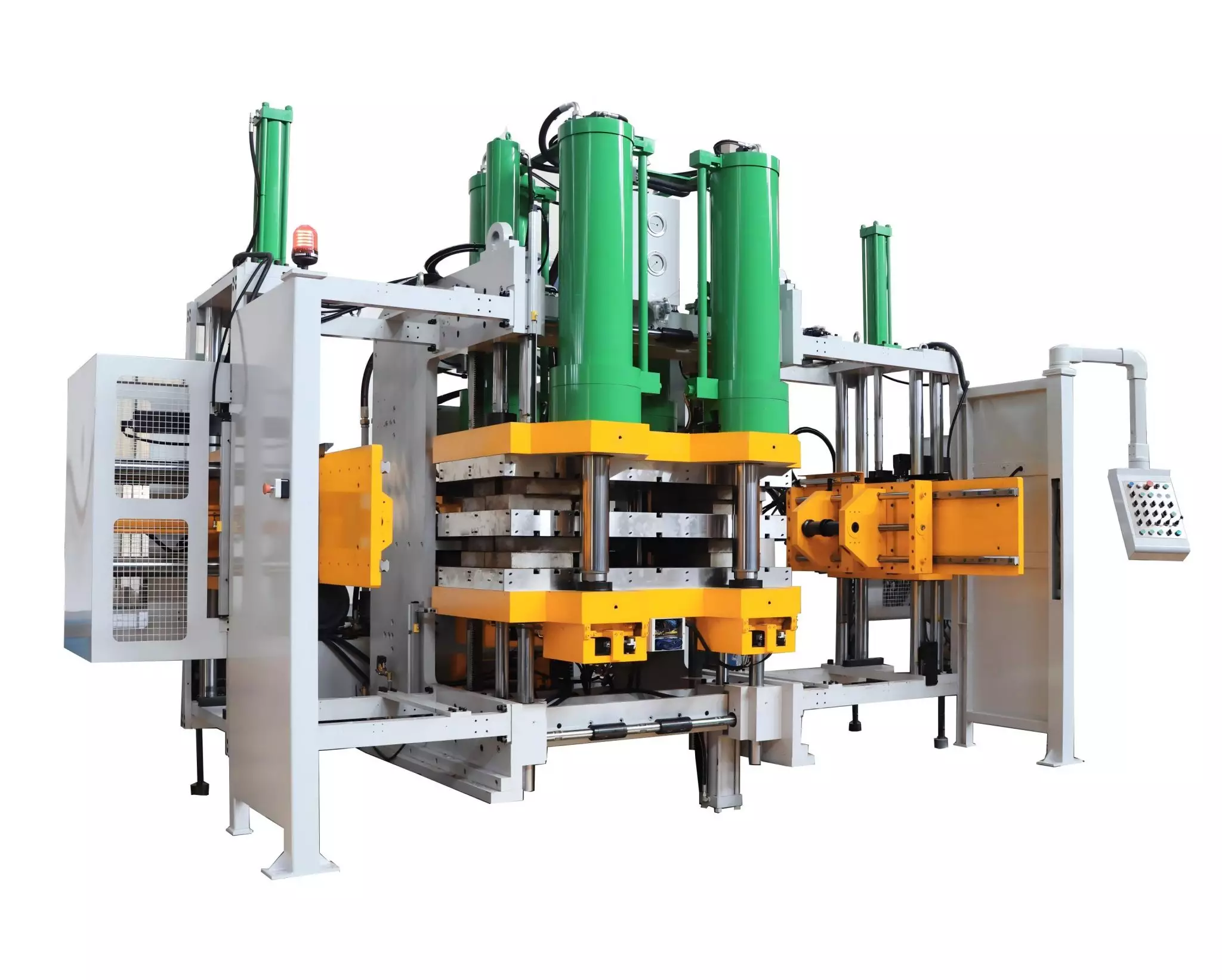
Maintaining immense compression forces perfectly perpendicular across a large tool face is critical for preventing material leakage during the curing phase. If the main hydraulic cylinders experience internal pressure drops, the mold halves can separate slightly under the expansion force of the heating compound.
Digital proportional valves counteract this risk by regulating hydraulic oil flow dynamically to cushion platen contact and hold steady tonnage. This active regulation protects sensitive mold parting lines from harsh mechanical impacts, significantly extending the service life of precision tool steel.
Partnering with an experienced rubber vulcanizing machine supplier ensures that these advanced fluid power architectures are engineered directly into the machine frame from day one. This foundational stability prevents physical frame deflection under full hydraulic loading, keeping the tool faces perfectly parallel over decades of continuous use.
Thermal Uniformity Across Independent Closed Loop Platen Networks
Temperature plays a decisive role in vulcanization, as the cross-linking reaction proceeds only under tightly controlled thermal conditions across the entire platen face. When cold spots appear on the tooling surfaces, they create localized under-cured regions within the product, which in turn undermine the material’s long-term service life and structural integrity.
This problem is effectively managed by deploying intelligent heating networks that segment the main platen into separate, independently regulated zones, each equipped with its own closed-loop monitoring system. At the first sign of thermal fluctuation—often caused by external air currents in the shop environment—the onboard controllers instantly modulate power input to restore and hold the setpoint temperature with high precision.
Our approach further incorporates heavy-duty composite insulation barriers that surround the heating sources, substantially curtailing radiative losses and driving down net energy consumption. As a result, the system achieves both reduced operating costs and sustained process stability, ensuring that curing uniformity and cross-link density remain reliably high across even the longest production schedules.
Deciding Between Compression Molding and Automated Injection
Selecting the correct molding technique is a primary step in optimizing throughput and maintaining strict control over component manufacturing costs. The physical behavior of the compound, the shape of the mold, and the volume of the production run dictate the ideal mechanical approach.
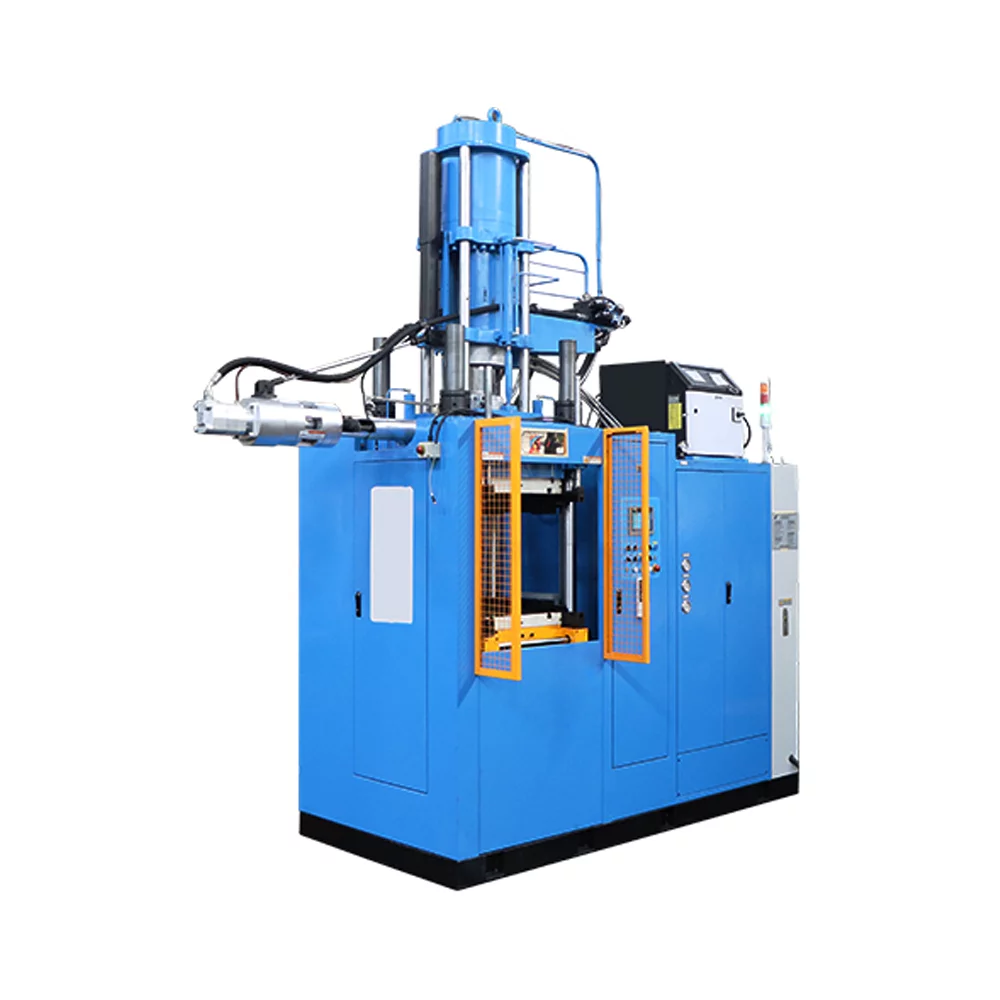
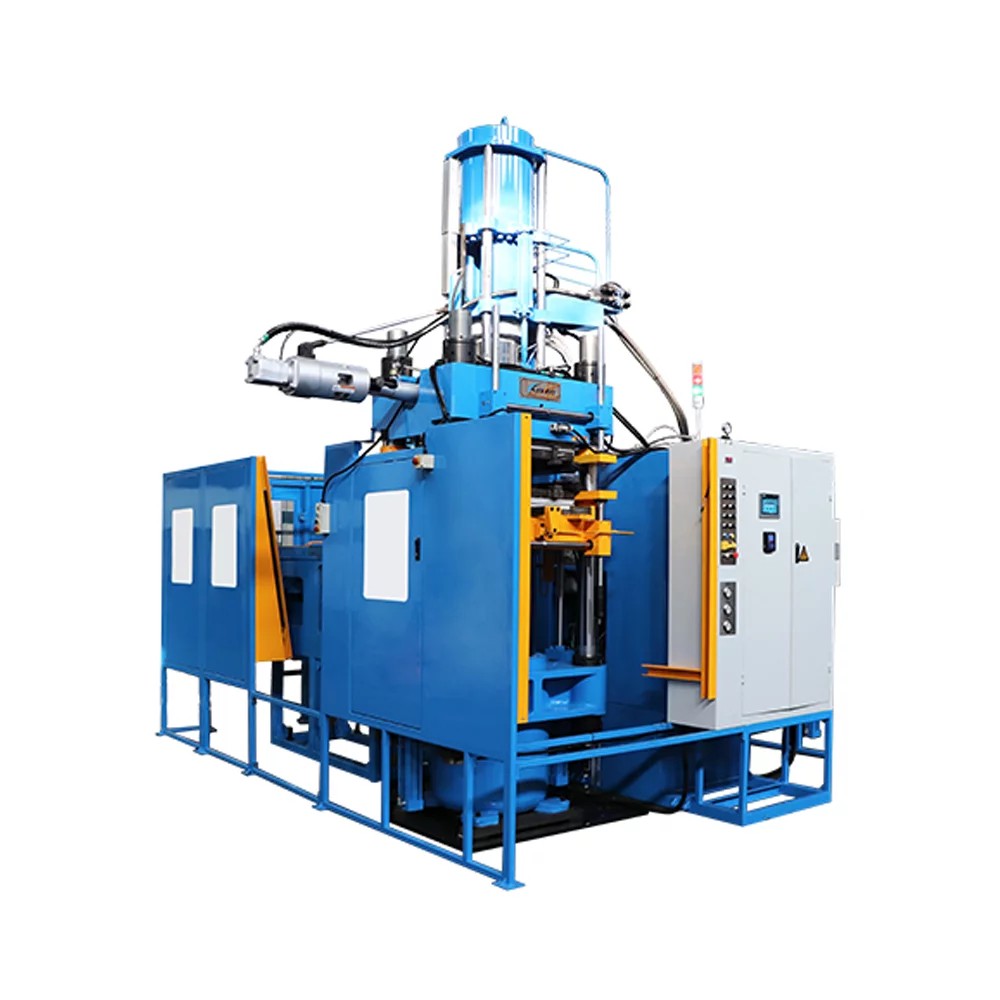
A rubber vulcanizing press mainly uses compression molding, while a rubber injection molding machine injects rubber material into molds automatically for faster production. Understanding this core operational distinction allows factory planners to select the machinery that best matches their cycle-time targets.
We analyze these distinct processing variations closely when engineering custom fluid power hardware setups for industrial operations. Matching the injection trajectory to the physical tool configuration ensures a highly reliable and stable filling sequence.
Custom Component Engineering and Broad Production Capabilities
Industrial operations demand high versatility from their manufacturing cells to process diverse elastomeric formulations and complex part geometries. Standard machinery setups must adapt quickly to handle everything from thin, delicate membranes to dense, heavy-duty industrial components.
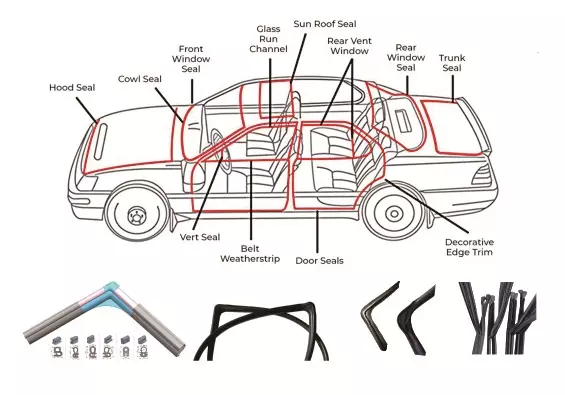
Our rubber vulcanizing equipment can produce seals, gaskets, rubber sheets, silicone products, rubber tracks, industrial rollers, and automotive rubber parts. Having this extensive manufacturing capability allows industrial facilities to expand their product offerings without investing in entirely separate machine beds.
Our design group leverages these versatile platen configurations to give processing plants the freedom to adapt their operations swiftly. This flexibility ensures that plants can transition between different product lines while maintaining extreme dimensional consistency.
Technical Guidance Systems for Tailored Process Optimization
Selecting the correct system configuration from a global rubber vulcanizing machine supplier requires a thorough assessment of several operational variables. Sourcing equipment without analyzing material behaviors or mold layouts can lead to processing inefficiencies, excess scrap, or premature tool wear.
Machine selection depends on product size, mold structure, material type, and production capacity. Our engineers can recommend suitable solutions based on your requirements to ensure the selected hardware aligns perfectly with your physical floor space.
At HWAYI, we focus on providing these data-driven technical evaluations to help our partners make informed capital equipment investments. We ensure every configured system integrates seamlessly into existing plant layouts while supporting future production scalability.
Integrated Vacuum Venting and Eliminating Pocketed Air Risks
Because dense rubber compounds flow rapidly under high clamping pressures, they can easily trap atmospheric gases ahead of the advancing material front. Trapped air inside a tool cavity causes surface pitting, structural voids, and burning defects due to the diesel effect under compression.
Automated vacuum sequences evacuate the sealed mold chamber completely a few seconds before the primary injection valve opens. This automated gas extraction allows the compound to merge seamlessly, ensuring complete part uniformity and excellent mechanical strength.
Eliminating the need for manual bumping or venting steps speeds up production capacity while dropping component rejection rates on the floor. Our technical team integrates these vacuum control loops directly into the primary software system for automated cycle execution.
Conclusion
Optimizing industrial vulcanization efficiency requires a systematic combination of rigid structural frames, precise thermal balancing, and highly responsive fluid power systems. Eliminating pressure variations and maintaining uniform platen heat directly prevents material scorch, short shots, and dimensional defects. Sourcing equipment from a dedicated team that prioritizes these precise thermodynamic and hydraulic controls allows facilities to protect their tooling assets while maximizing material yield.