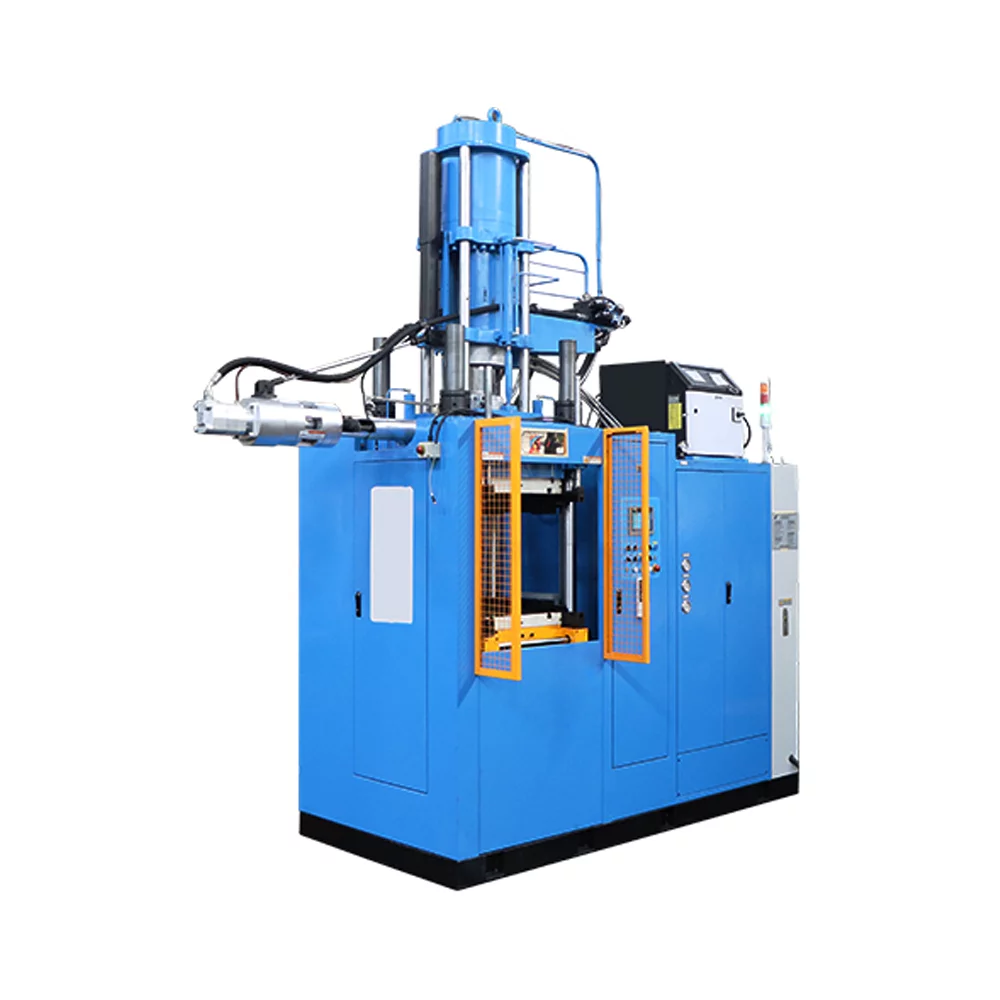
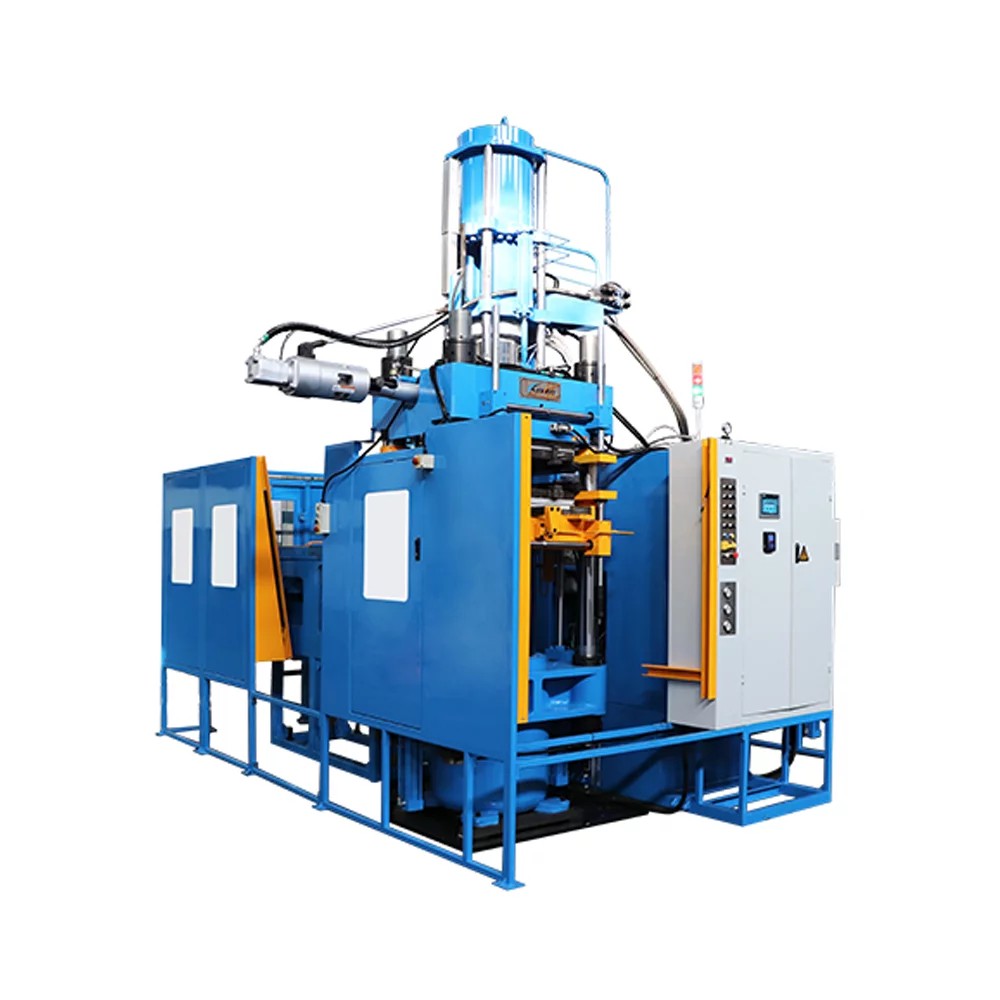
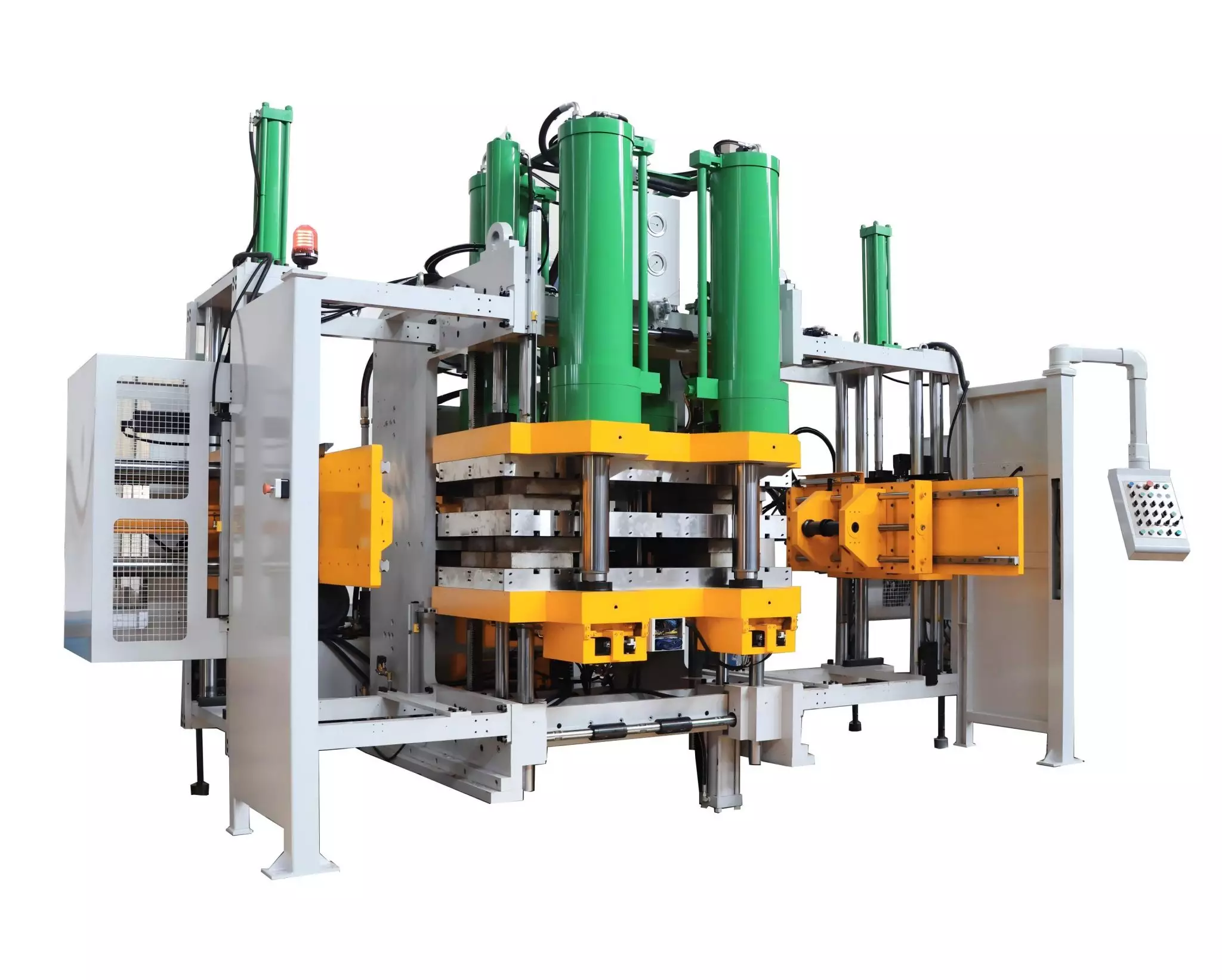
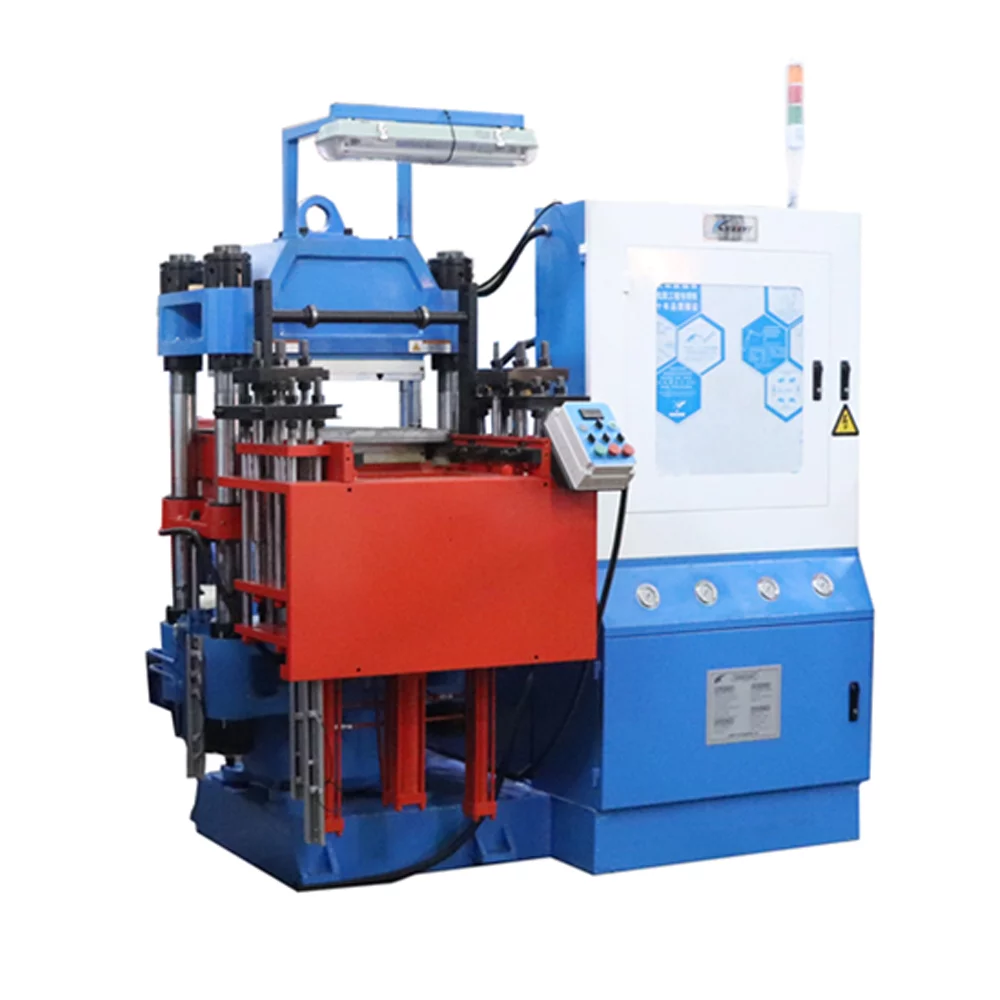
Ensuring a secure operational environment while handling complex elastomeric parts requires a multi-layered approach to industrial machine design. Open-architecture equipment, frequently utilized for bonding continuous extruded profiles, introduces distinct interaction points where operators work close to moving platens. Integrating robust, responsive safety mechanisms into a modern C frame rubber injection molding machine prevents accidents without hindering overall factory output.
Industrial facilities must balance the need for rapid tool access with uncompromising risk mitigation strategies to protect floor staff. Analyzing how dual-channel control loops, light curtains, and mechanical locks interact provides valuable insight into creating a zero-harm environment. A properly engineered molding cell isolates hazards dynamically, guaranteeing that safety remains a core part of the daily production sequence.
At HWAYI, our engineering teams prioritize operator well-being alongside fluid-power performance during the initial blueprint phase. By embedding smart sensor networks directly into our heavy clamping units, we help manufacturing facilities lower their workplace risk profiles.
Redundant Emergency Interruption and Safety Relay Circuits
Failsafe electrical architectures form the fundamental backbone of risk mitigation for high-pressure industrial molding equipment. Modern systems utilize cross-monitored, dual-channel emergency stop buttons that isolate power instantly if a component failure occurs.
These circuits operate independently from the main programmable logic controller to prevent software lockups from delaying a critical shutdown. Emergency stop stations are placed strategically around the physical frame to ensure immediate accessibility from any working angle.
Optical Light Curtains and Presence Sensing Barriers
Open operational designs require advanced non-contact optical detection systems to establish a protective envelope around the active platen area. Multi-beam infrared light curtains project an invisible sensing field across the entire loading zone of the machinery.
Interrupted light paths instantly transmit high-priority stop commands directly to the main proportional hydraulic valves, arresting downward movement. This rapid response is crucial for preventing hand injuries during delicate component alignment or tool cleaning tasks.
Intelligent blanking programs allow automated part handling systems to pass through the light array safely while keeping human operators protected. This precise control maintains a smooth manufacturing pace without sacrificing the safety of the workspace.
Ergonomic Open Configurations and Structural Layouts
The physical geometry of a molding press significantly influences how safely and efficiently an operator can interact with the tooling. Traditional closed-post presses restrict peripheral vision and limit physical access, forcing operators into awkward bending postures during long shifts.
An open, unobstructed framework minimizes these physical restrictions, giving floor workers a clear view and comfortable access to the mold cavity. This ergonomic improvement reduces physical fatigue, which directly lowers the likelihood of operational mistakes on the factory floor.
Leveraging a specialized C frame press layout provides an optimized layout that naturally accommodates long, continuous profile lengths. This open-post architecture allows manufacturing crews to position raw materials quickly and safely without straining over heavy structural columns.
Low-Pressure Mold Protection Logic and Anti-Crush Controls
Applying high clamping forces onto an incorrectly seated profile or a misplaced tool can cause severe mechanical fracturing. Modern control software counteracts this risk by monitoring the clamp closing cycle using highly precise low-pressure parameters.
The platen descends rapidly through the open space but drops to a highly sensitive monitoring speed right before closing. If the system encounters minor resistance during this window, the clamping motion stops instantly and reverses to prevent damage.
High hydraulic pressure only engages after the linear sensors confirm that the mold halves are aligned and closed. This protective sequence safeguards both the physical operator and the expensive custom tooling from unexpected clamping accidents.
Dual Palm Button Activation and Two-Hand Control Systems
Ensuring that an operator’s hands are completely clear of the moving platen during closure requires reliable physical control measures. Two-hand control systems force the worker to press two separated buttons simultaneously to initiate the clamp movement.
These buttons are spaced far enough apart that a single worker cannot activate them using one hand or an elbow. Furthermore, built-in anti-cheat software requires both buttons to be pressed within a tiny fraction of a second of each other.
If the operator releases either button before the mold achieves full closure, the downward movement halts immediately. We integrate these ergonomic control panels to keep workers safely anchored away from the clamping zone during cycles.
Mechanical Interlocks and Drop Prevention Catch Bars
Relying solely on hydraulic pressure to hold a heavy upper platen in the open position presents a long-term safety risk. Physical safety catch bars are integrated into the frame structure to provide a solid mechanical backup against gravity.
These drop-prevention bars swing into place automatically whenever the press opens, physically blocking any unexpected downward drifting. During maintenance or prolonged mold changes, these locks ensure total safety even if a hydraulic line suffers a sudden rupture.
Electronic interlock switches monitor the position of these safety bars continuously, preventing the machine from starting if a lock is engaged. We treat these physical mechanical backups as mandatory design requirements at HWAYI to ensure multi-layered operator protection.
Specialized Sealing Systems and Window Joint Corner Molding
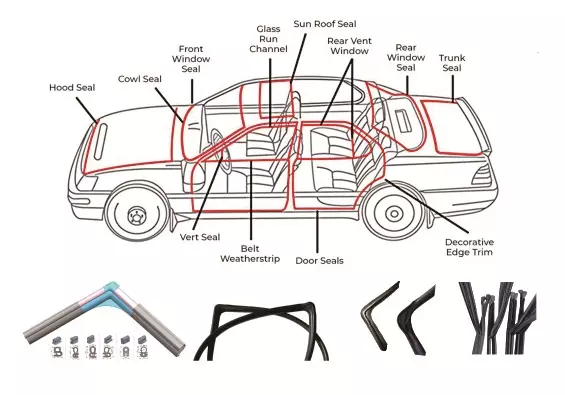
Automotive window seals and door profile corners require highly specialized manufacturing steps due to their complex geometries. Joining pre-extruded EPDM or natural rubber lengths demands continuous access so operators can fit the delicate strands into the tool without kinking.
Standard industrial presses struggle with these long profiles because their structural tie-bars block material paths and slow down production. Achieving a clean, high-precision joint requires an open machine footprint that allows seamless material manipulation from multiple sides.
To solve these processing challenges, our EPDM and NBR C Frame Injection Press Machine is tailored specifically for corner and junction molding. This dedicated HWAYI rubber machine configuration features a wide workspace that allows operators to insert sealing profiles easily, maximizing safety and efficiency.
Automated Fume Extraction and Local Ventilation Systems
The high-temperature vulcanization process often generates volatile organic compounds and irritating smoke when the mold splits open. Built-in exhaust hoods and vacuum extraction ports capture these chemical vapors directly at the tooling interface before they escape.
Automated ventilation logic spins up the extraction fans just as the curing timer ends, clearing the air before the operator steps forward. This localized air management keeps the plant environment clean and compliant with modern occupational health regulations.
By actively pulling fumes away from the operator station, facilities protect their workers from long-term respiratory strain. Our engineering team integrates these active ventilation layouts directly into our industrial machine enclosures to maintain clean manufacturing spaces.
Conclusion
Implementing robust safety systems in open-frame molding machinery is essential for maintaining high product quality and protecting operators. Combining redundant emergency circuits, advanced light curtains, low-pressure closing logic, and open C-frame ergonomics creates a secure production cell.
Selecting specialized equipment with integrated safety features allows manufacturing facilities to protect their workers while optimizing cycle times. Investing in these comprehensive safety architectures achieves long-term operational resilience, regulatory compliance, and a highly stable industrial environment.