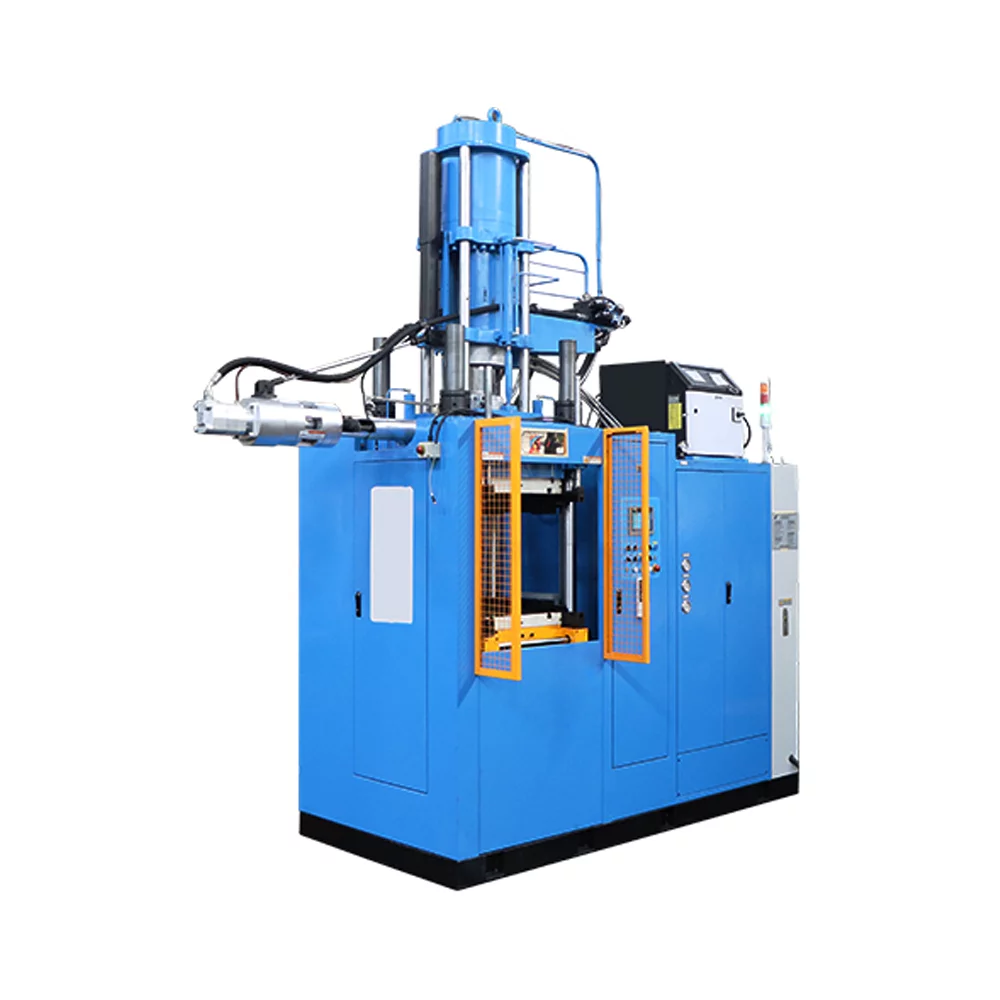
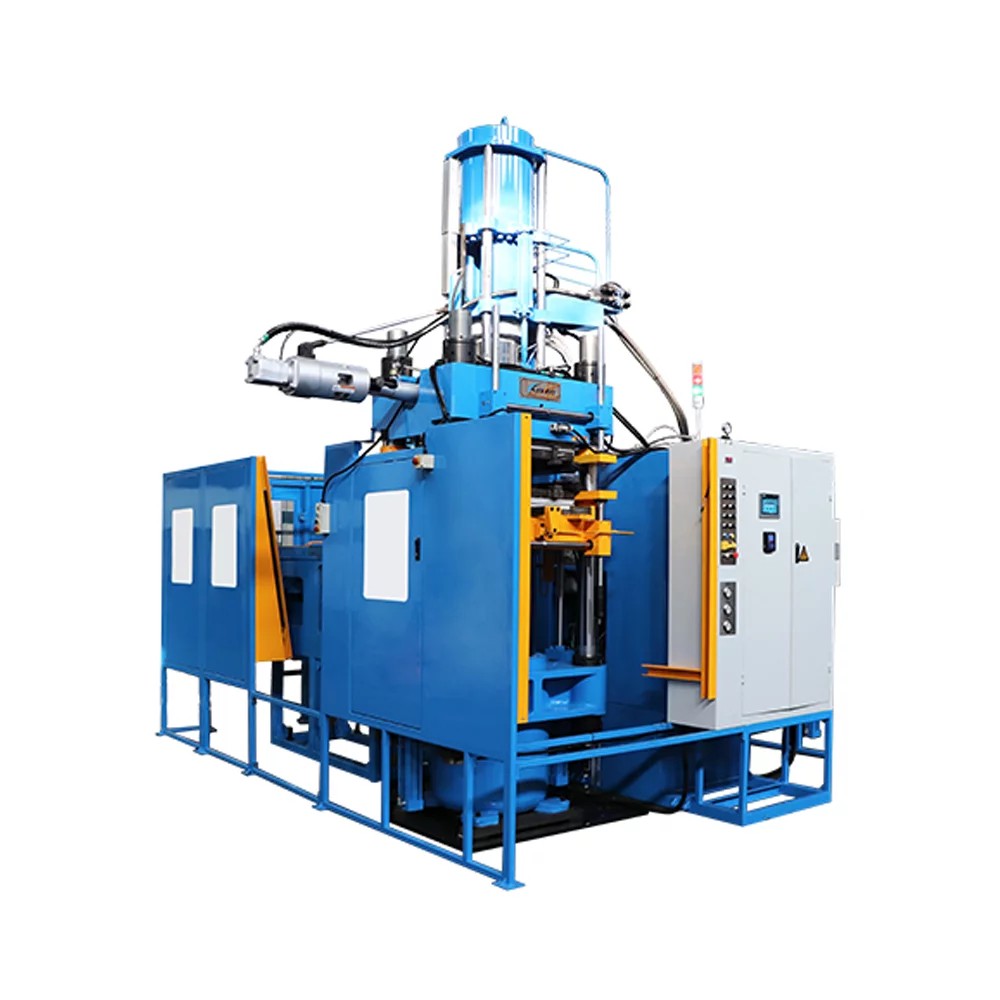
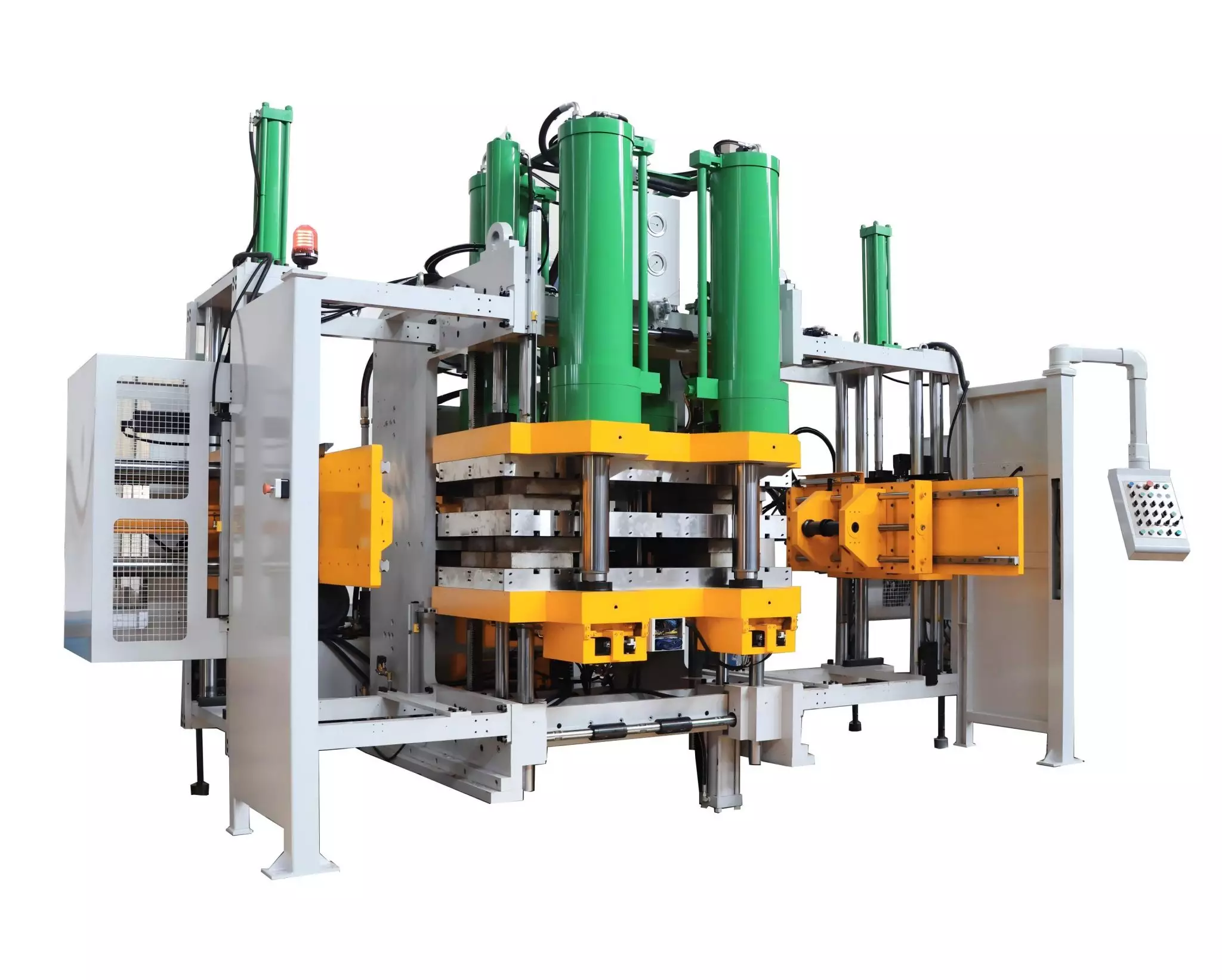
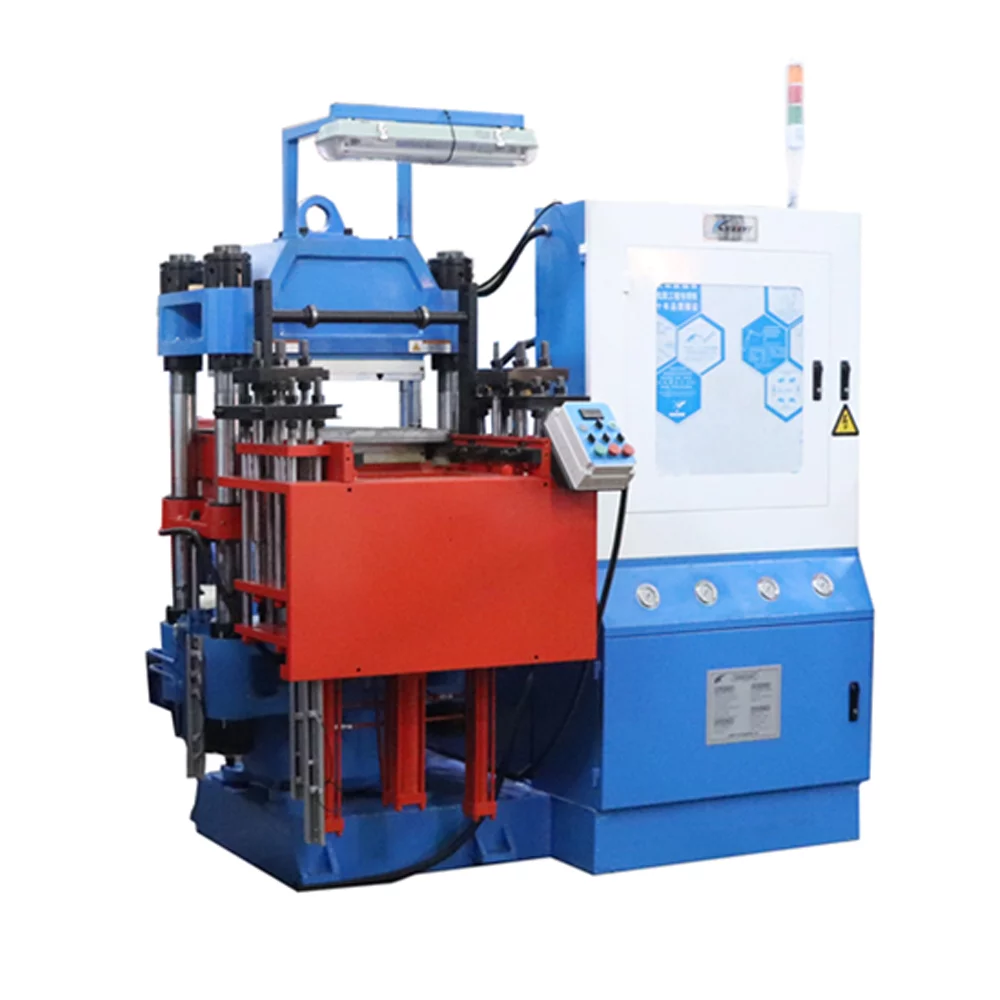
Precision manufacturing operations frequently encounter geometric bottlenecks when processing complex, continuous elastomer profiles. Traditional four-column presses limit physical access, making it challenging to handle oversized parts without bending or damaging the raw material. Utilizing a modern C frame rubber injection molding machine addresses this challenge by providing unobstructed, three-sided access to the main tool face.
This structural evolution significantly improves how operators interact with the tooling during complex sealing cycles. Minimizing the physical barriers of corner tie-bars allows production facilities to streamline part positioning and accelerate cycle setups. The resulting workflow optimization translates directly into higher component consistency and minimal material waste across demanding industrial production lines.
At HWAYI, our engineering teams focus heavily on analyzing these spatial dynamics to eliminate floor bottlenecks. By integrating open-frame architecture with high-pressure fluid power, we design systems that maximize operator efficiency while maintaining rigid mechanical alignment under full load.
Unobstructed Physical Access and Geometric Freedom
Traditional molding systems utilize heavy corner columns to distribute clamping forces evenly across the upper and lower platens. While this layout is highly rigid, it creates a physical cage around the mold cavity that restricts component size and worker movement.
An open, three-sided framework removes these mechanical boundaries, allowing continuous, extra-long profiles to extend outside the press boundaries safely. Operators can approach the tooling from the front or sides without maneuvering around heavy steel pillars.
This geometric flexibility is beneficial for manufacturing complex, multi-segmented parts that require precise manual alignment before the clamping stroke. Our design group leverages this accessible layout to improve daily part-handling efficiency on busy plant floors.
Advancements in Material Conservation and Runnerless Processing
Minimizing material waste inside the delivery channels is a primary objective for operations targeting high efficiency and low compound costs. Standard injection systems often leave thick, cured sprues and runner scrap that must be manually trimmed and discarded after every cycle.
Integrating an all-in-all-out delivery system ensures that the exact volume of plasticized rubber is transferred directly into the cavity. This design significantly reduces residual material compared with traditional runner systems.
Deploying a specialized C frame hydraulic press layout with a runnerless architecture reduces post-molding trimming labor significantly. This engineering approach protects fragile part edges while reducing total material consumption over long production runs.
Vertical Injection Flexibility and Platen Configurations
Different tool designs and profile shapes require distinct material flow vectors to fill intricate cavity corners without creating air pockets. Industrial open-frame systems solve this by offering versatile injection orientations tailored to specific component blueprints.
Configuring the injection mechanism from different positions allows engineers to optimize material flow paths and support effective mold venting. This adaptation ensures that air is pushed out smoothly ahead of the advancing material front.
We analyze these distinct processing variations closely when engineering custom fluid power hardware setups for industrial operations. Matching the injection trajectory to the physical tool configuration ensures a highly reliable and stable filling sequence.
Uniform Clamping Dynamics and Deflection Management
Maintaining strict parallelism between the upper and lower tool halves is challenging when working with a single-sided structural frame. The intense hydraulic pressure pushing against the mold can cause the throat of the press to flex slightly outward.
Advanced structural engineering counteracts this bending risk by reinforcing the main back plates with heavy, high-tensile steel weldments. This structural reinforcement makess the clamping force remain perpendicular across the entire face of the platens.
Preventing minor frame deflection is mandatory for avoiding localized flash formation and guaranteeing tight dimensional tolerances on finished parts. We construct our machine chassis to withstand continuous high-tonnage cycling without suffering structural fatigue.
Specialized Sealing Strip Junction and Corner Molding
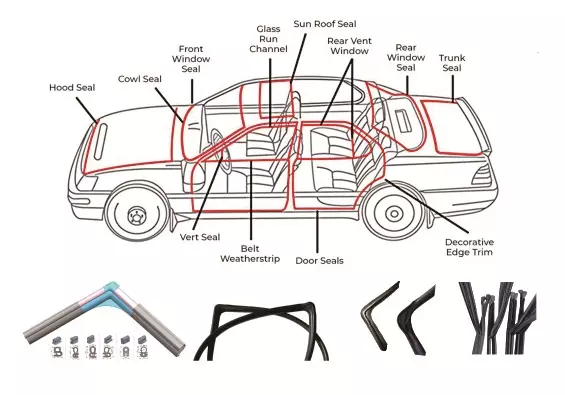
Automotive window seals and heavy industrial door gaskets require highly precise corner joints to ensure complete environmental isolation. Connecting these long, pre-cured EPDM or NBR profiles demands an open machine footprint where the strands can be laid flat.
Standard industrial presses struggle to accommodate these long profiles because their structural tie-bars block the necessary pathing. Achieving a high-strength, seamless corner joint requires an open machine layout that permits unrestricted material manipulation.
To solve these specific corner-bonding challenges, our specialized EPDM sealing strips junctions molding press features a completely open framework. This dedicated HWAYI rubber machine setup enables fast, highly precise profile insertion, ensuring consistent joint quality.
Footprint Optimization and Factory Floor Integration
Floor space inside modern manufacturing facilities represents a highly valuable asset space that must be utilized as efficiently as possible. The compact, vertical orientation of an open-frame press demands significantly less physical area than a traditional horizontal system.
This small physical footprint allows plant managers to group multiple molding cells closer together, optimizing operator workflows and material handling routes. It also simplifies the integration of auxiliary equipment like temperature control units and conveyor belts.
Our engineering team focuses heavily on these spatial footprints when helping facilities plan their equipment layouts. Creating a compact, highly functional molding footprint allows manufacturing plants to maximize their total output per square meter.
Proportional Hydraulic Speed and Smooth Mechanical Cushioning
Operating an open-frame press safely at high production speeds demands highly sophisticated fluid power control networks. Proportional hydraulic valves regulate the flow of oil precisely to slide the heavy platens rapidly through open daylight space.
As the mold halves approach a close, the control software immediately dials back the fluid velocity to cushion the impact. This protective deceleration shields the sensitive tool parting lines from harsh mechanical shock and extends component service life.
Maintaining this fluid control allows the system to transition smoothly between high-velocity movements and stable, low-pressure mold protection states. We implement digital hydraulic networks to support repeatable mechanical cycles during long-term production operations.
Conclusion
Open-architecture machinery plays an essential role in modern manufacturing by minimizing the physical limitations of traditional closed-post presses. Combining three-sided accessibility, runnerless material delivery, flexible injection orientations, and rigid deflection control creates a versatile production platform.
Selecting specialized equipment tailored for profile corner jointing allows industrial facilities to minimize material waste while maximizing operator ergonomics. Investing in these robust, open-frame systems guarantees long-term processing resilience, excellent part quality, and a highly efficient manufacturing environment.