A sealing component is only effective when its material matches the environment in which it will operate. Temperature, contact with fluids, compression, flexibility, and electrical requirements can all influence material selection. For manufacturers developing seals, choosing the rubber compound should therefore happen alongside product and mould design.
At HWAYI, we work with manufacturers on rubber and silicone processing equipment for different industrial applications. Our experience with custom rubber injection molding also gives us a practical perspective on how material requirements influence the Molding process.
Which Rubber Materials Are Commonly Considered for Seals?
There is no single rubber material that suits every sealing application. Natural rubber, EPDM, NBR, SBR, and silicone-based materials can have different characteristics, so the operating environment should guide the initial selection.
For example, our official product information identifies EPDM and natural rubber as suitable materials for our C-frame injection press, particularly for sealing profiles, corners, junctions, and joints.
NBR is also used in our sealing-related equipment applications. The material selection should still be based on the actual conditions of the finished component, including the fluids it contacts, temperature range, flexibility requirements, and expected mechanical loading.
When Is EPDM a Practical Choice?
EPDM is commonly considered when a seal needs resistance to outdoor exposure, water, weathering, and temperature changes. These characteristics make it relevant to many automotive and industrial sealing applications.
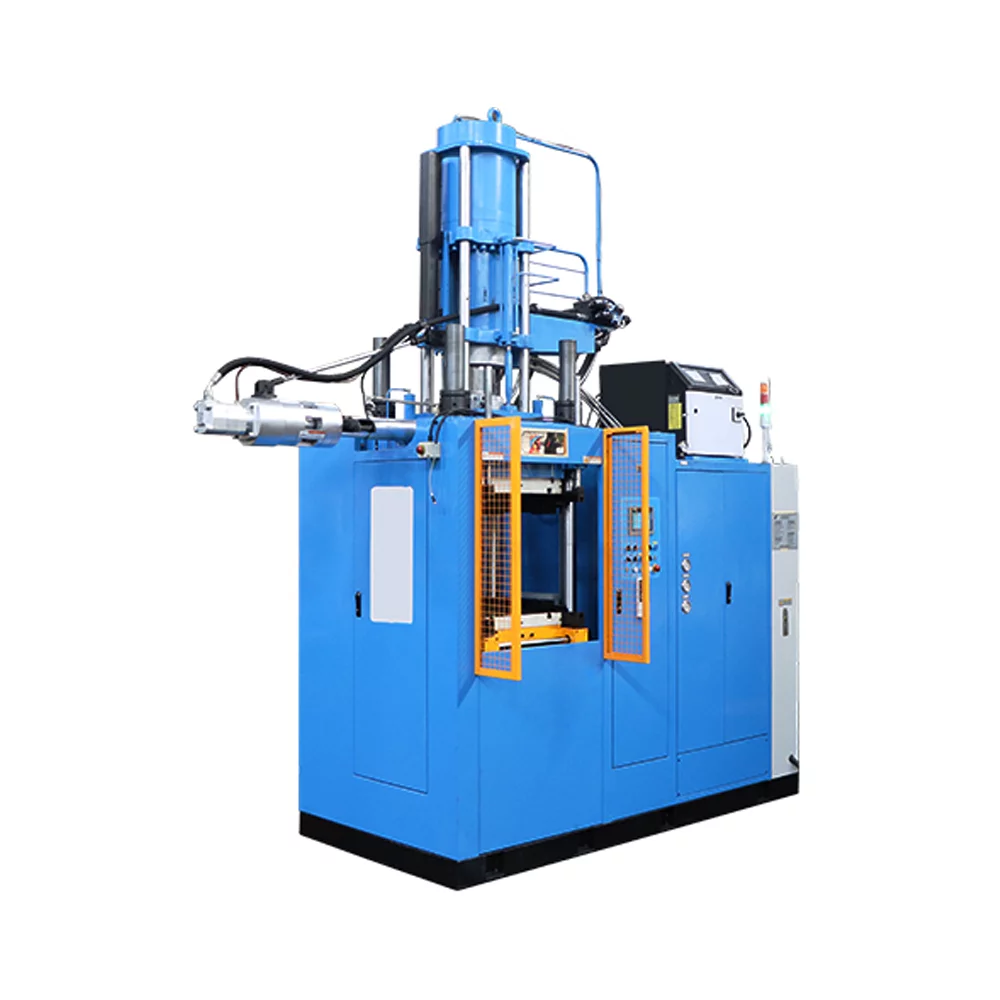
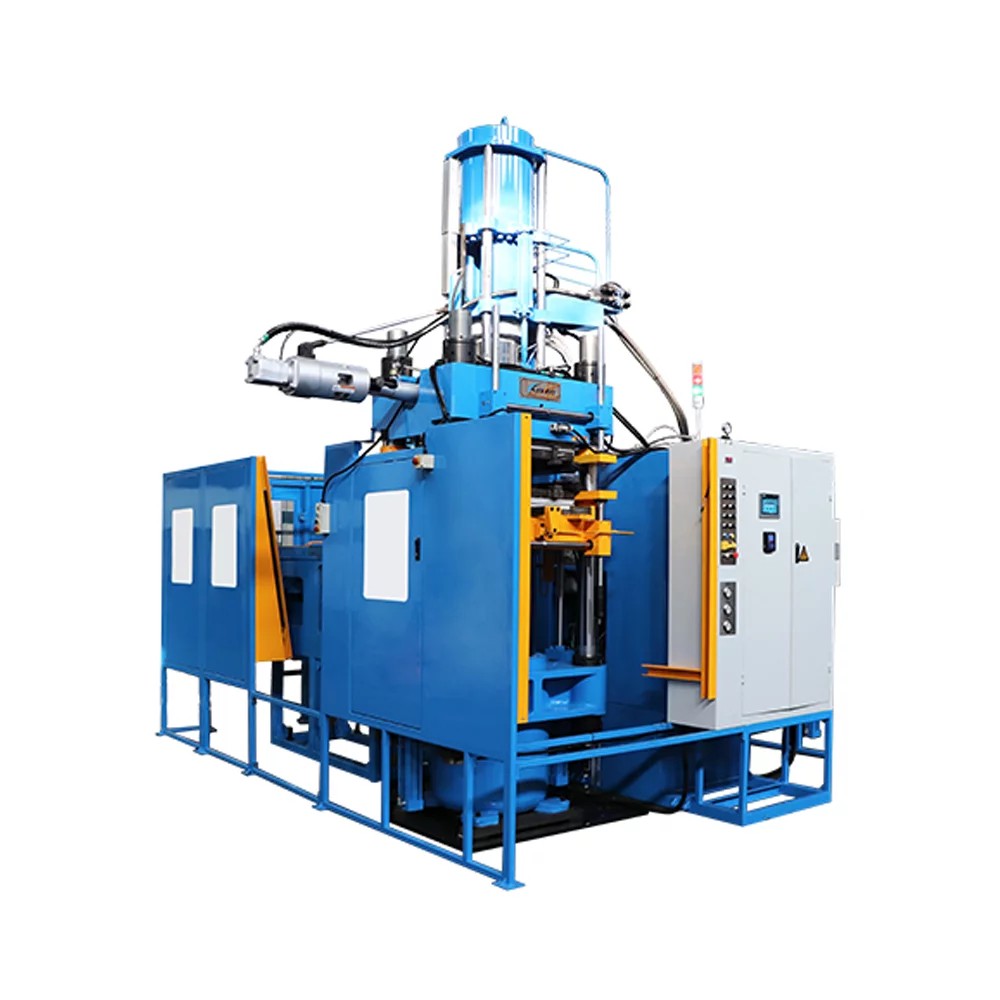
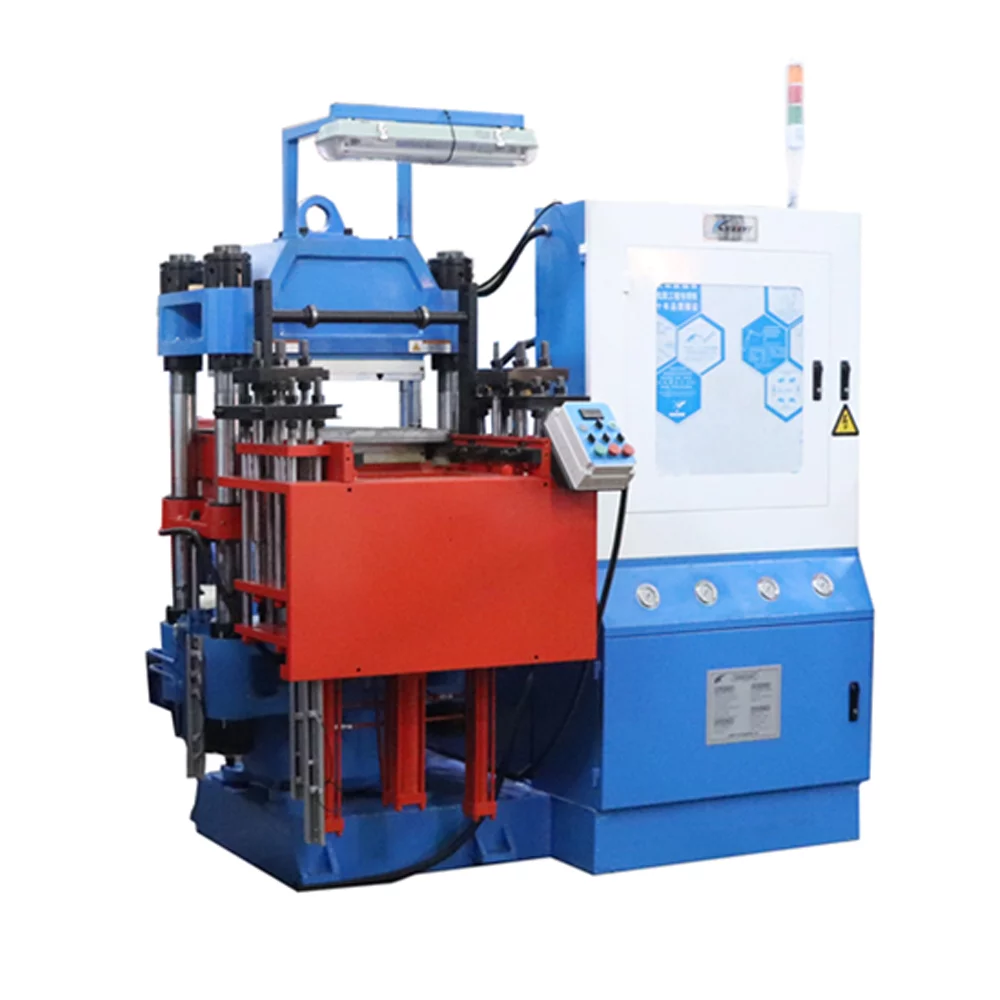
At HWAYI, our EPDM and NBR C-frame injection press is specifically designed for sealing profile corners, junctions, and joints. The open C-frame arrangement gives operators access to the profile during the Molding process.
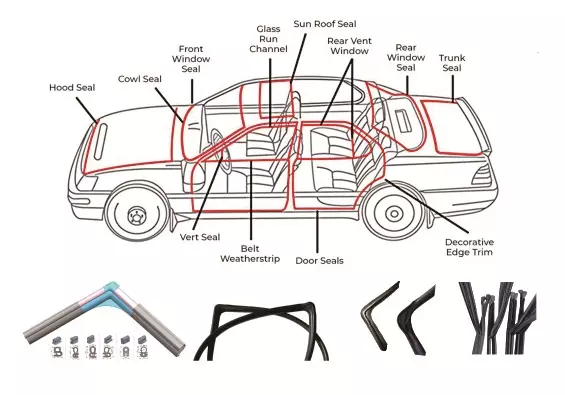
For manufacturers producing vehicle door or window sealing systems, the material should be assessed together with the profile design and joining process. The Molding equipment then needs to accommodate the dimensions and handling method of that particular seal.
Where Does NBR Fit Into Sealing Applications?
NBR can be considered when resistance to oils and certain petroleum-based fluids is important. This makes it relevant to selected automotive, machinery, and fluid-handling sealing applications.
Our product range specifically includes equipment for EPDM and NBR sealing profile production. This reflects the need for manufacturers to process different compounds while maintaining control over the injection and Molding stages.
When discussing NBR sealing projects, we recommend reviewing the actual fluid exposure rather than choosing the material simply because it is widely used. Temperature, concentration, pressure, and contact duration can all affect the suitability of a particular compound.
Could Silicone or LSR Be Better for Certain Seals?
Silicone and LSR become relevant when a sealing application requires properties associated with silicone materials, such as flexibility, temperature resistance, or electrical insulation. They are used across automotive, electrical, medical, and other specialised applications.
Our official product information lists LSR molding machines and identifies silicone and LSR products among our application areas. Our LSR equipment can also be configured for automotive sealing and insulation applications.
For manufacturers considering silicone seals, material selection should include the required hardness, curing method, geometry, surface requirements, and expected service environment. These factors also influence the choice of dosing, injection, and Molding equipment.
How Does the Application Affect Material Selection?
The same seal shape can require different materials when used in different environments. An automotive seal exposed to weather and vibration may have different requirements from an electrical seal exposed to heat and voltage.
For automotive applications, our solutions cover sealing profiles, O-rings, gaskets, bushings, and damping systems. For electrical applications, our product range includes equipment for insulation products and silicone components.
This is why we encourage customers to begin with the finished part’s function. Once the operating conditions are understood, material selection and Molding equipment can be considered together.
What Should Manufacturers Check Before Choosing a Compound?
We suggest creating a material checklist before finalising the rubber compound. Temperature is one consideration, but it should not be evaluated alone.
Manufacturers should also review contact with oils, fuels, water, chemicals, ozone, and outdoor conditions where relevant. Compression, flexibility, hardness, dimensional requirements, and expected service life should also be discussed with the compound supplier.
For B2B projects, the final material decision should be supported by the requirements of the finished seal and, where necessary, testing under representative operating conditions. This reduces the risk of selecting a material based only on its general application category.
How Does Molding Equipment Need to Match the Material?
Material selection and machine selection are connected. Different compounds can have different processing characteristics, so injection pressure, temperature control, feeding, curing, and mould configuration may need to be considered accordingly.
Our custom rubber molding companies approach focuses on matching equipment to the customer’s actual production requirement. We provide rubber injection molding machines, vulcanising presses, LSR molding machines, and customer-built machinery for different applications.
For sealing production, our C-frame equipment is designed specifically around profile corners, junctions, and joints. Its open structure allows the sealing profile to be positioned in the mould before injection.
How Can HWAYI Help With Material-Related Equipment Decisions?
At HWAYI, we approach sealing projects from the perspective of the complete manufacturing process. We consider the rubber or silicone material, finished product, mould structure, injection requirements, and production workflow before discussing equipment configuration.
Our experience covers automotive rubber parts, electrical insulation products, industrial sealing products, silicone components, and other moulded applications. This allows us to discuss machine requirements according to the actual product rather than assigning one machine type to every sealing project.
For manufacturers exploring custom rubber injection molding, material selection should be treated as an engineering decision. EPDM, NBR, natural rubber, and silicone can each serve different requirements, but the final choice depends on the operating environment and product specification.
By evaluating the seal’s function first and then connecting material, mould, and machine requirements, manufacturers can build a more suitable production process and avoid selecting equipment without a clear understanding of the finished component.