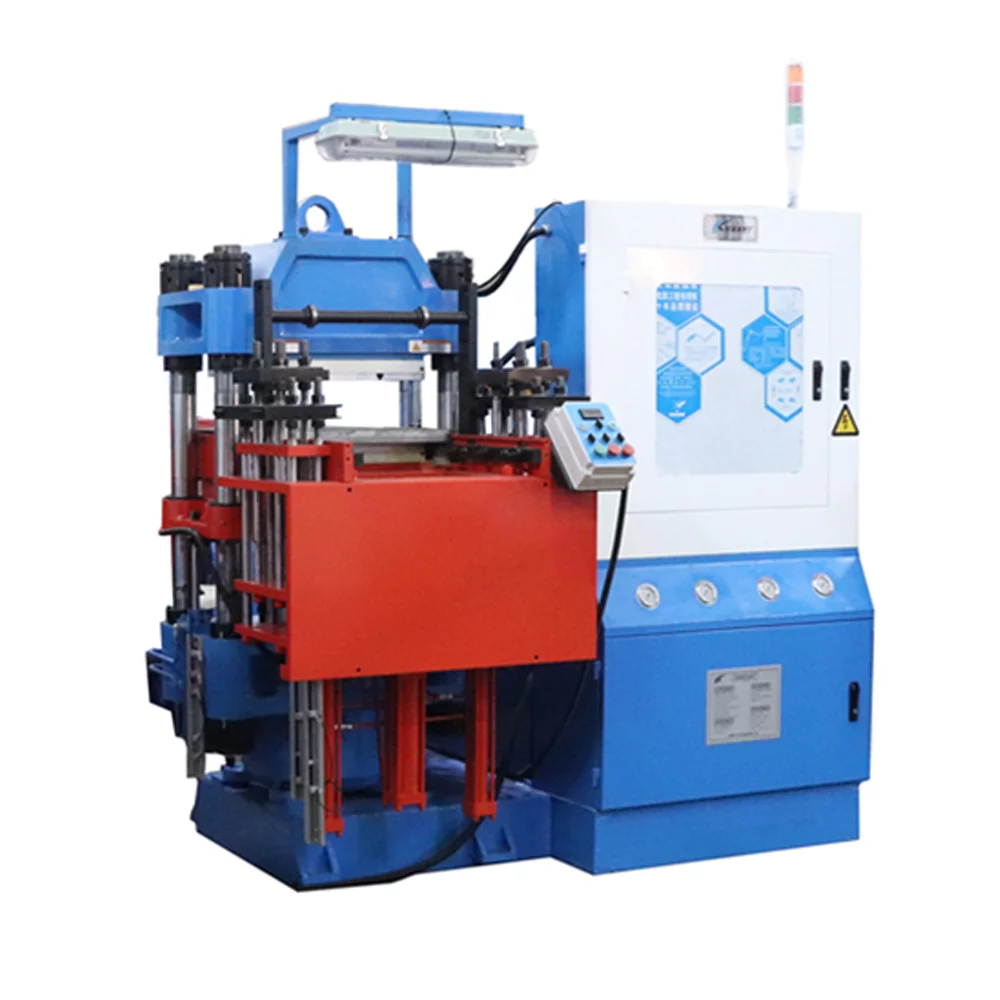
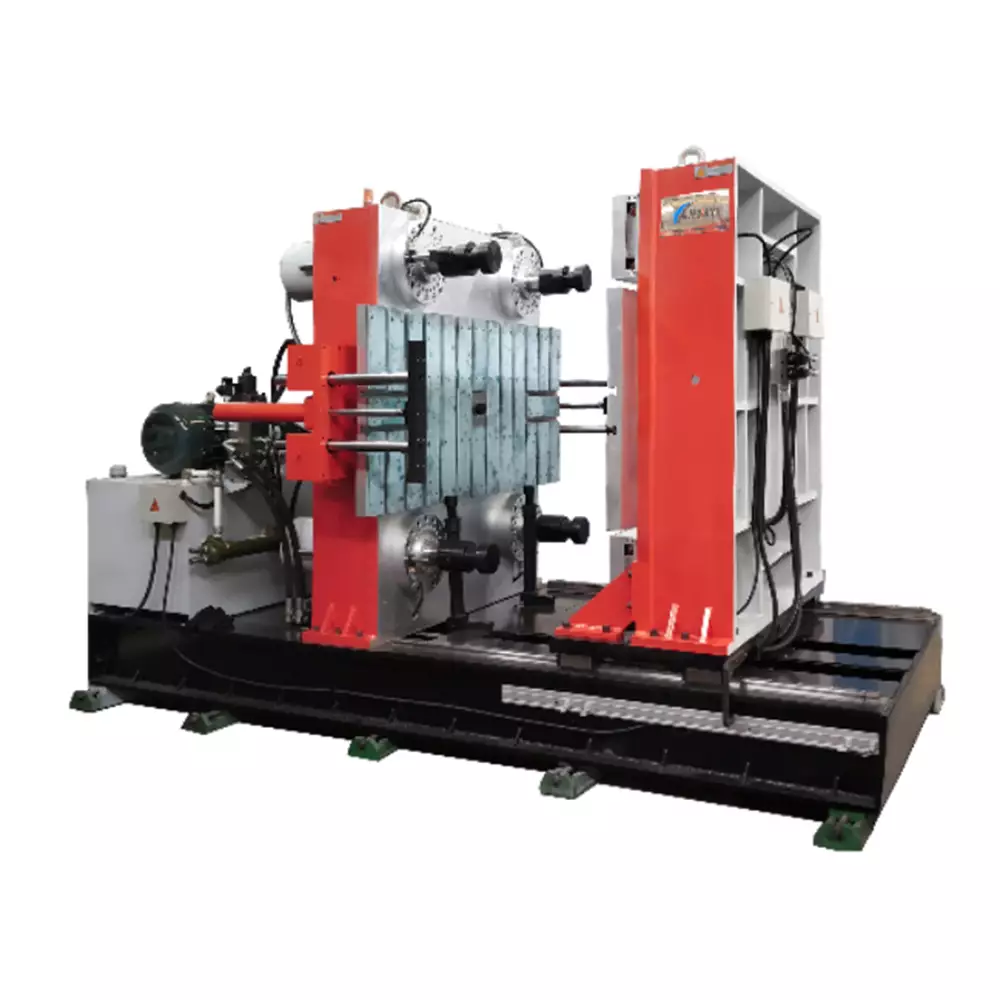
Buying rubber processing equipment involves more than comparing machine size or price. For tyre bladder production, the machine needs to match the bladder design, rubber material, mould, production volume, and required process control. A mismatch in any of these areas can create unnecessary adjustments after installation.
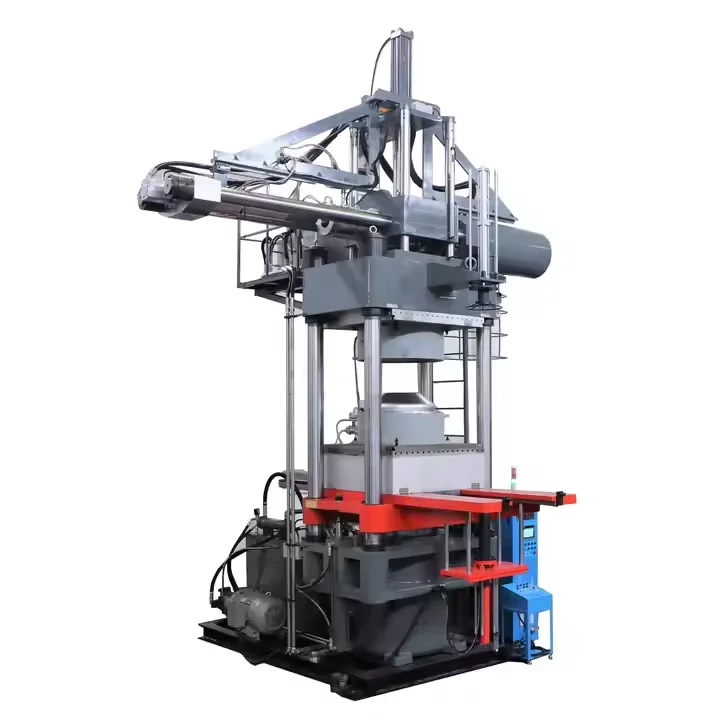
At HWAYI, we recommend starting with the production requirement before selecting equipment. Our custom rubber injection molding solution is designed for tyre bladder manufacturing, so we consider the product and process together when discussing machine configurations with B2B customers.
What Type of Tyre Bladder Will the Machine Produce?
The first consideration is the type and size of tyre bladder that the factory plans to manufacture. Passenger car, truck, and bus tyres can require different bladder dimensions and production conditions.
Our official product information states that the Rubber Tyre Bladder Injection Machine is suitable for tyre bladder production for passenger cars, trucks, and buses. This makes product range an important starting point when evaluating equipment.
Before purchasing, manufacturers should prepare information about bladder dimensions, rubber compound, mould structure, expected output, and the tyre applications being served. These details give the equipment supplier a clearer basis for recommending a suitable configuration.
How Should Injection Performance Be Evaluated?
Injection performance directly influences how the rubber compound enters the mould. For tyre bladders, consistent material delivery matters because the finished component needs to maintain its intended shape and wall structure during later tyre curing operations.
Our tyre bladder injection machine uses a precision injection system designed to provide consistent material delivery. The official product page also identifies stable injection control as one of the machine’s key functions.
When comparing machines, buyers should therefore ask about injection control, material feeding, injection volume, and how production parameters can be adjusted. These points are more useful than comparing one isolated specification without considering the actual bladder design.
Does Clamping Performance Match the Mould?
The mould is another major factor in equipment selection. The machine needs to provide suitable clamping performance for the mould used in production and maintain the required condition during injection.
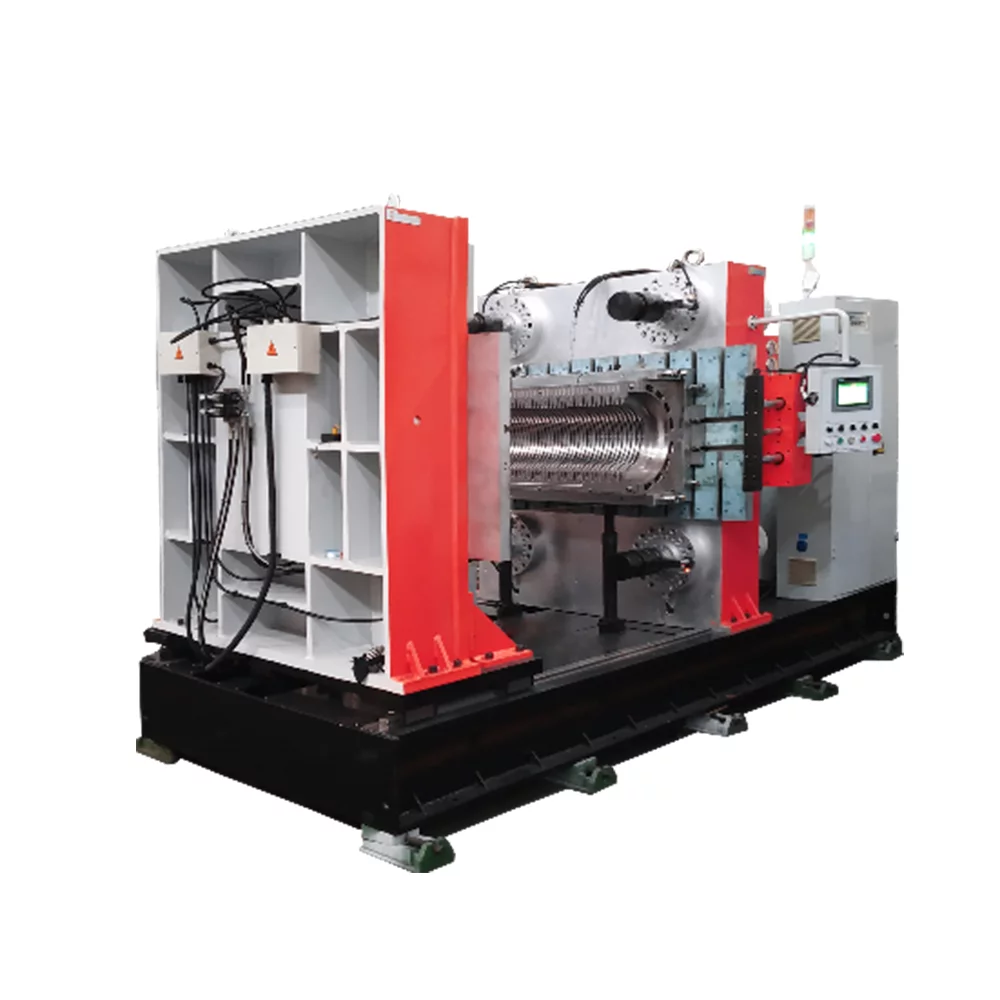
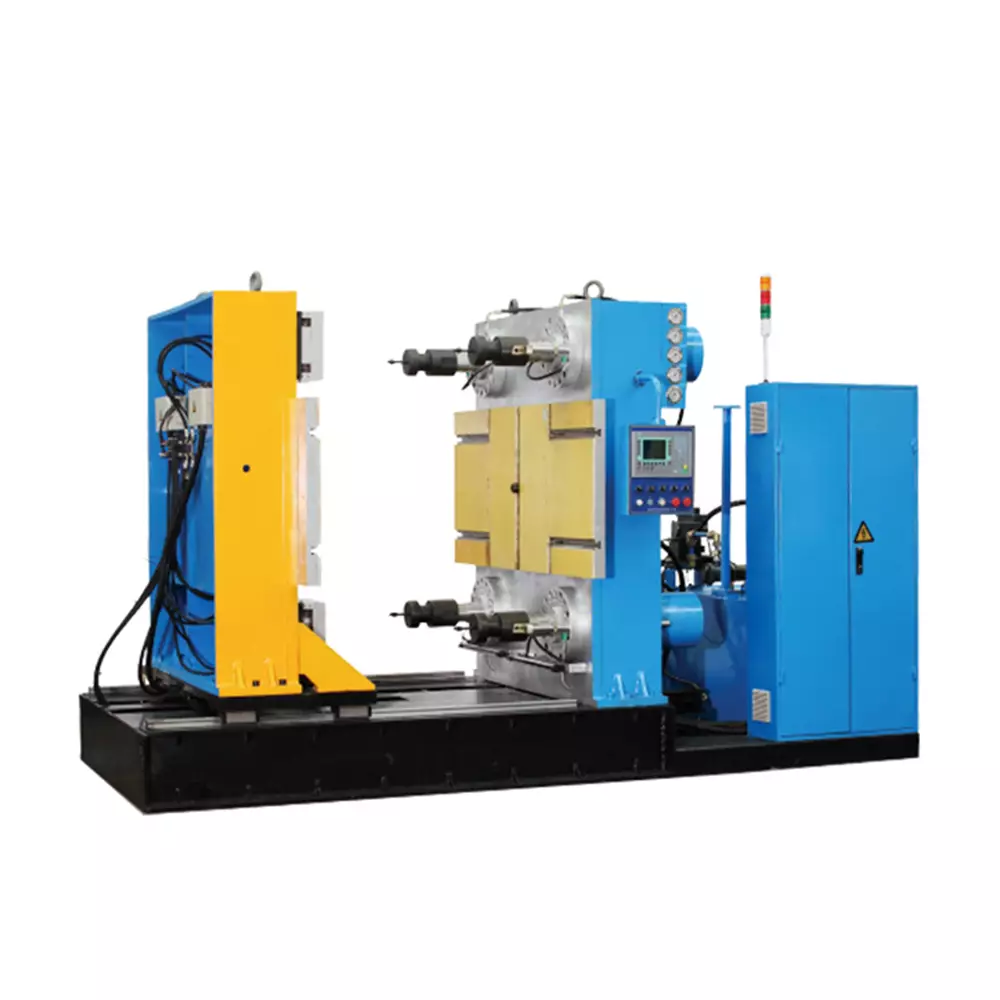
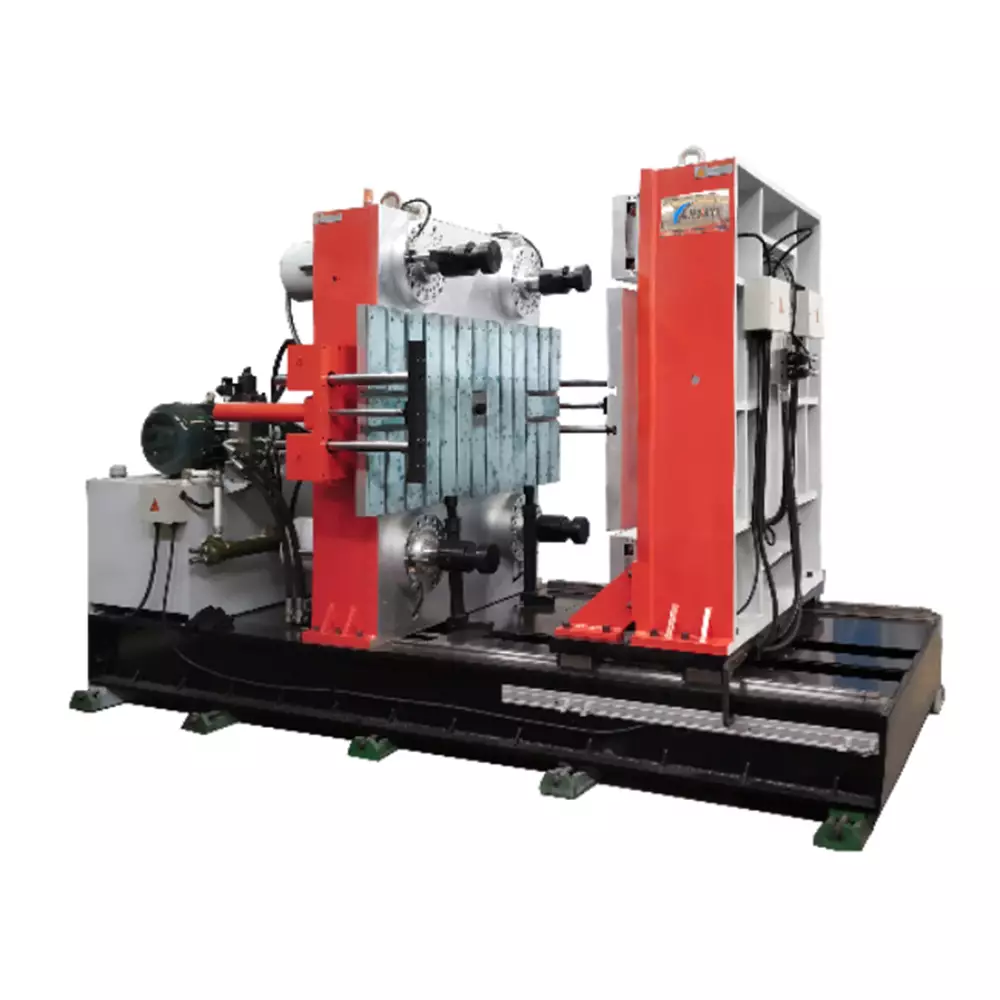
Our equipment is designed with stable mould clamping in mind. The official product information identifies stable clamping performance as a feature intended to support accurate Molding results and repeatability.
We suggest providing the supplier with the mould dimensions and weight before placing an order. This allows the machine configuration to be considered together with the tooling rather than treating the mould as a separate issue.
A suitable clamping arrangement can also make future mould changes easier to manage when a factory produces several tyre bladder sizes.
What Production Volume Should Buyers Consider?
Production volume should be estimated from actual customer orders and planned capacity rather than a general industry figure. A factory supplying different tyre manufacturers may have changing requirements across product sizes and production schedules.
Our machine is designed for tyre bladder production and includes features intended to support production efficiency. The official product page describes optimised cycle times and high production efficiency as part of its design.
When we discuss capacity with customers, we also consider the number of moulds, working hours, product range, and expected production rhythm. This provides a more realistic basis for equipment planning.
For manufacturers considering a rubber tyre bladder machine manufacturer, these production details should be prepared before requesting a quotation.
How Important Is Material Waste?
Rubber consumption is another point worth considering because material waste can influence operating costs over a long production period. The amount of waste depends on the machine, mould, runner arrangement, process settings, and production method.
Our official tyre bladder machine page identifies low material waste as one of the equipment’s features and connects it with improved rubber utilisation.
However, we do not recommend judging material efficiency from the machine alone. The complete Molding system needs to be considered, including the rubber compound, mould design, injection parameters, and trimming requirements.
For B2B buyers, reviewing the expected material consumption during sample production can provide more useful information than relying only on theoretical figures.
What Should Be Checked About Energy Use?
Energy consumption becomes more relevant when a machine operates for extended production periods. Buyers should look at how the machine uses power during injection, clamping, and other stages instead of considering only the installed motor capacity.
Our tyre bladder injection machine is described by HWAYI as having an energy-efficient design intended to reduce power consumption while maintaining production performance.
We recommend discussing the expected working cycle, operating hours, and auxiliary equipment with the supplier. These factors can influence the actual energy requirement of a complete production line.
This assessment can also help manufacturers compare equipment on operating conditions rather than only on the initial purchase cost.
Can the Equipment Be Adapted to Future Requirements?
A machine may remain in production for many years, while product requirements can change much sooner. Manufacturers may add new tyre sizes, modify rubber compounds, or increase output as their customer base develops.
Our equipment supports customised configurations for tyre bladder production. As a rubber machinery manufacturer with more than 25 years of industry experience, we also provide rubber injection molding, vulcanising, LSR, and other specialised machinery.
At HWAYI, we therefore encourage customers to discuss both current and possible future production requirements before finalising a machine configuration.
What Information Should Buyers Prepare Before Ordering?
A productive equipment discussion usually starts with clear technical information. We recommend preparing the tyre bladder drawings, dimensions, rubber material, mould information, expected production volume, and target applications.
Manufacturers should also discuss installation conditions, operator requirements, automation plans, maintenance arrangements, and after-sales support. These details help both sides understand the complete project rather than focusing only on the machine body.
For customers seeking custom rubber injection molding, we use these production details to evaluate the appropriate equipment approach.
Choosing a rubber tyre bladder machine is ultimately a process of matching equipment with the actual manufacturing requirement. By reviewing the bladder specification, injection performance, clamping conditions, production volume, material utilisation, energy use, and future plans together, buyers can establish a clearer technical basis before placing an order.