Choosing a supplier for a rubber injection molding project requires more than comparing machine prices. Production requirements, machine structure, process control, technical support, and future application needs should all be considered before a purchase decision is made. When evaluating a vertical rubber injection molding machine, buyers should first examine whether the manufacturer can match the equipment with the actual rubber processing requirements.
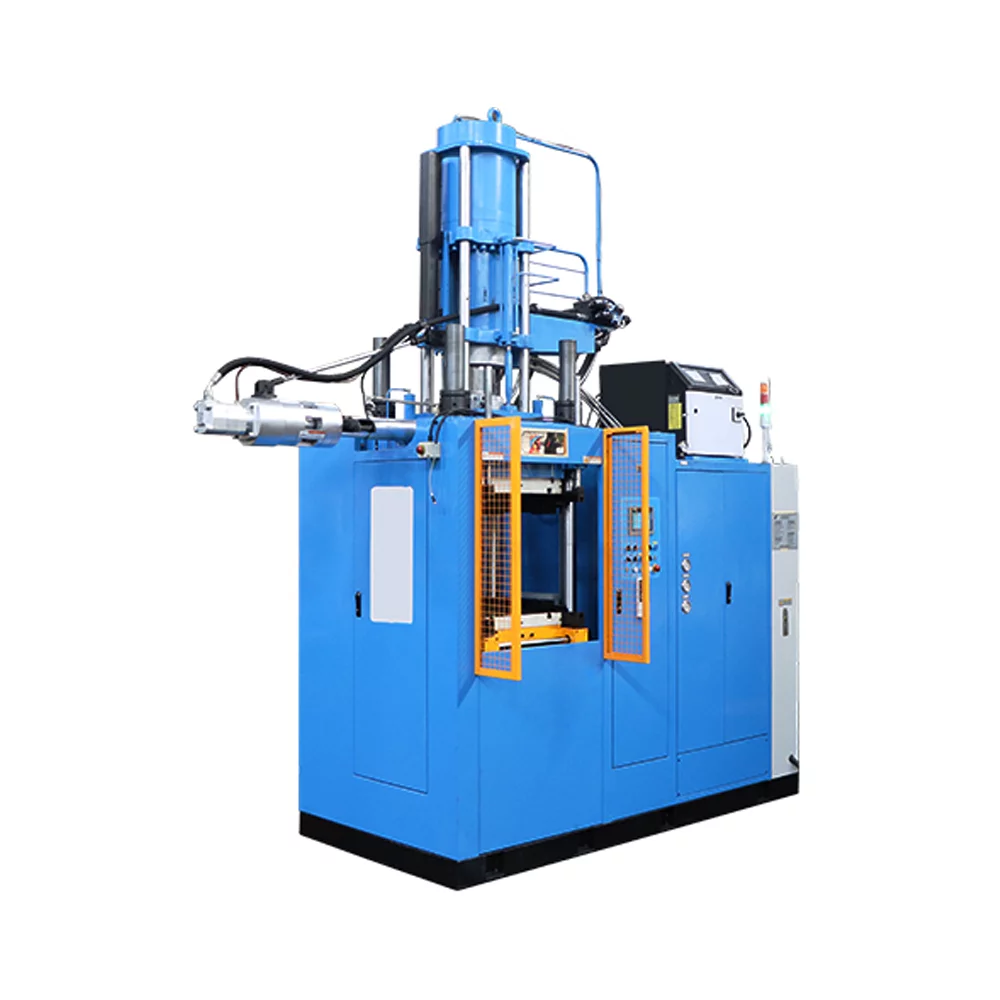
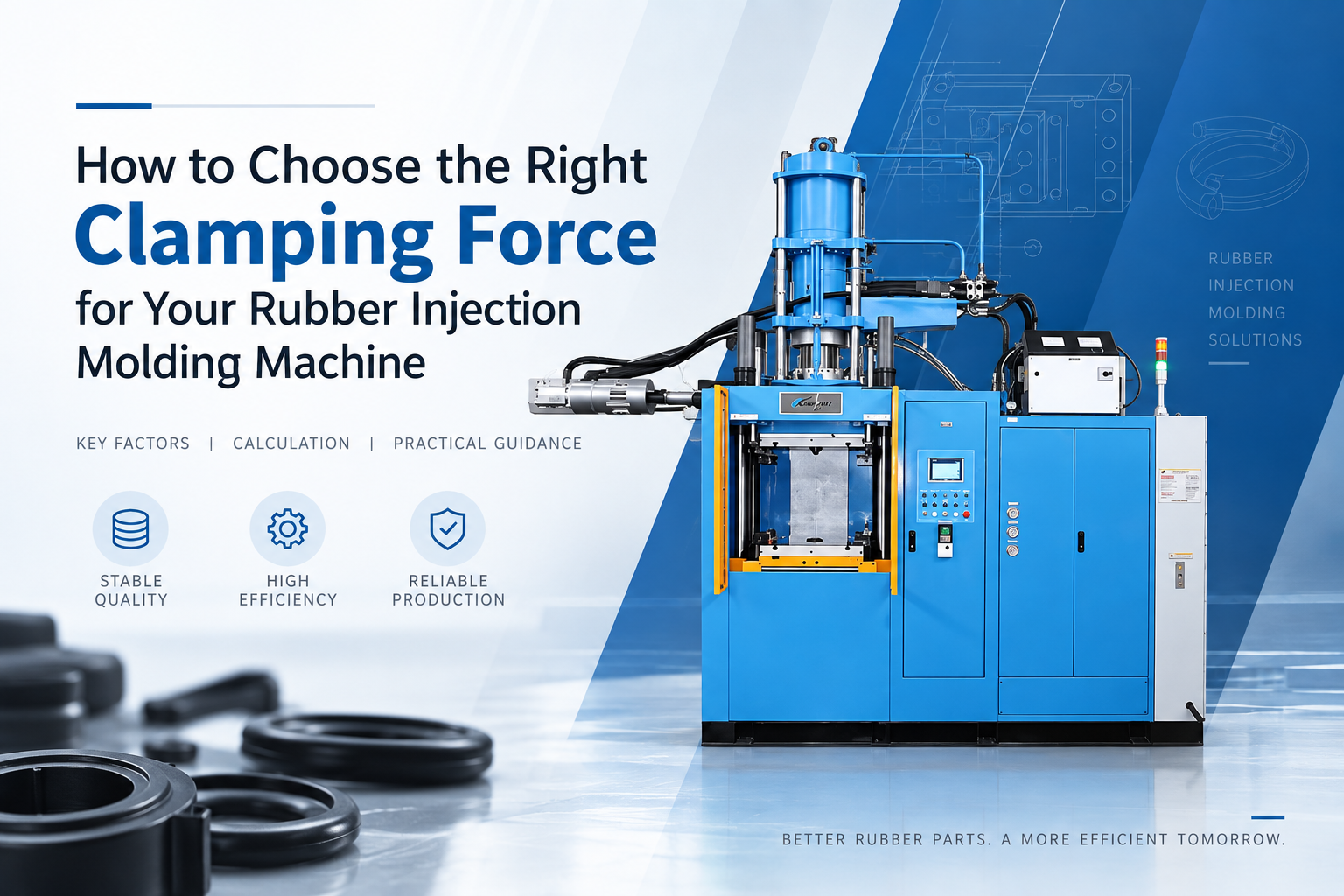
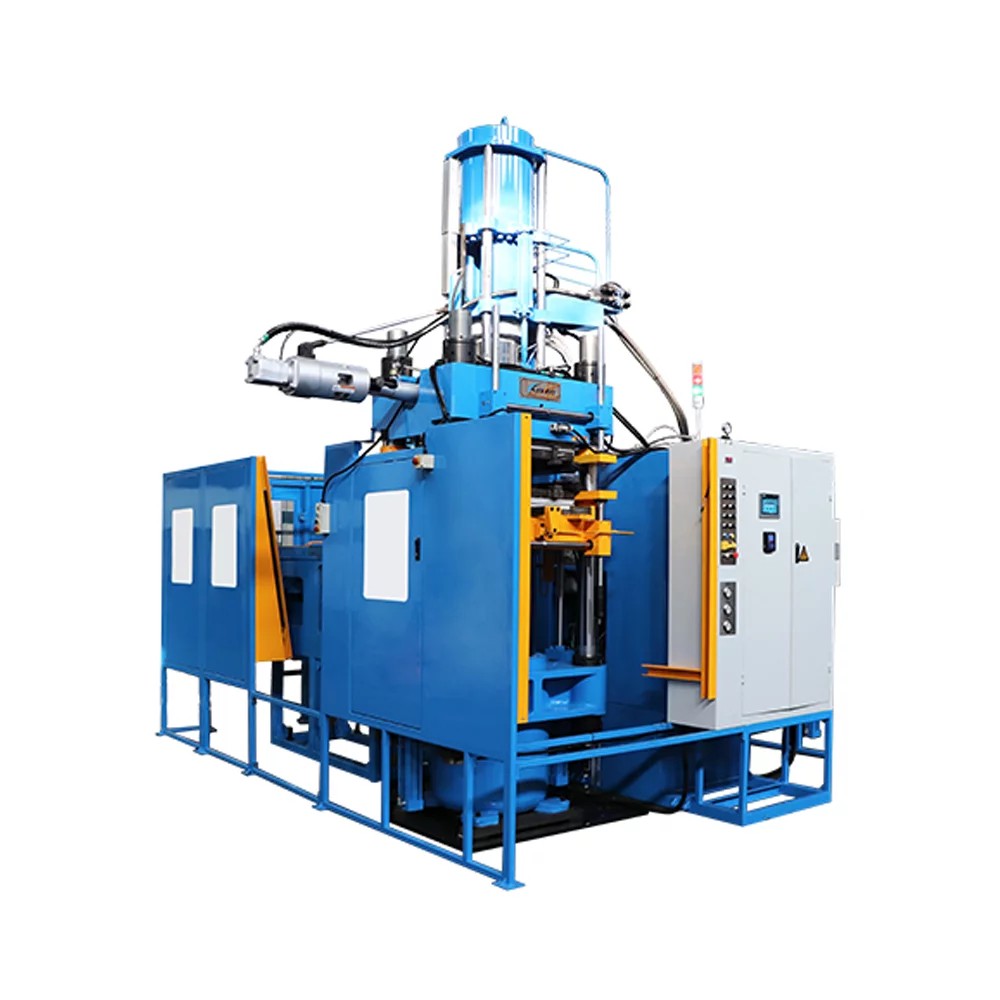
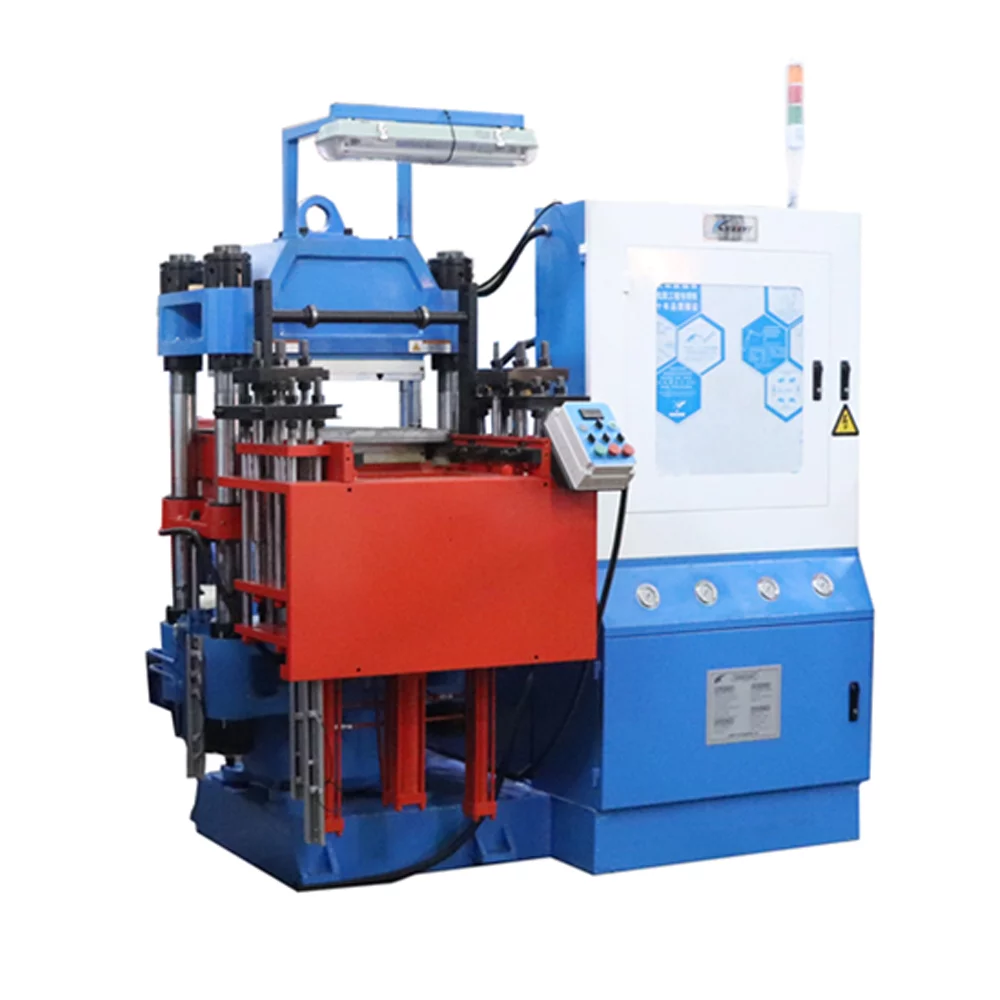
At HWAYI, we approach equipment selection from the production process rather than from a single machine specification. Our HYZ-E Series is a vertical rubber injection molding machine designed with a four-column structure, multi-stage injection control, and an optimised machine layout.
Does the manufacturer understand your rubber processing requirements?
The first point to check is whether the manufacturer understands the actual application. Rubber products can have different requirements depending on their material, geometry, mould structure, and production volume.
A supplier should be able to discuss the intended rubber compound, product dimensions, mould configuration, injection volume, clamping force, heating requirements, and expected cycle conditions. This technical discussion helps determine whether the proposed machine is suitable rather than simply selecting a model from a catalogue.
Our HYZ-E Series covers clamping forces from 500 kN to 6,000 kN, with injection volumes ranging from 300 cm³ to 8,000 cm³ depending on the model. These specifications allow buyers to compare machine capacity with their own mould and product requirements.
Which machine structure fits the production process?
Machine structure is another important selection point. A vertical machine can be useful for production processes where vertical mould movement, accessible mould operation, or insert positioning are relevant.
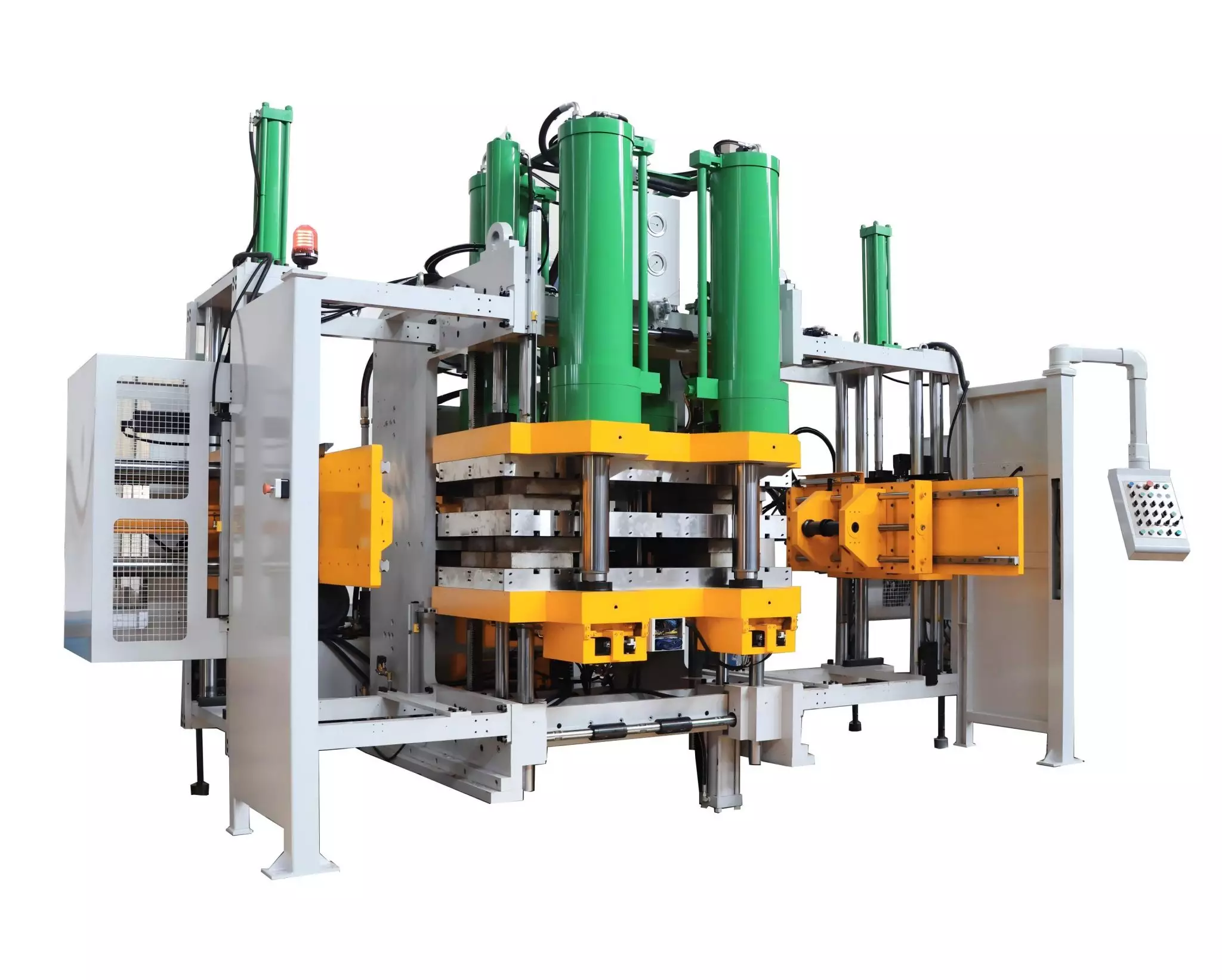
When comparing vertical injection molding machine manufacturers, buyers should examine how the clamping unit is constructed and how the machine handles mould alignment during repeated cycles. A stable clamping structure can help maintain consistent mould positioning and reduce process variation.
Our HYZ-E Series uses a four-column vertical structure and a high-stability clamping unit designed to provide stable operation, parallelism, and repeatability. The hydraulic power unit, electrical cabinet, and control panel are positioned on the right side, leaving more working space around the mould area.
How should injection and temperature control be assessed?
Injection control directly affects how rubber fills the mould. Buyers should therefore look at whether the machine allows suitable adjustment of injection pressure and speed rather than focusing only on maximum injection performance.
The HYZ-E Series provides multi-stage injection control, allowing pressure and speed to be adjusted for different Molding requirements. Its PLC system monitors the production process and can store up to 300 production recipes, with USB data transfer available.
Temperature control also deserves attention. Rubber vulcanisation depends on stable heating conditions, so buyers should check how the machine manages platen temperature. Our HYZ-E Series uses PID calibration, German insulation plates, and temperature control with a stated platen tolerance of ±2°C.
Can the manufacturer support different applications?
A suitable supplier should have experience across applications rather than offering a machine without considering the final product. This is particularly relevant when a production facility makes several types of rubber components.
The HYZ-E Series can be applied to automotive rubber parts such as seals, bushings, gaskets, and vibration dampers. It is also designed for electrical insulation products, industrial sealing products, medical rubber components, and small precision rubber parts.
An optional HTV silicone rubber feeder can support products such as insulators, arresters, bushings, and cable joints. This means buyers can consider whether the machine configuration can accommodate both their present production requirements and possible future applications.
What should buyers check beyond the machine itself?
A machine purchase also involves installation, operation, maintenance, and technical communication. A supplier should therefore provide clear technical information and be able to explain how the proposed configuration relates to the customer’s production process.
At HWAYI, we combine equipment manufacturing with technical support for rubber processing applications. Our company has more than 25 years of industry experience and provides rubber injection molding machines, rubber vulcanising machines, LSR Molding equipment, rubber track machinery, and customised solutions.
For buyers comparing vertical injection molding machine manufacturers, this broader engineering capability can make technical discussions more practical. Instead of considering only the machine body, buyers can evaluate whether the supplier can support Molding requirements, process adjustments, and application-specific configurations.
How can buyers compare manufacturers more effectively?
A useful comparison should include several points: machine structure, clamping force, injection volume, platen dimensions, mould thickness range, temperature control, electrical system, PLC functions, application experience, and technical support.
The HYZ-E Series offers seven listed models from HYZ-50E to HYZ-600E. Their clamping forces range from 500 kN to 6,000 kN, while hotplate dimensions range from 400 × 400 mm to 900 × 900 mm. These specifications should be considered together with the product, mould, rubber compound, production volume, and required process conditions.
For us at HWAYI, equipment selection begins with understanding the application and then matching the machine configuration to the production requirement. When evaluating a vertical rubber injection molding machine, we recommend that buyers compare technical capability, application knowledge, configuration flexibility, and after-sales support together rather than using purchase price as the only criterion.