Managing power consumption on a modern manufacturing floor requires a deep technical understanding of how electrical and hydraulic sub-systems draw energy throughout the vulcanization cycle. Industrial plants frequently run heavy molding equipment continuously, making power efficiency a primary driver of long-term operational profitability. Choosing an optimized vertical rubber injection molding machine plays a critical role in balancing high-tonnage clamping demands with smarter energy management.
Unlike horizontal systems, vertical architectures require sustained hydraulic power to manage the movement and positioning of the moving platen under gravitational effects. Evaluating the specific thermodynamic and fluid power variables that contribute to energy spikes allows production facilities to lower utility costs. A data-driven processing strategy transforms high energy overhead into a manageable, highly predictable operational variable on the shop floor.
At HWAYI, our development teams work to isolate these power-draining variables during the blueprinting phase. By combining smart spatial configurations with efficient hydraulic distribution, we help manufacturing facilities improve component throughput while reducing unnecessary power consumption.
The Base Load Contribution of Barrel and Platen Heating Elements
Thermal energy management constitutes a large percentage of the baseline electrical consumption in any vulcanization setup. Heating bands must maintain steady temperatures across the plasticizing barrel and the mold platens, even during long cooling or demolding intervals.
Conventional insulation setups allow considerable heat to escape into the surrounding factory air, forcing control systems to constantly pull more electricity to maintain a stable state. This continuous thermal cycling creates an expensive baseline power draw that runs independent of actual machine movements.
Utilizing multi-zone temperature controllers helps regulate these thermal loops by delivering precise power increments only when temperature drops are detected. Our engineering group emphasizes high-grade composite shielding to lock this thermal energy inside the functional zones, cutting baseline consumption.
Hydraulic Pump Architectures and Fixed versus Variable Displacement
Fluid power transmission represents the main source of kinetic energy consumption during the clamping, injection, and core-pulling phases. Traditional fixed-displacement pumps run at a constant speed, dumping excess oil volume back into the tank through relief valves when full power is not required.
This constant bypass operation can increase electrical consumption and generate additional hydraulic heat. This extra heat then requires secondary cooling towers to operate, creating an additional secondary energy drain on the plant infrastructure.
Upgrading to a modern vertical molding machine utilizing variable displacement or servo-driven pumps scales motor speed precisely to match real-time flow demands. This specialized configuration saves substantial power during prolonged holding and vulcanization stages where fluid movement drops to near zero.
Mechanical Clamping Sequences and Gravitational Potential Energy
Vertical platen movements introduce distinct kinetic variables because the main hydraulic cylinders must lift and hold heavy steel structures against gravity. Lowering the upper crosshead uses gravitational acceleration, but the system must apply precise hydraulic braking to prevent harsh mechanical impacts.
Conversely, the opening stroke demands a massive initial surge of electrical power to overcome the stiction forces of the mold parting line. If the hydraulic valving is poorly calibrated, the electric motors will spike in current draw during every single opening sequence.
Optimizing these vertical travel profiles involves balancing speed with clever counter-weighting or advanced proportional throttling valves. We design our physical clamping geometry to utilize smooth acceleration ramps, minimizing the peak torque required from the main electric motors.
Fluid Friction Losses in Complex Piping and Valve Networks
Internal energy losses occur silently within the hydraulic distribution block due to fluid resistance, sharp bends, and restricted valve orifices. When high-pressure oil forces its way through tight passages, the restriction converts useful kinetic energy directly into waste heat.
This pressure drop forces the primary hydraulic pumps to work harder and draw more electricity to deliver the target tonnage at the tool face. Streamlining the piping layouts and utilizing larger manifold blocks reduces this internal fluid friction significantly.
Our structural layouts are specifically engineered to keep fluid paths as direct and unobstructed as possible. We construct compact hydraulic manifolds that lower internal fluid turbulence, ensuring that more power transfers directly into functional mechanical force.
High Efficiency Architecture and Space Optimization Layouts
The layout of a machinery platform directly alters how easily maintenance teams can service components and how efficiently fluid lines route power. Placing massive hydraulic pumps far from the main execution cylinders increases line loss and adds physical clutter around the active workspace.
Smarter positioning strategies group the primary electrical and fluid power control systems together into a dedicated, localized module. This close integration minimizes hose lengths, reduces pressure drop, and frees up crucial physical clearance for tool changes.
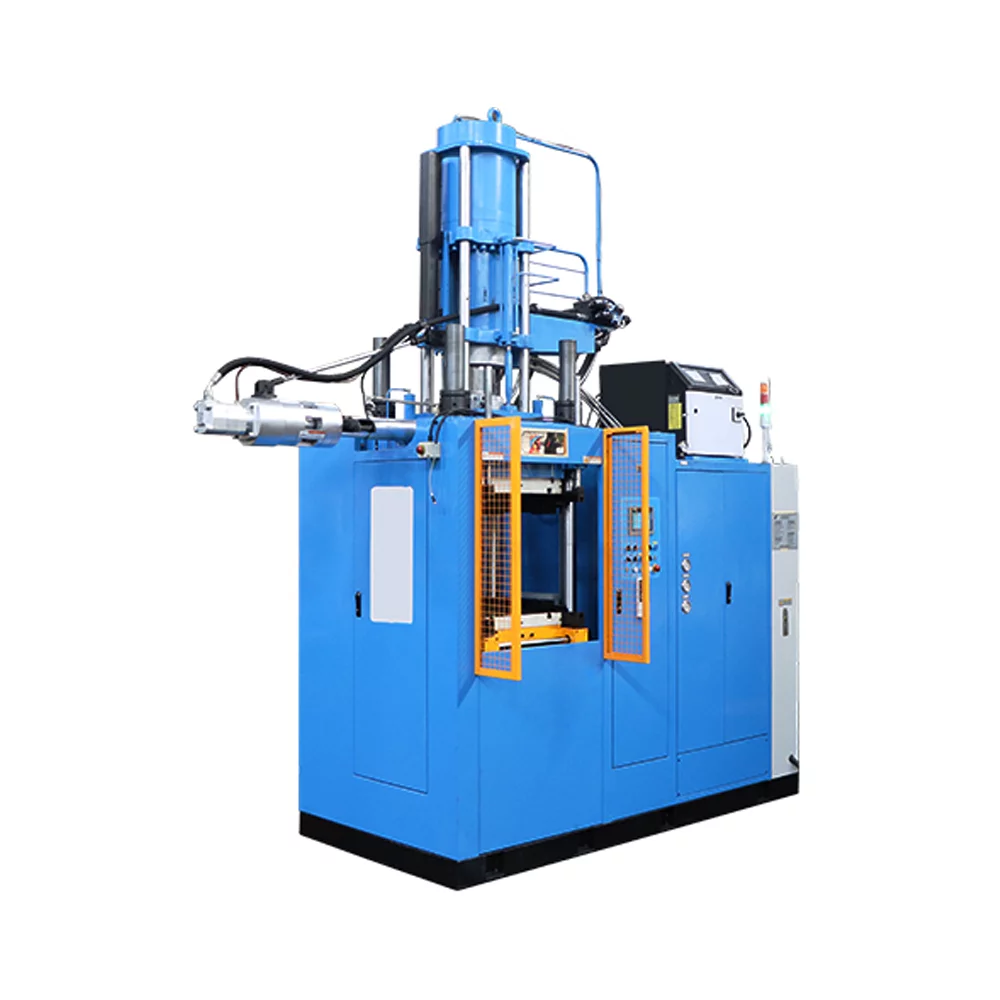
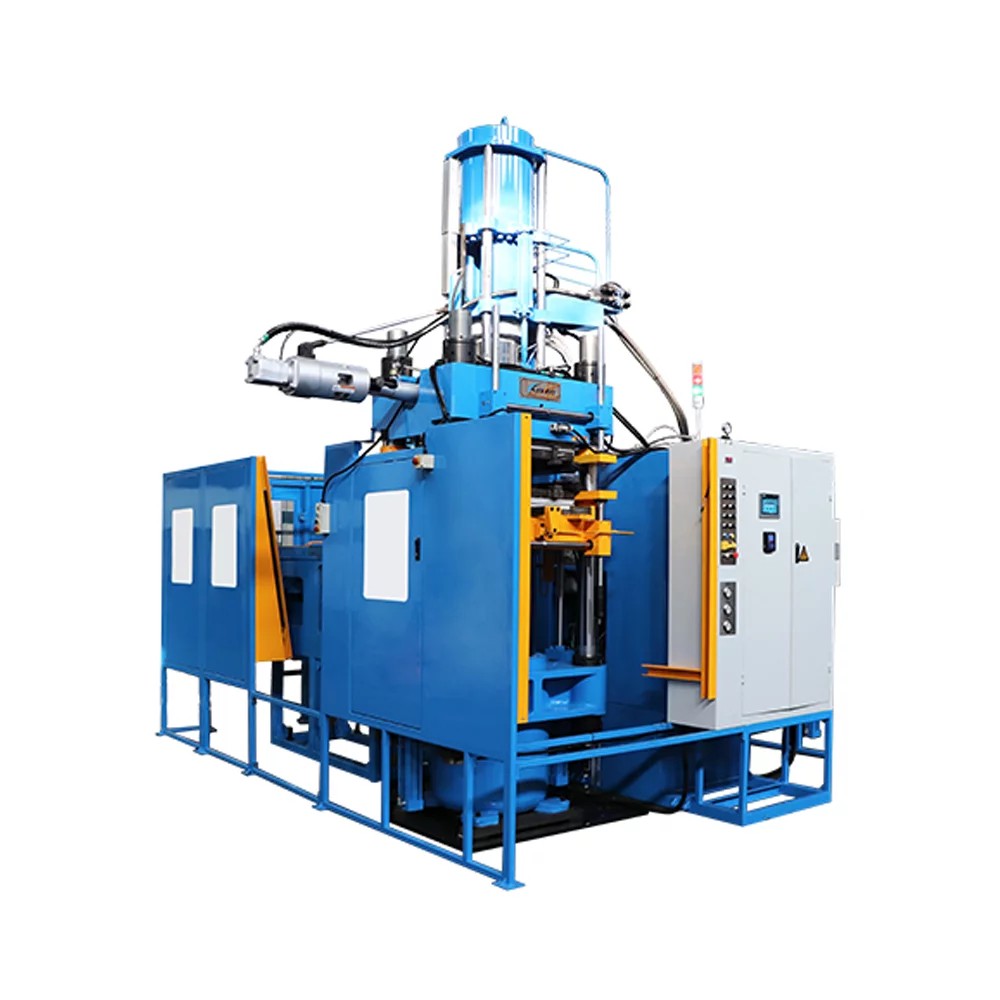
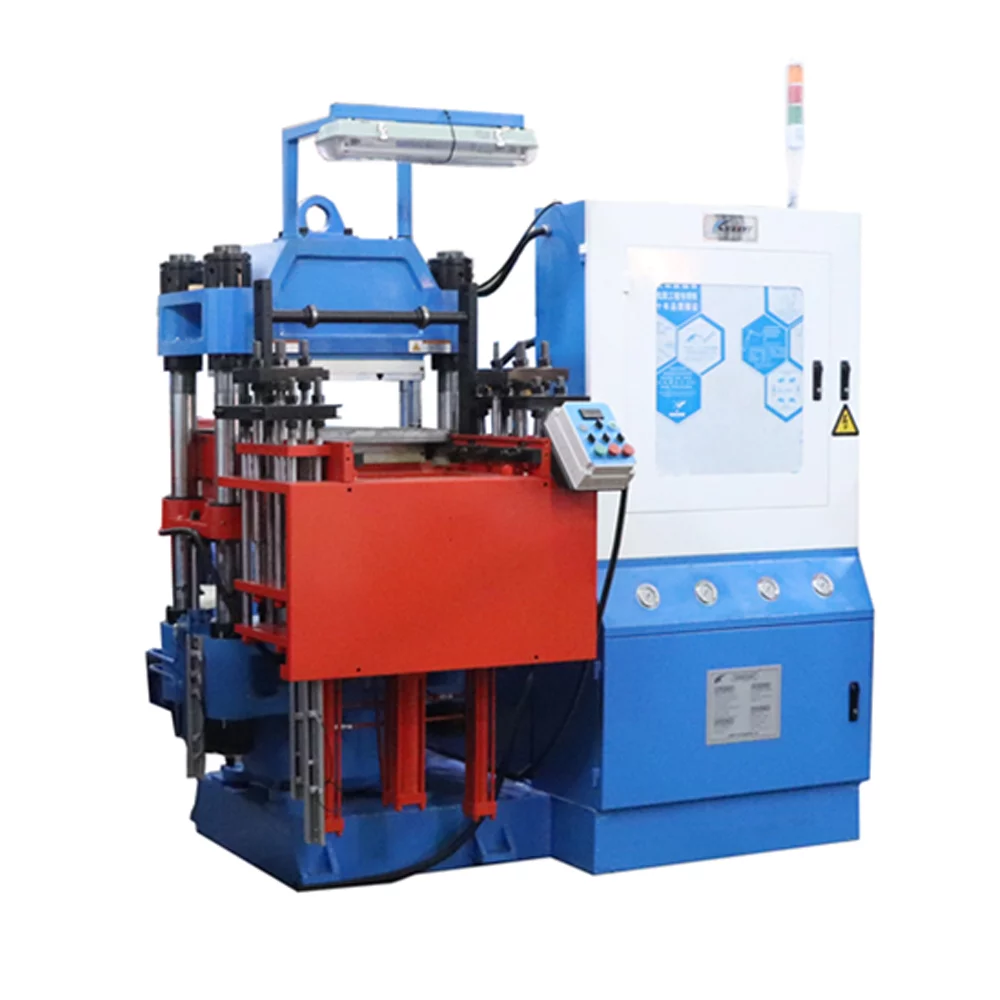
Our specialized Vertical Rubber Injection Machine HYZ-E Series incorporates this precise layout design to maximize shop floor efficiency. This highly functional HWAYI rubber machine configuration strategically places the hydraulic power bank and electrical control unit on the right side, providing optimal operational space while keeping energy transmission lines short.
The Dynamic Energy Cost of Retractable Nozzle Mechanisms
Maintaining an uninterrupted thermal barrier between the hot mold tool and the cooler injection nozzle is vital for preventing material scorch defects. Retractable injection nozzles physically break contact with the tool face after every single injection stroke to isolate heat.
While this movement preserves compound quality, the physical mechanical actuation of the nozzle carriage adds an extra hydraulic step to the cycle. This repeatable movement requires dedicated fluid volume and draws auxiliary power during every single production sequence.
Processing engineers must balance the energy cost of this mechanical stroke against the scrap-reduction savings achieved by avoiding scorched rubber. We integrate low-friction linear guides into these nozzle systems to minimize the mechanical resistance and power needed for actuation.
Safety Enclosures and Thermal Environmental Stabilization
Ambient draft currents inside a large manufacturing facility can cause unpredictable cooling across exposed platen faces, forcing heating systems to overcompensate. Implementing full physical safety guarding serves a dual purpose by protecting operators and isolating the tool macro-environment.
Integrating high-efficiency thermal insulation boards behind the heating elements minimizes radiant heat loss, stabilizing the platen temperature profiles. This localized thermal management lowers the cycle-by-cycle electrical demand on the heating elements during long production runs.
Our design philosophy integrates robust, fully enclosed safety frameworks that meet stringent operational standards without blocking operator visibility. This careful balancing act promotes safety compliance while directly supporting the thermal efficiency objectives of the production plant.
Data-Driven Energy Validation and Power Monitoring Software
The final stage of managing industrial power utilization involves embedding digital power monitoring hardware directly into the machine control system. Real-time current transformers track electricity consumption across individual sub-systems, such as heaters, pumps, and auxiliary automation.
This granular data allows plant managers to identify exactly which stage of the cure cycle draws the most power. Processing parameters can then be fine-tuned based on empirical data rather than relying on theoretical estimations.
Tracking these metrics over millions of cycles supports predictive maintenance strategies by flagging worn pumps or failing heaters through subtle energy spikes. We continue to incorporate these advanced diagnostic networks to give processing teams complete control over their operational footprints.
Conclusion
Understanding the diverse factors that drive energy consumption in vertical molding systems is essential for lowering long-term operational costs. By optimizing platen insulation, deploying variable-displacement hydraulics, and utilizing smart spatial layouts, facilities can achieve deep power savings.
Choosing advanced machinery that integrates localized power banks and retractable nozzle technology enhances thermal and mechanical control. Prioritizing these energy-efficient design principles can contribute to lower energy consumption, consistent component quality, and improved operational efficiency.