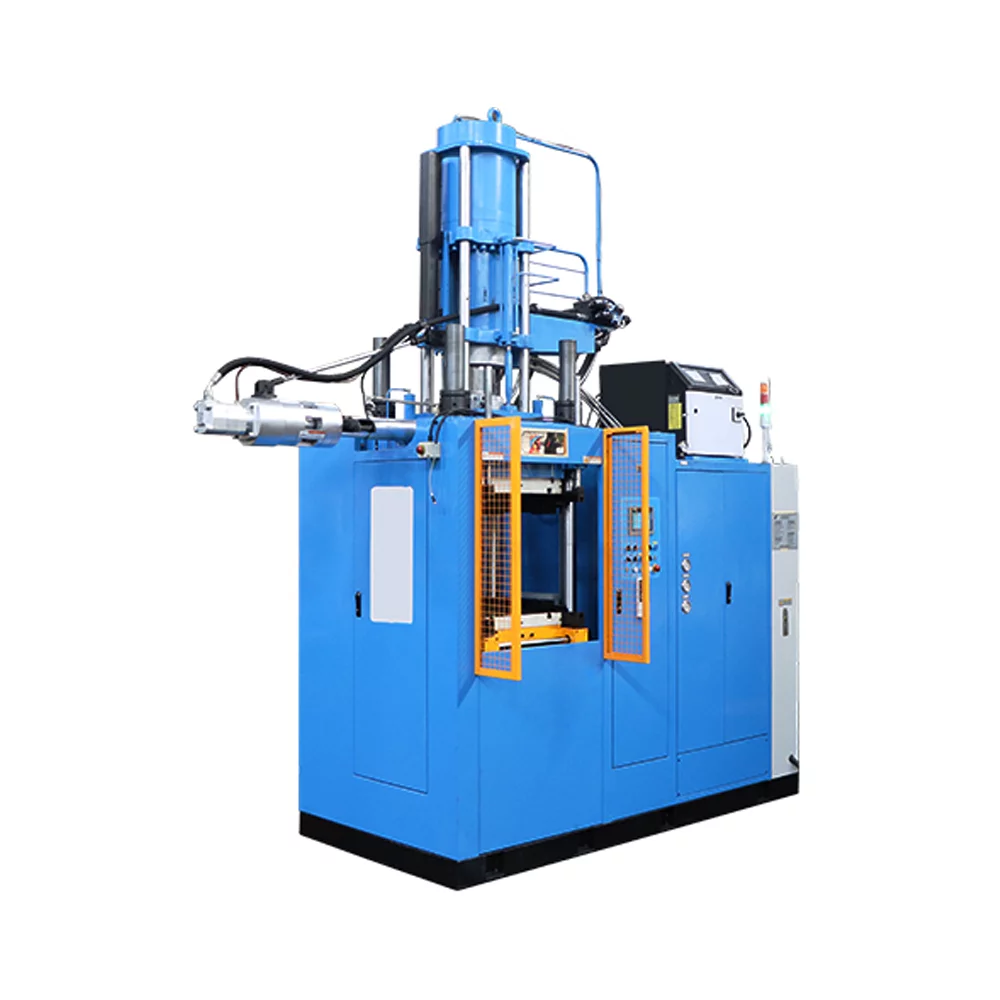
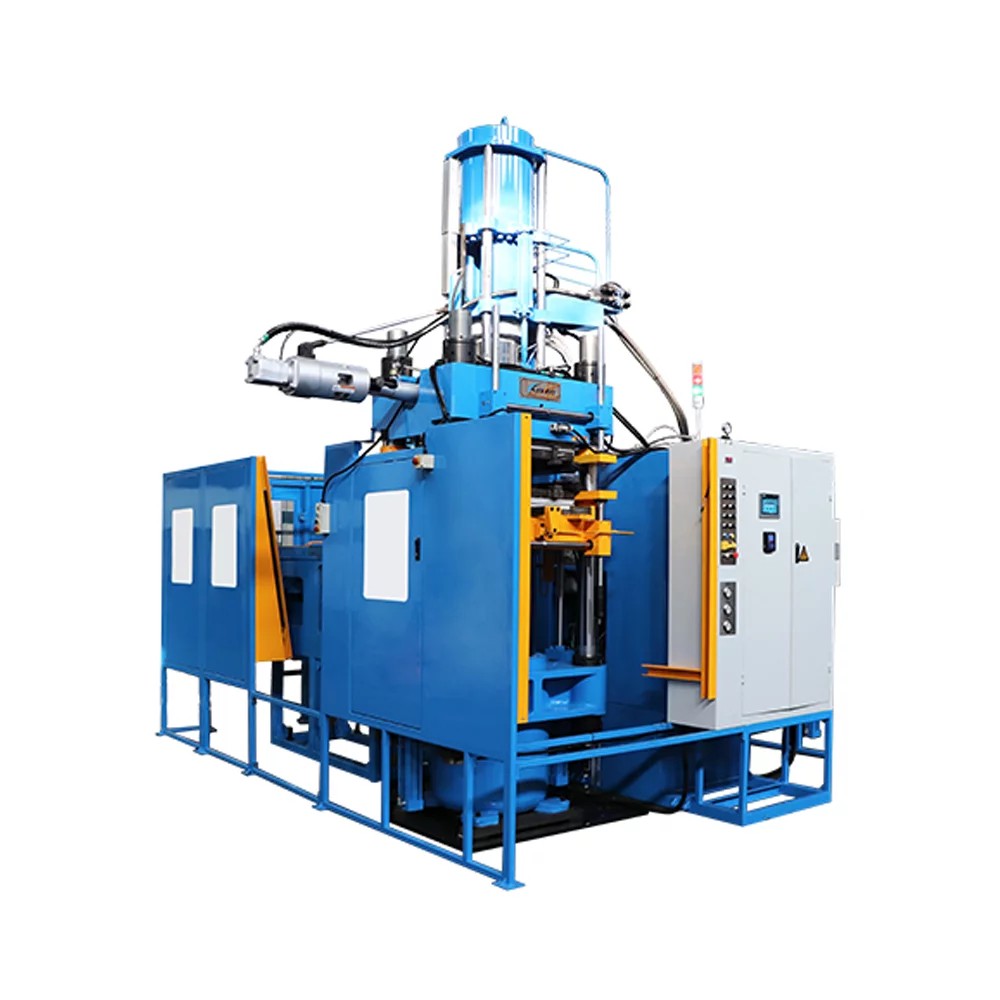
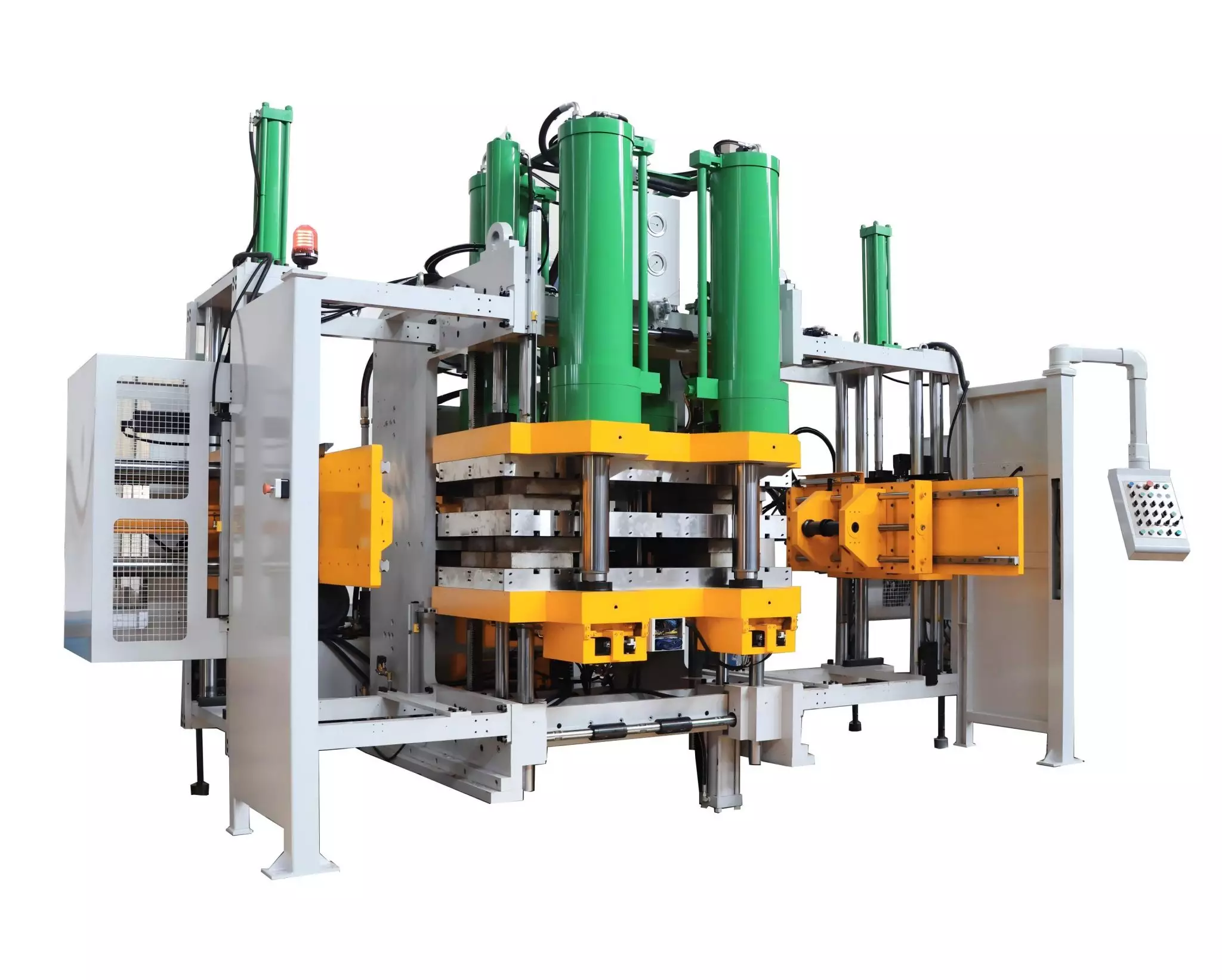
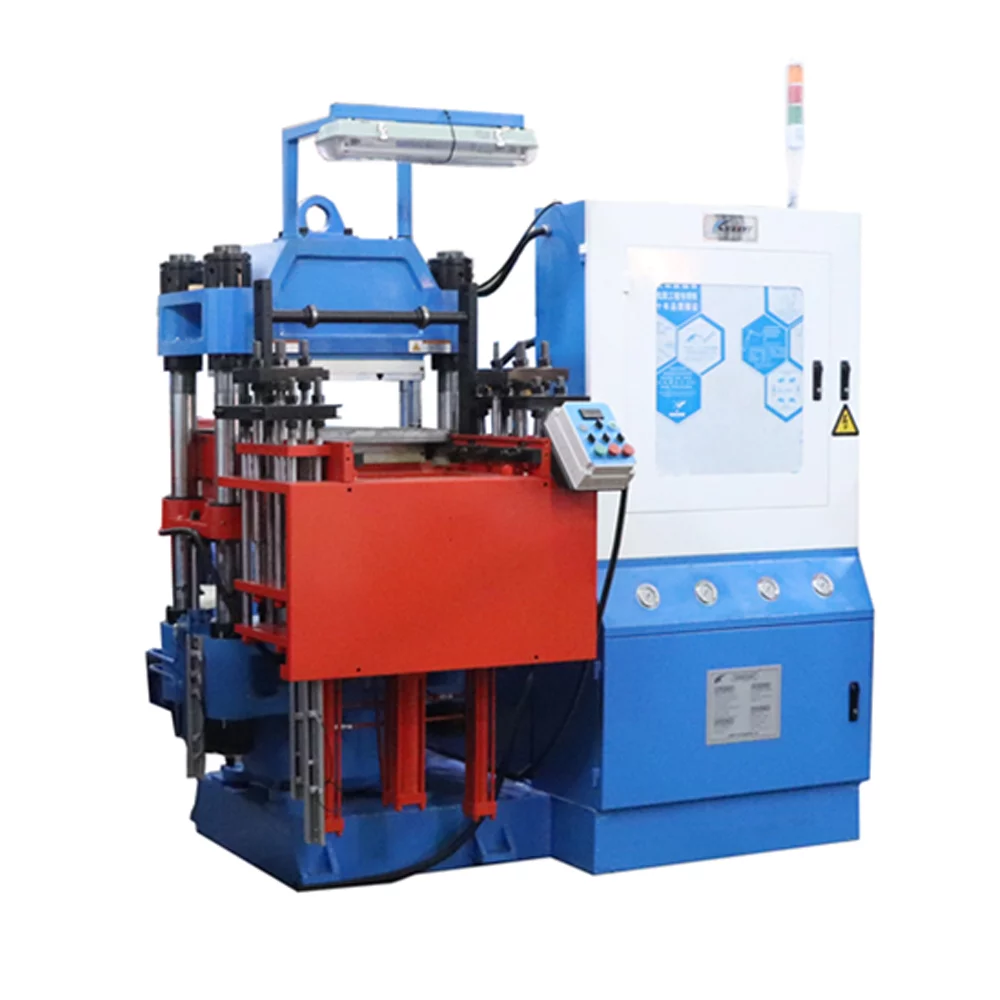
In high-precision LSR processing, uneven curing is a critical challenge that often manifests as localized softening or surface irregularities. At HWAYI, we recognize that these inconsistencies typically stem from a systemic imbalance between thermal management, material rheology, and mold geometry. Achieving peak performance from a liquid silicone injection molding machine(锚文本) therefore requires a holistic optimization of these interlocking variables rather than isolated adjustments to single process parameters.
Understanding Temperature Distribution and Heat Balance
Temperature stability plays a central role in achieving uniform curing in any LSR molding machine. From our experience at HWAYI, uneven heating across the mold cavity is one of the most common causes. If a liquid silicone injection molding machine does not maintain consistent mold temperature, certain areas may cure faster while others remain under-cured. This often happens due to improper heater layout, insufficient thermal insulation, or delayed thermal response within the mold.
We typically recommend evaluating the heating zones and ensuring that thermal sensors are correctly positioned and calibrated. In many cases, optimizing the heating system of an LSR molding machine can significantly improve curing uniformity without major structural changes. Our equipment is designed to support stable thermal control, helping users reduce fluctuations during continuous operation.
Material Flow and Injection Consistency
Another key factor influencing curing results is how the material flows inside the mold. In a liquid silicone injection molding machine, uneven flow can lead to inconsistent residence time, which directly affects curing behavior. At HWAYI, we have observed that improper injection speed, pressure imbalance, or air entrapment can all contribute to uneven curing.
For example, if the flow front is not balanced, some sections of the cavity may receive material earlier and begin curing sooner. This is why controlling injection parameters in an LSR molding machine is essential. Adjusting shot size, optimizing runner design, and ensuring proper venting can improve material distribution. Our systems are built with precise control units to help maintain stable injection performance across different production cycles.
Mold Design and Process Optimization
Mold structure is another critical element that should not be overlooked. In a liquid silicone injection molding machine, the design of gates, runners, and vents directly impacts how evenly the material fills and cures. Based on our project experience at HWAYI, uneven curing is often linked to imbalanced cavity layouts or insufficient venting, which traps air and disrupts heat transfer.
We usually suggest reviewing the mold design alongside process parameters rather than adjusting only one aspect. A well-matched combination of mold structure and machine settings allows an LSR molding machine to operate more consistently. In addition, regular maintenance and cleaning of the mold can prevent buildup that may interfere with heat distribution and material flow.
Conclusion: A Systematic Approach to Stable Curing
Addressing uneven curing in an LSR molding machine requires a systematic approach that considers temperature control, material flow, and mold design together. At HWAYI, we focus on helping customers identify the root causes rather than applying isolated adjustments. By optimizing the performance of a liquid silicone injection molding machine through balanced heating, controlled injection, and well-designed molds, it becomes possible to achieve more consistent curing results over time. This approach supports stable production while reducing variability in demanding industrial applications.