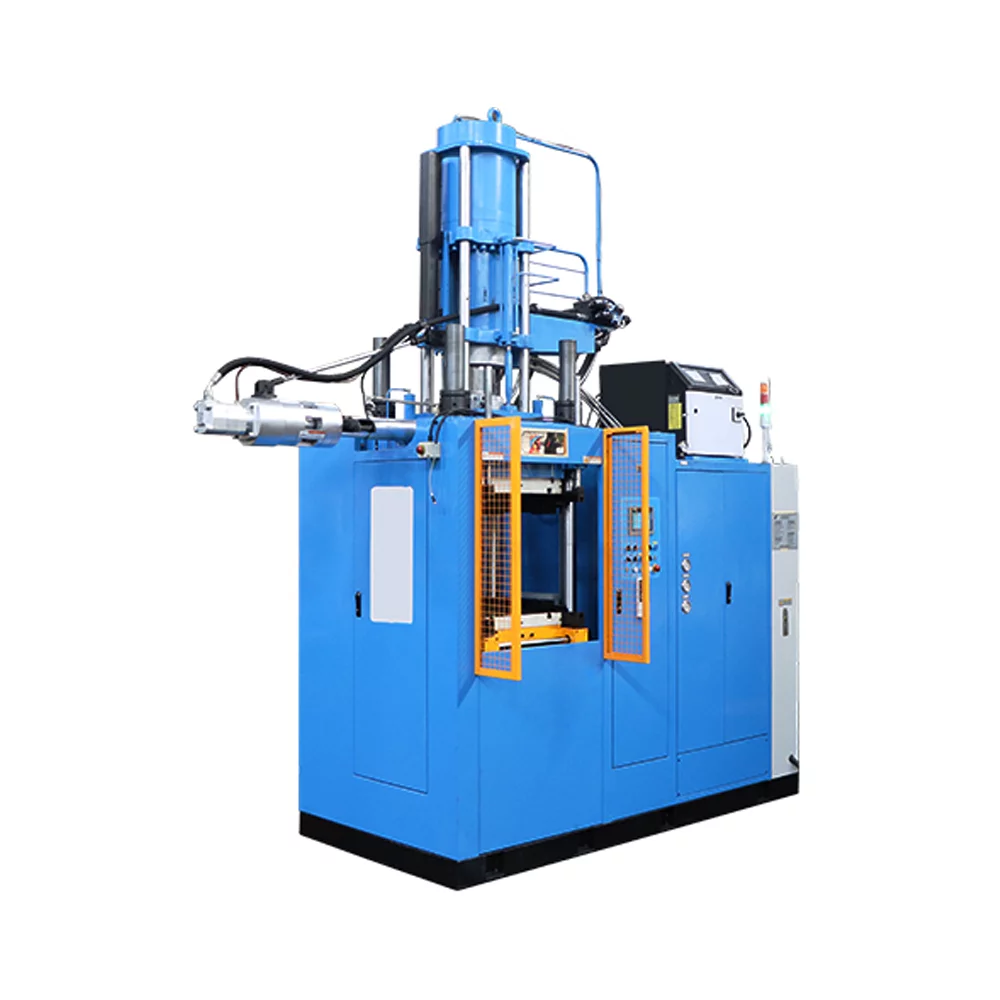
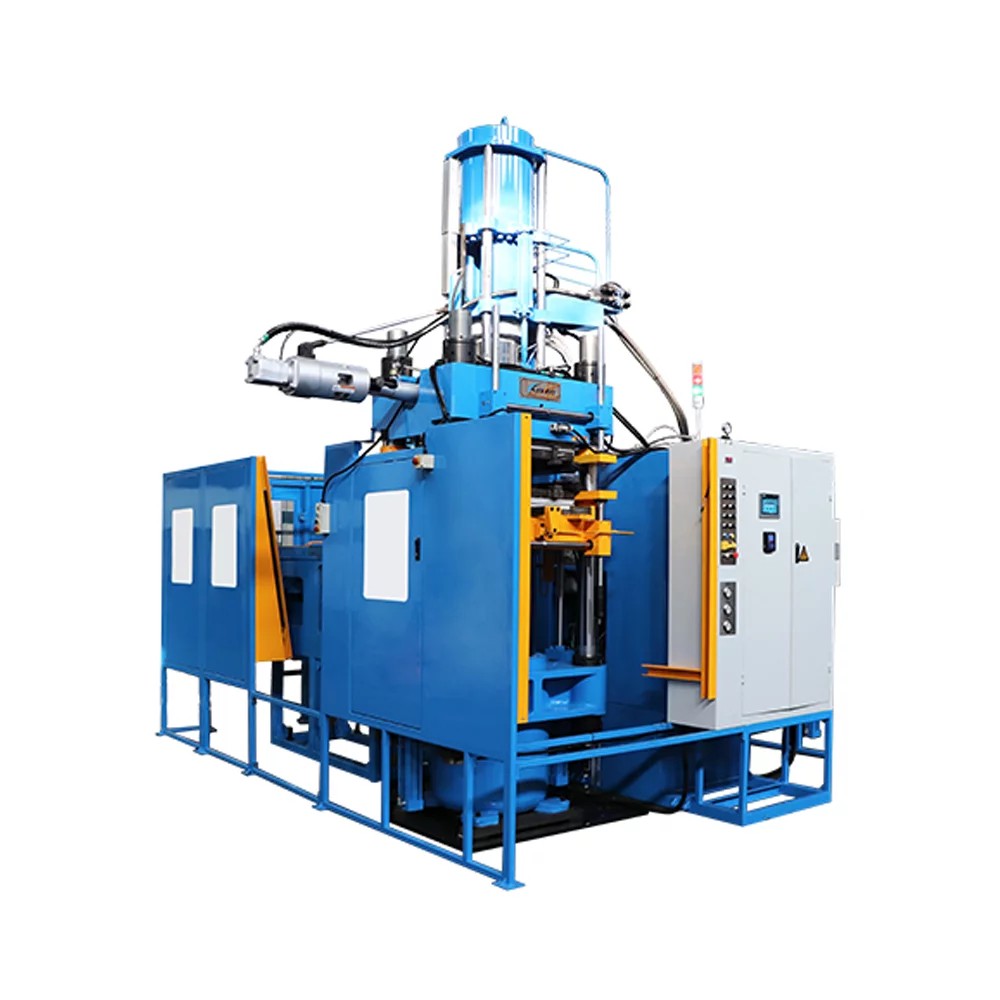
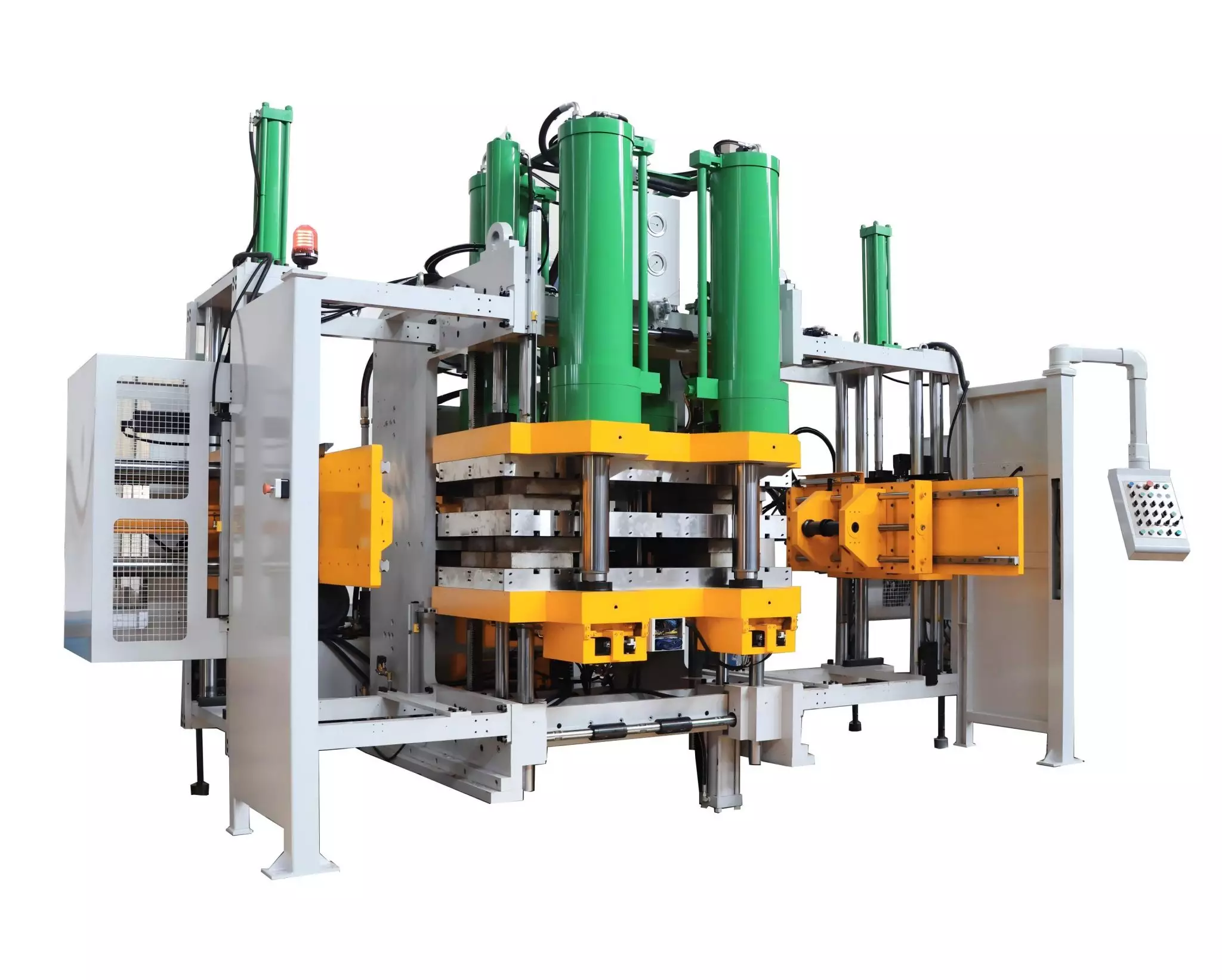
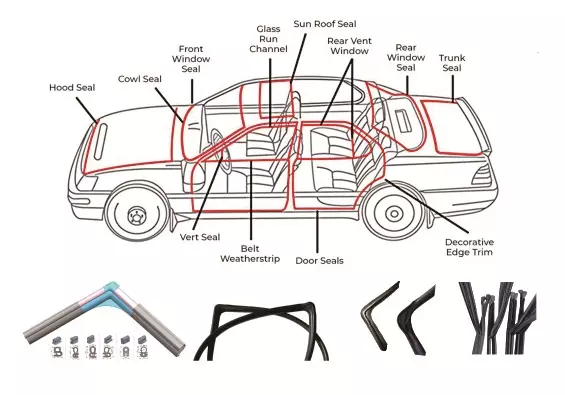
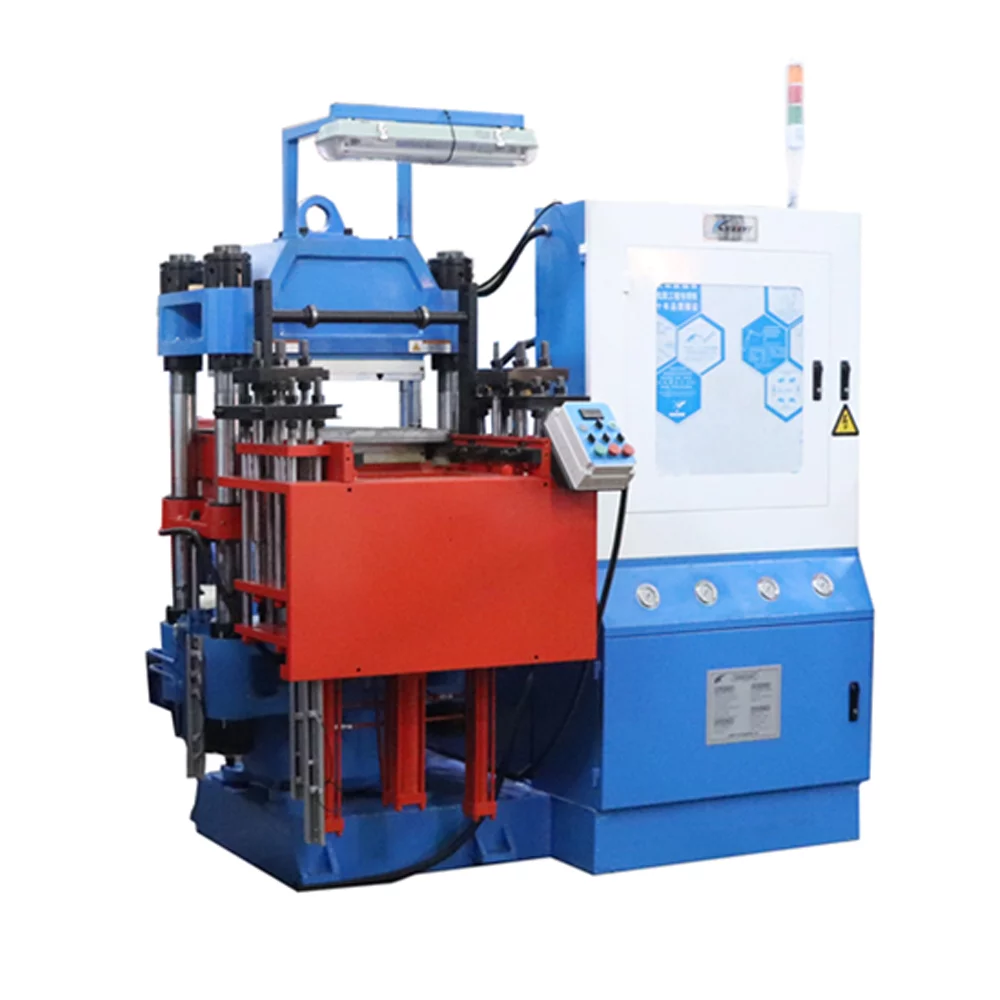
Modern manufacturing increasingly relies on precision and stability, especially in silicone processing. As HWAYI, we have observed how the evolution of the LSR molding machine has transformed production efficiency across industries such as automotive sealing and electrical insulation. These machines are no longer limited to basic forming; instead, they integrate advanced control, material handling, and automation technologies that support consistent output and adaptable production workflows.
Precision Injection Control and Material Handling
One of the core technologies in a silicone injection molding machine is its injection control system, which directly affects product quality and repeatability. In our experience at HWAYI, accurate metering and stable pressure control are essential when working with liquid silicone rubber. The LSR molding machine is designed to manage two-component materials with precise ratio control, ensuring uniform mixing before injection. This process reduces material waste and supports stable molding cycles, particularly in applications such as seals, O-rings, and insulation components where dimensional consistency is important.
Temperature Regulation and Mold Technology
Temperature management plays a critical role in silicone curing. A well-designed silicone injection molding machine integrates multi-zone temperature control systems to maintain consistent mold conditions. At HWAYI, we focus on optimizing heating and cooling balance within the LSR molding machine, which helps achieve uniform curing and reduces defects such as air bubbles or incomplete filling. Mold design also contributes significantly, as optimized flow channels and venting structures improve material distribution and overall part quality. These technologies are especially relevant in producing complex components used in electrical systems and automotive parts.
Automation and System Integration
Automation has become a defining feature of modern equipment. A silicone injection molding machine today often includes automated feeding, demolding, and quality monitoring systems. At HWAYI, our LSR molding machine solutions are developed with integration in mind, allowing them to connect with broader production lines. For example, in applications like silicone insulator manufacturing, automated processes help maintain stable output while reducing manual intervention. This not only improves efficiency but also supports safer and more consistent operations in industrial environments.
Conclusion: Technology Supporting Reliable Silicone Production
In summary, the development of the LSR molding machine reflects a shift toward precision, control, and integration. At HWAYI, we continue to focus on technologies such as accurate injection systems, stable temperature control, and adaptable automation. These elements work together to support reliable silicone processing across industries. By combining practical engineering experience with ongoing technical refinement, we aim to provide solutions that align with real production needs while maintaining consistent performance standards.