Curing time plays a critical role in ensuring the strength, durability, and long-term performance of industrial belt splicing operations. As HWAYI, we focus on delivering advanced rubber processing machinery and production solutions that help manufacturers achieve stable and efficient vulcanization results. In practical applications, curing requirements vary depending on belt thickness, material composition, and working environment. Whether operators use a rubber belt vulcanizing machine in a fixed workshop or a portable belt vulcanizer in field maintenance, precise control of curing time directly affects splice quality. With increasing demand for reliable conveyor systems across industries, understanding how to manage curing cycles has become essential for minimizing downtime and improving productivity.
Key Factors That Influence Curing Time in Belt Splicing
Several technical and environmental factors determine the required curing time during belt splicing. Belt thickness is one of the most important variables, as thicker conveyor belts require longer heat penetration to achieve full vulcanization. Additionally, ambient temperature and humidity can affect heat transfer efficiency when using a portable belt vulcanizer in outdoor or remote environments.
Material composition also plays a key role. Rubber compounds with higher hardness or specialized additives may require extended curing cycles when processed by a rubber belt vulcanizing machine. Proper pressure application is equally important, as insufficient pressure can lead to weak bonding even if curing time is extended. At HWAYI, we emphasize process stability to ensure consistent results across different operating conditions.
Role of Portable Belt Vulcanizer and Automation in Stable Curing
A portable belt vulcanizer is widely used for on-site maintenance, especially in mining, logistics, and port operations where conveyor systems cannot be easily transported. While portability offers flexibility, it also requires careful control of curing time to ensure joint reliability. Operators must balance heating temperature and curing duration to achieve optimal splice strength.
Compared with traditional manual methods, a modern rubber belt vulcanizing machine provides more stable temperature distribution and pressure control. This reduces the risk of under-curing or over-curing, both of which can compromise belt integrity. As a result, standardized curing cycles become easier to achieve, improving overall operational safety and efficiency.
HWAYI Solutions for Consistent Vulcanization Performance
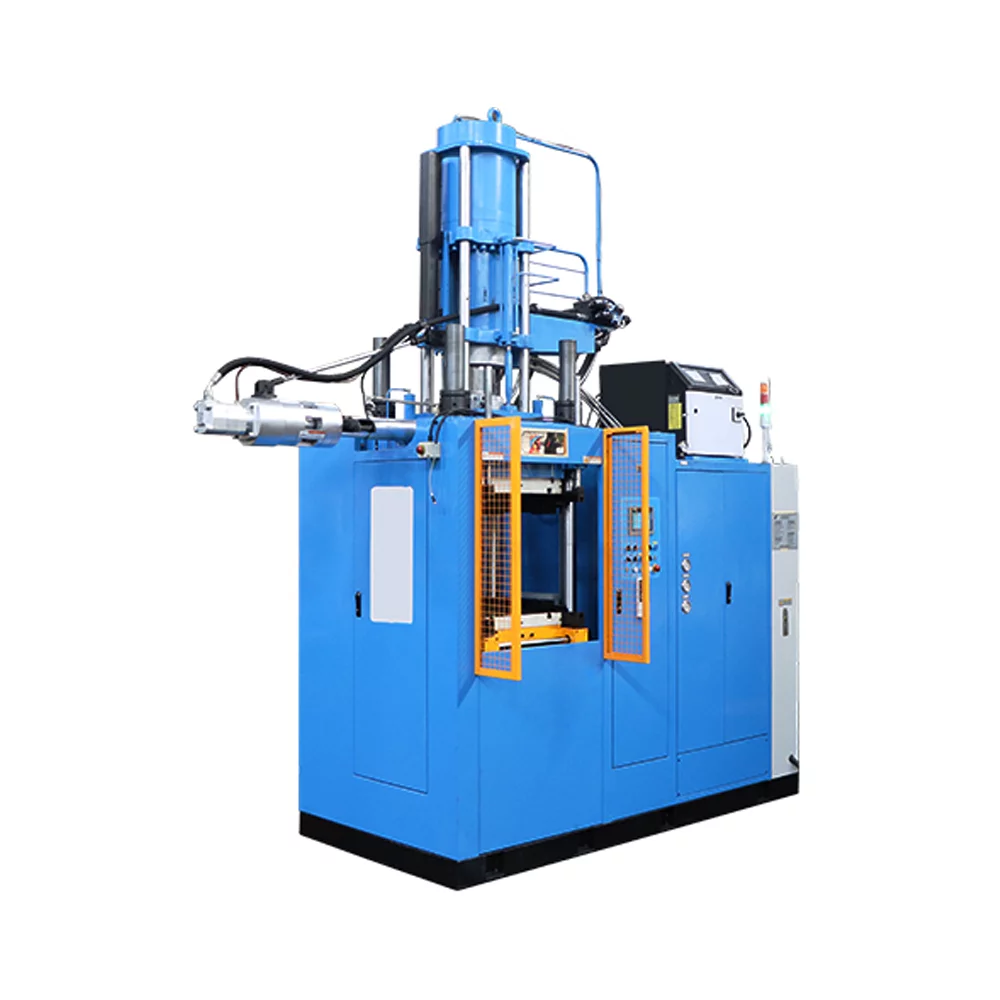
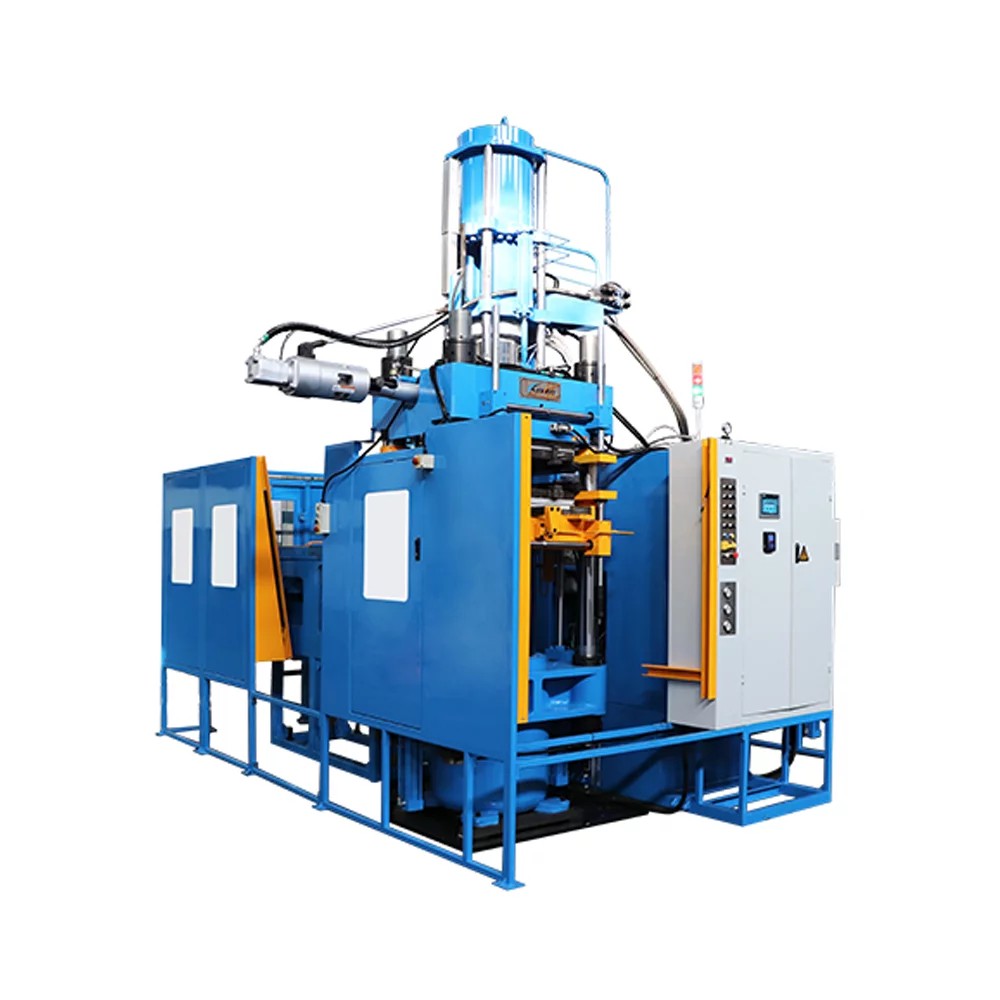
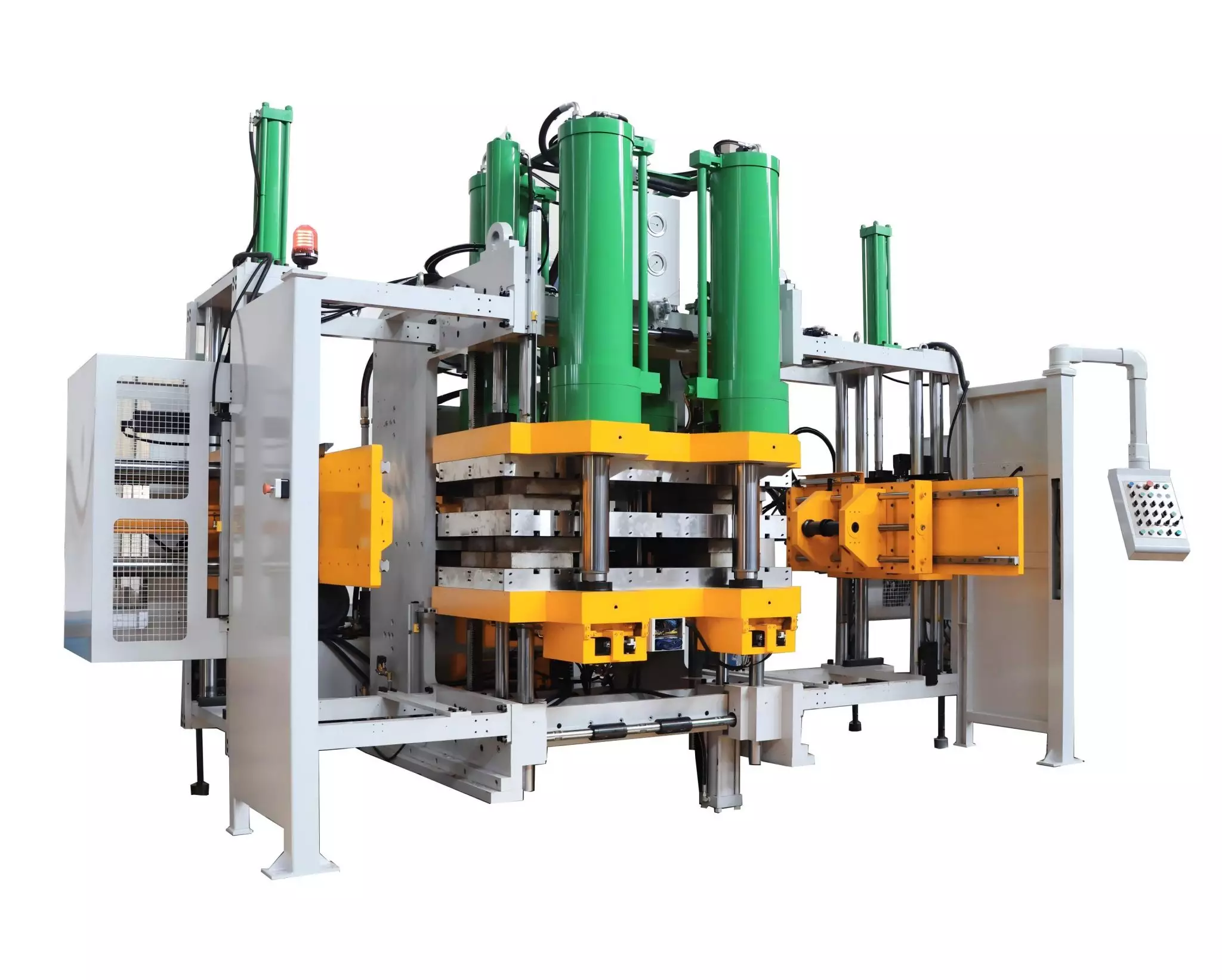
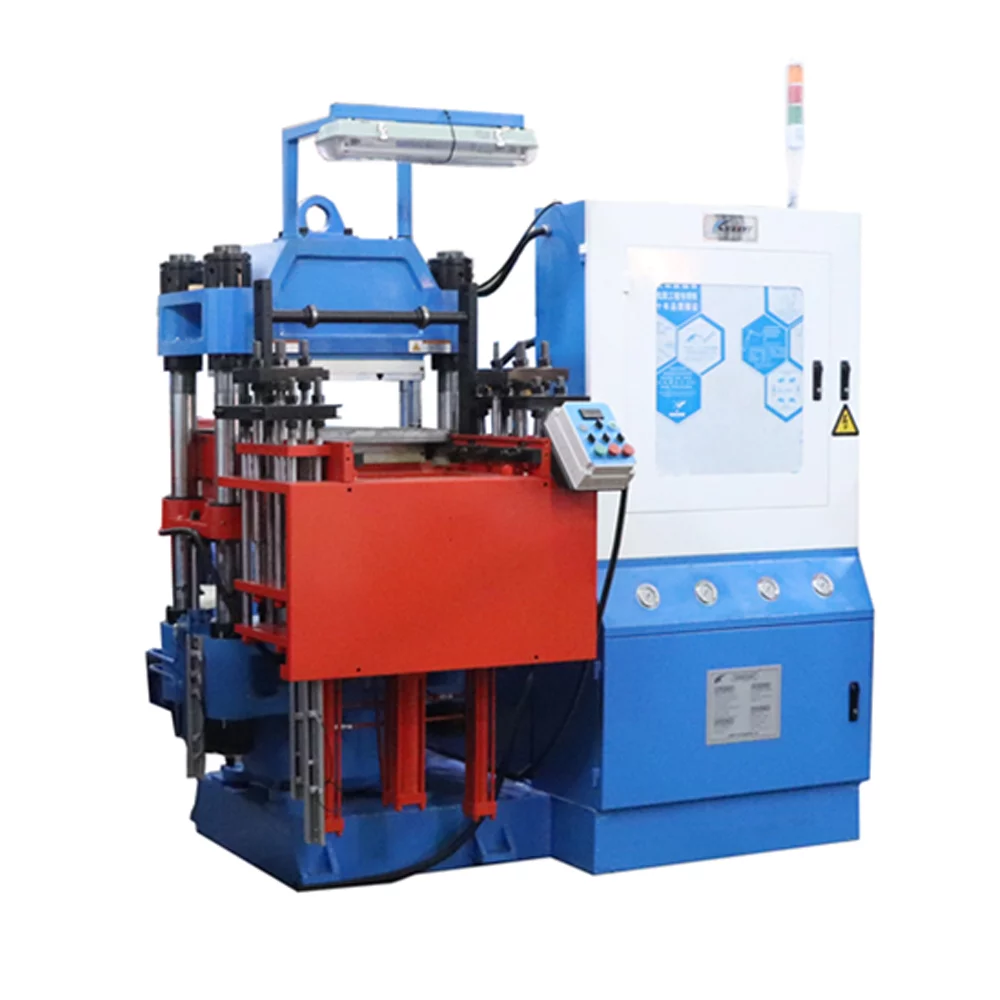
At HWAYI, we are a trusted rubber injection molding machine manufacturer with extensive expertise in rubber processing machinery and production solutions. Our Rubber Track Belt Vulcanizing Press Machine represents a high-performance rubber belt vulcanizing machine designed for automated and stable production. The system integrates iron core winding, preforming, vulcanizing, and automatic handling functions to streamline the entire workflow.
Compared with conventional systems, our solution enhances automation with automatic rubber loading, steel belt tensioning, and semi-automatic track removal. The fast clamping structure with a telescopic design improves installation flexibility, making the rubber belt vulcanizing machine suitable for diverse production environments. Even when paired with a portable belt vulcanizer for field applications, HWAYI’s technology ensures consistent curing performance and reduced operator workload.
Ensuring Proper Curing Time for Reliable Belt Splicing Results remains central to achieving long-lasting conveyor performance. By combining precise control systems with advanced equipment design, HWAYI helps customers optimize curing time, improve splice quality, and reduce maintenance downtime across demanding industrial applications.