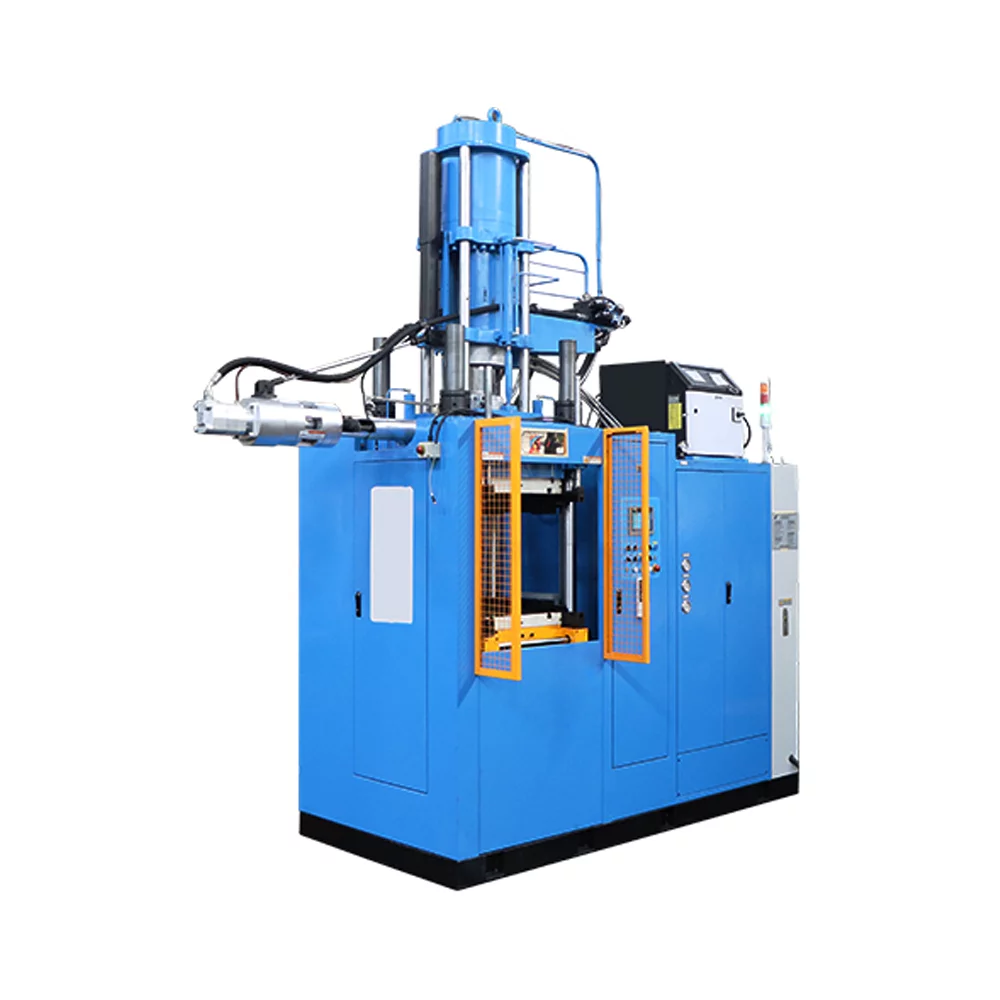
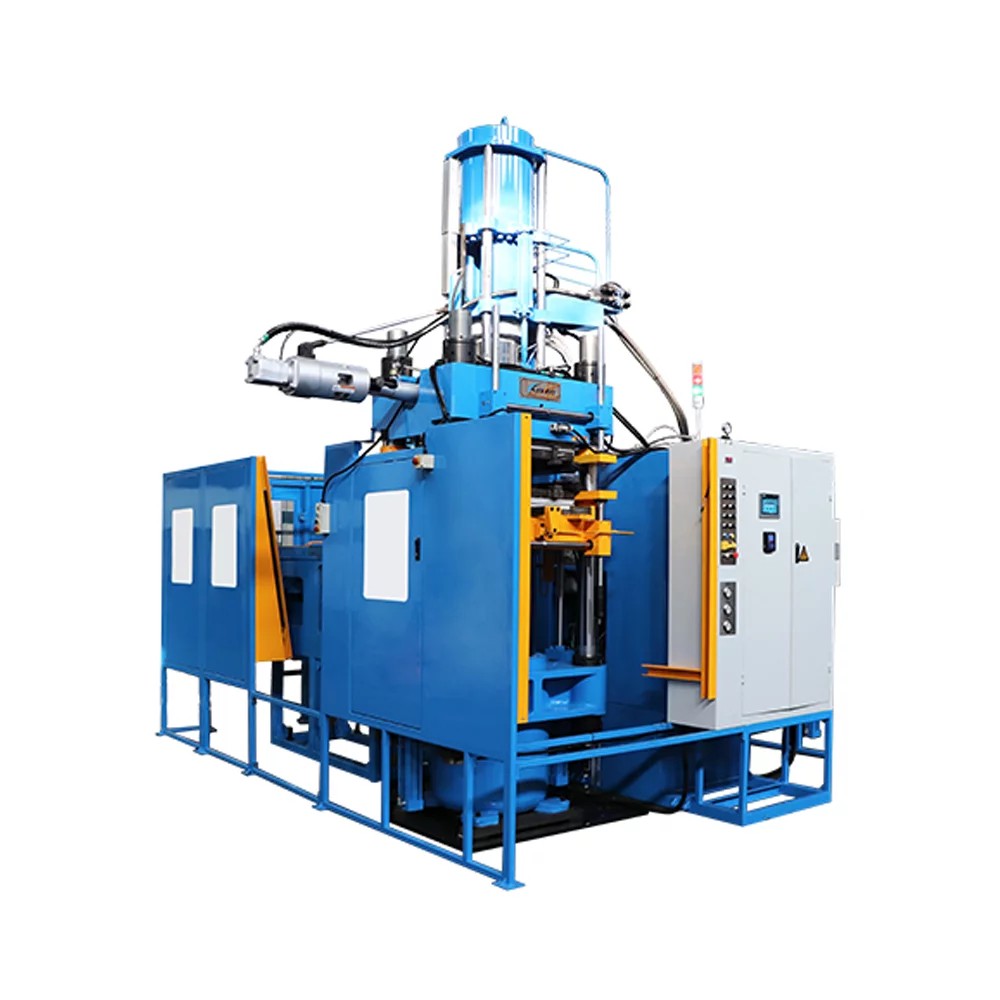
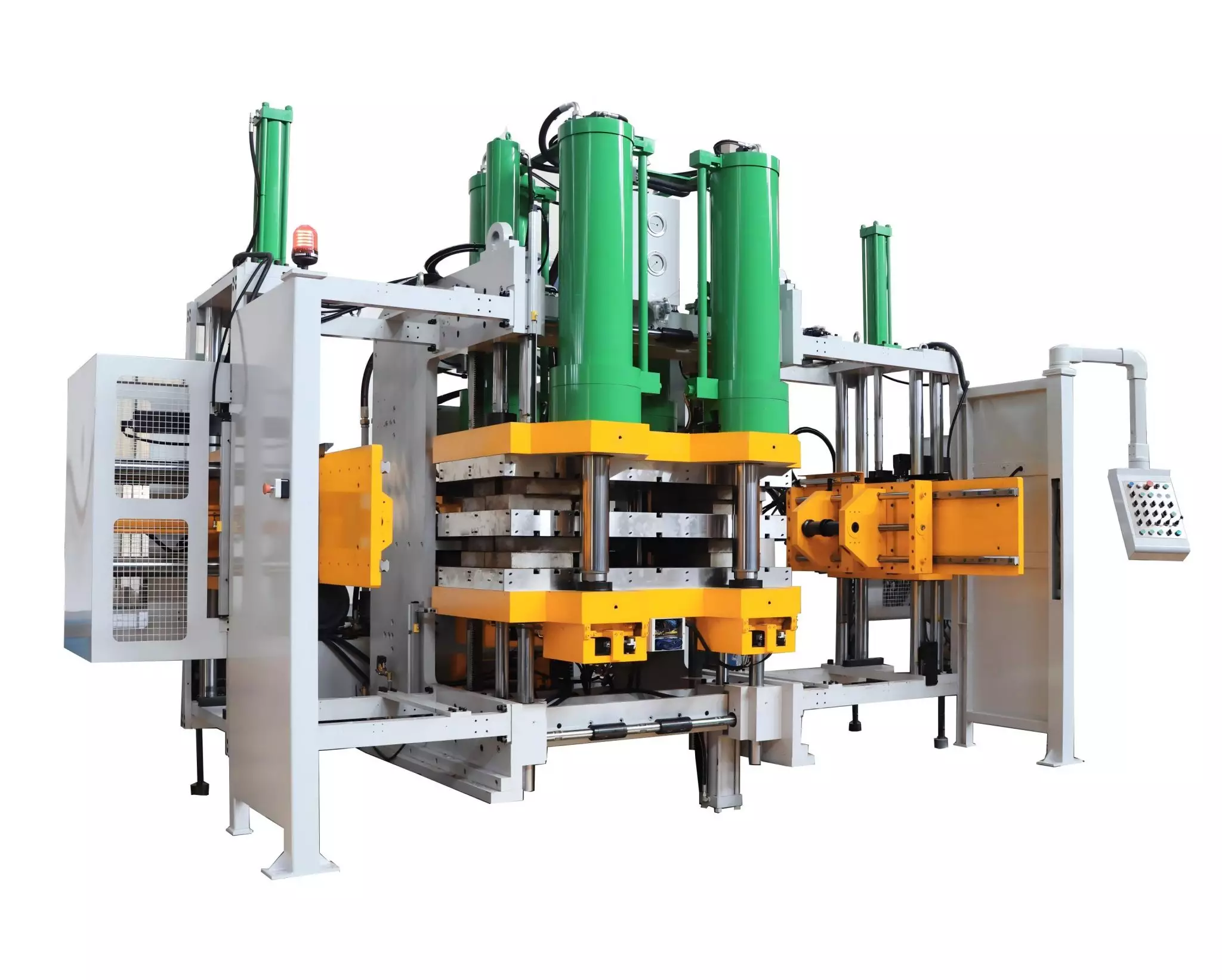
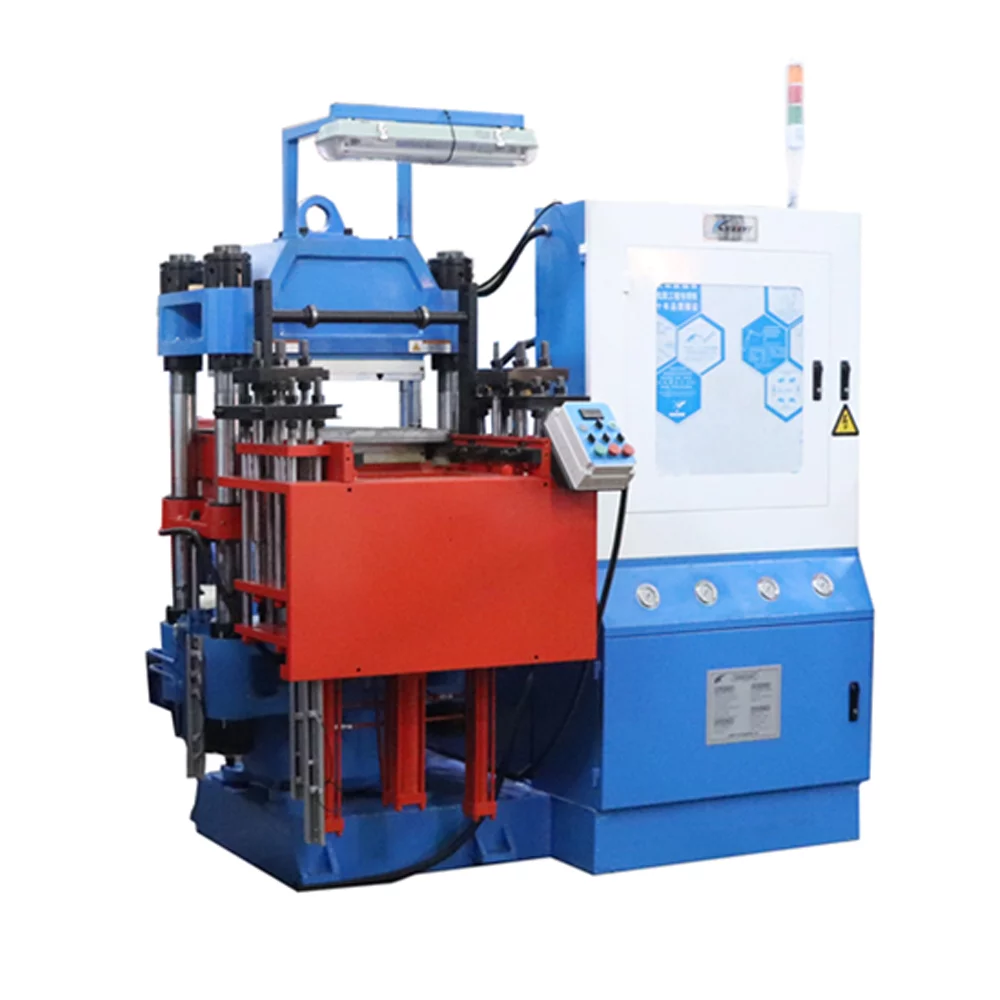
In our daily work with rubber processing systems, we often observe that heating pressure plays a direct role in determining the final quality of belt products. When we apply a HWAYI rubber belt vulcanizing machine, the balance between heat and pressure becomes a key factor in achieving stable bonding between rubber layers. If the pressure is not properly controlled, the internal structure of the belt may not fully consolidate, which can affect consistency during long-term operation. In many industrial applications, we evaluate these conditions before setting up a production plan.
Pressure distribution and material behavior
During the vulcanization process, pressure is not only about force but also about how evenly it is distributed across the belt surface. A HWAYI belt vulcanizing machine is designed to maintain a stable pressure environment so that the rubber compound reacts uniformly under heat. We have found that uneven pressure can lead to variations in thickness or bonding strength, especially in long conveyor belt applications. Our company considers these factors when supporting customers in selecting suitable process parameters for their production lines.
Interaction between heat, pressure, and curing stability
From a process perspective, heat and pressure must work together in a controlled system. When using a vulcanizing machine, the heating stage activates the chemical reaction in the rubber, while pressure ensures that the structure remains compact during curing. If either parameter is unstable, the final belt performance may not remain consistent during continuous industrial use. In practical applications, we often adjust operating conditions based on material type and belt thickness to maintain process stability.
Operational considerations in industrial applications
In real production environments, operators often focus on repeatability and process control. A HWAYI belt vulcanizing machine is typically applied in conveyor belt manufacturing, mining belt processing, and other heavy-duty rubber applications where uniform curing is important. We design our system thinking about how operators interact with heating and pressure controls, ensuring the process can be managed in a stable and predictable way without unnecessary complexity in daily operation.
Conclusion
Heating pressure directly influences the internal structure and bonding quality of rubber belts. The rubber belt vulcanizing machines are used to maintain controlled heating and pressure balance during vulcanization. From our experience, stable pressure distribution combined with proper heating control helps support consistent curing results in industrial belt production, especially in B2B manufacturing environments where process reliability is important.